
Resources
Explore a wide range of valuable resources on GCED to deepen your understanding and enhance your research, advocacy, teaching, and learning.
3,380 Results found
 Managing the State Under the Globalization Analytical Study (Journal of Al Farahidi's Arts; Vol.15, Issue 52-3) Year of publication: 2023 Author: Ahmed Saleh Ahmed Dawood Corporate author: Tikrit University This research dealt with how to manage the state in light of the major global changes, which are imposing its dominance on states and societies, and tampering with their values and cultures. The research problem can be summed up in two things: the first: the interference of international organizations and companies in the policies of countries, and the second: the resulting effects if countries tried to object to the policy of these organizations or drift in their current. Our research aims to: Study and analyze the effects of globalization on countries that have drifted in the current of globalization, and highlight the importance and role of state independence in exercising its authority and making its decisions. Using the descriptive analytical method, the description was to reveal everything related to globalization as a phenomenon that has an important role in changing many countries of their economic policies, trade systems and social affairs. As for the analysis, it was through the explanation and interpretation of the effects of globalization on the sovereignty of the state and how to manage it. This research will be organized into an introduction and a topic that deals with the elements of the research, problem, importance, goal, approach and definition of concepts. Then comes the second topic deals with globalization and the nation-state, and management of the state in light of globalization. As for the third topic, it dealt with developing countries and the challenges of globalization, and managing the Iraqi state in light of globalization, and then globalization and the Keynesian state. In the end of the research, resuls will be presented and recommendations will be made. إدارة الدولة في ظل العولمة: دراسة تحليلية (مجلة آداب الفراهيدي؛ Vol.15, Issue.52-3) Year of publication: 2023 Author: Ahmed Saleh Ahmed Dawood Corporate author: Tikrit University تناول هذا البحث كيفية ادارة الدولة في ظل المتغيرات العالمية الكبرى، التي باتت تفرض سطوتها على الدول والمجتمعات، وتعبث بقيمها وثقافاتها. وتتلخص مشكلة البحث في امرين: الاول: تدّخّل المنظمات والشركات العالمية في سياسات الدول وحتى الداخلية منها، والثاني: الاثار الناتجة لو حاولت الدول الاعتراض على سياسة هذه المنظمات او الانجراف في تيارها. ويهدف بحثنا الى: دراسة وتحليل اثار العولمة على الدول التي انجرفت بتيار العولمة، وابراز اهمية ودور استقلال الدولة في ممارسة سلطتها واتخاذ قراراتها. مستعينين بالمنهج الوصفي التحليلي، فكان الوصف للكشف عن كل ما يتعلق بالعولمة كظاهرة لها اهمية ودور في تغيير الكثير من الدول لسياساتها الاقتصادية وانظمتها التجارية وشؤونها الاجتماعية. اما التحليل فكان من خلال شرح وتفسير اثار العولمة على سيادة الدولة وكيفية ادارتها. وسينتظم بحثنا هذا في مقدمة وثلاث مباحث، تناول المبحث الاول عناصر البحث، مشكلة واهمية وهدف ومنهج وتعريف بالمفاهيم. ثم يأتي المبحث الثاني ليتناول العولمة والدولة القومية، وادارة الدولة في ظل العولمة. اما المبحث الثالث فتناول الدول النامية وتحديات العولمة، وادارة الدولة العراقية في ظل العولمة، ومن ثم العولمة والدولة الكينزية. وفي النهاية النتائج التي أسفر عنها البحث، ومن ثم التوصيات.
  Five States and / or One Region? : National and Regional Dualism in Central Asia Year of publication: 2015 Author: Farkhod Tolipov | Abdugani Mamatazimov | Elmira Nogoibaeva | Sanat Kushkumbaev | Tamerlan Ibraimov | Galiya Ibragimova | Azina Kushkumbaeva Corporate author: Central Asian Studies The aim of the group of scientists and researchers of the Almaty Club, created with the support of the Friedrich Ebert Foundation, was to analyze and search for common solutions to intra-regional problems.This publication is the result of the work of researchers from 5 countries of the Central Asian region. It discusses issues of regional integration and cooperation, creating a platform for scientific research, overcoming geopolitical tensions and strategic uncertainty, as the main factors that impede regional evolutionary processes. Пять государств и/или один регион? : Национально-региональный дуализм в Центральной Азии Year of publication: 2015 Author: Farkhod Tolipov | Abdugani Mamatazimov | Elmira Nogoibaeva | Sanat Kushkumbaev | Tamerlan Ibraimov | Galiya Ibragimova | Azina Kushkumbaeva Corporate author: Central Asian Studies Целью группы ученых и исследователей "Алматы-клуба", созданного при поддержке Фонда Фридриха Эберта стал анализ и поиск общих решений внутрирегиональных проблем.Эта публикация является результатом работы исследователей 5 стран центральноазиатского региона. Здесь обсуждаются вопросы региональной интеграции и сотрудничества, создания платформы для научных исследований, преодоление геополитического напряжения и стратегической неопределенности, как основных факторов, препятствующих региональным эволюционным процессам.
  Thoughts on Global Citizenship (Universal) Year of publication: 2017 Author: Nahla Abu Aliwa Corporate author: Arab Council for Childhood and Development (ACCD) This article addresses global citizenship as one of the hot topics the world currently. The researcher highlighted the difference between global citizenship and traditional citizenship. He also touched upon the concept of multiculturalism and its importance in this multicultural world. Emphasis was placed on the Education for Global Citizenship initiative proposed by UNESCO. أفكار حول المواطنة العالمية ( الكوكبية ) Year of publication: 2017 Author: Nahla Abu Aliwa Corporate author: Arab Council for Childhood and Development (ACCD) يتناول هذا المقال المواطنة الكوكبية باعتبارها أحد الموضوعات المطروحة بقوة على الساحة العالمية. قام الباحث بإلقاء الضوء على الفرق بين المواطنة العالمية والمواطنة التقليدية. وأيضا تطرق لمفهوم التعددية الثقافية وأهميته في العالم المتنوع الثقافات. كما تم التركيز على مبادرة التربية من أجل المواطنة العالمية والتي طرحتها منظمة اليونسكو.
 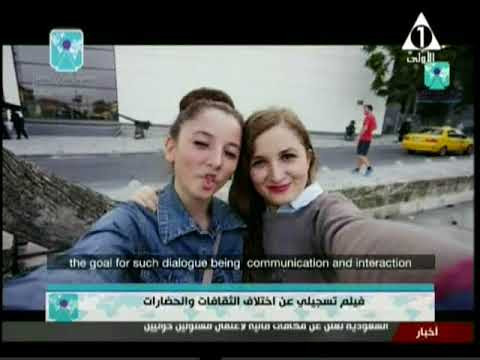 A Documentary about Different Cultures and Civilizations Year of publication: 2017 Corporate author: Egypt News The documentary talks about the differences between cultures and civilizations. It talks about the importance of cross-fertilization between civilizations for a happy life and sustainable development. فيلم تسجيلى عن اختلاف الثقافات والحضارات Year of publication: 2017 Corporate author: Egypt News يتحدث الفيلم الوثائقي عن الاختلافات بين الثقافات والحضارات. ويتحدث عن اهمية التلاقح بين الحضارات للعيش السعيد والتنمية المستدامة.
 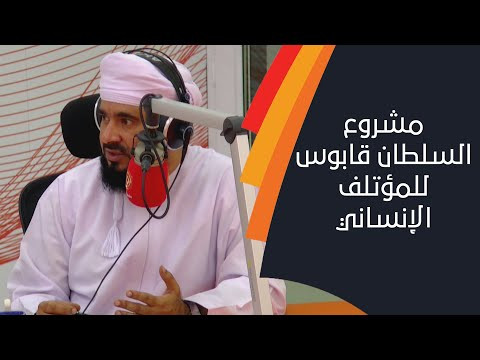 The Sultan Qaboos Project for the Humanitarian Year of publication: 2019 Corporate author: Al Shabiba The program deals with the Human Recombinant Project, its importance and objectives. The project came with the blessing of the late Sultan in order to gather the efforts of nations to improve human lives, and to raise human awareness of the importance of a shared global ethics system. مشروع السلطان قابوس للمؤتلف الإنساني Year of publication: 2019 Corporate author: Al Shabiba البرنامج يتطرق لمشروع المؤتلف الإنساني وأهميته وأهدافه. المشروع جاء بمباركة من السلطان الراحل من أجل جمع جهود الأمم في تحسين حياة البشر، ولإثارة الوعي الانساني بأهمية منظومة الاخلاق العالمية المشتركة.