
Resources
Explore a wide range of valuable resources on GCED to deepen your understanding and enhance your research, advocacy, teaching, and learning.
3,224 Results found
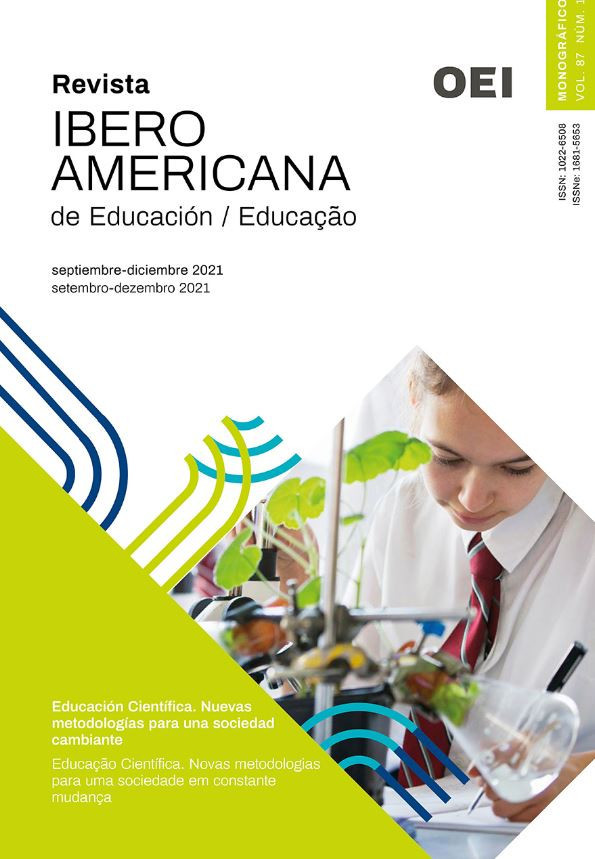 Educación científica: Nuevas metodologías para una sociedad cambiante (Revista Ibero-americana de Educação; vol. 87, núm. 1) Year of publication: 2021 Author: F. Javier Perales | David Aguilera Corporate author: Organización de Estados Iberoamericanos para la Educación, la Ciencia y la Cultura (OEI) Una sociedad tan cambiante como la nuestra necesita de cambios (innovaciones) y adaptaciones en el ámbito educativo que permitan compaginar lo académico con las demandas sociales. Este primer monográfico estimamos que resulta representativo de la riqueza y diversidad de las propuestas recibidas que, a su vez, constituyen un muestrario de la pujanza de la comunidad de docentes e investigadores en su afán de hacer de la enseñanza de las ciencias una oferta atractiva y eficiente para las nuevas generaciones.
  Climate Change Adaptation Policy, 10 years: Tracking Adaptation and Suggesting the Way Forward (Ⅲ) Year of publication: 2021 Author: YoungiI Song | Jiyoung Shin | Jinhan Park | Songmi Park | Mirae Kim Corporate author: Korea Environment Institute (KEI) This study suggested the direction of preparing and wrote the climate change adaptation gap report by sector. This study defined the adaptation gap as the degree of implementation compared to the adaptation goal and evaluated the effect of reducing climate change risk.This study prepared a climate change adaptation gap report through the process of selecting representative indicators, setting adaptation goals, and analyzing national climate change adaptation policies for five sectors: forest/ecosystem, agriculture and fisheries, water, health, and territory/coast.Through the writing of the climate change adaptation gap report, We identified the insufficient climate change adaptation measures and suggested the policy directions to effectively reduce climate change risk and ensure the effectiveness of future climate change adaptation policies.As a result, we emphasized the climate change adaptation efforts are needed, such as establishing climate change adaptation policies directly related to climate change risk, building the data to understand the effectiveness of climate change adaptation measures, and setting goals for climate change adaptation. 기후변화 적응정책 10년: 현주소 진단과 개선방안 모색을 중심으로 (Ⅲ) Year of publication: 2021 Author: 송영일 | 신지영 | 박진한 | 박송미 | 김미래 Corporate author: 한국환경연구원 IPCC 제5차 평가보고서(2013년) 발간 이후 8년만인 올해 발간된 제6차 평가보고서에서는 전 세계 평균기온이 산업혁명 이전보다 1.09℃ 증가한 것으로 발표하였는데, 이는 제5차 보고서 발간 당시 발표한 0.78℃에 비하여 0.31℃가 증가한 것입니다. 전 세계적으로 온실가스 발생을 감축하기 위해 꾸준히 노력해 왔음에도 불구하고 지난 8년 정도의 시간 동안 이와 같은 기온상승이 있었습니다. 이는 기후변화가 우리의 생각보다 빨리 진행되고 있으며 이미 배출된 온실가스만으로도 기후변화가 지속적으로 발생할 수 있다는 사실을 뒷받침합니다. 신 기후체제의 근간이 되는 파리협정에서는 감축과 함께 적응을 중요한 기후변화 대응방안으로 평가하고 있습니다.우리나라에서는 기후변화의 부정적 영향에 대비하고 기후탄력성을 키워 기후 안전 사회를 이루기 위하여 2010년부터 적응정책을 이행하고 있습니다. 지난 10년간 적응정책 이행 과정에서 발생한 성과와 한계를 진단하고 이를 토대로 개선방안을 제시하기 위하여 총 3년에 걸쳐 본 과제가 수행되었습니다. 3년 차인 2021년에는 제도적 측면의 평가와 기후변화 리스크 저감 효과 측면에서 적응정책을 살펴보았습니다. 본 연구에서 도출한 해외주요 국가들과의 적응정책 비교·분석 결과 및 적응목표와 이행 정도에 대한 갭(gap) 분석 결과는 적응정책을 개선하고 실효성을 높이는 데 이바지할 것으로 기대합니다. * 본 저작물은 한국환경연구원에서 '2021'년에 작성하여 공공누리 제'4'유형으로 개방한 ‘기후변화 적응정책 10년: 현주소 진단과 개선방안 모색을 중심으로 (Ⅲ)(작성자: 송영일 외)’를 이용하였으며 해당 저작물은 한국환경연구원 홈페이지(http://www.kei.re.kr)’에서 무료로 다운받으실 수 있습니다.
  [KEI 중국환경브리프] 2021-03호 Year of publication: 2021 Corporate author: 한국환경연구원 탄소중립이 국제사회의 정책 패러다임으로 주류화, 내재화되는 현 상황 속에서, 세계 최대의 온실가스 배출국이자 G2 리더 중 하나인 중국의 행태는 가장 중요한 사안 중 하나이다. 중국의 탄소중립 추진전략은 중국 국내뿐 아니라 세계 전체가 주목해야 할 사안이라고 말할 수 있으며, 중국의 탄소중립 목표 선언을 전후로 한 중국의 의도와 행태에 대해 심도 있는 연구가 필요한 상황이다.중국의 탄소중립 전략을 상세히 이해하는 일에 앞서 반드시 선행되어야 할 사항은 중국이 탄소중립 목표 선언에 도달하게 된 과정에 대한 고찰이다. 본고에서는 중국이 탄소중립 선언을 하기까지 추진해온 20여 년 간의 기후변화정책을 대내외적인 측면에서 모두 살펴본다. 본 저작물은 한국환경연구원에서 2021년 작성하여 공공누리 제4유형으로 개방한 '[KEI 중국환경브리프] 2021-03호(작성자: 한국환경연구원)'을 이용하였으며, 해당 저작물은 한국환경연구원 홈페이지(https://www.kei.re.kr/)에서 무료로 내려받으실 수 있습니다.
  환경과 국제협력 (해외환경정책동향 2021-04호) Year of publication: 2021 Corporate author: 한국환경연구원 국제사회는 개발도상국의 재정·기술·역량개발에 지원함으로써 개발도상국이 더욱 적극적으로 저탄소 전환과 넷제로(Net-Zero) 달성에 동참하도록 협조할 필요가 있다. 어떤 국가의 탄소저감 노력으로 얻게 되는 혜택은 모든 국가가 함께 누릴 수 있다. 반대로 어떤 국가가 탄소저감 노력을 외면했을 때, 그로 인한 비용 또한 모든 국가가 같이 짊어져야 한다. 그래서 국제협력은 글로벌 넷제로 달성을 위해 필수적이며 공적개발원조(ODA: Official Development Assistance) 또한 필요한 역할을 해야만 한다. ODA, 특히 무상원조는 인도주의적인 목적으로 시행되기도 하지만 산업·경제협력 측면에서 ODA 외에 공적·민간 투자를 촉진할 수 있다는 점에서 중요하다. 본고에서는 현재 글로벌 탄소중립 ODA와 우리나라의 탄소중립 ODA 추진 현황을 살펴보고, 마지막으로 향후 탄소중립 ODA가 나아가야 할 방향에 대해 고찰해 보고자 한다. 본 저작물은 한국환경연구원에서 2021년 작성하여 공공누리 제4유형으로 개방한 '환경과 국제협력 (해외환경정책동향 2021-04호)'을 이용하였으며, 해당 저작물은 한국환경연구원 홈페이지(https://www.kei.re.kr/)에서 무료로 내려받으실 수 있습니다.
  [KEI 북한환경리뷰] 2020-창간호 Year of publication: 2020 Corporate author: 한국환경정책·평가연구원 최근 연구에 따르면 북한 지역도 기후변화의 영향에서 결코 예외는 아니며, 홍수, 가뭄, 수질, 수력발전, 농업용수, 상하수도, 수생태 등과 같이 북한의 물관리 전반에 미치는 기후변화 영향의 진단도 산림복원의 효과와 연계되어 검토되어야 할 중요한 연구 주제이다.위와 같은 배경에서 산림복원과 기후변화가 북한 물관리에 미치는 영향을 진단하고 그 결과를 제공하는 등 물분야 환경 협력 발전방향의 정책적 제언을 도출하는 것은 매우 중요한 정책연구 주제이다. 본 원고에서는 물 관련 문제 해소방안 마련에 기여하고, 북한의 기후변화 적응력 증대를 통한 경제 발전, 주민 삶의 질과 생태환경 개선·보전의 선순환 정책 고리를 묶을 수 있는 공동 노력을 제안하고 있다. 또한 국내에서 최초로 김정은 집권 이후 2012부터 2020년까지 신년사에 나타난 환경관련 정책 내용을 분석하여 북한의 주요 환경정책을 파악하고 이와 관련한 북한의 주요 환경문제를 진단해 보고자 한다. 본 저작물은 한국환경정책·평가연구원에서 2020년 작성하여 공공누리 제4유형으로 개방한 '[KEI 북한환경리뷰] 2020-창간호(작성자:한국환경정책·평가연구원)'을 이용하였으며, 해당 저작물은 한국환경연구원 홈페이지(https://www.kei.re.kr/)에서 무료로 내려받으실 수 있습니다.
  기후변화와 북한인권: 실태 및 협력방안 - SDGs 매개의 남북인권협력 관점에서 - Year of publication: 2022 Author: 이규창 | 김에스라 | 나용우 | 최현아 Corporate author: 통일연구원 글로벌 이슈인 기후변화는 생태계 및 환경뿐만 아니라 건강, 감염병, 경제, 주거, 식수 등 인간 삶의 상당한 영역에 영향을 미치고 있다. 기후변화는 재해‧ 재난의 빈도 및 강도의 증대로 이어져 최근에는 기후위기라는 용어가 회자되고 있으며 더 나아가 기후재앙이라는 용어도 사용되고 있다. 국제사회는 기후변화가 인권에 미치는 영향을 주목하고 이에 대응하기 위하여 노력을 기울이고 있다. 그 모습은 유엔인권최고대표사무소 (OHCHR)의 ‘기후변화와 인권의 관계에 관한 보고서’ 발표, 유엔 인권이사회의 ‘인권과 기후변화’ 결의 채택, ‘기후변화 맥락에서의 인권증진 및 보호에 관한 특별보고관’ 임명 등으로 나타나고 있다. 이 같은 배경에서 본 연구보고서는 기후문제가 북한인권에 미치는 영향과 실태 및 남북협력방안을 연구 내용으로 다루고 있다. 본 저작물은 통일연구원에서 2022년 작성하여 공공누리 제4유형으로 개방한 '기후변화와 북한인권: SDGs 매개의 남북인권협력 관점에서(작성자:이규창 외)'를 이용하였으며, 해당 저작물은 통일연구원 홈페이지(https://www.kinu.or.kr/)에서 무료로 내려받으실 수 있습니다.
  Online Courses: Building Kinder Brains Through Accessible Digital Learning Course Brochure Year of publication: 2023 Corporate author: Mahatma Gandhi Institute of Education for Peace and Sustainable Development (MGIEP) UNESCO MGIEP focuses on achieving the United Nations (UN) Sustainable Development Goal (SDG) 4, Target 7 towards education for building peaceful and sustainable societies across the world by developing programmes that promote social and emotional learning, innovate digital pedagogies and empower the youth. UNESCO MGIEP‘s Social Emotional Learning (SEL) courses are research and evidence based with built-in assessments. The courses are multi-modal, interactive and self-paced, and are designed to build intellectual and emotional intelligence among learners. Currently the courses are available in English and are being adapted to Hindi, Spanish and Russian.
  Girls’ Education and Climate Change: Investing in Education for Resilience Year of publication: 2021 Corporate author: Inter-agency Network for Education in Emergencies (INEE) This brief was developed to support dissemination of key messages in Mind the Gap 2: Seeking Safe and Sustainable Solutions for Girls’ Education in Crises. It provides an overview of evidence and gaps on the relationship between girls’ education and climate crises, and recommends actions to mitigate the impacts of climate change on girls’ education and promote resilience. تعليم الفتيات وتغيّر المناخ: الاستثمار في التعليم من أجل القدرة على التأقلم Year of publication: 2021 Author: Inter-agency Network for Education in Emergencies (INEE) Corporate author: Inter-agency Network for Education in Emergencies (INEE) تم تطوير هذا الملّخص لدعم نشر الرسائل الرئيسية في إدراك الفجوة 2: البحث عن حلول آمنة ومستدامة لتعليم الفتيات في الأزمات. يقدم نظرة عامة على الأدلة والثغرات في العلاقة بين تعليم الفتيات وأزمات المناخ ، ويوصي باتخاذ إجراءات للتخفيف من آثار تغيّر المناخ على تعليم الفتيات وتعزيز المرونة.