
Resources
Explore a wide range of valuable resources on GCED to deepen your understanding and enhance your research, advocacy, teaching, and learning.
3,376 Results found
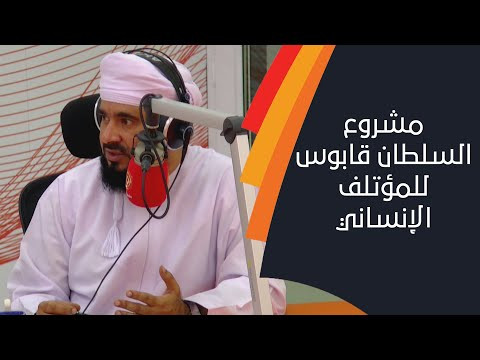 The Sultan Qaboos Project for the Humanitarian Year of publication: 2019 Corporate author: Al Shabiba The program deals with the Human Recombinant Project, its importance and objectives. The project came with the blessing of the late Sultan in order to gather the efforts of nations to improve human lives, and to raise human awareness of the importance of a shared global ethics system. مشروع السلطان قابوس للمؤتلف الإنساني Year of publication: 2019 Corporate author: Al Shabiba البرنامج يتطرق لمشروع المؤتلف الإنساني وأهميته وأهدافه. المشروع جاء بمباركة من السلطان الراحل من أجل جمع جهود الأمم في تحسين حياة البشر، ولإثارة الوعي الانساني بأهمية منظومة الاخلاق العالمية المشتركة.
  Landmarks of Mercy between Islam and Multiculturalism Year of publication: 2016 Author: Abdel Karim Osman Ali Corporate author: Nile Valley University Conference paper in which the researcher sought to: Explaining the greatness and comprehensiveness of the Allah’s path Disclosure of the features of mercy through the Qur’anic intentions to recognize and respect cultural diversity Show the distinction of Islam over the latest political theories in the West. معالم الرحمة بين الاسلام والتعددية الثقافية Year of publication: 2016 Author: Abdel Karim Osman Ali Corporate author: Nile Valley University ورقة مؤتمر سعى الباحث فيها إلى: بيان عظمة المنهج الرباني وشموله. الكشف عن معالم الرحمة من خلال المقاصد القرآنية في إقرار واحترام التنوع الثقافي تبيين تميز الإسلام على آخر النظريات السياسية في الغرب.
 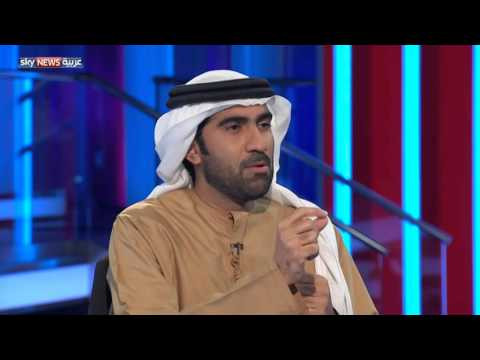 Gulf Society .. and the Multiplicity of Foreign Cultures Year of publication: 2014 Corporate author: Sky News Arabia This video is a TV program discussing the case of multiculturalism in the Arab Gulf countries. The multiculturalism is brought to the Gulf by foreign workers. There program is having guests discussing the issue. What are the negative and positive effects of foreign cultures on local culture in the countries of the region? What are the ways to preserve the identity and values of society? المجتمع الخليجي.. وتعدد الثقافات الوافدة Year of publication: 2014 Corporate author: Sky News Arabia برنامج تلفزيوني يناقش قضية التعددية الثقافية في دول الخليج العربي، ويتطرق لجلب التعددية الثقافية إلى الخليج من قبل العمال الأجانب. ويستضيف البرنامج مجموعة من الضيوف لمناقشة القضية. ويجاوب على الاسئبة التالية: ما هي الآثار السلبية والإيجابية للثقافات الأجنبية على الثقافة المحلية في دول المنطقة؟ ما هي طرق الحفاظ على هوية المجتمع وقيمه؟لمشاهدة المزيد، يرجى زيارة صفحة البرنامج على الموقع الإلكتروني لسكاي نيوز عربية من خلال الضغط على الرابط التالي:http://www.skynewsarabia.com/web/AlMasaa
 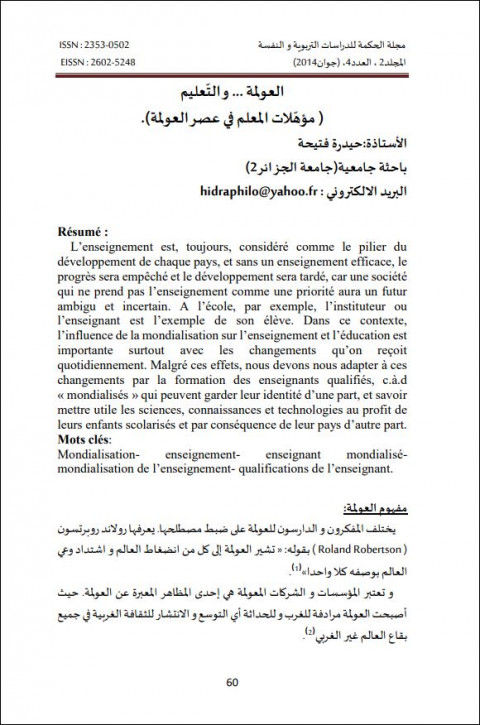 Globalization and Education (Teacher Qualifications in the Era of Globalization) Year of publication: 2014 Author: Haidara Fatiha Education is, always, considered as the pillar of the development of every country, and without effective education, progress will be impeded and development will be delayed. This is because a society that does not take education as a priority will have an ambiguous future. In school, for example, the teacher is the model for his students. In this context, the influence of globalization on teaching and education is important especially with the changes that we receive daily. Despite these effects, we must adapt to these changes by training qualified teachers, ie "globalized" teachers who can keep their identity on the one hand, and know how to use science, knowledge and technology for the benefit of their teachers. children in school and consequently from their country on the other hand. العولمة ... و التّعليم ( مؤهّلات المعلم في عصر العولمة) Year of publication: 2014 Author: Haidara Fatiha يعتبر التعليم دائمًا ركيزة التنمية في كل بلد ، وبدون تعليم فعال ، سيتم إعاقة التقدم وستتأخر التنمية. هذا لأن المجتمع الذي لا يأخذ التعليم كأولوية سيكون له مستقبل غامض. في المدرسة ، على سبيل المثال ، المعلم هو نموذج لطلابه. في هذا السياق ، فإن تأثير العولمة على التدريس والتعليم مهم خاصة مع التغييرات التي نتلقاها يوميًا. على الرغم من هذه التأثيرات ، يجب أن نتكيف مع هذه التغييرات من خلال تدريب المعلمين المؤهلين ، أي المعلمين "المعولمين" الذين يمكنهم الحفاظ على هويتهم من ناحية ، ومعرفة كيفية استخدام العلم والمعرفة والتكنولوجيا لصالح معلميهم. الأطفال في المدرسة وبالتالي من بلدهم من ناحية أخرى.
 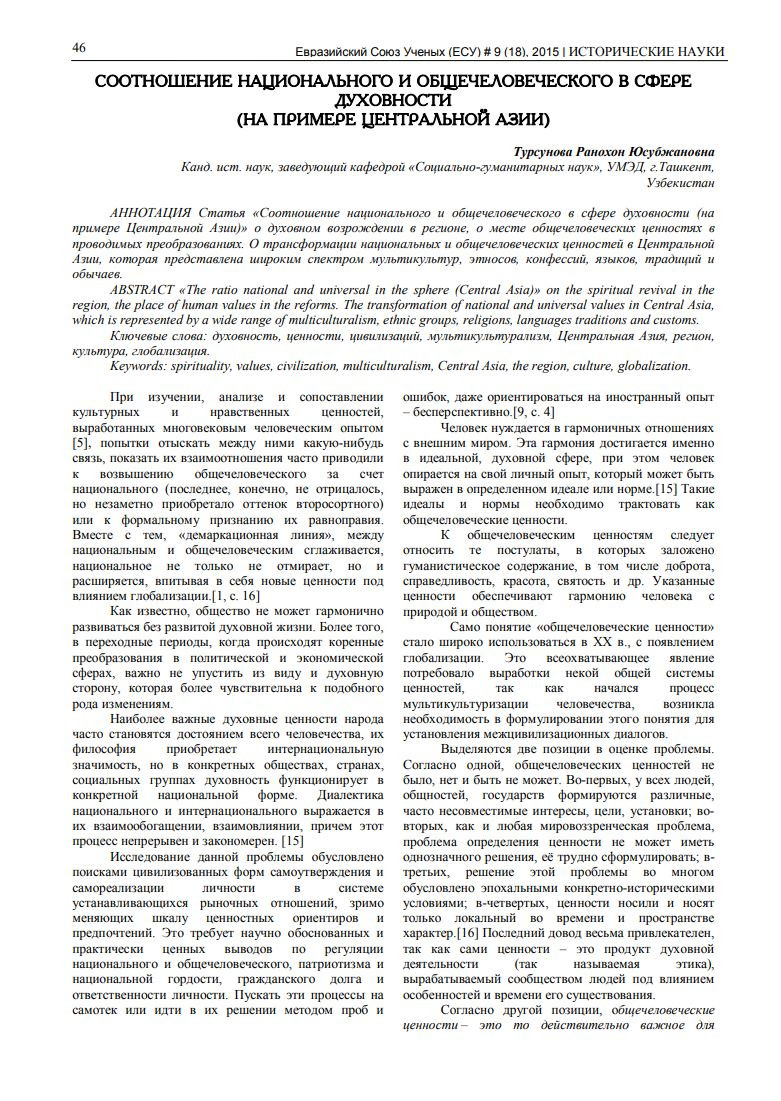 The Ratio of the National and Universal in the Sphere of Spirituality (on the example of Central Asia) Year of publication: 2015 Author: Ranokhon Tursunova The ratio national and universal in the sphere (Central Asia)» on the spiritual revival in the region, the place of human values in the reforms. The transformation of national and universal values in Central Asia, which is represented by a wide range of multiculturalism, ethnic groups, religions, languages traditions and customs. Соотношение национального и общечеловеческого в сфере духовности (на примере Центральной Азии) Year of publication: 2015 Author: Ranokhon Tursunova Статья «Соотношение национального и общечеловеческого в сфере духовности (на примере Центральной Азии)» о духовном возрождении в регионе, о месте общечеловеческих ценностях в проводимых преобразованиях. О трансформации национальных и общечеловеческих ценностей в Центральной Азии, которая представлена широким спектром мультикультур, этносов, конфессий, языков, традиций и обычаев.