
Resources
Explore a wide range of valuable resources on GCED to deepen your understanding and enhance your research, advocacy, teaching, and learning.
49 Results found
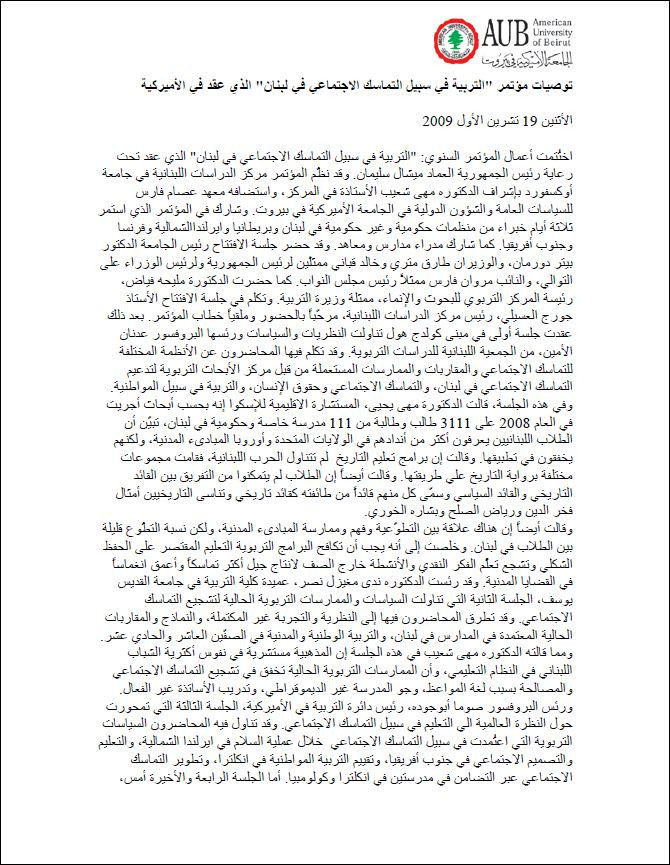 توصيات مؤتمر " التربية في سبيل التماسك الاجتماعي في لبنان " Year of publication: 2009 Corporate author: American University of Beirut الملف عبارة عن التوصيات التي خرج بها مؤتمر "التربية والتماسك الاجتماعي في لبنان"، والذي أقيم بالجامعة الامريكية في بيروت. التوصيات تتعاطى مع تحديات التماسك الاجتماعي في لبنان باختلاف طوائفه ومكوناته العرقية. أستمر هذا المؤتمر ثلاث أيام وحضرها مجموعة من المشاركين من لبنان وخارجه. Recommendations of the Conference on "Education for Social Cohesion in Lebanon" Year of publication: 2009 Corporate author: American University of Beirut The file is a summary of the recommendations that came out of the "Education and Social Cohesion in Lebanon" conference, which was held at the American University in Beirut. The recommendations deal with the challenges of social cohesion in Lebanon with its different sects and ethnic components. This conference lasted for three days and was attended by a group of participants from Lebanon and abroad.
  إعداد المعلم العربي للألفية الثالثة : تحديات واتجاهات Year of publication: 2007 Author: جرار، سمير Corporate author: Lebanese Association for Educational Studies (LAES) يستعرض البحث التحديات والتوجهات الخاصة بالإعداد المستقبلي للمعلمين في الدول العربية والحاجة إلى تمهين التعليم مع المحافظة على نوعيته وجودته في عصر المعلومات ومجتمع المعرفة. وبعد الحديث عن مسيرة إعداد المعلمين في البلدان العربية وتدريبهم يدعو الباحث إلى إعادة النظر في عملية الإعداد بحيث تتوافق مع الرؤية الجديدة للتعلم ولوظيفة المعلم في آن واحد، كما يدعو إلى تعزيز الشراكة بين كليات التربية وبين المدارس المتعاونة معها للقيام بمهمة الإعداد. ويشدد البحث على أهمية اعتماد قواعد جديدة لاختيار المرشحين لدخول مهنة التعليم مع السعي لتجديد برامج إعداد المعلمين في المستوى الجامعي بصورة مستمرة وتشجيع التعليم الذاتي للطالب المعلم. ويبرز البحث كذلك أهمية اعتماد إجراءات أصبحت شائعة في البلدان المتقدمة مثل الترخيص لممارسة مهنة التعليم، وإجازة برامج الإعداد، ومعايير الترقي المهني للمعلمين، ويدعو أخيراً إلى إنشاء مركز متخصص بالبحث في تقنيات التعلم والتعليم وكيفية تكوين المعلم العربي الجديد. Preparing Arab Teachers for the 3rd Millennium: Trends & Challenges Year of publication: 2007 Author: جرار، سمير Corporate author: Lebanese Association for Educational Studies (LAES) The chapter outlines the challenges and trends in teacher preparation in Arab states. The need is to improve instruction and raise its quality in the knowledge-based societies. After discussing the history of teacher preparation in Arab countries, the author advocates a re-examination of the training process, so that it conforms to new visions of education and the ever changing role of the teacher. He also advocates partnerships between Faculties of Education and schools, so that they can carry out the task of preparation. The chapter stresses the importance of adopting new criteria for accepting newcomers to the teaching profession; seeking to renew teacher training programs at the university level on a continuing basis. The author highlights the importance of adopting measures that have become common, such as teacher certification and program accreditation, training programs and promotion and setting standards for teachers. Finally, it calls for establishing a research center specialized in teaching and instructional methods. The center will produce professional models for preparing teachers.
  التعليم المسؤول للتاريخ كوسيلة للمصالحة التاريخية؟ : تجربة الرابطة الأوروبية لمعلمي التاريخ: هل تصلح كدراسة حالة؟ Year of publication: 2012 Author: فان دير لييو-رورد، يوكي Corporate author: Lebanese Association for Educational Studies (LAES) يكتب العديد من الباحثين الجامعيين المختصين بنظرية التاريخ وتعليم التاريخ عن المصالحة من خلال تعلّم التاريخ وتعليمه. ولكن تكاد لا توجد معلومات أمبيريقية عن تطبيقات عملية لمقاربات من هذا النوع ولا عن مسار وضعها قيد التنفيذ. أود في هذه المساهمة ان القي نظرة عن قرب على أساليب عمل يوروكليو EUROCLIO (الرابطة الأوروبية لمعلمي التاريخ) في البلدان التي توجد داخلها توترات سياسية وعرقية ودينية مثل بلغاريا واستونيا ولاتفيا ومولدوفا ورومانيا وروسيا وأوكرانيا وتركيا وفي البلدان والمناطق التي تعرضت حديثا لصراعات عنيفة مثل البوسنة وكرواتيا وقبرص وجورجيا وجمهورية مقدونيا وصربيا. ومن ثم أود أن أطرح السؤال حول عمل يوروكليو EUROCLIO وأستطلع ما يصح ان يكون مثلا عن المصالحة من خلال تعليم التاريخ وما اذا مقاربتها تنشئ تعليما وتعلما للتاريخ يكون داعما لكيانات سياسية مستدامة. Responsible History as a Tool for Historical Reconciliation? EUROCLIO, the European Association of History Educators as a Case Study? Year of publication: 2012 Author: فان دير لييو-رورد، يوكي Corporate author: Lebanese Association for Educational Studies (LAES) Many university researchers specialized in the theory of history and in teaching history write about reconciliation using history learning and teaching. However, there are almost no empirical data on practical applications of such approaches nor on the process of implementation. In this contribution. I’d like to have a close look at the working methods of the European Association of History Educators EUROCLIO, in countries with internal political, racial and religious tensions, such as Bulgaria, Estonia, Latvia, Moldovia, Romania, Russia, Ukraine, Turkey and in the countries and regions that were recently exposed to severe conflicts such as Bosnia, Croatia, Cyprus, Georgia, Republic of Macedonia and Serbia. Then I’d want to ask the question about how EUROCLIO functions and explore what applies to be an example of reconciliation through teaching history, and whether the reconciliation approach creates a history teaching and learning that would be supportive of sustainable political entities.
 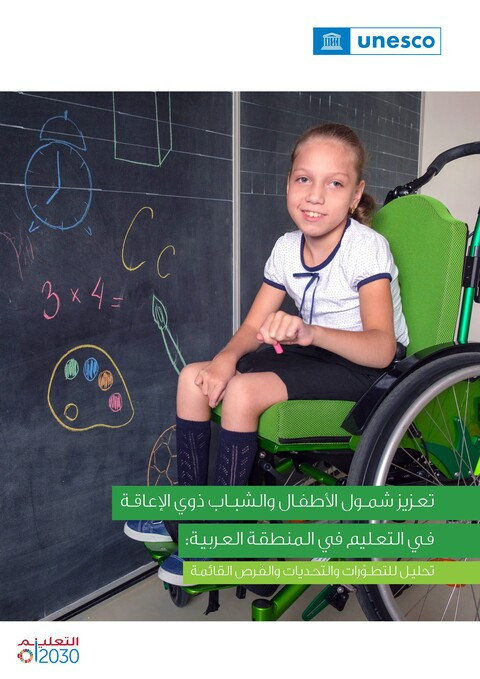 تعزيز شمول الأطفال والشباب ذوي الإعاقة في التعليم في المنطقة العربية: تحليل للتطوّرات والتحديات والفرص القائمة Year of publication: 2022 Author: Maha Khochen-Bagshaw Corporate author: UNESCO Beirut أعد هذا التقرير مكتب اليونسكو الإقليمي للتربية في الدول العربية في إطار برنامج الأمير سلطان بن عبد العزيز آل سعود لتعزيز اللغة العربية. ويقدم التقرير تحليلاً للتعليم الشامل في البلدان العربية بهدف صياغة توصيات مستقبلية.ورغم أنّ التقرير يركز تحديدًا على الأشخاص ذوي الإعاقة، فهو يقرّ أنّ فئات أخرى من المتعلمين تعاني من التهميش ولا تستطيع الانتفاع من الفرص التعليمية. ويتناول العوائق والتحديات التي تحول دون الشمول، ويتطرق إلى التقدم المحرز والتقدم اللازم تحقيقه ليصبح التعليم الجيد الشامل واقعًا في المنطقة العربية. ويؤكد التقرير ضرورة التعاون المنظم والمنهجي بين المعلمين والمدارس والمجتمع التعليمي. ويدعو الحكومات إلى تنفيذ تدابير فورية لإسناد المسؤوليات المرتبطة بالمتعلمين ذوي الإعاقة إلى وزارة التربية والتعليم، ويحثها على تخصيص التمويل الكافي لوضع خطط فعالة وقابلة للتنفيذ وحشد الالتزام الوطني بالتعليم الشامل للجميع. Promoting the Inclusion of Children and Young People with Disabilities in Education in the Arab Region: An Analysis of Existing Developments, Challenges and Opportunities Year of publication: 2022 Author: Maha Khochen-Bagshaw Corporate author: UNESCO Beirut This report was prepared by the UNESCO Regional Office for Education in the Arab Countries within the framework of the Prince Sultan bin Abdulaziz Al Saud Program to Promote the Arabic Language. The report provides an analysis of inclusive education in Arab countries with the aim of formulating future recommendations, although the report focuses specifically on persons with disability. It acknowledges that other categories of learners suffer from marginalization and are unable to benefit from educational opportunities. It addresses the obstacles and challenges that prevent inclusion, and addresses the progress made and the progress needed to make comprehensive quality education a reality in the Arab region. The report stresses the need for organized and systematic cooperation between teachers, schools and the educational community. It calls on governments to implement immediate measures to assign responsibilities related to learners with disabilities to the Ministry of Education, and urges them to allocate adequate funding to develop effective and implementable plans and mobilize national commitment to inclusive education for all. Promouvoir l’inclusion des enfants et des jeunes handicapés dans l’éducation dans la région arabe: une analyse des développements, défis et opportunités actuels Year of publication: 2022 Author: Maha Khochen-Bagshaw Corporate author: UNESCO Beirut Ce rapport a été préparé par le Bureau régional de l'UNESCO pour l'éducation dans les pays arabes dans le cadre du programme du Prince Sultan ben Abdulaziz Al Saud pour promouvoir la langue arabe. Le rapport fournit une analyse de l'éducation inclusive dans les pays arabes dans le but de formuler des recommandations futures, bien qu'il se concentre spécifiquement sur les personnes en situation de handicap. Il reconnaît que d'autres catégories d'apprenants souffrent de marginalisation et ne peuvent pas bénéficier des opportunités éducatives. Il aborde les obstacles et défis qui empêchent l'inclusion, ainsi que les progrès réalisés et ceux nécessaires pour faire de l'éducation de qualité une réalité dans la région arabe. Le rapport souligne la nécessité d'une coopération organisée et systématique entre les enseignants, les écoles et la communauté éducative. Il appelle les gouvernements à mettre en œuvre des mesures immédiates pour assigner les responsabilités liées aux apprenants en situation de handicap au ministère de l'Éducation, et les exhorte à allouer un financement adéquat pour développer des plans efficaces et réalisables et mobiliser l'engagement national en faveur de l'éducation inclusive pour tous.
  دليل إدماج مبادئ العدالة الاجتماعية في السياسات الإنمائية Year of publication: 2020 Corporate author: UN. Economic and Social Commission for Western Asia (UN. ESCWA) هدف الدليل إلى تعزيز قدرات المسؤولين عن صياغة السياسات والخطط في الدول الأعضاء في إدماج مفاهيم ومبادئ العدالة الاجتماعية في السياسات والخطط والبرامج الإنمائية الوطنية، وإلى تحسين المعرفة حول العلاقة المركزية بين العدالة الاجتماعية وتنفيذ خطة التنمية المستدامة لعام 2030 والاتفاقيات العالمية الحديثة ذات الصلة.كما يرمي الدليل إلى توفير أداة لمناقشة أمثلة من السياسات العامة تُعتبر أساسية في تحقيق التنمية المستدامة والحوار حول كيفية صياغتها ضمن مقاربة تراعي مفاهيم العدالة الاجتماعية. ولخدمة هذه الأهداف، يقدم الدليل ملخصاً حول المقاربات والعوامل المعيارية والتقنية التي يجب أن تؤخذ في الاعتبار لضمان تطوير سياسات قائمة على مبادئ العدالة الاجتماعية في مختلف البلدان العربية، على اختلاف قدرات هذه البلدان واحتياجاتها وهياكلها المؤسسية والاقتصادية والاجتماعية والسياسية والثقافية.وينطلق الدليل من المقاربة المفاهيمية للعدالة الاجتماعية التي اعتمدتها الإسكوا والقائمة على مبادئ المساواة والإنصاف وحقوق الإنسان والمشاركة. ويستعرض التدخلات وآليات العمل المؤسسي والعناصر المختلفة التي تعزز الحيّز الذي يراعي مبادئ العدالة الاجتماعية في السياسات العامة. وفي هذا السياق، تعمل الإسكوا على تنظيم دورات تدريبية على المستويين الوطني والإقليمي لبناء قدرات الجهات المعنية على الدليل واستخدامه في عمليات التخطيط.