
Resources
Explore a wide range of valuable resources on GCED to deepen your understanding and enhance your research, advocacy, teaching, and learning.
36 Results found
 Cultural aspects in Christian and Islamic religions Year of publication: 2011 Corporate author: UNESCO Beirut | Université Saint Joseph de Beyrouth This book allows the readers the opportunity to know about the cultural aspects related to religions, mainly in Lebanon and the Near East, their meaning and their aim. This knowledge will help the reader, firstly, to grasp the meaning of these various aspects, whether they concern him directly or the people who live in the same country, with whom he shares common space and living. Secondly, the book contributes to the Lebanese understanding one another’s behaviors and their own behavior concerning these aspects. Therefore, the book also contributes to the Lebanese looking at one another with more trust before starting to criticize. This book includes chapters that cover most of the different cultural aspects in Christian and Islamic religions. The first chapter deals with time, passing through each month of the year and its days, in a chronological manner. The second chapter delves into religious occasions in the Christian then Islamic religions. It explains the meaning of Holidays and remembrances of God and their particular aspects as well as the religious reasons of each. This chapter includes a part about al-‘awliya’ and Saints who are mentioned in some of the Lebanese daily rituals. Chapter three delves into the individual’s life stages from birth to religious vows, to marriage and death. The aspects that go with these stages constitute an important part in the life of the Lebanese. This chapter details the aspects and traditions of all these stages in which people take part, thus creating a common ground in a multi-religious society. Chapter four deals with religious practices, acts of worship, and legal prescriptions. It describes them and deals with their spiritual meaning to individuals who express their faith when practicing them. Prayer, Mass, and Pilgrimage, among others, are religious practices that are detailed in a way to make the reader understand what they mean to those who perform them. Chapter five leads us into religious places and their meaning, from churches to mosques and monasteries, khalwat and husayniyyat, all of which have different and divergent meanings to visitors. Yet, they all show the importance given by man to the place when expressing his faith and his relation with the Creator. Chapter six takes us to religious habits and customs, such as the clothes worn by religious dignitaries, their symbolism and meaning. It also deals with some general habits and customs. The reader may find that some chapters overlap. In fact, we have tried to make each part related to the others yet independent from them. This method facilitates the reading and understanding of any subject on its own without the need to refer to prior or subsequent parts. Finally, those who had any – minor or major – contribution in this book – despite the lacks that some readers might see – hope that they have offered a useful work in the process of discovering others who are different and who hold rich traditions as well human and spiritual values.
 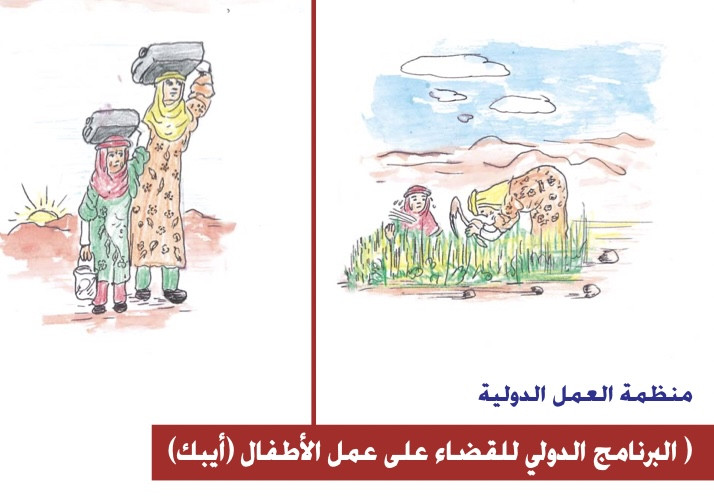 المساواة بين الجنسين وعمل الأطفال: أداة تربوية للمدربين والمدربات Year of publication: 2006 Author: Anita Amorim | UnaMurray | Ségolène Samouiller | Sandhya Badrinath Corporate author: International Labour Organization (ILO) إن القضاء على عمل الأطفال وترويج المساواة بين الفتيان والفتيات، الرجال والنساء، مساران متلازمان. وقد صُممت الأداة التربوية هذه لإظهار ضرورة تبنّي مفهوم النوع الاجتماعي من أجل فهم تعقيد ظاهرة عمل الفتيات والفتيان وإبراز تأثير النوع الاجتماعي على خيارات الأطفال، سواء فيما يتعلق بفرص العمل أو بالموارد المالية المتوفرة والمختلفة بالنسبة للفتيان والفتيات.وتهدف الأداة التربوية هذه إلى مساعدة المدربين والمدربات في اليمن على تحفيز الوعي لدى الصغار، وبخاصة المراهقين منهم، وعلى إفهامهم عمل الأطفال والمساواة بين الجنسين. فهي تستند إلى مبدأ أساسي قائلا إن للمراهقين دورا مهما يلعبونه من خلال تقوية وعيهم بقضايا العدالة الاجتماعية وعبر تأثيرهم في الوقت عينه على مجتمعهم بغية إحداث تغيير إيجابي فيه. فبواسطة تحميل الفتيات والفتيان المسؤوليات والاعتراف بقيمة مساهماتهم، نأمل أن نسخّر الثراء الإبداعي والالتزام الموجودين لدى المراهقين لمكافحة عمل الأطفال وترويج المساواة بين الجنسين. Gender Equality and Child Labour: A Participatory Tool for Facilitators Year of publication: 2006 Author: Anita Amorim | UnaMurray | Ségolène Samouiller | Sandhya Badrinath Corporate author: International Labour Organization (ILO) Ending child labor and promoting equality between boys and girls, men and women, go hand in hand. This educational tool is designed to demonstrate the necessity of adopting the concept of gender in order to understand the complexity of the phenomenon of girls and boys work and to highlight the impact of gender on children's choices, both with regard to job opportunities and the financial resources available and different for boys and girls.This educational tool aims to help male and female trainers in Yemen to raise awareness among young people, especially adolescents, and to understand child labor and gender equality. It is based on the basic principle that adolescents have an important role to play by strengthening their awareness of social justice issues and at the same time influencing their society in order to bring about positive change in it. By holding girls and boys accountable and recognizing the value of their contributions, we hope to harness the creative richness and commitment of adolescents to combat child labor and promote gender equality.
  تقييم معرفة القراءة والكتابة والمهارات الحياتية لدى الشباب السوري (2021) : تقرير موجز Year of publication: 2022 Corporate author: UNESCO Beirut تسببت الأزمة السورية في حدوث اضطرابات في تعليم الأطفال والشباب لأكثر من عقد. لقد أضاف جائحة COVID-19 ، مع إغلاق المدارس ذات الصلة ، عبئًا إضافيًا على الوضع الحالي ، مما أثر على نتائج التعلم في جميع أنحاء العالم. إن تقييم حالة كفاءات الشباب السوري في محو الأمية والحساب والمهارات الحياتية أمر ضروري لتخطيط وتنفيذ برامج أفضل لمساعدتهم على تعويض خسائرهم التعليمية. الهدف النهائي هو دعمهم ليكونوا قادرين على العودة إلى مسارات التعليم الرئيسية أو تزويدهم بالمهارات الأساسية للتعامل مع الاحتياجات اليومية في بيئاتهم الشخصية والمهنية.تقيس دراسة "تقييم معرفة القراءة والكتابة والمهارات الحياتية للشباب السوري" (LLASY) المستويات الحالية لمحو الأمية والحساب ، بالإضافة إلى المهارات الحياتية لشباب سوريا الذين تتراوح أعمارهم بين 15 و 24 عامًا والذين يعيشون حاليًا داخل البلاد. وتشمل العينة الشباب ، والشابات ، والذكور ، الملتحقين بمؤسسات تعليمية أو تدريبية ، ومن هم خارجها. Literacy and Life Skills Assessment of Syrian Youth (2021): Summary Report Year of publication: 2022 Corporate author: UNESCO Beirut The Syrian crisis has caused disruptions to children’s and youth’s education for over a decade. The COVID-19 pandemic, with the related school closures, has added an additional burden to the existing situation, impacting learning outcomes worldwide. Assessing the status of Syrian youth’s competencies in literacy, numeracy and life skills, is essential in order to plan and implement better programmes to help them catch up on their learning losses. The ultimate goal is to support them to be able to go back into the main education streams or provide them with basic skills to cope with daily needs in their personal and professional environments.The ‘Literacy and Life Skills Assessment of Syrian Youth’ (LLASY) study measures current literacy and numeracy levels, as well as life skills of the youth of Syria of the 15 to 24 age group currently living inside the country. The sample includes youth, female and male, who are enrolled in educational or training institutions, as well as those who are out of them.
  تعزيز التربية على المواطنة العالمية في الجامعات العربية: لمحة إقليمية Year of publication: 2022 Corporate author: UNESCO Beirut لفهم حالة التربية على المواطنة العالمية في الجامعات العربية، قامت اليونسكو بتكليف دراسة لتحليل ما يلي:. ما إذا كانت التربية على المواطنة العالمية منصوص عليها في سياسات الجامعات، ورؤياها، ورسالتها، وقيمها، وأهدافها،وأهدافها االستراتيجية، وخططها؛م التربية على المواطنة العالمية.ُّ. ّ ما إذا كان الطالب يرون أن ّ جامعتهم تطور نتائج تعلوتحلل الدراسة التي أجرتها اليونسكو في عام 2021 الوثائق االستراتيجية لـ 34 جامعة في 17 ً بلدا في المنطقة العربية. وأجرياستطالع على 336 ً طالب ُ ا وطالبة في سلطنة عمان بشكل أساسي وفي جامعات أخرى في المنطقة العربية. Promoting Global Citizenship Education in Arab Universities: A Regional Outlook Year of publication: 2022 Corporate author: UNESCO Beirut To better understand the situation of GCED in Arab universities, UNESCO commissioned a study to analyse: 1. If GCED is enshrined in their policies, visions, missions, values, objectives, and strategic goals and plans; 2. If students perceive that their universities are developing the learning outcomes of GCED.The study, carried out by UNESCO in 2021, analysed the strategic documents and plans of 34 universities from 17 countries in the Arab region. A survey was also administered to 336 students, primarily in Oman but also including students at several other universities in the Arab region.
  نحو طريقة تعليمية جديدة في تعليم التاريخ Year of publication: 2012 Corporate author: International College تنطلق هذه المداخلة من أن تعليم مادة التاريخ له أهداف أبعد من بناء ذاكرة جماعية. فالتربية في إطارها الواسع تهدف إلى بناء المواطنية والى تحضير المتعلّم للعيش والاندماج والتفاعل مع الغير والتكيّف في عالم سريع التغيّر وكثير التحديات. كثيرون من طلابنا يقولون إن التاريخ لا معنى له بالنسبة لهم وأن صفوف التاريخ لا تحثّهم على التفكير أو إبداء الرأي ولا تعطيهم الفرصة لتطوير الذات. ما تطرحه هذه الدراسة هو طريقة تعليمية جديدة ناشطة تساهم في جعل تدريس التاريخ أكثر جاذبية وقبولاً من قبل المتعلّمين، كما تعزّز دور "صف التاريخ" لتجعله شريكاً في بناء المهارات وتحفيز القدرات الأساسية عند المتعلّمين. وكلّ ذلك يصب في تأهيل مواطن قادر على التفكير النقدي والمبادرة والتحلي بالمسؤولية والتعاون والعمل بايجابية ضمن مجتمعه والتعلّم مدى الحياة. انطلاقا من تجربة ميدانية، جاءت هذه المداخلة لعرض طريقة جديدة متكاملة تجعل من تعليم التاريخ مدخلاً إلى بناء المواطنية بما تشترطه من مهارات وقدرات علينا أن ننمّيها عند المتعلّم حتى يصبح مواطناً قادراً على التفاعل والاندماج في عالم سريع التطوّر وكثير التحديات. تعرض المداخلة باختصار لثلاث نظريات أخذت حيزاً مهمّا من البحث التربوي وكان لها الأثر الكبير في التغيرات التي طالت العملية التعليمية–التعلمية في العقدين الأخيرين: التعلّم القائم على الدماغ، التعلّم البنائي، والتعلّم القائم على المشكلة. نركّز على هذه النظريات لأنها تشكل الأساس لطريقة التعليم التي نقترحها والتي بنيت أسسها انطلاقاً من هذه النظريات الثلاث. إن الطريقة التدريسية المقترحة في هذه الدراسة هي واحدة في سلّة واسعة من الطرائق التدريسية التي يمكن أن نتبعها في تدريسنا لمادة التاريخ ومن خلال هذه المداخلة نحاول أن نظهر جدواها وانعكاساتها على تعليم التاريخ عامّة. فلا بدّ لنا اليوم ونحن نخطط لمناهج جديدة أن نضع القرن الحادي والعشرين أمام أعيننا وننطلق منه لتعليم الماضي وليس العكس. Towards a New Methodology for Teaching History Year of publication: 2012 Corporate author: International College This paper rests on the idea that the teaching of history has goals beyond that of building a collective memory and that education, in its broader context, aims at building citizenship and preparing the learner to live, integrate within a community, interact with others and adapt to a challenging to a rapidly changing world. Many of our students say that History makes no sense to them. They complain that, in history classes, they are not urged to think actively or to form opinions and that they are not given the chance to self-development. This paper proposes a new active methodology that renders the teaching of History more attractive to students and better received by them. It enhances the role of the “History class” as a partner in building learners’ skills and stimulating fundamental dispositions. The goal is to nurture a responsible citizen capable of critical thinking, taking initiatives, collaboration, working positively within one’s community, and is a life-long learner. Based on hands-on activities, this paper suggests a comprehensive model of instruction that transforms the History classroom into a gateway for building citizenship by equipping the learner with the necessary skills and dispositions. This methodology is based on three theories that had a great impact on the teaching – learning process in the last two decades: Brain-based learning, constructivism, and problem-based learning. Hence, these theories are briefly presented. Seen as one of many possible teaching methodologies in a History classroom, this model is presented and its impact on the teaching of History is highlighted. As we plan for a new History curriculum in Lebanon, it is crucial that we look ahead to the 21st century instead of looking back.
  تعليم التاريخ الاقتصادي والاجتماعي اللبناني والمشرقي : مساهمة في إرساء وحدة مجتمعية تقر بالتنوع وتثمنه: تجارب شخصية Year of publication: 2012 Author: لبكي، بطرس Corporate author: Lebanese Association for Educational Studies (LAES) إنّ تعليم التاريخ الاقتصادي والاجتماعي اللبناني والمشرقي يسهم في تبريد الاحتقان الطائفي في أذهان الدارسين وتنقية التصورات المسبقة الشائعة. والاقتصاد يربط كل الناس: البيع والشراء والإنتاج وتوزيع الثروة مهما كانت دياناتهم وانتماءاتهم الدينية والإتنية على ارض معينة هي عمليات يتعاون فيها الجميع. التاريخ الاقتصادي والاجتماعي: يريك تنظيم المجتمع اقتصادياً وسياسياً، في الريف (نظام المقاطعجية والولاة والسلطان)، في المدن: نظام الطوائف المهنية (corporations) وشيوخ الطوائف المهنية وأن تعليم التاريخ الاقتصادي والاجتماعي اللبناني والمشرقي يساهم في إرساء وحدة مجتمعية تقبل بالتنوع وتثمنه: 1) لأن هذا الجانب من التاريخ يسلط الضوء على التعاون المديد بين الأهالي مهما كانت انتماءاتهم الدينية والإثنية والقبلية في إنتاج وتوزيع واستعمال الثروة. ويسلط الضوء على تنظيم هذه العمليات في المجتمع وعلاقتها بالنظام السياسي. وهذا الجانب من التاريخ يشير إلى أن فترات الصراعات بين الطوائف كانت وجيزة وفترات العيش المشترك السلمي كانت القاعدة، 2) لأن هذا الجانب من التاريخ يسلط الضوء على وحدة الثقافة وتنوعها في كل المجالات، ومعايشة السكان "للوحدة - التنوع": المتأتي من الأديان، أو من اللغات، أو من المناطق أو من التنظيم المجتمعي: (طوائف مهنية، في المدن، عشائر في الأرياف)، أو من تأثير ثقافات مجاورة: تركية، فارسية، يونانية، هندية. ويسمح لنا أن نرى كيف كان جدودنا يعيشون هذا التنوع ضمن وحدة الثقافة العربية المشرقية.