
Resources
Explore a wide range of valuable resources on GCED to deepen your understanding and enhance your research, advocacy, teaching, and learning.
328 Results found
 유네스코 유산, 평화를 품다 Year of publication: 2024 Author: 장정아 | 김민성 | 김수진 | 김원호 | 안치영 | 오성희 | 오창현 | 이성영 | 이현경 | 전원희 Corporate author: 유네스코한국위원회 이 책은 유네스코 등재유산을 연구해온 학자, 유네스코학교 담당 교사 등 10명의 연구진이 오랜 기간동안 고심해서 만들어낸 결과물로 각종 유네스코 등재유산에 대한 정보를 '평화, 문화다양성, 지속가능성' 등의 키워드를 중심으로 이들 유산이 갖는 의미들을 담아내고자 하였다. 또한 다양한 사례를 중심으로 학교 현장에서 참여형 수업을 통해 손쉽게 활용할 수 있도록 내용을 구성했으며 이 책을 기반으로 국내 중/고등 유네스코학교에서 시범수업을 실시하는 한편 2024년부터는 교사들이 활용할 수 있도록 교원연수용 온라인 콘텐츠를 제공할 예정이다.
 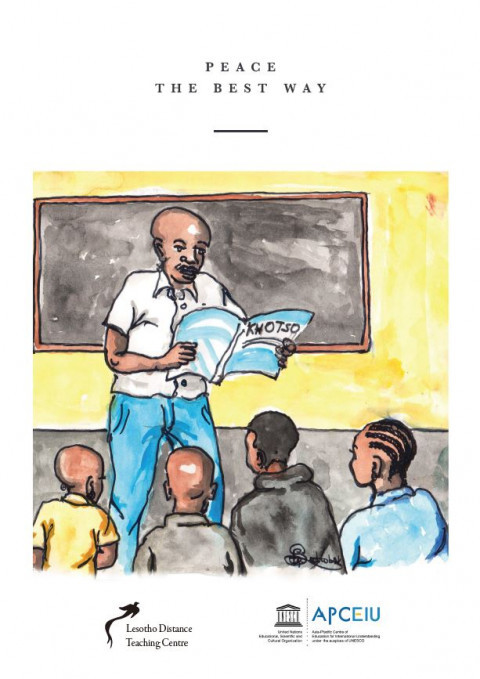 Peace the Best Way Year of publication: 2017 Corporate author: Lesotho Distance Teaching Centre (LDTC) The storybook titled “Peace, the Best Way (Ngoan’a Khotso Ha a Lebale Tsa Khotso)” is an end-product of Workshop in Lesotho on GCED: Teacher Training on Peace Education & GCED Learning Material Development held between 12 and 14 of July 2017. During the workshop, participants created learning materials on peace and conflict transformation based on what they have learned throughout the sessions.The authors share their stories of conflicts that they encounter in their everyday lives and further identify ways of managing and resolving the conflicts in a peaceful manner to let everyone live in harmony. They hope to instill the importance of peace not only to the adults reading the book, but also to the younger generation who learn from their parents and adults of the community.The book published in English as well as Sesotho, will be used as teaching and learning resources for learners and also be disseminated to public locations including schools, community centers and libraries.For more information on the Workshop, Please click here.
 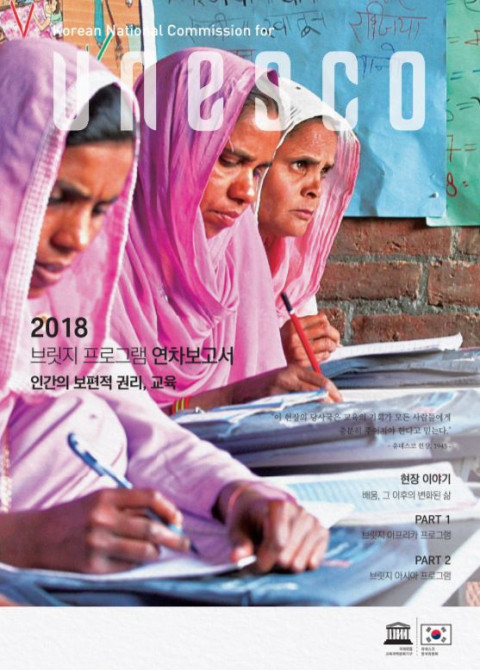 2018-2019 브릿지 프로그램 연차보고서 Year of publication: 2019 Corporate author: 유네스코한국위원회 국제사회는 지속가능발전목표 4번(SDG4)를 통해 2030년까지 모든 이들에게 포용적이고 공평한 양질의 교육을 보장하고, 평생학습의 기회가 증진되도록 노력하자는 교육 기치를 내세웠다.특히 SDG4는 아동의 초등교육 강화에 중심을 둔 '새천년개발목표' 2번(MDG2)과 모든 연령대의 기초교육에 초점을 둔 '모두를위한교육'(EFA)의 미완의 목표를 포괄함은 물론, 기초교육 이후의 교육(중등, 고등) 및 훈련(직업,기술)을 평생학습 차원에서 촉진함으로써 교육의 보편성을 강조하고 있다. 유네스코한국위원회의 브릿지 사업은 이러한 국제사회의 노력에 동참하며, 교육의 보편적 기본권이 확산될 수 있도록 돕기 위해, 전 세계적으로 교육 소외자가 집중되어 있는 사하라 이남 아프리카 지역과 남아시아 지역의 모든 연련대 교육 소외자들을 대상으로 교육권 강화에 이바지하고 있다. 브릿지 사업은 나이, 성별, 종교 그리고 사회적 배경으로 인해 공교육으로부터 배제된 이들이 교육을 받음으로써 자존감을 회복하고 삶의 질을 향상시킬 수 있게 도우며, 이러한 개인의 성장만이 궁극적으로 지역사회의 변화와 발전으로 이어진다는 확신을 갖고 있다.이 보고서에서는 브릿지 아프리카 프로그램, 브릿지 아시아 프로그램과 국별 프로젝트 및 성과를 확인할 수 있다.
  The Mandate of UNESCO for Peace in the era of 「The Rise of Exclusionism」 Year of publication: 2019 Author: 한경구 | 유성상 | 성지은 | 조동준 | 강인욱 | 김성해 | 루츠 묄러 | 최동주 Corporate author: 대한민국 외교부 | Korean National Commission for UNESCO Multilateralism has gradually been losing ground in the international community recently, owing to rapid changes in ideology, exemplified by the America First policy, Brexit, and the rise of many right wing parties. The growth of such ideologies in the hearts and minds of people, implies that diplomacy, a form of high politics between government bureaucrats, is no longer sufficient to guard the current order.To respond to this challenge, the United Nations, the greatest symbol of postwar multilateralism, has set the reaffirmation of the UN‟s values worldwide as one of its priorities for 2019. UNESCO has a leading role to play in leading this effort, as the UN specialist organization mandated to build the defenses of peace in the minds of men and women through intellectual cooperation in the field of education, science, and culture. The aim of this session is to discuss various ways in which UNESCO can help to heal the divisions in people‟s thinking and contribute to peace-building in the current global context. 배타주의 확산 시대에 있어 평화를 향한 유네스코의 역할 (2019 제주포럼 유네스코 세션) Year of publication: 2019 Author: 한경구 | 유성상 | 성지은 | 조동준 | 강인욱 | 김성해 | 루츠 묄러 | 최동주 Corporate author: 대한민국 외교부 | 유네스코한국위원회 최근 국제사회는 미국우선주의, 브렉시트, 극우정당의 부상 등 여러 급격한 변화로 인해 2 차 대전 이후 70 여 년간 다져온 다자주의 기반을 조금씩 잃어가고 있다. 사람들의 마음속에서부터 시작되는 이러한 현상은 국가 간 외교라는 „상위정치‟만으로는 다자주의를 지키기 힘든 시대가 왔음을 의미하기도 한다. 이러한 가운데 현 다자주의 체제의 상징인 UN 은 금년 중점과제 중 하나로 “전세계적인 UN 가치 강화”를 내걸었다. UN 기구 중 교육과학문화의 지적 협력을 통해 인간의 마음에 평화의 방벽을 세우는 것을 사명으로 하는 UNESCO 를 통해 인류의 마음 속 갈등과 분열을 치유하고 평화로 나아가기 위한 여러 구체적인 방안을 고민해보고자 한다.
  한국교육과 SDG4-교육2030 Year of publication: 2018 Author: 김광호 Corporate author: 유네스코한국위원회 영유아 교육부터 성인교육에 이르기까지 교육의 모든 분야를 망라하고 있는 SDG4는 매우 야심 찬 목표다. 세계 각국은 이를 달성하기 위해 여러 논의도 벌이고 교육 정책 에 반영도 하는 등 다각도로 노력하고 있다. 이러한 국제사회의 노력에 비해 국내의 SDG4 관련 움직임은 아직 그리 크지 않은 것 같다. 이에 유네스코한국위원회는 교육부와 함께 한국의 SDG4 달성 현황을 파악하고 앞으로 어떤 과제에 집중해야 하는지 점검하기 위하여 2017년 11월에 ‘제1회 SDG4-교육 2030 포럼: 한국교육과 SDG4-교육 2030’을 개최한 바가 있다. 이 책은 포럼 발표문과 토론문의 저자들이 포럼에서의 논의를 반영하여 수정한 원고를 한데 묶은 것이다. 일차적으로 교육 정책 담당자, 교육 연구자, 교육기관 종사자, 시민단체 활동가를 위한 내용을 담고 있지만, 일반 시민의 SDG4에 대한 관심과 이해를 높이는 데에도 유용할 것이다.
 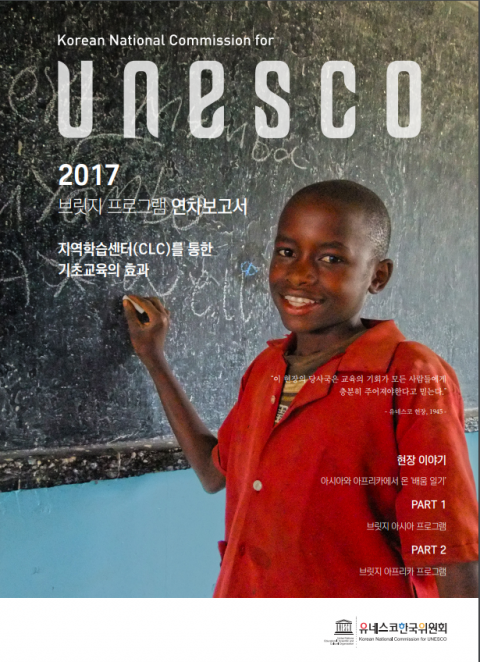 2017-18 브릿지 프로그램 연차보고서 Year of publication: 2018 Corporate author: 유네스코한국위원회 브릿지 프로그램은 유네스코한국위원회가 교육부의 지원과 후원 모금을 통해 남아시아 지역과 사하라 이남 아프리카 지역에 거주하는 비문해자를 포함한 교육소외계층을 대상으로 교육의 기회를 제공하는 사업이다. 이 보고서는 2017년도부터 2018년도 상반기까지 유네스코한국위원회가 아시아 6개국과 아프리카 6개국에서 각국의 정부기관, 시민사회단체 및 유네스코국가위원회 등과 협력하여 추진한 사업들의 세부 활동과 성과를 보여준다. 아울러, 브릿지 프로그램을 통해 삶의 변화를 맞이한 사람들의 이야기도 확인할 수 있다.
 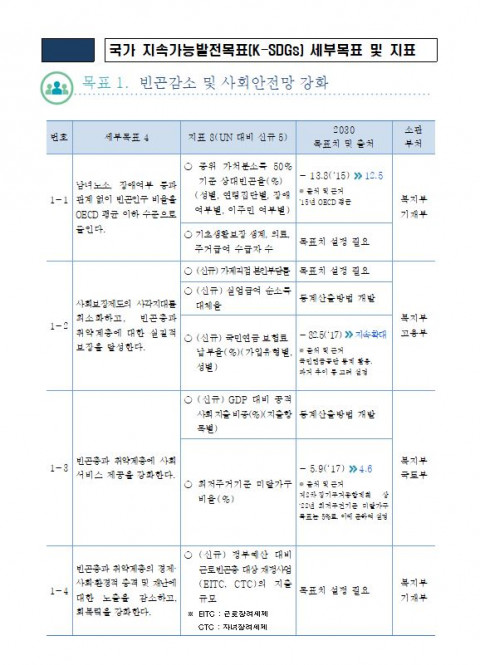 국가 지속가능발전목표(K-SDGs) 세부목표 및 지표 Year of publication: 2019 Corporate author: 대한민국 환경부 지속가능발전위원회 K-SDGs는 국제적 정세에 대응하여 수립한 한국형 SDGs이며, 경제, 사회, 환경 등 국정 전 분야를 아울러 대한민국이 가야 할 2030년까지 이정표를 설정한 것이다.K-SDGs는 기존에 행정부처에서 각종 정책 및 계획 등을 먼저 수립한 후 관계 전문가와 국민 의견을 수렴하는 하향식(Top-down) 방식과는 다른 상향식(Bottom-up) 방식으로 추진되었다. 초안을 마련하는 단계부터 192명의 민간 작업반이 참여하여 우리 사회의 지속가능성을 위해 요구되는 사항들을 반영한 세부목표, 지표체계(안)를 마련했다.이에 대해 환경부는 90개 이상의 기관과 단체가 포함된 이해관계자그룹(K-MGoS, Korea Major Groups and other Stakeholders)의 운영과 두 차례에 걸친 국민 대토론회 개최 등을 통한 국민 의견 수렴 후 그 결과를 관계부처와 협의하여 확정했다. 또한, 향후 K-SDGs의 이행과 보완 과정에서도 이해관계자그룹 등 국민 협치(거버넌스) 체계를 계속 유지할 계획이다.
  [Video] 국가 지속가능발전목표(K-SDGs) Year of publication: 2019 Corporate author: 대한민국 환경부 K-SDGs는 국제적 정세에 대응하여 수립한 한국형 SDGs이며, 경제, 사회, 환경 등 국정 전분야를 아울러 대한민국이 가야할 2030년까지 이정표를 설정한 것이다.K-SDGs는 기존에 행정부처에서 각종 정책 및 계획 등을 먼저 수립한 후 관계 전문가와 국민의견을 수렴하는 하향식(Top-down) 방식과는 다른 상향식(Bottom-up) 방식으로 추진되었다. 초안을 마련하는 단계부터 192명의 민간 작업반이 참여하여 우리 사회의 지속가능성을 위해 요구되는 사항들을 반영한 세부목표, 지표체계(안)을 마련했다.
 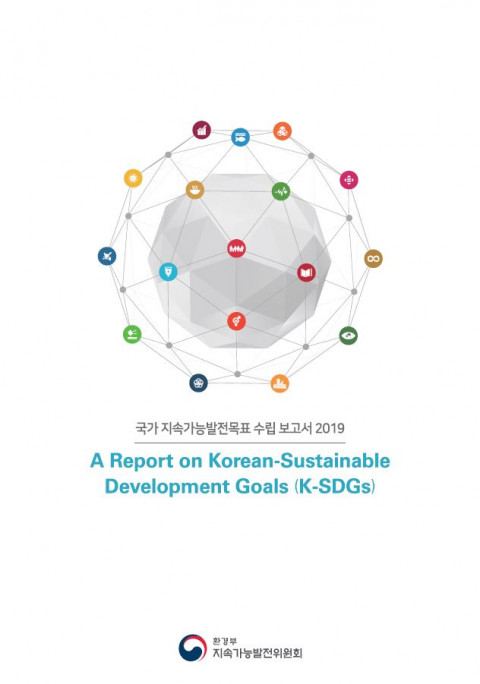 A Report on Korean-Sustainable Development Goals (K-SDGs) 2019 Year of publication: 2019 Corporate author: 대한민국 환경부 지속가능발전위원회 South Korea's Commission on Sustainable Development set up the Korean Sustainable Develpment Goals(K-SDGs) in 2018 by applying the international sustainable development goal system to domestic circumstances.