
Resources
Explore a wide range of valuable resources on GCED to deepen your understanding and enhance your research, advocacy, teaching, and learning.
3,376 Results found
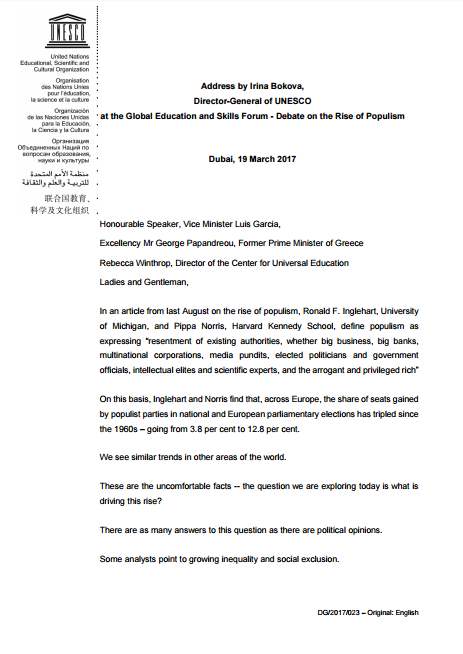 Address by Irina Bokova, Director-General of UNESCO, at the Global Education and Skills Forum: debate on the rise of populism, Dubai, 19 March 2017 Year of publication: 2017 Corporate author: UNESCO. Director-General, 2009-2017 (Bokova, I.G.) This address was presented by Irina Bokova, Director-General of UNESCO at the Global Education and Skills Forum. She debates on the Rise of Populism.
  2019 유네스코 ESD 정책 포럼: 2030년을 위한 지속가능발전교육(ESD), 한국은 어떻게 준비할 것인가 Year of publication: 2019 Corporate author: 대한민국 교육부 | 유네스코한국위원회 2019년 11월에 유네스코한국위원회(ESD한국위원회)에서 주최한 '2019 유네스코 지속가능발전교육 정책 포럼'의 자료집으로 행사개요와 토론자료, 지속가능발전교육에 대한 부록을 수록하고 있다.2030년을 위한 지속가능발전교육(ESD), 한국은 어떻게 준비할 것인가를 주제로 ESD for 2030 체계 수립 및 이행 준비에 대한 국제사회 최신 동향 공유, 국가 이니셔티브 구축 관련 한국 차원의 정책적 준비 및 운영 체계 수립 방안 논의, GAP 참여기관 등 국내 ESD 이행 핵심 주체별 활동 내용 공유 및 제언 등이 주요 내용이다.
 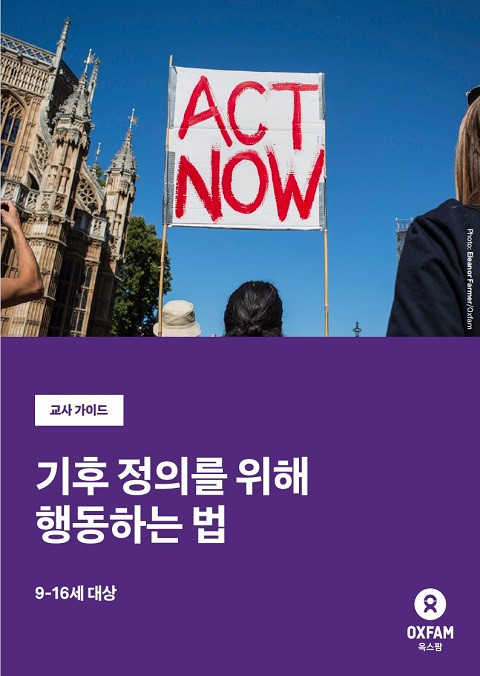 기후 정의를 위해 행동하는 법: 교사 가이드; 9-16세 대상 Year of publication: 2023 Corporate author: 옥스팜 기후 정의란 무엇일까? 우리는 모두 기후위기로부터 영향을 받고 있지만 어떤 특정 지역사회가 다른 지역보다 더 큰 영향을 받고 있다. 그리고 가장 큰 고통을 받고 있는 사람들은 기후위기 발생에 거의 기여하지 않은 사람들이다. 이러한 불공정한 기후위기 영향에 대해 알고, 이를 바꾸기 위해 기꺼이 행동하는 것이 바로 기후 정의이다. 이번 교육자료는 행동하는 것이 기후 정의 달성에 얼마나 중요한 지에 대한 내용을 다루고 있다. 특히 청소년들이 기후위기를 위해 행동하는 것은 사람과 지구의 삶을 개선하는 아주 중요한 변화를 가져오는 한 주체가 되는 경험이 될 것이다.
 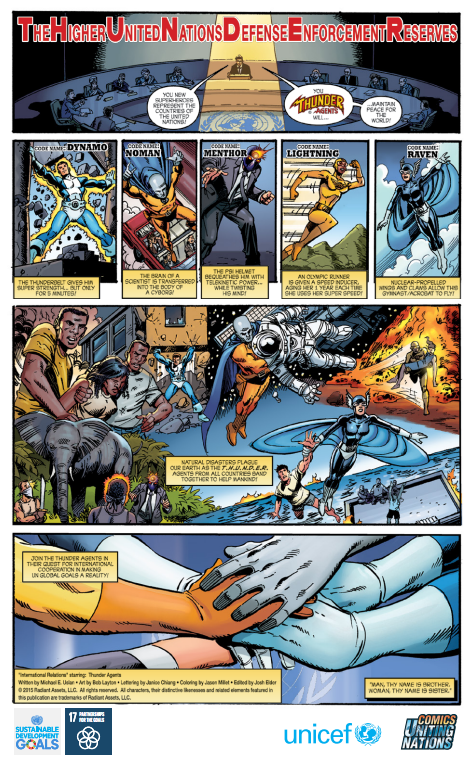 T.H.U.N.D.E.R. Agents Year of publication: 2015 Author: Michael E. Ulsan | Bob Layton | Janic Chiang | Jason Millet | Josh Elder Corporate author: Radiant Assets | LLC | United Nations Children's Fund (UNICEF) T.H.U.N.D.E.R. -- The Higher United Nations Defense Enforcement Reserves -- are UN Superheroes tasked with promoting global cooperation to make the world a better place. The T.H.U.N.D.E.R. Agentswas a comic originally created in the 1960s and is set to be made into a major motion picture in 2018.
  Address by Irina Bokova, Director-General of UNESCO, on the occasion of the UNESCO Week for Peace and Sustainable Development: The Role of Education; Ottawa, Canada, 8 March 2017 Year of publication: 2017 Corporate author: UNESCO. Director-General, 2009-2017 (Bokova, I.G.) This address was presented by Irina Bokova, Director-General of UNESCO on the occasion of the UNESCO Week for Peace and Sustainable Development. She highlights on the role of education.
 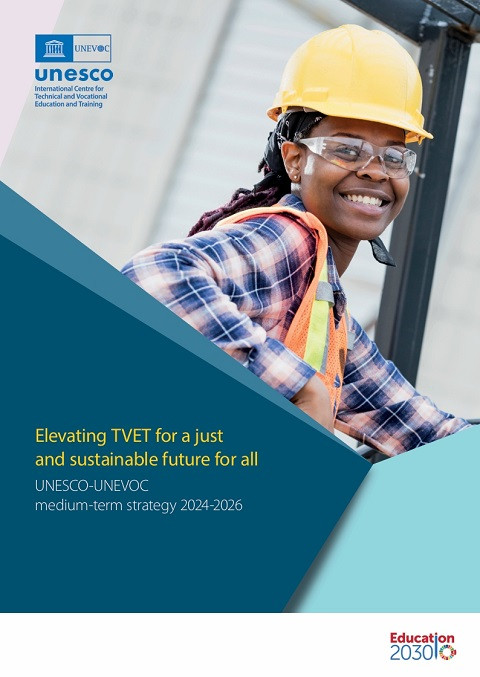 Elevating TVET for a Just and Sustainable Future for All: UNESCO-UNEVOC Medium-term Strategy 2024-2026 Year of publication: 2024 Corporate author: UNESCO International Centre for Technical and Vocational Education and Training (UNEVOC) The UNESCO-UNEVOC medium-term strategy for 2024 to 2026 sets out a roadmap to elevate technical and vocational education and training (TVET) for a just and sustainable future and empower TVET institutions to address the demands of digital, green and inclusive societies and economies. In alignment with the 2030 Agenda for Sustainable Development and the UNESCO strategy for TVET 2022-2029, UNESCO-UNEVOC will support Member States to upgrade their TVET systems and equip all youth and adults with skills for employment, decent work, entrepreneurship and lifelong learning. By working alongside international organizations, governments, UNEVOC Centres and partners, UNESCO-UNEVOC will implement a transformative TVET agenda focused on building flexible pathways for individuals to learn, work and live in a world that demands innovative solutions to complex, interconnected challenges.
 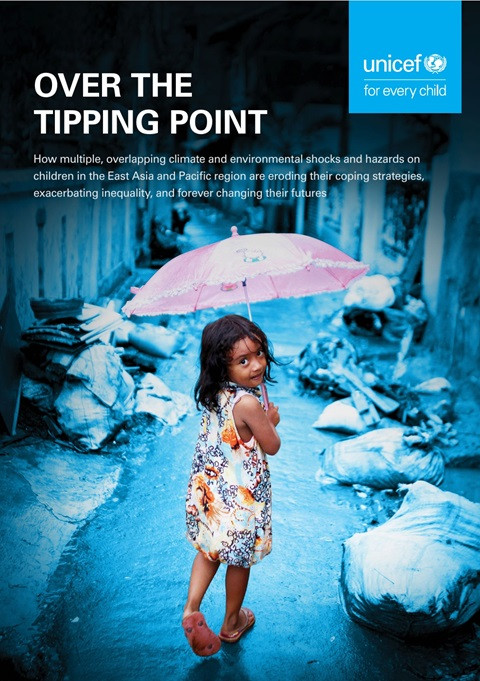 Over the Tipping Point: How Multiple, Overlapping Climate and Environmental Shocks and Hazards on Children in the East Asia and Pacific Region are Eroding their Coping Strategies, Exacerbating Inequality, and Forever Changing Their Futures Year of publication: 2023 Corporate author: United Nations Children's Fund (UNICEF) This report unveils the intensifying frequency and compounding effects of climate-related hazards intertwined with non-climate shocks like the COVID-19 pandemic and socio-economic challenges. Given that children are already facing the impacts of climate change, adaptation and resilience measures are needed now to reduce the full force of impacts. This report recommends three areas to do so: Children have continued access to the key services they need: This requires investing in climate-smart and disaster-resilient education, health, and water, sanitation and hygiene (WASH) services for children, so that children can access these services despite the shocks they face; Child protection and social protection systems are in place and are climate-responsive; and There is understanding of what to expect and how to adjust as necessary, establishing and utilizing strong early warning, risk management and disaster preparedness systems. In all of this, children and young people must be at the forefront of our actions. Urgency demands that they take action themselves, leading the way with innovative solutions for both mitigation and adaptation. We must support their efforts, providing them with the necessary skills and resources to amplify their work. Above all, we owe them every opportunity for success as we work together to secure a better world for generations to come.
 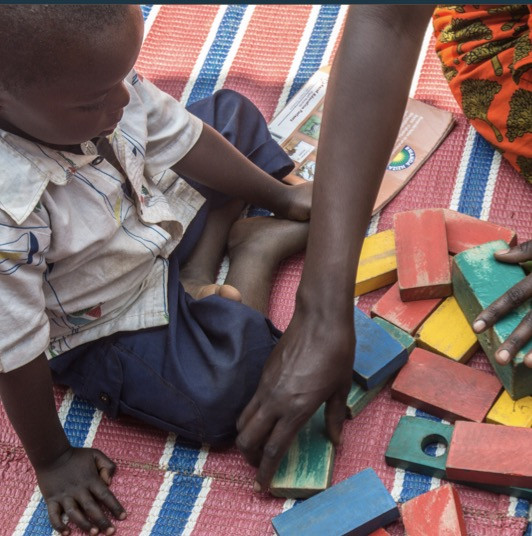 Promoting Climate-Sensitive Early Childhood Care and Education in Emergencies Year of publication: 2023 Corporate author: Inter-agency Network for Education in Emergencies (INEE) This brief addresses a gap in climate change and education literature: young children who are affected by crises. Climate mitigation and adaptation efforts often exclude early childhood care and education (ECCE), especially in crises and emergencies. Therefore, the brief outlines multisectoral ECCE interventions that can serve as solutions to broader climate change mitigation and adaptation goals. These interventions look at long-term solutions that reduce children’s exposure to climate change risks. The aim of these long-term solutions is to create new climate-adapted ways of thinking, being, and doing by focusing on care – for each other and for the earth – and by building climate resilience among children and their supporting care systems. Promouvoir l’éducation et la protection de la petite enfance en situations d’urgence sensibles au climat Year of publication: 2023 Corporate author: Inter-agency Network for Education in Emergencies (INEE) Ce document est destiné au secteur de l’éducation en situations d’urgence, mais il est pertinent pour toutes celles et ceux qui s’intéressent aux questions relatives aux enfants, car le changement climatique affecte le développement de l’enfant dans tous les contextes. Les approches présentées dans ce document peuvent aider les systèmes éducatifs dans des contextes non urgents à être mieux préparés et résilients face au climat. C’est pourquoi ce document décrit les interventions multisectorielles en matière d’EPPE qui peuvent servir de solutions à des objectifs plus larges d’atténuation du changement climatique et d’adaptation au changement climatique. Ces actions visent à trouver des solutions à long terme pour réduire l’exposition des enfants aux risques liés au changement climatique. L’objectif de ces solutions à long terme est de créer de nouvelles façons de penser, d’être et d’agir adaptées au climat, en se concentrant sur l’attention portée aux autres et à la Terre, et en renforçant la résilience climatique des enfants et des systèmes de prise en charge qui les soutiennent. تعزيز الرعاية والتعليم للطفولة المبكرة للتجاوب مع التغيرات المناخية في حالات الطوارئ Year of publication: 2023 Corporate author: Inter-agency Network for Education in Emergencies (INEE) يتناول هذا الملخص فجوة في أدبيات تغير المناخ والتعليم: الأطفال الصغار المتأثرون بالأزمات. غالبًا ما تستبعد جهود التخفيف من آثار المناخ والتكيف معه رعاية الطفولة المبكرة والتعليم، لا سيما في الأزمات وحالات الطوارئ. لذلك، يحدد الملخص التدخلات متعددة القطاعات في مجال رعاية وتعليم الطفولة المبكرة التي يمكن أن تكون بمكانة حلول لأهداف أوسع للتخفيف من تغير المناخ والتكيف معه. يبحث هذا الملخص في الحلول طويلة الأجل التي تقلل تعرض الأطفال لأخطار تغير المناخ. ويهدف هذا بدوره إلى إنشاء طرق جديدة متكيفة مع المناخ للتفكير والوجود والعمل من خلال التركيز على الرعاية - لبعضنا البعض وللأرض -،ومن خلال ناءي المرونة المناخية بين الأطفال وأنظمة الرعاية الداعمة لهم. يتناول هذا الملخص فجوة في أدبيات تغير المناخ والتعليم: الأطفال الصغار المتأثرون بالأزمات. غالبًا ما تستبعد جهود التخفيف من آثار المناخ والتكيف معه رعاية الطفولة المبكرة والتعليم، لا سيما في الأزمات وحالات الطوارئ. لذلك، يحدد الملخص التدخلات متعددة القطاعات في مجال رعاية وتعليم الطفولة المبكرة التي يمكن أن تكون بمكانة حلول لأهداف أوسع للتخفيف من تغير المناخ والتكيف معه. يبحث هذا الملخص في الحلول طويلة الأجل التي تقلل تعرض الأطفال لأخطار تغير المناخ. ويهدف هذا بدوره إلى إنشاء طرق جديدة متكيفة مع المناخ للتفكير والوجود والعمل من خلال التركيز على الرعاية - لبعضنا البعض وللأرض -،ومن خلال ناءي المرونة المناخية بين الأطفال وأنظمة الرعاية الداعمة لهم.