
Resources
Explore a wide range of valuable resources on GCED to deepen your understanding and enhance your research, advocacy, teaching, and learning.
882 Results found
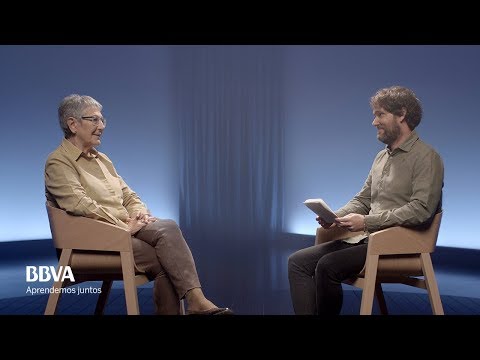 Educación para la convivencia y resolución de conflictos Year of publication: 2019 Corporate author: BBVA Aprendemos Juntos En este vídeo, la maestra y pedagoga Nélida Zaitegi habla sobre su propuesta pedagógica para aprender a convivir y resolver conflictos. Defiende las llamadas “competencias blandas”, la inteligencia emocional y la moral, que en las escuelas deberían tener tanta presencia como las asignaturas tradicionales. Lleva más de cuarenta años investigando y desarrollando programas de innovación educativa, basados en la convivencia positiva y la resolución de conflictos.
 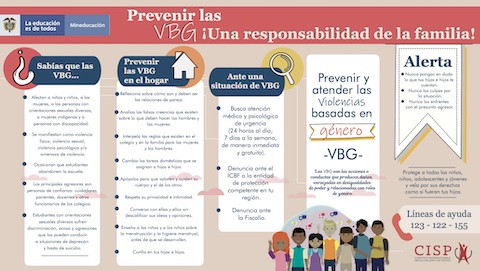 Preventing GBV: A Family Responsibility! Corporate author: Ministry of National Education of Colombia This infographic explains about what happens with gender-based violence, define it and explain what to do when it occurs. This infographic is intended to make the family aware of their role within this phenomenon and what the role they play in it.
 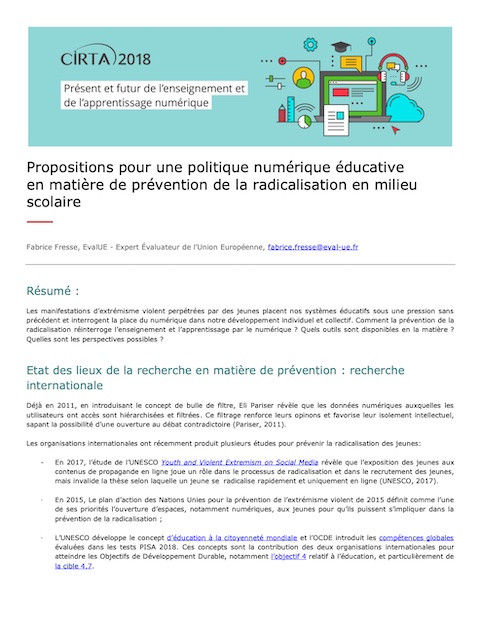 Propositions pour une politique numérique éducative en matière de prévention de la radicalisation en milieu scolaire Year of publication: 2018 Author: Fabrice Fresse Corporate author: Communauté pour l’innovation et la recherche sur les technologies dans l’enseignement/apprentissage (CIRTA) Les manifestations d’extrémisme violent perpétrées par des jeunes placent nos systèmes éducatifs sous une pression sans précédent et interrogent la place du numérique dans notre développement individuel et collectif. Comment la prévention de la radicalisation réinterroge l’enseignement et l’apprentissage par le numérique ? Quels outils sont disponibles en la matière ? Quelles sont les perspectives possibles ?
  La Enseñanza del Holocausto en América Latina: los desafíos para los educadores y legisladores Year of publication: 2017 Corporate author: UNESCO Santiago La Enseñanza del Holocausto en América Latina: los desafíos para los educadores y legisladores
 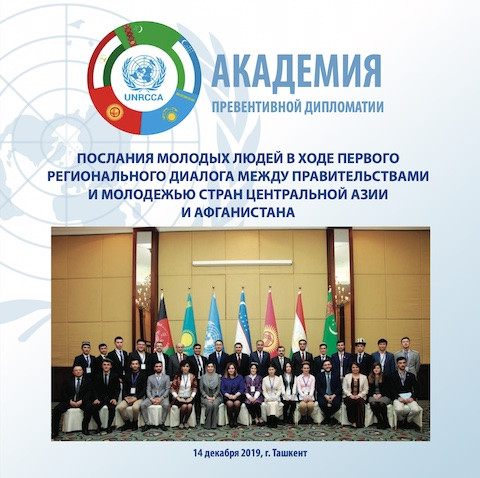 Messages Delivered by Young People at the First Government-Youth Dialogue for Central Asia and Afghanistan Year of publication: 2019 Corporate author: United Nations Regional Centre for Preventive Diplomacy for Central Asia (UNRCCA) During this first Government-Youth Dialogue for Central Asia and Afghanistan, 25 young people stood in front of their Deputy Ministers and spoke on behalf of the young people of the region about the most pressing regional peace and security issues for their generation. Послания молодых людей в ходе первого регионального диалога между правительствами и молодежью стран Центральной Азии и Афганистана Year of publication: 2019 Corporate author: United Nations Regional Centre for Preventive Diplomacy for Central Asia (UNRCCA) В ходе первого регионального диалога между правительствами и молодежью стран Центральной Азии и Афганистана, 25 молодых людей, от имени молодежи региона, представили свои позиции и взгляды заместителям министров иностранных дел о наиболее актуальных вопросах мира и безопасности в регионе, касающихся их поколения.
 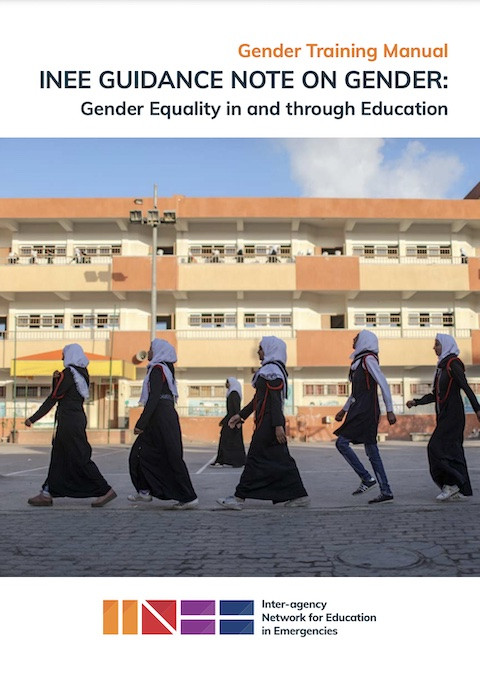 Gender Training Manual: INEE Guidance Note on Gender; Gender Equality in and Through Education Year of publication: 2021 Corporate author: Inter-agency Network for Education in Emergencies (INEE) This training manual outlines 4-8 hours of training activities and materials related to gender-responsive education in emergencies. These training materials include guidance for facilitators (including key concepts, activity instructions, and discussion guides), presentation slides, and activity handouts for participants. Facilitators are encouraged to first review the instructions prior to training, which provides guidance for contextualization of the training resources.
  Keeping the Promise: Ending Violence Against Children by 2030 Year of publication: 2019 Corporate author: United Nations (UN) This report aims to help us keep that promise to children. It documents what has been achieved to date through collective action, reminds us of the prevalence and nature of violence, sets out the evidence on solutions, and charts a course for accelerated progress.
  Building Bridges: Peace Education and Dialogue for Conflict Resolution Year of publication: 2020 Corporate author: International Falcon Movement-Socialist Educational International (IFM-SEI) This toolkit addresses young people and educators who work with children and youth, in order to provide them with tools and resources on peace and conflict resolution. The activities of this toolkit are designed for young people who are active and willing to build their skills and knowledge on the topic. This toolkit will also provide resources for educators to share their knowledge on the topic and train young people to become peace advocates in the future. Building Bridges: Educación por la paz y el diálogo en la resolución de conflictos Year of publication: 2020 Corporate author: International Falcon Movement-Socialist Educational International (IFM-SEI) Esta guía de herramientas está dirigida a jóvenes y educadoras que trabajan con niñas y jóvenes, con el fin de proporcionarles herramientas y recursos sobre la paz y la resolución de conflictos. Las actividades de estas herramientas están diseñadas para jóvenes activas y dispuestas a desarrollar sus habilidades y conocimientos sobre el tema. Esta guía también proporcionará recursos para que las educadoras compartan sus conocimientos y capaciten a jóvenes para que se conviertan en nuevas defensoras de la paz en el futuro.