
Resources
Explore a wide range of valuable resources on GCED to deepen your understanding and enhance your research, advocacy, teaching, and learning.
1,471 Results found
 Engaging Girls, Boys and Youth as Active Citizens: Plan International’s Position Paper Year of publication: 2020 Corporate author: Plan International Plan International believes that every child and young person has the right to express their views freely and safely; influence decisions and take action on issues that matter to them. However, around the world children and young people – particularly girls and young women – face significant challenges in realising this right. They tend to be wrongly dismissed as insufficiently mature to participate in political and civic processes. They also tend to be stigmatised as potential perpetrators of disruption, not as valued citizens and contributors to society who can lead and drive positive change. Plan International is calling for a paradigm shift in the way the international community talks about, engages and partners with children and young people. Children and young people are not just the future. They are the present. Young people constitute almost half of the world’s population, yet they are dramatically underrepresented – even excluded – in political decision-making. It is critical that their views and needs are taken into account politically, socially, legally and economically. Promoting the voices and views of children and young people – especially girls and women – in all their diversity and supporting them to actively engage in decision-making on issues that affect their lives must be an urgent priority for the world’s power holders. Realising children and young people’s civil and political rights is a prerequisite for building sustainable and peaceful societies, and a gender just world envisioned in international human rights frameworks and the 2030 Agenda’s Sustainable Development Goals (SGDs).Across the 75+ countries Plan International works in, young people have consistently identified the denial of their political and civil rights as a priority issue. In March 2017, Plan International conducted consultations with young women and men aged 14 to 30 from 14 countries. In every country, young people reported a sense of “citizen responsibility” and an interest in public life, yet identified the lack of platforms to meaningfully engage with decision-makers and inability to ensure their opinions are taken seriously as key barriers. Girls and young women in particular have called for the removal of gendered norms that increase those barriers, silence their voices and disproportionately hold them back from leadership and active citizenship. Impliquer les filles, garçons et jeunes en tant que citoyens actifs : Prise de position de Plan International Year of publication: 2020 Corporate author: Plan International Ce rapport expose la position de Plan International sur le droit à la participation à la vie publique, ainsi qu’une analyse : du cadre juridique et politique ; de l’impact des normes sociales et genrées sur la participation ; et des problèmes spécifiques relatifs à l’émancipation politique et à la citoyenneté active. Ce rapport appuie 100 Millions de Raisons, la Stratégie Mondiale 2017-2022 de Plan International, dont la priorité principale est le soutien des filles, des garçons et des jeunes en tant qu’acteurs actifs du changement. Il défend notre travail en relation avec l’Agenda 2030 et les Objectifs de Développement Durable – plus spécifiquement les objectifs 5, 10 et 16. Un certain nombre de recommandations importantes sont incluses afin de guider le plaidoyer. Involucrar a niñas, niños y jóvenes como ciudadanos activos: Documento de Posición de Plan International Year of publication: 2020 Corporate author: Plan International En este documento se expone la posición de Plan International sobre el derecho a participar en la vida pública, así como el análisis del marco jurídico y político; las repercusiones de las normas sociales y de género en la participación; y aspectos específicos relacionados con el empoderamiento político y la ciudadanía activa. Este instrumento apunta a 100 Millones de Razones, la Estrategia Global de Plan International 2017-2022, que define como prioridad apoyar a las niñas, los niños y las/los jóvenes como motores del cambio. También apoya nuestra labor en relación con la Agenda 2030 y los Objetivos de Desarrollo Sostenible, en particular los Objetivos 5, 10 y 16. Para orientar las actividades de incidencia se incluyen varias recomendaciones de alto nivel.
 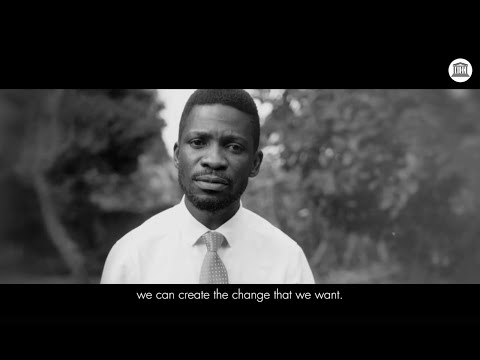 United Against Racism Year of publication: 2020 Corporate author: UNESCO We all can do something against racism. You too. Join UNESCO and leading personalities from all over the world in denouncing mounting racial discrimination.This video features messages by the following prominent women and men from the worlds of cinema, the media, music, sport and science alongside UNESCO Director-General Audrey Azoulay: Charlotte Gainsbourg, Freida Pinto, Naomi Campbell, UNESCO Goodwill Ambassador Jean-Michel Jarre, UNESCO Artist for Peace Marcus Miller, Jorge Ramos, UNESCO Goodwill Ambassador Yalitza Aparicio, Rossy de Palma, UNESCO Goodwill Ambassador Sumaya bint Al Hassan, Bobi Wine, UNESCO Goodwill Ambassador Herbie Hancock, UNESCO Goodwill Ambassador Forest Whitaker, UNESCO Champion for Girls’ and Women’s Education Nadia Nadim, Amadou Gallo Fall, Ada Hegerberg and UNESCO Artist for Peace Gilberto Gil.UNESCO has been on the forefront of the fight against racism since its creation in 1945. In 1978, it adopted the Declaration on Race and Racial Prejudice which reaffirms that “All human beings belong to a single species and are descended from a common stock. They are born equal in dignity and rights and all an integral part of humanity.”Learn more: Fight against Racism and Discrimination
  Preventing Conflict, Transforming Justice, Securing the Peace: A Global Study on the Implementation of United Nations Security Council resolution 1325 Year of publication: 2015 Corporate author: United Nations Entity for Gender Equality and the Empowerment of Women (UN Women) The Global Study on the Implementation of Resolution 1325 is an important part of the United Nations' global agenda for change to better serve the world's most vulnerable people. According to the High Level Independent Panel on United Nations Peace Operations and the Consultative Group of Experts in the 2015 review of the United Nations peacebuilding architecture, changes in conflict may outpace the ability of United Nations peace operations to respond effectively. Any reforms must include gender equality and women's leadership as central components. منع النزاع وتحويل العدالة وضمان السلام: دراسة عالمية حول تنفيذ قرار مجلس األمن التابع لألمم المتحدة رقم 1325 Year of publication: 2015 Corporate author: United Nations Entity for Gender Equality and the Empowerment of Women (UN Women) تمثل الدراسة العالمية بشأن تنفيذ القرار 1325 جزءًا هامًا من جدول أعمال الأمم المتحدة العالمي للتغيير من أجل خدمة أكثر الأشخاص تعرضًا للخطر في العالم على نحوٍ أفضل. طبقًا لما ذكره الفريق المستقل رفيع المستوى المعني بعمليات السلام للأمم المتحدة، وفريق الخبراء الاستشاري في استعراض عام 2015 لهيكل الأمم المتحدة لبناء السلام، فإن التغييرات في النزاع قد تفوق سرعتها قدرة عمليات السلام للأمم المتحدة على الاستجابة بفعالية. ويجب أن تشمل أية إصلاحات المساواة بين الجنسين وقيادة النساء كمكوِّنات مركزية.
  Central Asia and Mongolia. OSCE Sub-regional Expert Meeting on Eliminating Violence against Women and Girls Year of publication: 2021 Corporate author: Organization for Security and Co-operation in Europe (OSCE) In 2020, the OSCE Gender Issues Programme conducted a series of sub-regional expert meetings in order to take stock of progress towards fulfilment of OSCE commitments on preventing and combating violence against women and girls.The report summarizes the outcomes of the meeting aimed at exchanging information and identifying areas of progress as well as persistent challenges. Центральная Азия и Монголия. Субрегиональная экспертная встреча ОБСЕ по вопросам недопущения насилия в отношении женщин и девочек Year of publication: 2021 Corporate author: Organization for Security and Co-operation in Europe (OSCE) В 2020 году Отдел Секретариата ОБСЕ по гендерным вопросам организовал серию субрегиональных экспертных встреч с целью оценки прогресса осуществления обязательств ОБСЕ по предотвращению и борьбе с насилием в отношении женщин и девочек.Отчет содержит данные о результатах встреч, которые были направлены на обмен информацией и определение сфер прогресса, а также сохраняющиеся проблемы по вопросам гендерного насилия.
  Youth Engagement to Counter Violent Extremism and Radicalization that Lead to Terrorism: Report on Findings and Recommendations from an OSCE Secretariat - OSCE ODIHR Expert Roundtable Year of publication: 2013 Corporate author: Организация по безопасности и сотрудничеству в Европе (ОБСЕ) This report is based on the results of a joint meeting of experts in a round-table format of the OSCE Secretariat and the OSCE Office for Democratic Institutions and Human Rights on October 23-24, 2012 in Vienna, Austria.This report should not be considered official OSCE recommendations on the basis of an agreed decision or the official position of the OSCE Secretariat, the OSCE Office for Democratic Institutions and Human Rights, or any OSCE participating State. It presents opinions individually expressed by the participants in the expert meeting in a round-table format. Вовлечение молодежи в усилия по противодействию насильственному экстремизму и радикализации, ведущим к терроризму: Отчет о выводах и рекомендациях Year of publication: 2013 Corporate author: Организация по безопасности и сотрудничеству в Европе (ОБСЕ) Данный отчет составлен по итогам совместного заседание экспертов в формате «круглого стола» Секретариата ОБСЕ и Бюро ОБСЕ по демократическим институтам и правам человека 23-24 октября 2012 года в Вене, Австрия.Настоящий отчет не следует считать официальными рекомендациями ОБСЕ на основании согласованного решения или официальной позицией Секретариата ОБСЕ, Бюро ОБСЕ по демократическим институтам и правам человека или какого-либо государства-участника ОБСЕ. В нем представлены мнения, индивидуально выраженные участниками заседания экспертов в формате «круглого стола».