
Resources
Explore a wide range of valuable resources on GCED to deepen your understanding and enhance your research, advocacy, teaching, and learning.
1,727 Results found
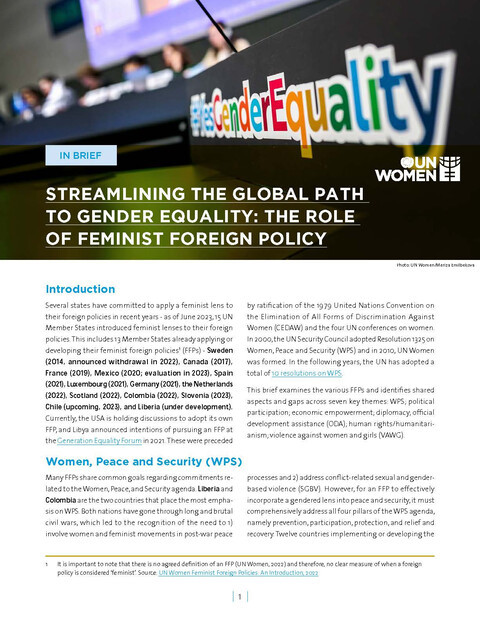 Ускорение глобального движения к гендерному равенству: роль феминистской внешней политики Year of publication: 2023 Corporate author: UN WOMEN Europe and Central Asia По состоянию на июнь 2023 года 15 государств - членов ООН внедрили феминистские подходы в свою внешнюю политику. В аналитической записке рассматриваются различные FFP и выявляются общие аспекты и пробелы по семи ключевым темам: ЖМБ, участие в политической жизни, расширение экономических прав и возможностей, дипломатия, официальная помощь в целях развития, права человека/ гуманитарная деятельность, насилие в отношении женщин и девочек.
 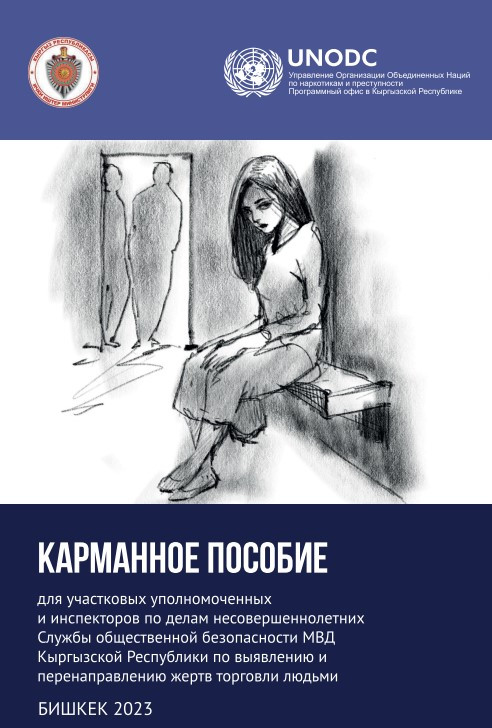 КАРМАННОЕ ПОСОБИЕ для участковых уполномоченных и инспекторов по делам несовершеннолетних Службы общественной безопасности МВД Кыргызской Республики по выявлению и направлению жертв торговли людьми Year of publication: 2023 Corporate author: УНП ООН В сентябре 2021 года Глобальная инициатива против транснациональной организованной преступности The Global Organized Crime Index – 2021, впервые в мировом масштабе признала торговлю людьми крупнейшим и превалирующим криминальным рынком. В связи с этим в мире важное внимание уделяется борьбе с торговлей людьми и вовлечению в этот процесс государственных органов, международных и общественных организаций. Кыргызская Республика не является исключением и особую роль в борьбе с торговлей людьми отводит правоохранительным органам, от действий которых во многом зависит эффективность пресечения этого вида преступной деятельности.
  A Geographical - Political Analysis of the Determinants of women's empowerment in Iraq Year of publication: 2020 Author: Zainab Ali Mazloum, Lateef Kamel Kelaiwy Empowering women is one of the modern topics that geopolitics is concerned with, especially after the United Nations adopted in the eighties of the twentieth century the strategy of empowering women against the background of discrimination against them on the basis of gender and depriving them of equal opportunities compared to males in the fields of learning and work as well as drawing state policy, that empowerment The political status of women is based on two main variables: the first is the removal of legislative, administrative, and social determinants that hinder women's political participation, and the second is the creation of political measures and measures that support women's participation and increase their effectiveness by developing their capabilities, nah As for employing those capabilities in the institutional framework of political units, so states at various levels and orientations, including Iraq, are keen to eliminate gender differences and women's empowerment through achieving comprehensive development in general and political development in particular because they mimic political empowerment, however Iraq has said a lot in this field by doing The many political transformations and wars that affected the state, as well as the great challenges that faced and still face the Iraqi political decision-maker with its various political, security, economic and social dimensions. التحليل جغرافي سياسي لمحددات تمكين المرأة في العراق Year of publication: 2020 Author: Zainab Ali Mazloum, Lateef Kamel Kelaiwy يعد تمكين المرأة من الموضوعات الحديثة التي اهتمت بها الجغرافيا السياسية لاسيما بعد تبن الامم المتحدة في ثمانينيات القرن العشرين لاستراتيجية تمكين المرأة على خلفية التمييز القائم ضدهن على اساس النوع وحرمانهن من تكافؤ الفرص مقارنة بالذكور في ميادين التعلم والعمل فضلا عن رسم سياسة الدولة ، على ان التمكين السياسي للمرأة يرتكز على متغيرين اساسيين :اولهما ازالة المحددات التشريعية والادارية والاجتماعية التي تعيق المشاركة السياسية للمرأة وثانيهما ايجاد التدابير والاجراءات السياسية التي تدعم مشاركة المرأة وزيادة فاعليتها عبر تطوير قدراتها ، ناهيك عن توظيف تلك القدرات في الاطار المؤسسي للوحدات السياسية ، لذا تحرص الدول بمختلف مستوياتها وتوجهاتها ومنها العراق على ازالة فوارق النوع الاجتماعي وتمكين المرأة من خلال تحقيق التنمية الشاملة عامة والتنمية السياسية خاصة لكونها تحاكي التمكين السياسي ، بيد ان العراق قد تلكا كثيرا في هذا المجال بفعل كثرة التحولات السياسية والحروب التي طالت الدولة فضلا عن التحديات الكبيرة التي واجهت وما زالت تواجه صانع القرار السياسي العراقي بأبعادها المختلفة السياسية والامنية والاقتصادية والاجتماعية ، وعليه جاء هذا البحث ليتعرض الى المرتكزات السياسية والقانونية لتمكين المرأة في العراق علاوة على التطرق لمظاهر التمكين السياسي للمرأة فيه فضلا عن عرض ابرز محدداته في الدولة وتقديم الحلول الناجعة لها.
  Espace presse de la FIDH Corporate author: Fédération internationale pour les droits humains (FIDH) Cet espace presse est un lieu où sont recensés tous les communiqués de presse produits par la FIDH. Si vous cherchez à être informé de l'avancée des droits humains dans le monde vous y retrouverez tous les derniers documents de recherche et de plaidoyer de la fondation This press room is a place where you can find all the press releases produced by FIDH. If you're looking to keep abreast of human rights developments around the world, you'll find all the latest FIDH research and advocacy documents here.
  Asia and the Pacific SDG Progress Report 2025: Engaging Communities to Close the Evidence Gap Year of publication: 2025 Corporate author: UN. Economic and Social Commission for Asia and the Pacific (UN. ESCAP) The SDG progress report 2025 presents the latest data and insights on progress toward the Sustainable Development Goals (SDGs) in the Asia-Pacific region. While celebrating regional achievements, it also highlights persistent challenges—such as climate change, natural disasters, and critical data gaps—that risk leaving marginalized communities behind. By showcasing innovative community-level partnerships, the report explores how local efforts can help bridge the evidence gap, ensuring that progress toward the SDGs is inclusive and leaves no one behind.
  Catalysing Change for Sustainable Peace: KAICIID's Transformative Dialogue Approach Corporate author: International Dialogue Centre (KAICIID) What is transformative about KAICIID's interreligious and intercultural dialogue approach? Since its establishment, the Centre has worked with the understanding that for dialogue to be truly transformative, it must be continuous, responsive, synergetic, and inclusive of all voices, secular and religious. KAICIID achieves this through sustained engagement with, individual, community, national, regional and international stakeholders. The Centre utilises a synergy of convening, capacity development and mainstreaming of dialogue into the policies and practices of relevant institutions. KAICIID brings diverse stakeholders and partners to the dialogue; empowers and catalyses them through information and expertise exchange, resources and support; supporting changemakers in promoting and incorporating dialogue into the policy and practices of institutions and bodies. The Centre's transformative dialogue approach creates a multiplying effect that leads to an enabling environment for dialogue to take place, fostering social cohesion and sustainable peace.
  Declaration on a Culture of Peace Year of publication: 1999 Corporate author: United Nations (UN) Solemnly proclaims the present Declaration on a Culture of Peace to the end that Governments, international organizations and civil society may be guided in their activity by its provisions to promote and strengthen a culture of peace in the new millennium.
 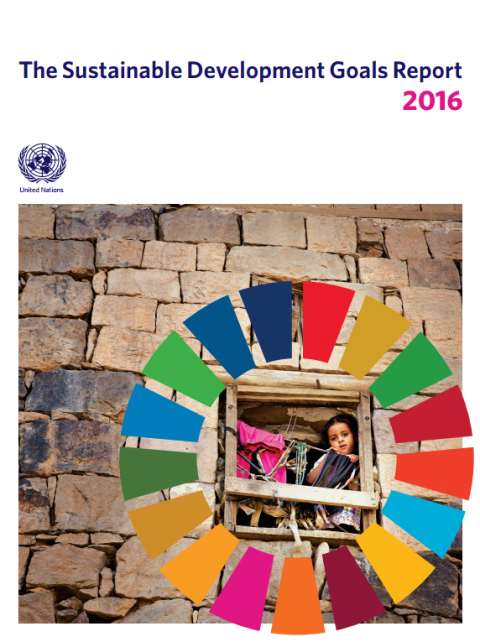 The Sustainable development goals report 2016 Year of publication: 2016 Corporate author: United Nations (UN) This inaugural report on the global Sustainable Development Goals (SDGs) is a first accounting of where the world stands at the start of our collective journey to 2030. The report analyses selected indicators from the global indicator framework for which data are available as examples to highlight some critical gaps and challenges. The list of SDG indicators agreed upon by the UN Statistical Commission in March 2016 will be subject to refinements and improvements as methods and data availability improve. Every journey has a beginning and an end. Plotting that journey and establishing key milestones along the way requires accessible, timely and reliable disaggregated data. The data requirements for the global indicators are almost as unprecedented as the SDGs themselves and constitute a tremendous challenge to all countries. Nevertheless, fulfilling these requirements through building national statistical capacity is an essential step in establishing where we are now, charting a way forward and bringing our collective vision closer to reality
  Transforming our world: the 2030 Agenda for Sustainable Development Year of publication: 2015 Corporate author: United Nations (UN) This Agenda is a plan of action for people, planet and prosperity. It also seeks to strengthen universal peace in larger freedom. We recognize that eradicating poverty in all its forms and dimensions, including extreme poverty, is the greatest global challenge and an indispensable requirement for sustainable development. All countries and all stakeholders, acting in collaborative partnership, will implement this plan. We are resolved to free the human race from the tyranny of poverty and want and to heal and secure our planet. We are determined to take the bold and transformative steps which are urgently needed to shift the world on to a sustainable and resilient path. As we embark on this collective journey, we pledge that no one will be left behind.The 17 Sustainable Development Goals and 169 targets which we are announcing today demonstrate the scale and ambition of this new universal Agenda. They seek to build on the Millennium Development Goals and complete what they did not achieve. They seek to realize the human rights of all and to achieve gender equality and the empowerment of all women and girls. They are integrated and indivisible and balance the three dimensions of sustainable development: the economic, social and environmental. The Goals and targets will stimulate action over the next 15 years in areas of critical importance for humanity and the planet.