
Resources
Explore a wide range of valuable resources on GCED to deepen your understanding and enhance your research, advocacy, teaching, and learning.
1,187 Results found
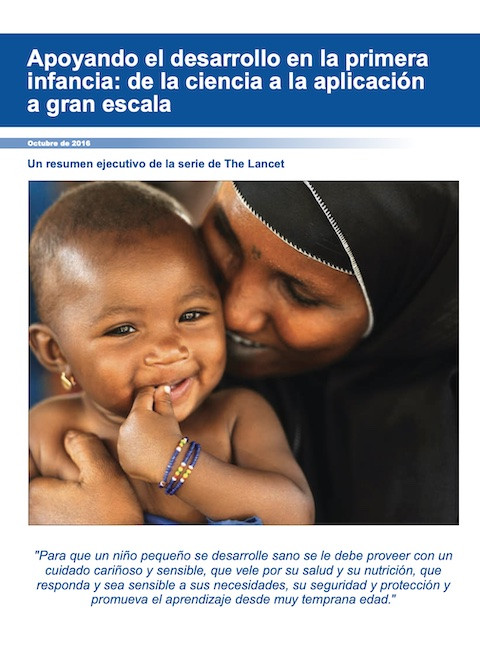 Supporting Early Childhood Development: From Science to Large-Scale Application Year of publication: 2016 Author: The Lancet Corporate author: United Nations Children's Fund (UNICEF) | World Bank | World Health Organization (WHO) This document summarizes the series of articles on Early Childhood Development published by The Lancet in 2016. It presents new scientific evidence that supports interventions and proposes measures to be applied in large-scale child development programs. The series emphasizes "loving care sensitive to the needs of the child", especially up to three years of age, as well as multisectoral interventions that, taking the health sector as a starting point, allow reaching many families and young children through health and nutrition. Apoyando el desarrollo en la primera infancia: De la ciencia a la aplicación a gran escala Year of publication: 2016 Author: The Lancet Corporate author: United Nations Children's Fund (UNICEF) | World Bank | World Health Organization (WHO) Este documento resume la serie de artículos sobre Desarrollo en la primera infancia que publicó The Lancet en 2016. Presenta nueva evidencia científica que fundamenta intervenciones y propone medidas a ser aplicadas en programas de desarrollo infantil a gran escala. La serie hace hincapié en el “cuidado cariñoso y sensible a las necesidades del niño”, sobre todo hasta los tres años de edad, así como en las intervenciones multisectoriales que, tomando el sector salud como punto de partida, permiten llegar a muchas familias y niños pequeños a través de la salud y la nutrición.
  تربية المواطنة في المناهج الدراسية Year of publication: 2013 Corporate author: Oman. Ministry of Education الفيديو يتحدث عن تربية المواطنة في المناهج المدرسية بسلطنة عمان. ويسرد الفيديو تتطور التربية المواطنية في المناهج العمانية منذ 1970 عندما بدأت النهضة العمانية. ويشير الفيديو بأن تربية المواطنة تتغير باستمرار خلال المرحلة الماضية بناء على المتغيرات الوطنية والإقليمية والعالمية. ويذكر الفيديو مراحل تطور المناهج واستعراضها للتربية المواطنية.
  Educate to Feel Year of publication: 2021 Corporate author: BBVA Aprendemos Juntos Psychologist Begoña Ibarrola talks in this video about the importance of teaching about emotions. She argues that stories are a powerful tool for bonding and teaching emotional intelligence. Educar para sentir Year of publication: 2021 Corporate author: BBVA Aprendemos Juntos La psicologa Begoña Ibarrola habla en este video sobre la importancia de enseñar sobre las emociones. Sostiene que los cuentos son una herramienta poderosa para vinculos y enseñar sobre inteligencia emocional.
 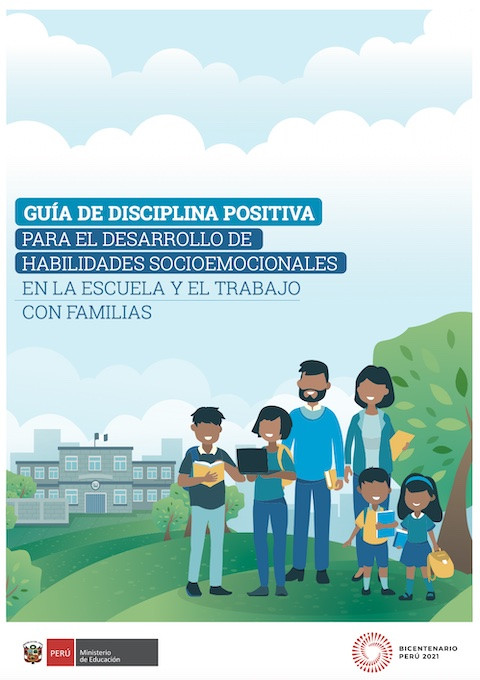 Guía de disciplina positiva para el desarrollo de habilidades socioemocionales: En la escuela y el trabajo con familias Year of publication: 2021 Corporate author: Perú. Ministerio de educación Está guía brinda herramientas que permiten crear un ambiente seguro de respeto y proximidad en el aula, que propicie las condiciones adecuadas para el aprendizaje. Así mismo, este texto propone orientaciones para el trabajo con las familias en el fortalecimiento de las competencias parentales.
 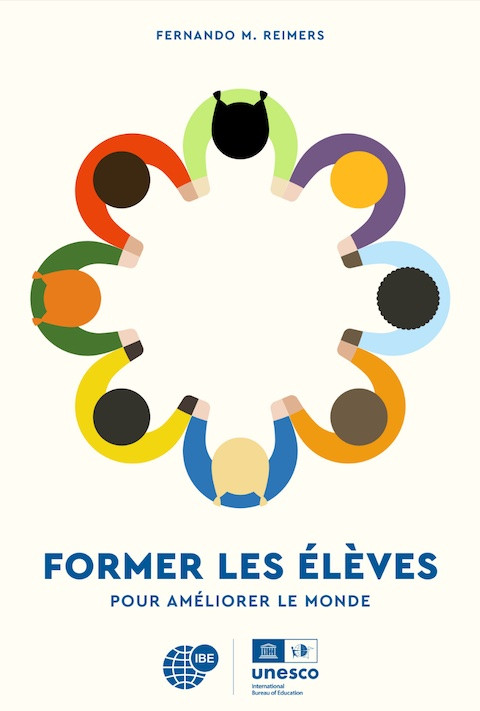 Educating Students to Improve the World Year of publication: 2021 Author: Fernando Reimers Corporate author: UNESCO International Bureau of Education (IBE) This book highlights the key role of global citizenship education to prepare learners for a rapidly changing world. In a probing and visionary analysis of the field of global education Fernando Reimers explains how to lead the transformation of schools and school systems in order to more effectively prepare students to address today’s most urgent challenges and to invent a better future. It discusses several global citizenship curricula that have been adopted by schools and school networks, and ties them into an approach to lead school change into the uncharted territory of the future. Former les élèves pour améliorer le monde Year of publication: 2021 Author: Fernando Reimers Corporate author: UNESCO International Bureau of Education (IBE) Ce livre porte sur la manière d’aider les élèves à trouver un sens à leur vie dans un monde un mutation rapide. Par une analyse approfondie et visionnaire du domaine de l’éducation à la citoyenneté mondiale, Fernando Reimers explique comment conduire la transformation des écoles et des systèmes scolaires afin de préparer plus efficacement les élèves à relever les défis actuels les plus urgents et à inventer un avenir meilleur.
  فاعلية برنامج مقترح قائم على التعلم الخدمي لتدريس القضايا المعاصرة لطلاب شعبة التأريخ بكليات التربية في تنمية التحصيل المعرفي والمسؤولة الاجتماعية لديهم Year of publication: 2016 Author: Salwa Ammar | Yahya Sulaiman | Mahmoud Ahmed | Salah Juma Corporate author: Fayoum University تسعى هذه الدراسة لتقييم فاعلية برنامج قائم على التعلم الخدمي لتدريس القضايا المعاصرة لطلاب شعبة التأريخ. وتبحث في تأثير هذا البرنامج في تنمية التحصيل المعرفي والمسؤولية الاجتماعية. وتبدأ الدراسة بوصف أسس ومكونات البرنامج التدريبي. The Effectiveness of a Proposed Program Based on Service Learning for Teaching Contemporary Issues to Students of the History Division in the Faculties of Education in Developing Their Cognitive Achievement and Social Responsibility Year of publication: 2016 Author: Salwa Ammar | Yahya Sulaiman | Mahmoud Ahmed | Salah Juma Corporate author: Fayoum University This study seeks to evaluate the effectiveness of a service-based learning program for teaching contemporary issues to students of the history department. It examines the impact of this program on the development of cognitive achievement and social responsibility. The study begins with a description of the foundations and components of the training program.