
Resources
Explore a wide range of valuable resources on GCED to deepen your understanding and enhance your research, advocacy, teaching, and learning.
1,727 Results found
 Alert 2024! : Report on Conflicts, Human Rights and Peacebuilding Year of publication: 2024 Corporate author: Escola de Cultura de Pau (ECP) Published since 2001, this yearbook analyses the state of the world in terms of conflict and peacebuilding based on three axes: armed conflict, tensions and gender, peace and security. The analysis of the most relevant events of the year and the nature, causes, dynamics, actors and consequences of the main scenarios of armed conflict and socio-political tension in the world allows for a comparative regional view and the identification of global trends, as well as elements of risk and preventive warning for the future. Likewise, the report also identifies opportunities for peacebuilding or for the reduction, prevention or resolution of conflicts. Alerta 2024!: Informe sobre conflictos, derechos humanos y construcción de paz Year of publication: 2024 Corporate author: Escola de Cultura de Pau (ECP) Editado desde 2001, este anuario analiza el estado del mundo en términos de conflictividad y construcción de paz a partir de tres ejes: conflictos armados, tensiones y género, paz y seguridad. El análisis de los hechos más relevantes del año y de la naturaleza, causas, dinámicas, actores y consecuencias de los principales escenarios de conflicto armado y tensión socio-política en el mundo permite ofrecer una mirada comparativa regional e identificar tendencias globales, así como elementos de riesgo y alerta preventiva de cara al futuro. Del mismo modo, el informe también identifica oportunidades para la construcción de paz o para la reducción, prevención o resolución de conflictos.
 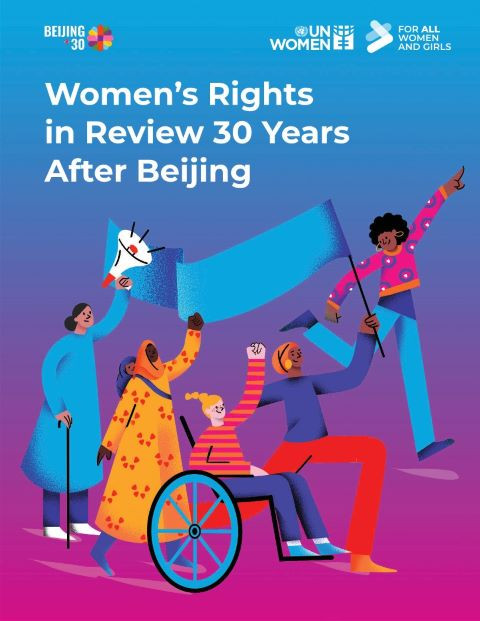 Women’s Rights in Review 30 Years after Beijing Year of publication: 2025 Corporate author: United Nations Entity for Gender Equality and the Empowerment of Women (UN Women) In 2025, the world celebrates 30 years of achievement on the Beijing Declaration and Platform for Action, a visionary 1995 plan agreed by 189 governments to achieve the equal rights of all women and girls. The UN Secretary-General’s report on the 30-year review and appraisal of the Beijing Declaration and Platform for Action reflects global, regional, and national reviews of 159 countries, summarizing progress and priorities for further action. It finds that many countries have made strides on gender equality and women’s empowerment, from banning discrimination in employment to adopting gender-responsive climate action plans. Innovation is accelerating progress, and opportunities are opening to scale up proven strategies. Yet gender discrimination remains deeply embedded in all economies and societies, imposing chronic constraints on the rights and hopes of women and girls.
  La situation des droits humains dans le monde: Avril 2024 Year of publication: 2024 Corporate author: Amnesty International Le Rapport d’Amnesty International décrit la situation des droits humains dans le monde en 2023 dans 155 pays différents. Les équipes de journalistes et d’enquêteurs de l'ONG peignent un portrait plutôt sombre, avec notamment un recul du droit des femmes, les conséquences dramatiques du réchauffement climatique sur les populations les plus vulnérables, le recul du droit de manifester, ou encore la prolifération de la haine en ligne dans le monde. La multiplication des conflits armés et le choc du 7 octobre ont également eu des conséquences dramatiques. Cependant, quelques bonnes nouvelles sont aussi à noter, avec des avancées pour les droits des personnes LGBTI par exemple. Amnesty International Report describes the human rights situation worldwide in 2023 in 155 different countries. TheNGO's teams of journalists and investigators paint a rather gloomy picture, with, in particular, a decline in women's rights, the dramatic consequences of global warming on the most vulnerable populations, a decline in the right to protest, and the proliferation of online hate around the world. The multiplication of armed conflicts and the shock of October 7 have also had dramatic consequences. However, there is some good news too, with advances in LGBTI rights for example. La situación de los derechos humanos en el mundo: abril de 2024 Year of publication: 2024 Corporate author: Amnesty International Le Rapport d’Amnesty International décrit la situation des droits humains dans le monde en 2023 dans 155 pays différents. Les équipes de journalistes et d’enquêteurs de l'ONG peignent un portrait plutôt sombre, avec notamment un recul du droit des femmes, les conséquences dramatiques du réchauffement climatique sur les populations les plus vulnérables, le recul du droit de manifester, ou encore la prolifération de la haine en ligne dans le monde. La multiplication des conflits armés et le choc du 7 octobre ont également eu des conséquences dramatiques. Cependant, quelques bonnes nouvelles sont aussi à noter, avec des avancées pour les droits des personnes LGBTI par exemple. Amnesty International Report describes the human rights situation worldwide in 2023 in 155 different countries. TheNGO's teams of journalists and investigators paint a rather gloomy picture, with, in particular, a decline in women's rights, the dramatic consequences of global warming on the most vulnerable populations, a decline in the right to protest, and the proliferation of online hate around the world. The multiplication of armed conflicts and the shock of October 7 have also had dramatic consequences. However, there is some good news too, with advances in LGBTI rights for example.
  Education Sector Analysis: Methodological Guidelines (Vol. 3) Year of publication: 2021 Corporate author: UNESCO International Institute for Educational Planning (IIEP) | United Nations Children's Fund (UNICEF) | Global Partnership for Education (GPE) | Foreign, Commonwealth & Development Office (UK) This present volume is the third in a series of education sector analysis (ESA) guidelines following two volumes published in 2014. The series provides methodologies and applied examples for diagnosing education systems and informing national education policies and plans. This volume proposes guidelines to strengthen national capacities in analyzing education systems in four areas: inclusive education system for children with disabilities, risk analysis for resilient education systems, functioning and effectiveness of the educational administration, and stakeholder mapping and problem-driven analysis (governance and political economy).
 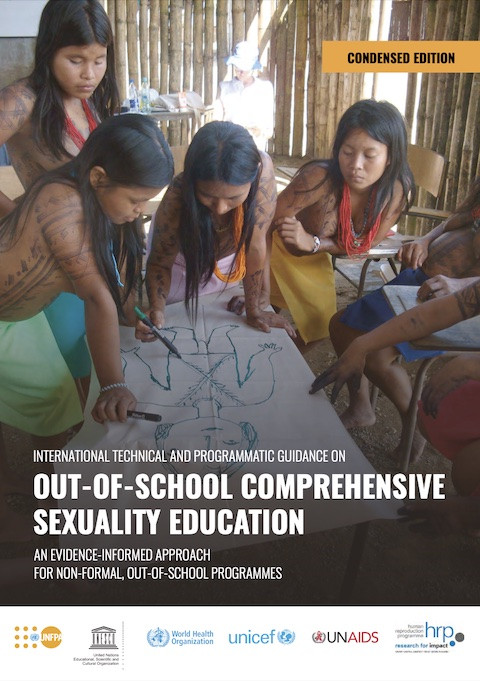 International Technical and Programmatic Guidance on Out-of-School Comprehensive Sexuality Education: An Evidence-Informed Approach for Non-Formal, Out-of-School Programmes Year of publication: 2020 Corporate author: United Nations Population Fund (UNFPA) This Guidance complements and refers to the International Technical Guidance on Sexuality Education published in 2018. Informed by evidence and grounded in a human-rights approach, this out-of-school edition provides concrete guidelines and recommendations to ensure that the most vulnerable young people receive information that enables them to develop the knowledge and skills they need to make informed choices about their sexual and reproductive health. Orientaciones técnicas y programáticas internacionales sobre educación integral en sexualidad fuera de la escuela: Un enfoque basado en evidencia para programas extraescolares Year of publication: 2020 Corporate author: United Nations Population Fund (UNFPA) Estas Orientaciones complementan y hacen referencia a las Orientaciones Técnicas Internacionales sobre Educación en Sexualidad publicadas en 2018. Elaborada a partir de evidencia y basada en un enfoque de derechos humanos, esta edición extraescolar proporciona orientaciones y recomendaciones concretas para asegurarnos de que las y los jóvenes más vulnerables reciban información que les permita desarrollar los conocimientos y las habilidades que necesitan para tomar decisiones informadas relacionadas con su salud sexual y reproductiva. Международное техническое и программное руководство по внешкольному комплексному сексуальному образованию: Информационно-доказательный подход для неформальных внешкольных программ Year of publication: 2020 Corporate author: United Nations Population Fund (UNFPA) Данное Руководство дополняет «Международное техническое руководство по сексуальному образо- ванию», опубликованное в 2018 году, и разработано на его основе. В данном издании для внешкольных программ, которое опирается на факты и использует правозащитный подход, даны конкретные инструкции и рекомендации, которые помогут наиболее уязвимым категориям молодых людей расширить свои знания и навыки, необходимые для принятия взвешенных решений, касающихся сексуального и репродуктивного здоровья.
 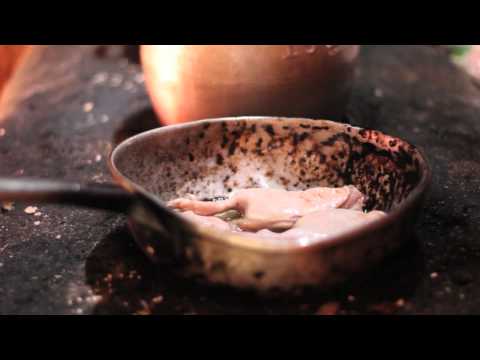 Guinea Pig VF (S. Prijot) Year of publication: 2015 Corporate author: Îles de Paix In Peru, the guinea pig is bred for its protein-rich flesh. For a long time, they grew up within the family itself, without any particular precaution in terms of hygiene and the care to be provided to them. Thanks to the intervention of Iles de Paix, a hundred women were trained in the breeding of these animals, thus making it possible to improve the quality and the quantity of the production. Through this action, many families have seen their food enriched considerably and for some, their income improved.