
Resources
Explore a wide range of valuable resources on GCED to deepen your understanding and enhance your research, advocacy, teaching, and learning.
3,446 Results found
 Анализ культурынх ценностей Российской молодежи и мигрантов из стран Центральной Азии на современном этапе (по методике Г. Хофстеде) Year of publication: 2022 Author: A.I. Evdokimov | I.V. Ponomareva Данная работа является обобщающим анализом культурных ценностей у молодых россиян и мигрантов из стран Центральной Азии, проведенной в 2019– 2021 гг. по методике голландского ученого Герта Хофстеде. В проведенном социологическом исследовании принимали участие 404 человека: 182 представителя российской молодежи и 222 представителя миграционных сообществ государств Центральной Азии.
 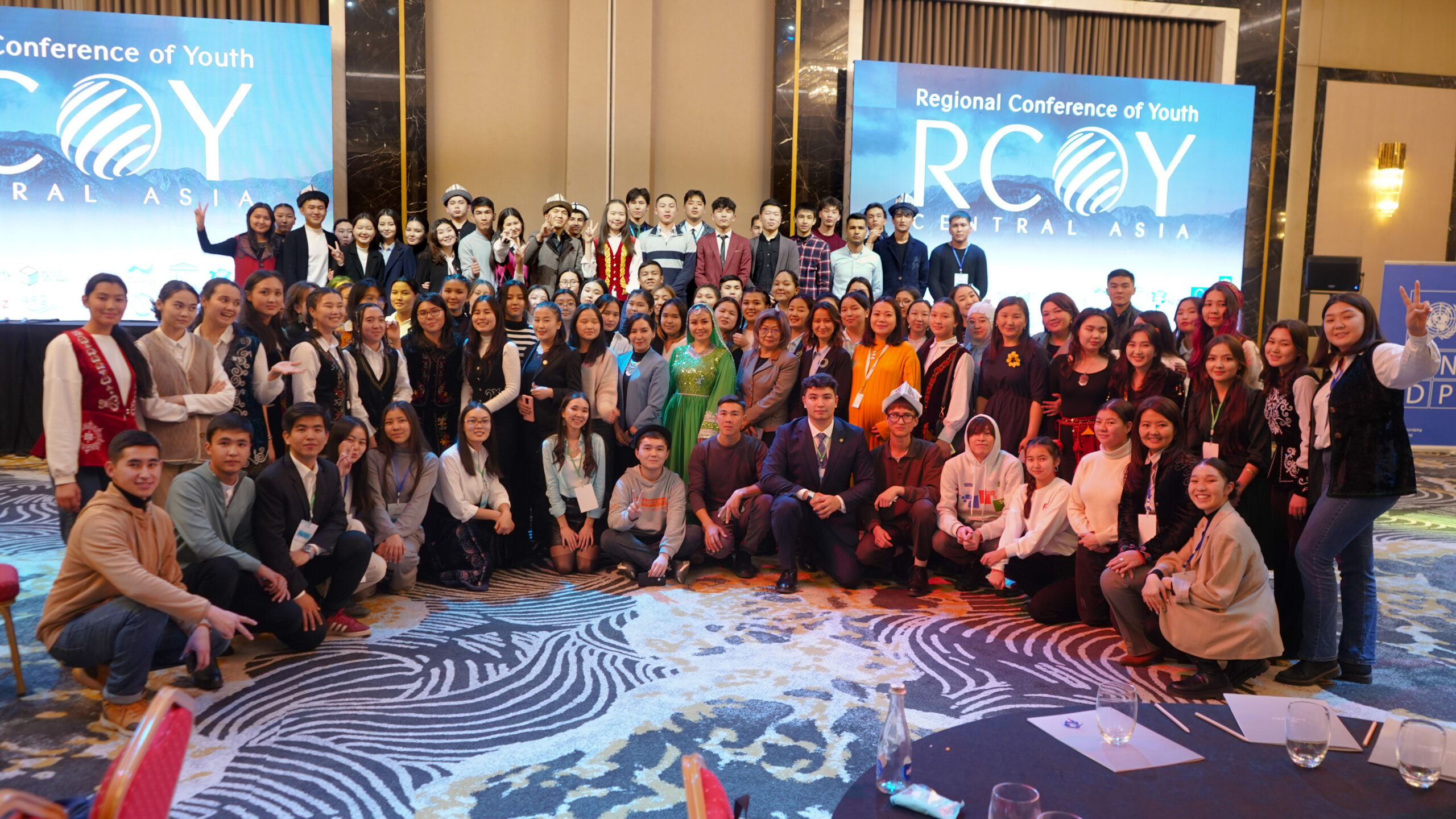 Youth Involvement in Climate Issues in Kazakhstan and Tajikistan: Illusion or Reality? Year of publication: 2024 Author: Anisa Abibulloyeva | Mukhtar Amanbayuly Corporate author: Central Asian Bureau for Analytical Reporting (CABAR) Government agencies in Central Asian countries and international organizations that deal with environmental issues, especially climate change, do not sufficiently take into account the opinions of young environmentalists, according to young experts from Tajikistan and Kazakhstan, Anisa Abibulloyeva and Mukhtar Amanbayuly. Вовлечение молодежи в климатические вопросы в Казахстане и Таджикистане: иллюзия или реальность? Year of publication: 2024 Author: Anisa Abibulloyeva | Mukhtar Amanbayuly Corporate author: Central Asian Bureau for Analytical Reporting (CABAR) Государственные органы стран Центральной Азии и международные организации, которые занимаются проблемами окружающей среды, особенно изменения климата, недостаточно учитывают мнения молодых экологов, считают молодые эксперты из Таджикистана и Казахстана Аниса Абибуллоева и Мухтар Аманбайулы.
 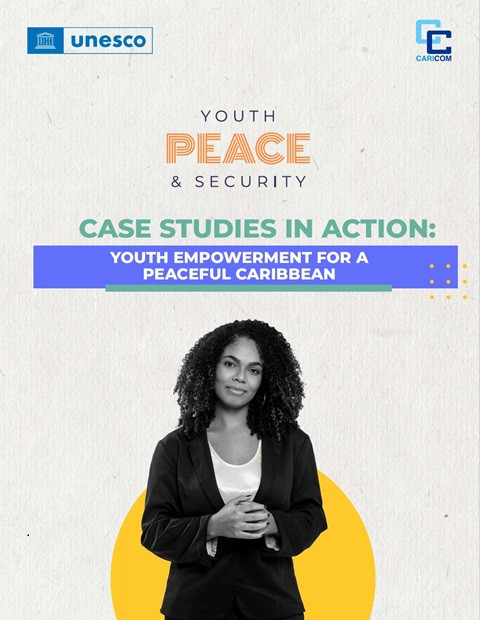 Case Studies in Action: Youth Empowerment for a Peaceful Caribbean Year of publication: 2024 Author: Gizem Kilinç Corporate author: UNESCO Kingston This compilation, titled “Case Studies in Action: Youth Empowerment for a Peaceful Caribbean” presents fourteen concise case studies highlighting (sub-)regional, national, and local initiatives that contribute to the operationalisation of the Youth, Peace, and Security (YPS) agenda. It features a combination of initiatives led by government, regional organisations, the United Nations, youth organisations, civil society, and multi-stakeholder groups across the Dutch and English-speaking Caribbean. The primary objective of this overview is to enrich the knowledge base on meaningful youth engagement in peace and security issues within the region, shedding light on successful approaches, obstacles encountered, and lessons learned. Organised into five sections aligned with the pillars of the YPS agenda—prevention, protection, disengagement and reintegration, partnership, and participation—the case studies are accompanied by an introduction and a summary of recommendations.
  An Unimagined Community? Examining Narratives of the Holocaust in Lithuanian Textbooks 2011 marked 20 years since the collapse of the Soviet Union. This represented a change not just in the content of education or ideologies, but in the relationships between individuals, institutions and systems. During this time, the post-Soviet Republic of Lithuania not only had to reimagine its national identity in a local context, but it also had to reimagine itself as a community within the political, economic, and historical imaginations of the North Atlantic Treaty Organization (NATO) and the European Union (EU). Therefore, in Lithuania, as in many other post-Soviet countries, debates over which events should or should not be included as part of the national identity, and thus represented in the school curriculum, are more than just discussions about educational content; they are debates over the moral legitimacy of certain narratives and the ability of sovereign states to define them. (By the publisher) Textbooks and the Holocaust in Independent Ukraine: An Uneasy Past The article examines how Ukrainian history textbooks dealt with the Holocaust between independence and 2006. The analysis reveals two major, conflicting narratives about the Holocaust, though both externalize and relativize the Holocaust. As a template for understanding genocide, the Holocaust was applied to the Soviet-imposed 1932-33 famine in Ukraine, the Holodomor. The emphasis placed on the famine in both narratives partially obscures the Holocaust and in propagating the Judeo-Bolshevik myth, turns Jews into leading perpetrators of the Holodomor. In the Ukrainian case, the complex relationship among history, historical culture, and contemporary politics is compounded by the familiar tension between national history and the international reality of the Holocaust. The historical Sovietization of Holocaust victims was attacked by historians in the Ukrainian diaspora who resented the accusations that Ukrainians were collaborators and fascists. They sought to replace the Soviet historical narrative with one that made Ukrainians the central victims, not perpetrators. Ukraine's own nationalization of the Holocaust functioned in much the same way as the Sovietization of the Holocaust. Nationalization, obfuscation, and an implicit competition among victim narratives all contribute to the relatively complicated place of the Holocaust in Ukrainian historical narratives. (By the author)
 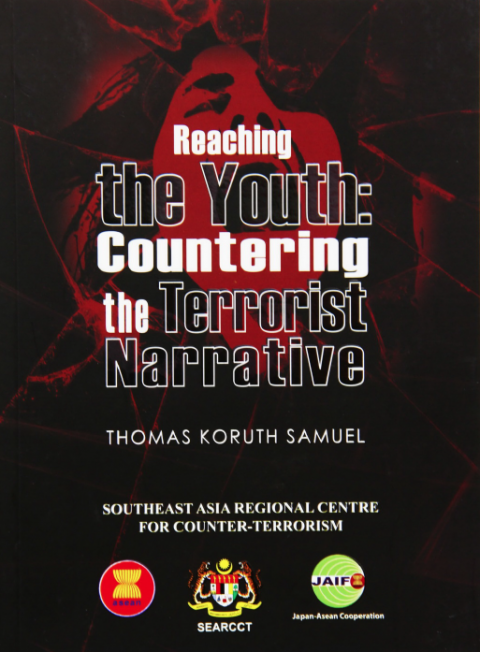 Reaching the Youth: countering the Terrorist Narrative Year of publication: 2012 Author: Thomas Koruth Samuel This monograph studies the issue of the dynamics of youth and terrorism, paying close attention to the methods used by terrorists to entice the youth, the message or the narrative of the terrorists, and the possible counter-narrative that could be subsequently developed. Reaching the Youth: countering the Terrorist Narrative Year of publication: 2012 Author: Thomas Koruth Samuel Cette monographie étudie la dynamique entre la jeunesse et le terrorisme en accordant une attention particulière aux méthodes utilisées par les terroristes pour attirer les jeunes, leurs messages ou discours, et le contre-récit éventuel qui pourrait être développé par la suite.
 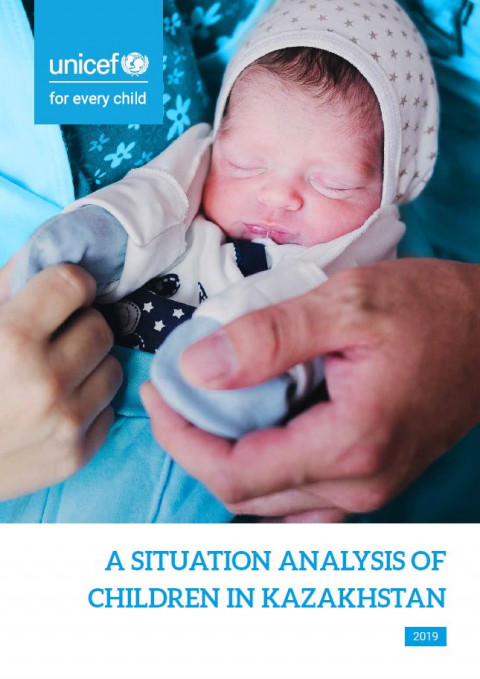 A Situation Analysis of Children in Kazakhstan Year of publication: 2019 Corporate author: UNICEF Kazakhstan Kazakhstan has set the overarching objective of becoming one of the 30 most developed countries in the world by 2050. Children and adolescents in Kazakhstan, who constitute 31.4 per cent of the total population, should be the beneficiaries and active contributors to achieving these goals. This Situation Analysis provides analysis and recommendations to ensure that children remain at the centre of the country’s development priorities. It confirms measurable progress made in advancing the rights of children and identifies outstanding challenges. Анализ положения детей в Республике Казахстан Year of publication: 2019 Corporate author: UNICEF Kazakhstan Казахстан поставил перед собой важную стратегическую цель – стать одной из 30 самых развитых стран мира к 2050 году. При этом нынешние дети и подростки, составляющие 31,4% от общей численности населения страны, будут теми, кто больше всех ощутит положительные изменениня и поэтому также должны стать активными участниками в реализации поставленной цели.В данном документе представлены анализ и рекомендации, направленные на то, чтобы дети оставались в центре приоритетов развития страны. Отчет подтверждает ощутимый прогресс, достигнутый в продвижении прав детей, а также выявляет факторы, влияющие на их уязвимость.