
Resources
Explore a wide range of valuable resources on GCED to deepen your understanding and enhance your research, advocacy, teaching, and learning.
950 Results found
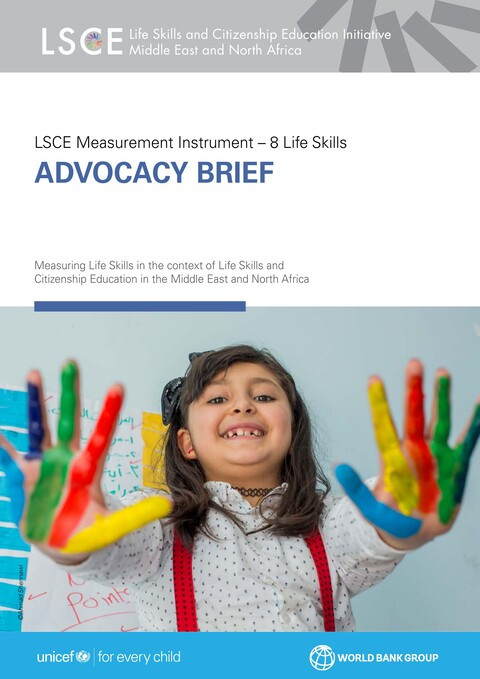 LSCE Measurement Instrument: Measuring Life Skills in the Context of Life Skills and Citizenship Education in the Middle East and North Africal; Advocacy Brief Year of publication: 2021 Corporate author: UNICEF Middle East and North Africa Teaching and learning life skills is incredibly important for empowering children and young people to achieve success in education, employment, and personal goals. Nevertheless, few education systems have integrated life skills into their education systems. One of the reasons for this is challenges concerning the lack of knowledge as to how life skills can be measured, assessed, and evaluated. Building on the regional Life Skills and Citizenship Education (LSCE) framework in the Middle East and North Africa (MENA), UNICEF and The World Bank have developed this LSCE Measurement Instrument, to measure the national level of grade 7 students’ scores in eight life skills as national large-scale assessment.
 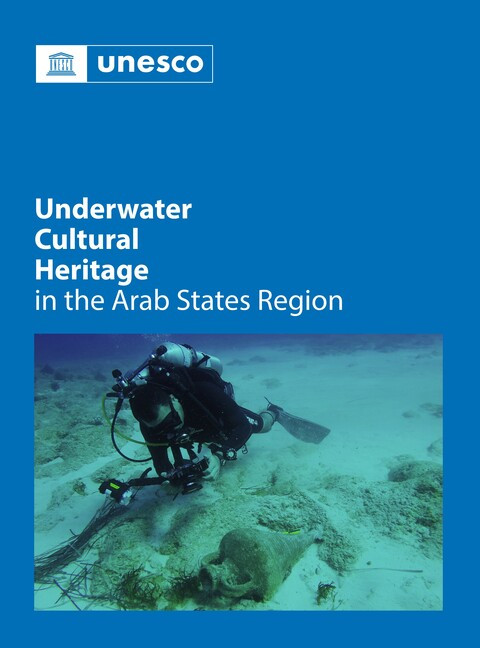 التراث الثقافيّ المغمور بالمياه في منطقة الدول العربيّة Year of publication: 2023 Corporate author: UNESCO Cairo "التراث الثقافي المغمور بالمياه في المنطقة العربية تعرف منظمة اليونسكو التراث الثقافي المغمور بالمياه بأنه ""جميع آثار الوجود الإنساني ذات الطابع الثقافي أو التاريخي أو الأثري والتي ظلت مغمورة بالمياه جزئيا أو كليا، بشكل دوري أو متواصل، لمدة 100 عام على الأقل"". مثل: أنا. المواقع والهياكل والمباني والمصنوعات اليدوية والرفات البشرية، إلى جانب سياقها الأثري والطبيعي؛ ثانيا. السفن أو الطائرات أو المركبات الأخرى أو أي جزء منها أو حمولتها أو محتوياتها الأخرى، بالإضافة إلى سياقها الأثري والطبيعي؛ وثالثا. كائنات ذات طابع ما قبل التاريخ ""1. يتعلق هذا التعريف في المقام الأول بالعمر والظروف البيئية للرواسب، أي أن البقايا يجب أن تكون موجودة كليًا أو جزئيًا ""تحت الماء"" لمدة 100 عام على الأقل، بغض النظر عن نوعها أو طبيعتها أو ثقافتها التي ينتمون إليها. بمجرد التأكد من هذه العناصر الأساسية، يمكن تعريف المادة الأثرية بشكل أكبر وفقًا لواحد أو أكثر من المعايير المحددة: - التسلسل الزمني - الفترة الزمنية التي يعود تاريخ البقايا إليها؛ - المنطقة – المنطقة الجغرافية التي تم العثور على الرفات فيها؛ - التصنيف - التصنيف المادي للبقايا، على سبيل المثال، الفخار وعظام الحيوانات والحجر وما إلى ذلك. من المهم أن ندرك أنه في حين أن المعايير المذكورة أعلاه ستظل ثابتة، فإن الطبيعة ""تحت الماء"" للبقايا الأثرية عرضة للتغيير، نتيجة للتدخل البشري أو البيئي. على سبيل المثال، العديد من المواقع التي حدث فيها نشاط ما قبل التاريخ على الأرض، وعادةً ما تكون قريبة من الشواطئ القديمة، هي: 1 - اليونسكو. 2001. اتفاقية حماية التراث الثقافي المغمور بالمياه. باريس: وثائق المؤتمر العام، الجلسة الحادية والثلاثون، المادة.التراث الثقافي المغمور بالمياه في منطقة الدول العربية مغمور الآن بسبب ارتفاع منسوب سطح البحر. وبالمثل، فإن أشياء مثل السيوف، التي تم إيداعها في البحيرات أو الأنهار كجزء من طقوس الماضي، كانت تُصنع وتستخدم على الأرض. ولذلك أصبحت هذه المواقع والمصنوعات اليدوية تستوفي تعريف ""التراث الثقافي المغمور بالمياه"". والعملية المعاكسة ممكنة أيضًا: فحطام السفينة، على سبيل المثال، أو بقايا المواد الأخرى التي يتم رفعها من قاع البحر ووضعها في المتحف، ستفقد مكانتها كـ UCH. يخبرنا هذا الفارق الدقيق أن UCH ليس بالضرورة مصطلحًا علميًا ثابتًا. وهي تتعلق بالبيئة تحت الماء التي توجد فيها الثقافة المادية وليس بأي سمة أثرية أو ثقافية متأصلة. هذا لا يعني أن موقع الثقافة المادية تحت الماء ليس مهمًا: على العكس من ذلك، يكشف السياق تحت الماء عن تغييرات في الاستخدام والحالة والمعنى بمرور الوقت. إن التغيرات المادية التي يمكن أن تسببها البيئة تحت الماء، مثل التآكل أو الاضمحلال، والتغيرات الطبيعية والاجتماعية والأيديولوجية التي يمكن أن تعكسها المواقع تحت الماء، هي أجزاء حيوية من تاريخ حياة الموقع أو الكائن. يعد الموقع تحت الماء أيضًا عاملاً رئيسياً في تحديد التقنيات والأساليب العلمية التي يجب استخدامها عند التعامل مع هذا النوع من الثقافة المادية لأغراض الاستكشاف أو البحث أو التوثيق أو التنقيب أو الحفظ أو العرض أو العرض العام. وبالتالي، فإن دراسة UCH عادة ما تتطلب استخدام أدوات وتقنيات تختلف عن تلك المستخدمة في المواقع الأثرية الأرضية. لهذا السبب، كثيرًا ما يتم ذكر التراث تحت الماء بالارتباط مع علم الآثار المغمورة بالمياه، أي الأعمال الأثرية، مثل التنقيب والتسجيل والتحليل، التي تتم في مواقع مغمورة جزئيًا أو كليًا. ويخضع علم الآثار المغمورة بالمياه لنفس المبادئ والمعايير العلمية التي تحكم العمل الأثري على الأرض، ولكنه مصمم خصيصًا ليتناسب مع التحديات المحددة التي تفرضها الظروف تحت الماء. وبالتالي فإن مصطلح ""علم الآثار المغمورة بالمياه"" ليس فرعًا من فروع علم الآثار. بل هو مصطلح تقني يشير إلى مجموعة محددة من الأدوات والتقنيات المستخدمة في إجراء الأعمال الأثرية تحت الماء، ضمن الإطار الأوسع ومبادئ البحث الأثري." Underwater Cultural Heritage in the Arab States Region Year of publication: 2023 Corporate author: UNESCO Cairo "Underwater Cultural Heritage in the Arab State RegionUnderwater Cultural Heritage (UCH) is defined by UNESCO as “all traces of human existence having a cultural, historical or archaeological character which have been partially or totally under water, periodically or continuously, for at least 100 years such as: i. sites, structures, buildings, artefacts and human remains, together with their archaeological and natural context; ii. vessels, aircraft, other vehicles or any part thereof, their cargo or other contents, together with their archaeological and natural context; and iii. objects of prehistoric character”1.This definition relates primarily to the age and environmental conditions of the deposit, i.e., the remains must have existed fully or partially “underwater” for at least 100 years, regardless of their type, nature, or the culture to which they belong. Once these core elements have been confirmed, the archaeological material can be defined further according to one or more specific criteria: - chronology – the time period the remains date from; - region – the geographical area where the remains were found; - typology – the physical categorisation of the remains, e.g., pottery, animal bone, stone etc.It is important to recognise that while the above criteria will remain constant, the “underwater” nature of the archaeological remains is subject to change, as a result of either human or environmental intervention. For example, many sites where prehistoric activity took place on land, usually close to ancient shorelines, are • 1 - UNESCO. 2001. Convention on the Protection of the Underwater Cultural Heritage. Paris: Records of the General Conference, 31st ses-sion, Article.Underwater Cultural Heritage in the Arab State Regionnow submerged due to rising sea levels. Similarly, items such as swords, deposited in lakes or rivers as part of past rituals, were made and used on land. These sites and artefacts have therefore come to meet the definition of “Underwater Cultural Heritage”. The opposite process is also possible: a shipwreck, for example, or other material remains lifted from the seabed and placed in a museum would lose its status as UCH. This nuance tells us that UCH is not necessarily a constant scientific term. It relates to the underwater environment in which the material culture is located rather than any inherent archaeological or cultural attribute2. That is not to say that the material culture’s underwater location is not important: on the contrary, the underwater context reveals changes in use, condition and meaning over time. The physical changes that the underwater environment can cause, such as corrosion or decay, and the natural, social and ideological changes that underwater locations can reflect, therefore, are vital parts of a site or object’s life history. The underwater location is also a key factor in determining which scientific techniques and methods to use when dealing with this type of material culture for purposes of exploration, research, documentation, excavation, conservation, presentation or public display. Thus, the study of UCH usually requires the use of tools and techniques that differ from those employed on terrestrial archaeological sites3. For this reason, UCH is frequently mentioned in association with underwater archaeology, i.e., archaeological work, such as excavation, recording and analysis, that takes place on partially or fully submerged sites. Underwater archaeology is governed by the same scientific principles and standards as archaeological work on land but is tailored to the specific challenges of underwater conditions4. The term “underwater archaeology” is not, therefore, a sub-discipline of archaeology. Instead, it is a technical term referring to a specific set of tools and techniques used in conducting archaeological work underwater, within the wider framework and principles of archaeological research."
  The Role of School Principal in Enhancing the Partnership Between School and Community in the Sultanate of Oman Year of publication: 2010 Author: Mohammed Ali Zeeb Ashour Corporate author: University of Bahrain. Scientific Publishing Center This study aimed at identifying the role of school principal in enhancing the partnership between school and community in Oman, from school employees and community members’ perspectives. It also aimed at finding out the statistical significant differences in the role of school principal in enhancing the partnership between school and community - due to job title and educational district. The study community comprised 9877, and the sample consisted of (513) persons, and (80) community members. To achieve the aims of this study a questionnaire was developed of (41) items distributed into five domains.The study showed the following results: - The role of school principal in enhancing the partnership between school and community showed an average degree. - The domains of the role of school principal came into the following order: vision and general educational processes and objectives, partnership in providing financial support to school, partnership in school administrative affairs, and lastly the partnership in school planning. - There were significant statistical differences in the responses to the educational district variable at all domains except in partnership in the school administrative affairs domain. - There were no significant statistical differences in the responses of the study sample to the job title variable at all domains, except in the partnership in providing consultant to school domain, in favor of principals.
  تطوير الشراكة بين الأسرة والمدرسة ضرورة ملحة لتعليم متميز Year of publication: 2010 Author: الزكي، أحمد عبد الفتاح Corporate author: King Saud University تستهدف الورقة إلقاء الضوء على مفهوم الشراكة في التعليم وعلاقته ببعض المفاهيم الأخرى كالمشاركة المجتمعية، والمشاركة الوالدية، ودور ذلك في تطوير العملية التعليمية وتحسينها، ولذلك تستعرض الدراسة نشأة تلك الشراكة واتجاهاتها، وأهدافها، وتلقي الضوء على أهمية الشراكة بين الأسرة والمدرسة وفوائدها، وتشير إلى أنماط تلك الشراكة وأساليبها، وتوضح الورقة أيضا المشكلات والمعوقات التي تواجه تلك الشراكة. وتختتم الورقة بطرح بعض متطلبات تفعيل الشراكة بين الأسرة والمدرسة. Developing Partnership between Family and School, a Must for Distinguished Education Year of publication: 2010 Author: الزكي، أحمد عبد الفتاح Corporate author: King Saud University This paper aims at shedding light on the concept of partnership in education and its relation to other concepts such as The paper shows the origin, trends and aims of partnership clarifying its importance and benefits. It also shows the techniques and strategies of partnership between family and school from around the world . The paper lists the problems and obstacles facing this partnership and concludes with discussing the requirements of activating the partnership between family and school.
  إعداد المعلم العربي للألفية الثالثة : تحديات واتجاهات Year of publication: 2007 Author: جرار، سمير Corporate author: Lebanese Association for Educational Studies (LAES) يستعرض البحث التحديات والتوجهات الخاصة بالإعداد المستقبلي للمعلمين في الدول العربية والحاجة إلى تمهين التعليم مع المحافظة على نوعيته وجودته في عصر المعلومات ومجتمع المعرفة. وبعد الحديث عن مسيرة إعداد المعلمين في البلدان العربية وتدريبهم يدعو الباحث إلى إعادة النظر في عملية الإعداد بحيث تتوافق مع الرؤية الجديدة للتعلم ولوظيفة المعلم في آن واحد، كما يدعو إلى تعزيز الشراكة بين كليات التربية وبين المدارس المتعاونة معها للقيام بمهمة الإعداد. ويشدد البحث على أهمية اعتماد قواعد جديدة لاختيار المرشحين لدخول مهنة التعليم مع السعي لتجديد برامج إعداد المعلمين في المستوى الجامعي بصورة مستمرة وتشجيع التعليم الذاتي للطالب المعلم. ويبرز البحث كذلك أهمية اعتماد إجراءات أصبحت شائعة في البلدان المتقدمة مثل الترخيص لممارسة مهنة التعليم، وإجازة برامج الإعداد، ومعايير الترقي المهني للمعلمين، ويدعو أخيراً إلى إنشاء مركز متخصص بالبحث في تقنيات التعلم والتعليم وكيفية تكوين المعلم العربي الجديد. Preparing Arab Teachers for the 3rd Millennium: Trends & Challenges Year of publication: 2007 Author: جرار، سمير Corporate author: Lebanese Association for Educational Studies (LAES) The chapter outlines the challenges and trends in teacher preparation in Arab states. The need is to improve instruction and raise its quality in the knowledge-based societies. After discussing the history of teacher preparation in Arab countries, the author advocates a re-examination of the training process, so that it conforms to new visions of education and the ever changing role of the teacher. He also advocates partnerships between Faculties of Education and schools, so that they can carry out the task of preparation. The chapter stresses the importance of adopting new criteria for accepting newcomers to the teaching profession; seeking to renew teacher training programs at the university level on a continuing basis. The author highlights the importance of adopting measures that have become common, such as teacher certification and program accreditation, training programs and promotion and setting standards for teachers. Finally, it calls for establishing a research center specialized in teaching and instructional methods. The center will produce professional models for preparing teachers.
  دراسة تقويمية للكتب المدرسية الجديدة في ضوء مبادئ حقوق الانسان والمساواة بين الجنسين Year of publication: 2010 Author: كاك، مصطفى Corporate author: Conseil Supérieur de l'éducation, de la Formation et de la Recherche Scientifique تتناولت هذه الورقة مضامين الكتب المدرسية نظرا لما تثيره من نقاش لقوة تأثيرها ولأهمية الأدوار التي تسند إليها في تشكيل قيم وآراء المتعلمين. وقد أنجزت هذه الدراسة في إطار برنامج مشترك بين رابطة التربية على حقوق الإنسان واللجنة المركزية لحقوق الإنسان والمواطنة بوزارة التربية الوطنية والتعليم العالي وبمشاركة جمعيات مدنية في مجال حقوق الإنسان ومناهضة العنف ضد المرأة، لقراءة خمسين كتابا من الكتب المدرسية الجديدة بالمغرب وتقويمها في ضوء مبادئ حقوق الإنسان والمساواة بين الجنسين. وقد انطلق الفريق من إشكالية محددة هي: هل تغيرت فعلا وضعية الكتاب المدرسي من الكتاب الواحد، الذي لا يهتم سوى بالمضامين، إلى تعدد الكتب، وفق هندسة بيداغوجية حديثة متمركزة حول حاجات المتعلمين ومراعاة مستوياتهم الفكرية واللغوية وسيرورات تعلمهم، بهدف تنمية ردود أفعال ديمقراطية نابعة من قيم المواطنة وحقوق الإنسان؟ وقد تمحورت نتائج الدراسة حول ثلاثة مستويات: صورة المرأة في الكتاب المدرسي، المساواة بين الجنسين في مجموعة من الحقوق الأساسية، مبادئ حقوق الإنسان التي ينشرها الكتاب المدرسي. An Evaluation Study of the New School Books in Light of Human Rights Principles and Gender Equality Year of publication: 2010 Author: كاك، مصطفى Corporate author: Conseil Supérieur de l'éducation, de la Formation et de la Recherche Scientifique The study was part of a joint program between the Association of Education on Human Rights in Morocco and the Central Committee for Human Rights at the Ministry of National Education and Higher Education, with the participation of civil organizations active in the fields of human rights and combatting violence against women. The program consisted of reading fifty school books and evaluating them regarding human rights and gender equality. The team started from the specific assumption: Has the situation of the school book actually changed from a single book that is solely concerned with contents to multiple books according to a modern pedagogical engineering that is centered around the teachers’ needs and respecting their mental and linguistic levels and their learning processes, with the objective of developing democratic reactions arising from citizenship values and human rights? The outcomes of the study came in three levels: The image of women in school books, gender equality in some of the fundamental human rights and the principles of human rights that the school book promotes.