
Resources
Explore a wide range of valuable resources on GCED to deepen your understanding and enhance your research, advocacy, teaching, and learning.
3,451 Results found
 La estrategia y plan de acción de las Naciones Unidas para la lucha contra el discurso de odio Year of publication: 2019 Corporate author: United Nations (UN) En respuesta a la alarmante tendencia del aumento del discurso del odio por todo el mundo, el Secretario General, António Guterres, presentó la Estrategia y Plan de Acción de las Naciones Unidas para la lucha contra el Discurso de Odio, el 18 de junio de 2019.Con el objetivo de mejorar la respuesta de la ONU ante el fenómeno del discurso de odio, esta estrategia es el resultado de la estrecha colaboración entre 16 entidades dentro del Grupo de Trabajo de la ONU para la lucha contra el Discurso de Odio y está coordinada por la Asesora Especial de las Naciones Unidas para la Prevención del Genocidio.La Estrategia se compromete firmemente a intensificar la acción coordinada para hacer frente al discurso del odio, tanto a escala mundial como nacional. Стратегия и план действий Организации Объединенных Наций по борьбе с языком ненависти Year of publication: 2019 Corporate author: United Nations (UN) В ответ на тревожные тенденции роста ксенофобии, расизма и нетерпимости, воинствующего женоненавистничества, антисемитизма и ненависти в отношении мусульман во всем мире Генеральный секретарь Организации Объединенных Наций Антониу Гутерриш 18 июня 2019 года объявил о начале реализации Стратегии и плана действий Организации Объединенных Наций по борьбе с языком ненависти. Эта первая инициатива в рамках всей системы Организации Объединенных Наций, направленная на борьбу с языком ненависти, представляет собой дорожную карту того, как Организация может поддерживать и дополнять усилия государств. В стратегии подчеркивается необходимость комплексного противодействия ненависти при соблюдении свободы мнений и их выражения, а также сотрудничества с соответствующими заинтересованными сторонами, включая организации гражданского общества, средства массовой информации, технологические компании и платформы социальных сетей.
  تحويل عالمنا: خطة التنمية المستدامة لعام ٢٠٣٠ - الجمعية العامة للامم المتحدة Year of publication: 2015 Corporate author: United Nations (UN) تمثل هذه الخطة برنـامج عمـل لأجـل النـاس والأرض ولأجـل الازدهـار. وهـي ـدف أيضا إلى تعزيز السـلام العـالمي في جـو مـن الحريـة أفسـح. ونحـن نـدرك أن القضـاء علـى الفقـر بجميع صوره وأبعاده، بما في ذلك الفقر المدقع، هو أكبر تحد يواجه العالم، وهـو شـرط لا غـنى عنه لتحقيق التنمية المستدامة. وستعمل جميع البلدان والجهات صاحبة المصلحة على تنفيـذ هـذه الخطـة في إطـار مـن الشراكة التعاونية. ونحن عاقدون العـزم علـى تحريـر الجـنس الب شـري مـن طغيـان الفقـر والعـوز وعلى تضميد جـراح كوكبنـا وحفظـه. ومصـممون علـى اتخـاذ الخطـوات الجريئـة المفضـية إلى التحـول الـتي تلـزم بصـورة ملحـة للانتقـال بالعـالم نحـو مسـار قوامـه الاسـتدامة والقـدرة علـى الصمود. ونتعهد، ونحن مقبلون على هذه الرحلة الجماعية، بألا يخلف الركب أحد ا وراءه. وتبرهن أهداف التنمية المستدامة، البالغ عددها ١٧ هدفا، وغاياا، البالغ عددها ١٦٩ غاية، التي سنعلن عنها اليوم على اتساع نطاق هذه الخطة العالمية ومدى طموحها. فالمنشود من هذه الأهداف والغايـات هـو مواصـلة مسـيرة الأهـداف الإنمائيـة للألفيـة وإنجـاز مـا يت لم حقـق في إطارها. كذلك يقصد ا إعمال حقوق الإنسان الواجبة للجميع وتحقيق المسـاواة بـين الجنسـين وتمكين النساء والفتيات كافة. وهي أهداف وغايات متكاملـة غـير قابلـة للتجزئـة تحقـق التـوازن بين الأبعاد الثلاثة للتنمية المستدامة: البعد الاقتصادي والبعد الاجتماعي والب عد البيئي. Transforming our world: the 2030 Agenda for Sustainable Development - United Nations General Assembly Year of publication: 2015 Corporate author: United Nations (UN) This plan represents a program of action for people and land and for prosperity. It is also aimed at promoting world peace in a more free atmosphere. We recognize that the eradication of poverty in all its forms and dimensions, including extreme poverty, is the world's greatest challenge and an indispensable condition for sustainable development. All countries and stakeholders will implement this plan within the framework of the cooperative partnership. We are determined to free mankind from the tyranny of poverty and want and to heal and preserve the wounds of our planet. We are determined to take the bold steps leading to the transformation that are urgently needed to move the world towards a path of sustainability and resilience. As we embark on this collective journey, we pledge that no one will be left behind. The 17 Sustainable Development Goals and the 169 targets that we will announce today demonstrate the breadth and ambition of this global agenda. The aim of these goals and objectives is to continue the process of the Millennium Development Goals and achieve what has not been achieved within the framework. They are also intended to realize human rights for all, achieve gender equality and empower all women and girls. These are integral and indivisible goals and objectives that balance the three dimensions of sustainable development: the economic, social and environmental dimensions. استراتيجية الأمم المتحدة وخطة عملها بشأن خطاب الكراهية Year of publication: 2019 Corporate author: United Nations (UN) استجابة للاتجاهات المثيرة للقلق المتمثلة في تصاعد خطاب الكراهية حول العالم، أطلق الأمين العام للأمم المتحدة أنطونيو غوتيريش استراتيجية وخطة عمل الأمم المتحدة بشأن خطاب الكراهية في 18 حزيران/يونيو 2019.تسعى هذه الاستراتيجية إلى تعزيز استجابة الأمم المتحدة للظاهرة العالمية لخطاب الكراهية، وهي نتيجة للتعاون الوثيق بين 16 كيانًا في إطار فريق الأمم المتحدة العامل المعني بخطاب الكراهية وينسقها المستشار الخاص للأمم المتحدة المعني بمنع الإبادة الجماعية.تلتزم الاستراتيجية التزامًا راسخًا بتكثيف العمل المنسق للتصدي لخطاب الكراهية، على المستويين العالمي والوطني. 联合国关于仇恨言论的战略和行动计划 Year of publication: 2019 Corporate author: United Nations (UN) 为应对世界各地仇恨言论上升的惊人趋势,秘书长安东尼奥·古特雷斯于2019年6月18日发布了《联合国关于仇恨言论的战略和行动计划》。该战略旨在帮助联合国加强应对全球仇恨言论现象,是联合国仇恨言论工作组下的16个实体密切协作的成果,由联合国防止灭绝种族罪行特别顾问协调。该战略坚定地承诺在全球和国家层面加强协调行动,以应对仇恨言论。
  Literacy for Empowerment and Transformation: Report of the Secretary-General Year of publication: 2024 Corporate author: United Nations (UN) | UNESCO The present report is submitted in fulfilment of the request made by the General Assembly, in its resolution 77/192, that the Secretary-General, in cooperation with the Director General of the United Nations Educational, Scientific and Cultural Organization (UNESCO), submit to the Assembly at its seventy-ninth session a report on the implementation of the resolution. The Assembly also invited UNESCO to continue its mandated role to lead and coordinate the Education 2030 Agenda and requested UNESCO to continue its coordinating and catalysing role through the implementation of the strategy of the Global Alliance for Liter acy and by continuing to provide support to Member States. The present report provides an overview of the global literacy landscape, highlighting progress, key challenges and recommendations for further promotion of literacy as part of the 2030 Agenda for Sustainable Development, the follow-up to the Transforming Education Summit and beyond.
  평생학습 문화 수용하기: '교육의 미래' 이니셔티브에 대한 기여 Year of publication: 2020 Corporate author: UNESCO Institute for Lifelong Learning (UIL) 유네스코 ‘교육의 미래’ 이니셔티브의 일환으로 발간되는 이 보고서는 교육 분야를 변화시키고, 보다 지속가능하고 건강하며 포용적인 미래를 만들기 위해 이루어진 평생학습의 잠재적 기여를 고찰하고 있다. 이 보고서는 서로 다른 분야와 국가에서 온 12명의 저명한 전문가들의 통찰력을 바탕으로, 평생학습에 대한 확고한 비전과 이를 뒷받침하는 가치와 원칙을 제시한다. 아울러, 교육의 사회적⋅개인적 차원을 인식하고, 평생학습을 새로운 인권으로 인정할 것을 국제사회에 요청하고 있다.이 보고서는 평생학습의 비전을 실현하기 위해서는 인류가 당면한 도전과제의 복잡하고 다차원적인 성격을 효과적으로 파악할 수 있는 초학제적 접근방식을 채택해야 한다고 주장한다. 이 책의 구성은 평생학습을 교육 정책의 주요 원칙으로 삼고, 배경이나 여건에 관계없이 모든 사람들에게 전 생애에 걸쳐 학습 기회를 제공할 수 있는 ‘우호적인 환경’의 주요 특징을 요약하고 있다. 그리고 일련의 주요 메시지를 결론으로 제시하고, 구체적인 행동 방침과 선정된 정책 조치를 보완적으로 논의하고 있다.
 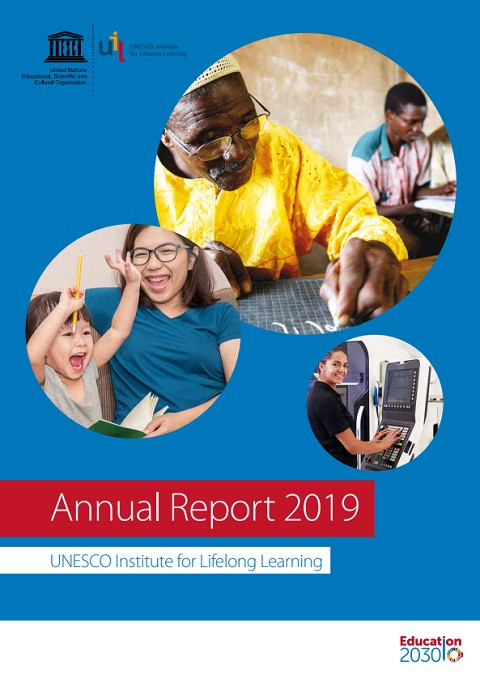 Annual Report 2019: UNESCO Institute for Lifelong Learning Year of publication: 2020 Corporate author: UNESCO Institute for Lifelong Learning (UIL) This report shows how, in 2019, UIL worked to fulfil its mission, with a focus on youth and adults and a special emphasis on UNESCO’s priority areas of Africa and gender equality. UIL’s vision is for all children, young people and adults to benefit from quality lifelong learning opportunities, within the framework of sustainable development and peace. We promote lifelong learning as the leading educational paradigm for inclusive and sustainable learning societies in the context of the United Nations’ 2030 Agenda for Sustainable Development, which provides an ambitious set of goals and targets for Member States that together form a coherent, universal framework of reference for our activities. Working to this framework, and recognizing lifelong learning’s important transversal role not only with respect to Sustainable Development Goal (SDG) 4 on education but across all 17 SDGs, UIL has made an impact across a range of fronts, including in the areas of policy advice, capacity development, research, monitoring, and networking and advocacy. Rapport annuel 2019: Institut de l’UNESCO pour l’apprentissage tout au long de la vie Year of publication: 2020 Corporate author: Institut de l’UNESCO pour l’apprentissage tout au long de la vie (UIL) Ce rapport décrit la façon dont l’Institut a opéré en 2019 pour remplir sa mission en concentrant ses activités sur les jeunes et les adultes, et en mettant particulièrement l’accent sur les domaines prioritaires de l’UNESCO que sont l’Afrique et l’égalité des genres. L’UIL nourrit la vision d’un monde où tous les enfants, tous les jeunes et tous les adultes bénéficient d’offres d’apprentissage de qualité tout au long de leur vie, dans le cadre d’un développement durable et dans un monde en paix. Nous assurons la promotion de l’apprentissage tout au long de la vie en tant que paradigme éducatif majeur de sociétés apprenantes inclusives et durables dans le contexte du Programme de développement durable des Nations unies à l’horizon 2030. Ce programme fournit aux États membres une série d’objectifs et de cibles ambitieux qui, dans leur ensemble, constituent un cadre de référence universel et cohérent pour nos activités. Œuvrant à la réalisation de ce cadre et reconnaissant le rôle important de l’apprentissage tout au long de la vie, non seulement dans l’optique de l’Objectif de développement durable 4 (ODD 4) sur l’éducation, mais aussi, de façon plus générale pour réaliser les 17 ODD, l’UIL s’est engagé sur différents terrains tels que la formulation des politiques et leur mise en œuvre, le développement des capacités, la recherche, le pilotage et suivi ainsi que la mise en réseau et le plaidoyer.