
Resources
Explore a wide range of valuable resources on GCED to deepen your understanding and enhance your research, advocacy, teaching, and learning.
3,229 Results found
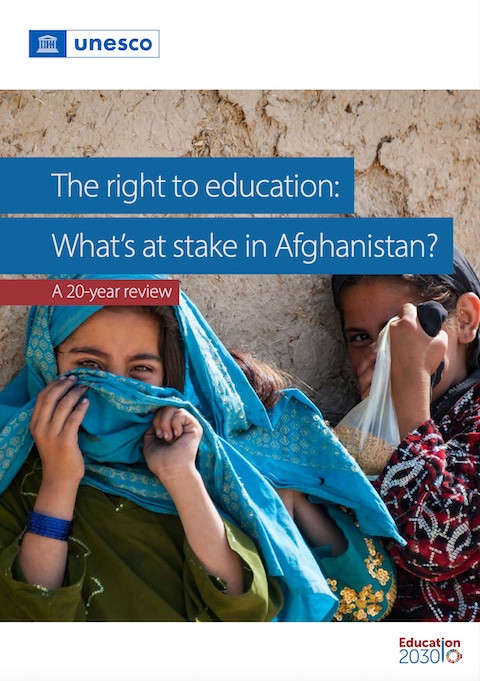 The Right to Education: What’s at Stake in Afghanistan?; A 20-Year Review Year of publication: 2021 Corporate author: UNESCO This report takes stock of the achievements in education made by Afghanistan over the past 20 years and sets out immediate action to safeguard the right to education for all learners following deep political change in the country in 2021.Although Afghanistan lags far behind countries across South and West Asia on most development indicators, it has made impressive progress in education over two decades. Enrolment has increased ten-fold, with substantial gains for girls and female literacy. Female teachers have been hired. Steady efforts have been made to expand the school network across the country.The country has ratified key international normative instruments relating to the right to education; enshrined this right in the Constitution and adopted a wide range of policy measures to increase access, improve education quality and reduce gender, socio- economic and rural/urban disparities.But the challenges remain colossal, with half the primary school-aged children not enrolled in school and very low learning outcomes. The country is highly dependent on external aid to sustain its education system. It needs to uphold state obligations on the right to education without any discrimination and continue removing barriers that impede progress towards the Sustainable Development Goal on education to build the country’s future.
  Inclusion in Early Childhood Care and Education in High-Income Countries Year of publication: 2021 Corporate author: Global Education Monitoring Report Team | UNESCO | Deloitte Access Economics This report reviews the international research and policy literature concerning approaches to inclusion in early childhood care and education (ECCE) in different high-income jurisdictions globally. Each chapter highlights examples of policies and practices which can foster inclusion in ECCE across the themes set out in the Global Education Monitoring (GEM) Report in 2020.As a critical period for children’s intellectual, emotional, social, physical and moral development, supporting inclusion in ECCE is of particular importance for supporting lifelong learning and equitable opportunities for all children. A number of key messages emerging from this review that are instructive to designing policies to promote inclusion in ECCE are summarised below. Inclusion in ECCE is fostered through complementary universal and targeted approaches to most aspects of ECCE governance, financing, policy and service delivery. The implementation of ECCE laws and policies is key to supporting inclusion. As the central actors delivering ECCE services, collaboration within the ECCE workforce is crucial to supporting a community of practice which leads and shares inclusion, while avoiding risks of specialisation. Finally, while many existing ECCE policies, resources and tools are grounded in a deficits-based approach to understanding need, inclusion may be better supported through an approach which focusses on child learning needs and strengths.
 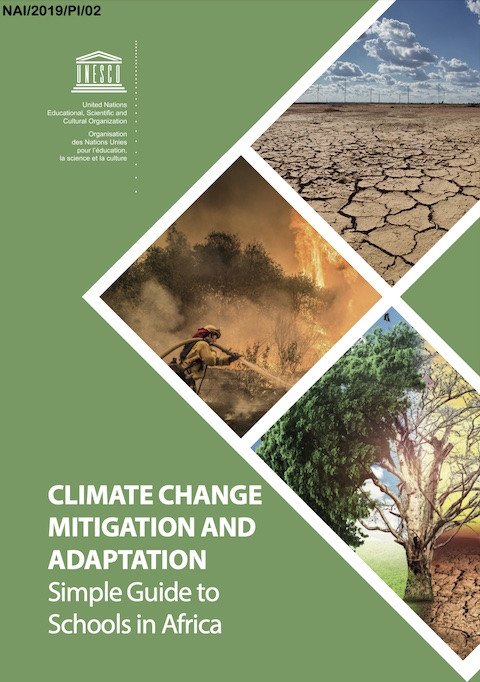 Climate Change Mitigation and Adaptation: Simple Guide to Schools in Africa Year of publication: 2019 Corporate author: UNESCO This booklet aims to support educators in Africa to impart knowledge on climate change to students in secondary level education.
 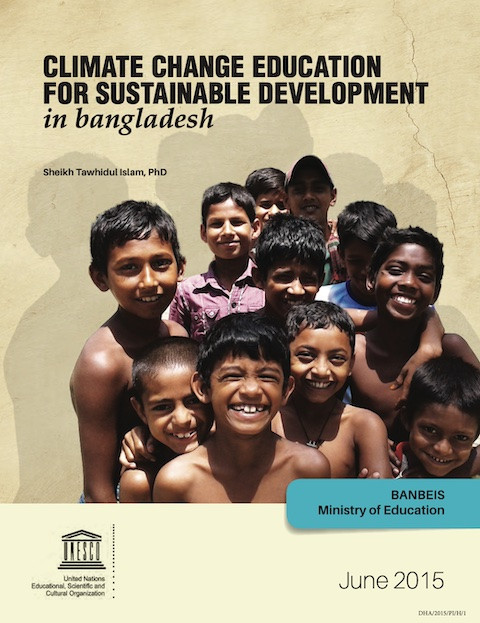 Climate Change Education for Sustainable Development in Bangladesh Year of publication: 2015 Author: Sheikh Tawhidul Islam Corporate author: UNESCO The CCESD pilot study contributes in developing a national baseline scenario regarding disaster and climate change impacts on education sector for the first time in Bangladesh. The information may help education planners and disaster and climate change professionals to act in line with national and international policy directives towards developing a strong and disaster and climate change impact resilient education system in Bangladesh.
  Transforming 'MEN'talities: Gender Equality and Masculinities in India; Roadmap and Scoping Report Year of publication: 2021 Author: Christopher Coley | Christie M. Gressel | Rao R. Bhavani Corporate author: UNESCO This Transforming ‘Men’talities Report is consolidated into a few key messages and crucial responsible parties who can potentially take up these key messages. These recommendations reflect broad areas of theoretical and social science research, policy and governance, and multi- stakeholder engagement. In essence, this report sought to lay a roadmap for how India might best engage men and boys in GEWE (Gender equality and women’s empowerment). Multiple arguments were made in terms of the efficacy of this approach for achieving SDG5; however, these arguments are based largely in theory, in small pilot findings, or in limited sectors. Until now, efforts to engage men and boys in GEWE have been sporadic and limited, given relatively low priority in terms of funding and national and international support, and generally far removed from public consciousness. A more unified and collaborative effort is required to properly understand how to make design effective strategies for engaging men and boys in GEWE.
  Learn, Protect, Respect, Empower: The Status of Comprehensive Sexuality Education in Asia and the Pacific; A Summary Review 2020 Year of publication: 2021 Corporate author: United Nations Population Fund (UNFPA) | UNESCO | International Planned Parenthood Federation (IPPF) More than half of the world’s 1.8 billion young people aged 10–24 live in the Asia and Pacific region1 and a majority of them live in low and middle-income countries. In spite of their diverse socio-economic contexts, young people across this vast region commonly face limited access to sexual and reproductive health and rights (SRHR) information and services, including age-appropriate comprehensive sexuality education. Of the 13 million adolescent girls globally with an unmet need for contraception, approximately half live in Asia-Pacific, leading to an estimated 3.7 million births to adolescent girls in the region annually. In addition, around 82,000 young people are infected with HIV each year in the region. As adolescents transition through to adulthood, it is crucial that they are equipped with the necessary knowledge, attitudes and skills to support their health and wellbeing, regardless of age, sex, marital status, socioeconomic status, ethnicity, sexual orientation or gender identity. School-based and age-appropriate comprehensive sexuality education (CSE) is an effective means of reaching a large population of children and young people, particularly where rates of school participation are high. This overview of the status of in-school CSE in Asia and the Pacific provides a strong evidence base on the reach and impact of this across the region. Importantly, post COVID-19 we need to build back CSE programmes that are better and stronger to meet the social and emotional needs of our young people.
  5th UNESCO Forum on Transformative Education for Sustainable Development, Global Citizenship, Health and Well-being (Strand 3) Year of publication: 2021 Author: Carmel Cefai | Dy Samsideth | Mieke van Ingelghem | Kiichi Oyasu Corporate author: 유네스코 | 유네스코 아시아태평양 국제이해교육원 Strand 3– What does progress in transformative education look like – the crucial role of teachers Plenary session 3Based on the findings of two global studies conducted by UNESCO and its partners, this session discussed what can be done to support teachers to feel more confident in their role and to effectively facilitate transformative education. Moderators: Ms Antonia Wulff, Director of Policy, Advocacy and Research, Education International, Mr Christophe Cornu, Senior Project Officer, Section of Education for Health and Well-being, UNESCOMr William Gaudelli, Dean, College of Education & Vice Provost for innovation in education, Lehigh University, USAMr Carmel Cefai, Professor, Department of Psychology, University of Malta, MaltaPanelists:Mr Anil Ramdewor, Ministry of Education, MauritiusMr Souphap Khounvixay, Advisor, Cabinet Office of the Minister for Education and Sports, Lao People's Democratic RepublicMs Miri Yemini, Professor, Department of Educational Policy and Administration, the Jaime and Joan Constantiner School of Education, Tel Aviv University, IsraelMr Bert Tuga, President, Philippines Normal University, PhilippinesMs Anh Duong Phuong, Teacher and youth activist for gender equality and girls’ rights, Viet NamMr Renato Jiménez Cabrera, teacher trainer, the Benemérita Escuela Nacional de Maestros, Mexico Concurrent sessions 3The session addressed key action areas in view of advancing the role and building the capacities of teachers to deliver ESD, GCED and education for health and well-being. Session 3.1 – Teacher preparednessModerator: Dr Jim Taylor, Research Associate, University of KwaZulu-Natal, South AfricaSpeakers:Dr Dy Samsideth, Deputy Director General for Education, Ministry of Education, Youth and Sport, CambodiaDr Mieke van Ingelghem, Lecturer, UC Leuven Limburg Teacher Education (UNESCO Associated Schools Network member), Belgium Session 3.2 – Teaching and learning resources and materialsModerator: Ms Yumiko Yokozeki, Director, UNESCO International Institute for Capacity Building in Africa (IICBA)Speakers:Mr Dennis Sinyolo, Director, Education International’s African Regional OfficeMs Mary Sichangi, Head of Department, Partnerships & Linkages, Centre for Mathematics, Science and Technology Education in Africa (CEMASTEA)Mr Temechegn Engida, Program Officer, UNESCO International Institute for Capacity Building in Africa (IICBA) Session 3.3 – School and community supportModerator: Mr Carlos Vargas, Chief of Section of Teacher Development, UNESCOMr Carlos Enrique Rodoriguez Rivas, Head, National Teacher Training Institute, Ministry of Education, El SalvadorDr James Williams, Professor, School of Education and Human Development at George Washington University, USAMr Kiichi Oyasu, Director, Education Cooperation Department of Asia-Pacific Cultural Centre for UNESCO (ACCU), Japan Links to Strand 1 / Strand 2 & Special Session / Strand 4
  5th UNESCO Forum on Transformative Education for Sustainable Development, Global Citizenship, Health and Well-being (Strand 4) Year of publication: 2021 Author: Alexander Leicht | Nilantha Gunasekara | Aaron Benavot | Umair Mushtaq | Elena Diryugina | Libby Giles | Mónika Réti | Le Anh Vinh Corporate author: Organisation des Nations Unies pour l'éducation, la science et la culture (UNESCO) | Centre Asie-Pacifique d'éducation pour la compréhension internationale (APCEIU) Strand 4 – What does progress in transformative education look like – conclusions and next steps Plenary session 4The Strand assessed how to best capture progress including possible benchmarks and success indicators in addressing different aspects of transformative education and discussed the way forward.Moderator: Ms Vibeke Jensen, Director, Division of Peace and Sustainable Development, UNESCOPresentation of the key ideas for recommendation:Mr Alexander Leicht, Chief of Section of Education for Sustainable Development, UNESCODiscussants:Mr Nilantha Gunasekara, Deputy Director, School Health and Nutrition Branch, Ministry of Education, Sri LankaMs Chandrika Bahadur, Director, SDG AcademyMs Katarina Popovic, Professor, Department of Andragogy, University of Belgrade, Serbia & Secretary General, the International Council for Adult Education (ICAE)Mr Hyun Mook Lim, Director, APCEIUMr Aaron Benavot, Professor, University of Albany, USA Concurrent sessions 4In the concurrent sessions, concrete policy recommendations on advancing transformative education and creating enabling conditions were formulated by policymakers, practitioners and monitoring experts. Session 4.1 – Policy makersModerator: Mr Sam Loni, Programme Director, UN Sustainable Development Solutions Network, USASpeakers:Ms Catherine Matara, Assistant Director of Education, Ministry of Education, KenyaMs Sandra Allison Soria Mendoza, Head of the Environmental Education Unit and Environmental Education Specialist, Ministry of Education of PeruMs Saher Baig, Representative, Youth4Climate Session 4.2 – PractitionersModerator: Ms Monica Froehler, CEO, Ban Ki-moon Centre for Global CitizensSpeakers:Mr Umair Mushtaq, Project Manager, The Little Art, PakistanMs Elena Diryugina, Head of methodology and evaluation department, Investment to the Future, Russian FederationMs Libby Giles, Head of Global Citizenship, St Cuthbert’s College, Director, New Zealand Centre for Global Studies, New Zealand Session 4.3 – Monitoring experts on measurement frameworks, M&E, and dataModerator: Mr Ralph Carstens, Senior Research Advisor, International Association for the Evaluation of Educational Achievement (IEA)Speakers:Ms Mónika Réti, Representative of Hungary, UNECE working group on monitoring of the ESD strategyMr Le Anh Vinh, Deputy Director General, Viet Nam Institute of Educational Sciences (VNIES)Mr Hilaire Hounkpodoté, Coordinator of the Programme for the Analysis of Education Systems (PASEC), CONFEMENMr Guy-Roger Kaba, Coordinator of the Observatory on the Quality of Education, CONFEMEN Links to Strand 1 / Strand 2 & Special Session / Strand 3
 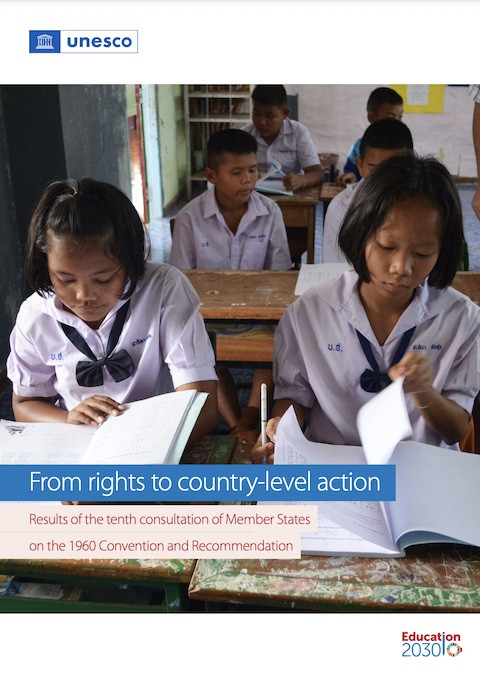 From Rights to Country-Level Action: Results of the Tenth Consultation of Member States on the 1960 Convention and Recommendation Year of publication: 2022 Author: Rolla Moumné | Sharlene Bianchi Corporate author: UNESCO The year 2020 marked a turning point for education worldwide. The impact of the COVID-19 pandemic not only amplified the difficulties and revealed existing weaknesses, but also brought the unpreparedness and lack of resilience of national education systems to the fore.The tenth consultation on the 1960 Convention against Discrimination in Education was conducted in precisely this context.Providing a valuable opportunity for States to take stock of the progress made in implementing Convention and sharing interesting national practices, the Consultation revealed continuous and new challenges the education sector faces. The unique timing of the consultation also created an opportunity to report on actions taken to faceadverse effects of the pandemic. This report analyzes and presents the Consultation findings, draws trends, and provides guidance for action. It shows how, by implementing the provisions of the Consultation, States can accelerate progress towards achieving Sustainable Development Goal 4, while invites a reflection on possibly reviewing the framework of the right to education to further respond to new challenges and put an end to increased inequalities worldwide.
  5th UNESCO Forum on Transformative Education for Sustainable Development, Global Citizenship, Health and Well-being (Strand 1) Year of publication: 2021 Author: Shadreck Majwabe | Thomas Greiner | Taka Horio | Niveen Jouhar | Arjen Wals | Lynndina Essack | Didier Jourdan | James O’Higgins Norman | Bolorchimeg Dagva Corporate author: UNESCO | APCEIU Plenary session 1In this first plenary, countries shared their vision, practice and progress underpinning their understanding of “transformative education”. The impact of current practices related to learners’ behavior and the educational system was discussed, highlighting success indicators.Moderator: Ms Krista Pikkat, Director, UNESCO Almaty OfficeMr Shadreck Majwabe, Director of the Department of Curriculum Development and Evaluation, Ministry of Basic Education, BotswanaMr Thomas Greiner, Head of Subdivision, Lifelong Learning, Federal Ministry of Education and Research, GermanyMs Taka Horio, Assistant Secretary-General, the Japanese National Commission for UNESCO & ASP National Coordinator, Ministry of Education, Culture, Sports, Science and Technology, JapanMs Niveen Jouhar, Member of Directorate of Curricula, Ministry of Education, Jordan Concurrent sessions 1Following the plenary session, the concurrent sessions discussed the different components that need to be transformed in the education system, and how to bring about these changes and further advance. Session 1.1 – PolicyModerator: Ms Akpezi Ogbuigwe, Founder, Anpez Centre for Environment and Development, Nigeria Mr Arjen Wals, UNESCO Chair, Social Learning and Sustainable Development, University of Wageningen, Netherlands Ms Anna-Karin Johansson, Swedish National Commission for UNESCO, Ministry of Education, Sweden Mr Felipe de Souza Costa, São Paulo Municipal Secretariat of Education, Brazil Mr El Hadji Gueye, Founder, Banlieu UP, Senegal Session 1.2 – Curricula, pedagogy and assessmentModerator: Mr Yao Ydo, Director, UNESCO International Bureau of Education (IBE)Dr Esther Care, Professor, University of Melbourne, AustraliaMs Lynndina Essack, Senior Education Officer, Department of Education Services, Ministry of Education, SeychellesMr Daehoon Jho, Professor, Sungshin Women's University, Republic of KoreaDr Jinan Karameh Chaya, Principal, Al Manar Modern School (UNESCO Associated Schools Network member), Lebanon Session 1.3 – Learning environmentModerator: Mr Chris Castle, Chief of Section of Education for Health and Well-being, UNESCOProf Didier Jourdan, UNESCO Chair and Head of the World Health Organization (WHO) Collaborating Center "Global Health & Education"Prof James O’Higgins Norman, Director of the National Anti-Bullying Centre, the Dublin City University, Ireland & UNESCO Chair on Tackling Bullying in Schools and CyberspaceMs Bolorchimeg Dagva, Adolescents and HIV Specialist, UNICEF, Mongolia Links to Strand 2 & Special session / Strand 3 / Strand 4