
Resources
Explore a wide range of valuable resources on GCED to deepen your understanding and enhance your research, advocacy, teaching, and learning.
3,451 Results found
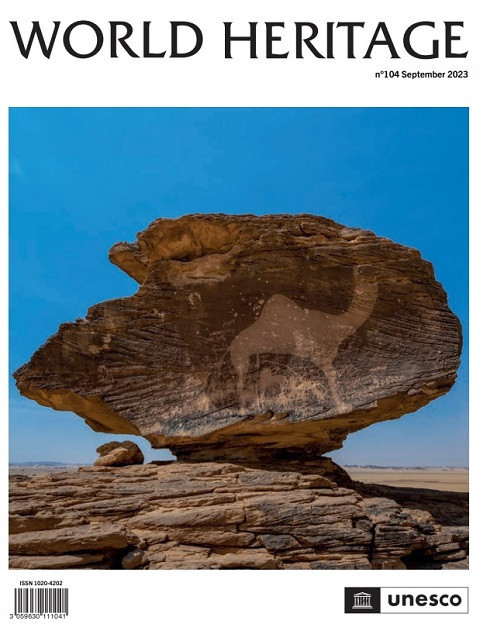 Patrimoine mondial, No.104 Year of publication: 2023 Corporate author: Organisation des Nations Unies pour l'éducation, la science et la culture (UNESCO) Alors que la 45e session élargie du Comité du patrimoine mondial s'ouvre au Royaume d'Arabie saoudite, nous exprimons notre gratitude à nos hôtes pour avoir invité le premier Comité en personne à se réunir depuis le début de la COVID-19. Entourés de vieux amis et de jeunes professionnels, nous nous rappelons que cette réunion est plus que la somme des décisions importantes qui ont été prises. C'est une plateforme puissante où nous ravivons le sens de la « communauté du patrimoine » et renouvelons notre engagement en faveur du patrimoine. Ce numéro du magazine Patrimoine Mondial présente des responsables africains du patrimoine qui, de l'Égypte au Mozambique, responsabilisent leurs pairs et créent des effets d'entraînement positifs. Un rapport sur le changement climatique détaille les avantages cruciaux offerts par les forêts du patrimoine mondial, notamment par l'absorption du carbone, avec une mise en garde : leur capacité continuera à diminuer si nous n'agissons pas maintenant. Une histoire passionnante nous vient de La Havane, à Cuba, où un programme majeur de l'UNESCO, Transcultura, mêle patrimoine matériel, pratiques immatérielles et créativité contemporaine, fidèle à la façon dont la culture s'entrecroise dans les communautés locales. Les lecteurs remarqueront peutêtre la nouvelle maquette de ce magazine Patrimoine Mondial, qui rend hommage à l'aspect iconique d'origine. Le premier numéro, paru en 1996, a mis en lumière l'accélération de la coopération internationale pour la conservation d'Angkor, qui a porté ses fruits en 2004 avec le retrait du site de la Liste du patrimoine mondial en péril. Tout comme le magazine a été un témoin de l'histoire, il continue à défendre les principes évolutifs de la sauvegarde du patrimoine. C'est pourquoi le nouveau magazine Patrimoine Mondial présentera essentiellement des histoires de gardiens, d'innovateurs et de pionniers, conformément au « cinquième C » (Communautés) des objectifs stratégiques. Les mots de Noemí Moreno, une habitante de La Havane âgée de 80 ans, devraient trouver un écho chez beaucoup d'entre nous : « En fin de compte, nous ne sommes rien d'autre qu'un oiseau qui vient et s'envole. L'Histoire, c'est ce qui reste. » C'est pourquoi nous devons œuvrer ensemble, en mettant en commun l'expérience acquise au cours des 50 dernières années de la Convention de 1972 et les connaissances ancestrales transmises au fil des siècles, afin de préserver au mieux les vestiges de l'histoire.
 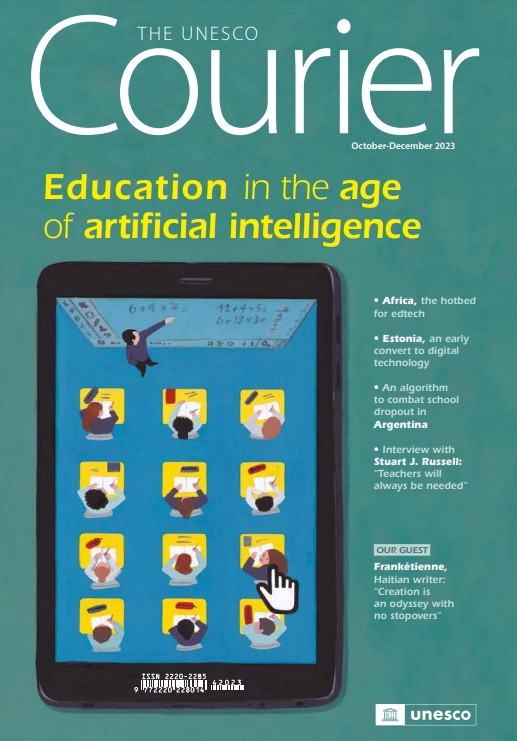 التعليم في عصر الذكاء الاصطناعي (رسالة اليونسكو، العدد 4، أكتوبر إلى ديسمبر 2023) Year of publication: 2023 Corporate author: منظمة الأمم المتحدة للتربية والعلم والثقافة (UNESCO) في وقت يشهد فيه مجال التعليم حالة من الاضطراب على مستوى العالم، استحوذت ظاهرة تعليمية واحدة على اهتمام ليس فقط المهنيين بل والعلمانيين أيضًا. هل يشير الابتكار المعني إلى الذكاء الاصطناعي، أم إلى استخدام الواقع المعزز في الفصول الدراسية؟ لا يشير أي منهما إلى أي منهما. هذا الاقتباس من مقال في The اليونسكو كوريير حول "آلات التدريس"، وهي مجموعة من البرامج التي تم تطويرها في الولايات المتحدة لتوجيه الطلاب في تعلمهم. يعود تاريخها إلى ... مارس 1965. وهو ما يوضح أن التفكير في دور أجهزة الكمبيوتر في التعلم ليس بالأمر الجديد. سواء تم الإشادة بها أو الاستهجان بها، أصبحت التكنولوجيا جزءًا متزايدًا من المشهد المدرسي، على الأقل في البلدان الصناعية. أصبحت ألعاب التعلم الرقمية أو البرامج التعليمية عبر الإنترنت أو الدورات التدريبية المفتوحة الضخمة عبر الإنترنت (MOOCs) حقيقة واقعة لعدد متزايد من التلاميذ والطلاب. لقد أدى جائحة كوفيد-19 إلى تسريع الظاهرة، مما أدى إلى ظهور شركات متخصصة في الخدمات التعليمية الرقمية، بما في ذلك في أفريقيا، أو ما يسمى بـ "التكنولوجيا التعليمية". ومع ذلك، وبغض النظر عن مدى تطور هذه التقنيات، فإنها لم تتحد المبدأ الأساسي للمعلم الذي يعطي درسًا في وقت واحد لمجموعة من الطلاب. يمكن أن يكون الذكاء الاصطناعي بمثابة تغيير لقواعد اللعبة. هل يعني وصول أدوات توليد المحتوى مثل ChatGPT والبرامج التعليمية الذكية أن الثورة التي غالبًا ما يتم الإعلان عنها قد بدأت؟ على أي حال، فإن استخدام الذكاء الاصطناعي التوليدي في التعلم يفرض تحديات غير مسبوقة على أنظمة التعليم. وكما يسلط تقرير اليونسكو العالمي لرصد التعليم لعام 2023 الضوء على أن هذه الأدوات الجديدة يمكن أن تثبت قيمتها في تقديم الدعم الشخصي للطلاب، وخاصة ذوي الإعاقة أو الذين يعيشون في مناطق نائية. لكنها تثير أيضًا تساؤلات حول الفجوة الرقمية وسرية البيانات وهيمنة الشركات العالمية الكبرى في هذا القطاع. وفي الوقت الحالي، هناك نقص في الضمانات. لذلك من الضروري اعتماد لوائح لضمان بقاء استخدام الذكاء الاصطناعي في التعليم متمركزًا حول الإنسان، لصالح الطلاب. ودعمًا لهذا، نشرت اليونسكو في سبتمبر/أيلول 2023 أول إرشادات على الإطلاق بشأن الذكاء الاصطناعي التوليدي في التعليم والبحث، والمصممة لمعالجة الاضطرابات الناجمة عن هذه التقنيات. وهي تكمل الأدوات الأخرى التي أنتجتها المنظمة، بما في ذلك التوصية بشأن أخلاقيات الذكاء الاصطناعي والإرشادات لصناع السياسات بشأن الذكاء الاصطناعي والتعليم، وكلاهما نُشر في عام 2021. Eduaction in the Age of Articial Intelligence (The UNESCO Courier no. 4, October-December 2023) Year of publication: 2023 Corporate author: UNESCO At a time when the field of education is in worldwide ferment, a single instructional phenomenon has captured the attention not only of professionals but of laymen.” Does the innovation in question refer to artificial intelligence (AI), or to the use of augmented reality in the classroom? Neither one. This quote is from an article in The UNESCO Courier about “teaching machines”, a set of programmes developed in the USA to guide students in their learning. It dates back to… March 1965. Which just goes to show that pondering the role of computers in learning is nothing new. Whether lauded or decried, technologies are increasingly part of the school landscape, at least in industrialized countries. Digital learning games, online tutorials or massive open online courses (MOOCs) have become a reality for a growing number of pupils and students. The COVID-19 pandemic has only accelerated the phenomenon, spurring the rise, including in Africa, of companies specializing in digital educational services, the so-called “edtechs”. Yet no matter how sophisticated these technologies may be, they have not challenged the founding principle of a teacher giving a class simultaneously to a group of students. Artificial intelligence could be a game-changer. Does the arrival of content-generating tools like ChatGPT and intelligent tutorials mean the oft-heralded revolution has started? In any case, the use of generative AI in learning presents unprecedented challenges to education systems. As UNESCO’s Global Education Monitoring Report 2023 highlights, these new tools can prove invaluable in providing personalized support for students, particularly those with disabilities or living in remote areas. But they also raise questions about the digital divide, data confidentiality and the preponderance of major global corporations in this sector. And for the moment, safeguards are lacking. It is therefore urgent that regulations be adopted to ensure the use of AI in education remains human-centred, in the best interests of students. To support this, UNESCO published in September 2023 the first-ever Guidance for generative AI in education and research, designed to address the disruptions caused by these technologies. It complements other tools produced by the Organization, including the Recommendation on the ethics of artificial intelligence and a guidance for policy-makers on AI and education, both published in 2021. La escuela en la era de la inteligencia artificial (El Correo de la UNESCO, no. 4, Octubre-Diciembre 2023) Year of publication: 2023 Corporate author: Organización de las Naciones Unidas para la Educación, la Ciencia y la Cultura (UNESCO) En una época en que todo el campo de la educación se halla en fermentación uni-versal, hay un aspecto de ella que atrae especialmente la atención no sólo de los profe-sionales sino también de los legos” ¿Esta innova-ción hace referencia a la Inteligencia Artificial (IA), al recurso a la realidad aumentada en las aulas? Ni lo uno, ni lo otro. Este artículo del Correo de la UNESCO trata de las “máquinas de enseñar”, un conjunto de programas desarrollados en Estados Unidos para guiar a los alumnos en su aprendi-zaje. El artículo data de marzo de... 1965. Esto quiere decir que la reflexión sobre el papel de los ordenadores en el aprendizaje no es nada nuevo. Alabadas o denostadas, las tec-nologías forman parte cada vez más del paisaje escolar, al menos en los países industrializados. Los juegos digitales de aprendizaje, las tutorías en línea y los cursos masivos abiertos en línea (MOOC) se han convertido en una realidad para un número creciente de escolares y estudiantes. La pandemia de COVID-19 no ha hecho sino ace-lerar este fenómeno, fomentando el crecimiento, también en África, de sociedades especializadas en servicios educativos digitales conocidas como ‘Edtechs’. Sin embargo, por muy sofisticadas que sean, estas tecnologías no han cuestionado el prin-cipio de un profesor que imparte clases simul-táneamente a un grupo de estudiantes. La inteligencia artificial podría cambiar las reglas. Con la llegada de programas de generación de contenidos como ChatGPT y las tutorías inteli-gentes, ¿se avecina la tan anunciada revolución? Lo que sí es cierto es que el uso de la IA genera-tiva en el aprendizaje está planteando desafíos inéditos para los sistemas educativos. Tal y como señala la edición de 2023 del Informe de seguimiento de la educación en el mundo de la UNESCO, estas nuevas herramientas pueden revelarse como algo precioso para pro-porcionar un apoyo personalizado a los alumnos, sobre todo a los que tienen alguna discapacidad o viven en zonas alejadas. Pero también plan-tean la cuestión de la brecha digital, la confiden-cialidad de los datos y la preponderancia de los grandes grupos mundiales en este sector. Y por el momento no existen garantías. Por lo tanto, es urgente que se adopten nor-mas para garantizar que el uso de la IA en la edu-cación se mantiene centrado en el ser humano, en el interés superior de los estudiantes. Con el fin de apoyar este movimiento, la UNESCO ha publicado en septiembre de 2023 la primera Orientación para la IA generativa en la educación y la investigación concebida para hacer frente a las perturbaciones provocadas por las tecnolo-gías. Este documento contempla otros instru-mentos elaborados por la Organización como la Recomendación sobre la ética de la inteligencia artificial e Inteligencia artificial y educación: guía para las personas a cargo de formular políticas, publicados en 2021. L’école à l’heure de l’intelligence artificielle (Le Courrier de l'UNESCO, 4, octobre-décembre 2023) Year of publication: 2023 Corporate author: Organisation des Nations Unies pour l'éducation, la science et la culture (UNESCO) À une époque où le domaine de l'éducation est en ébullition dans le monde entier, un phénomène pédagogique unique a attiré l'attention non seulement des professionnels, mais aussi des profanes. » Cette innovation fait-elle référence à l'intelligence artificielle (IA) ou à l'utilisation de la réalité augmentée en classe ? Ni l'un ni l'autre. Cette citation provient d'un article du Courrier de l'UNESCO à propos des "machines à enseigner", un ensemble de programmes développés aux États-Unis pour guider les étudiants dans leur apprentissage. Elle date de... mars 1965.Cela montre simplement que la réflexion sur le rôle des ordinateurs dans l'apprentissage n'est pas nouvelle. Qu'elles soient louées ou critiquées, les technologies font de plus en plus partie du paysage scolaire, du moins dans les pays industrialisés. Les jeux éducatifs numériques, les tutoriels en ligne ou les cours en ligne ouverts à tous (MOOCs) sont devenus une réalité pour un nombre croissant d'élèves et d'étudiants. La pandémie de COVID-19 n'a fait qu'accélérer ce phénomène, stimulant l'émergence, y compris en Afrique, d'entreprises spécialisées dans les services éducatifs numériques, les "edtechs".Cependant, aussi sophistiquées que puissent être ces technologies, elles n'ont pas remis en cause le principe fondateur d'un enseignant donnant un cours simultanément à un groupe d'élèves. L'intelligence artificielle pourrait bien changer la donne. L'arrivée d'outils générant du contenu comme ChatGPT et des tutoriels intelligents signifie-t-elle que la révolution tant annoncée a commencé ? En tout cas, l'utilisation de l'IA générative dans l'apprentissage présente des défis sans précédent pour les systèmes éducatifs.Comme le souligne le Rapport mondial de suivi sur l'éducation 2023 de l'UNESCO, ces nouveaux outils peuvent s'avérer inestimables pour offrir un soutien personnalisé aux élèves, en particulier ceux en situation de handicap ou vivant dans des régions éloignées. Mais ils soulèvent également des questions sur la fracture numérique, la confidentialité des données et la domination des grandes entreprises mondiales dans ce secteur. Et pour l'instant, les protections font défaut.Il est donc urgent d'adopter des réglementations afin que l'utilisation de l'IA dans l'éducation reste centrée sur l'humain, dans le meilleur intérêt des élèves. Pour soutenir cela, l'UNESCO a publié en septembre 2023 le tout premier guide sur l'IA générative dans l'éducation et la recherche, conçu pour faire face aux bouleversements provoqués par ces technologies. Ce guide complète d'autres outils produits par l'Organisation, y compris la Recommandation sur l'éthique de l'intelligence artificielle et un guide pour les décideurs sur l'IA et l'éducation, tous deux publiés en 2021. Школа в эпоху искусственного интеллекта (Курьер ЮНЕСКО no.4, октябрь-декабрь 2023) Year of publication: 2023 Corporate author: Организация Объединенных Наций по вопросам образования, науки и культуры (UNESCO) В эпоху, когда сфера образования во всех странах мира претерпевает кардинальные изменения, внимание не только специалистов, но и рядовых граждан приковало к себе одно образовательное новшество». Современный читатель может резонно подумать, что речь идет об искусственном интеллекте (ИИ) или об использовании на уроках дополненной реальности. Отнюдь: в этой статье, напечатанной в «Курьере ЮНЕСКО» за март 1965 года под заголовком «За и против программированного обучения», говорится об «обучающих машинах» — наборе программ, разработанных в США с целью сопровождения учащихся в учебе. Это говорит о том, что вопрос о роли компьютеров в обучении возник не сегодня. Новые технологии, как бы их ни хвалили и ни хулили, все больше проникают в школьную среду, по крайней мере, в промышленно развитых странах. Обучающие компьютерные игры, занятия по интернету и массовые открытые онлайн-курсы (MOOК) становятся реальностью для растущего числа школьников и студентов. Пандемия COVID-19 лишь ускорила этот процесс, приведя к появлению во всем мире, включая Африку, множества компаний, специализирующихся на цифровых образовательных технологиях или EdTech. Тем не менее, какими совершенными бы они ни были, технологии не заменили собой основную форму обучения — преподавателя, работающего с группой учеников. Однако ситуация может измениться по мере развития ИИ. На рынке уже появляются интеллектуальные системы обучения и программы, способные генерировать контент, такие как чат-бот ChatGPT. Быть может, предсказанная многими революция в сфере образования наконец началась? Во всяком случае, применение генеративного ИИ в обучении уже сейчас ставит перед системами образования задачи совершенно нового порядка. Как отмечается во Всемирном докладе ЮНЕСКО по мониторингу образования за 2023 год, такие передовые инструменты могут обеспечить индивидуальную помощь в учебе и быть особенно полезными для учащихся, имеющих ограниченные возможности здоровья или проживающих в труднодоступных районах. Но в то же время они поднимают на поверхность такие проблемы, как цифровое неравенство, защита данных и доминирование в этом секторе крупных международных компаний. Увы, на данный момент правовое регулирование в этой области отсутствует. По этой причине необходимо срочно принять нормативные акты, которые обеспечили бы человекоориентированный подход в использовании искусственного интеллекта в образовании и его направленность на интересы учащихся. В стремлении содействовать скорейшему достижению этой цели, в сентябре 2023 года ЮНЕСКО опубликовала первое в истории руководство по использованию генеративного ИИ в образовании и научных исследованиях, призванное заложить основы для решения связанных с этими технологиями проблем. Руководство дополняет собой предыдущие работы Организации в этой области, в частности Рекомендацию об этических аспектах ИИ и «Технологии ИИ в образовании: руководство для лиц, ответственных за формирование политики», опубликованные в 2021 году. 人工智能时代的教育 (联合国教科文组织 信使 2023年第4期) Year of publication: 2023 Corporate author: 联合国教科文组织 (UNESCO) “就在世界各国的教育领域经历巨变的时候, 一种教学现象不仅引起了专业人士的注意, 也受到了非专业人士的关 注。”这里所说的创新是指人工智能吗?抑或是指在课堂 上使用增强现实技术?都不是。联合国教科文组织《信使》 杂志上的这篇文章讲的是“教学机器”。 这是美国开发出 来的一套程序, 用于指导学生学习。 这篇文章最初发表于 1965 年 3 月。 由此可见, 关于计算机在学习中能起到什么作用的思 考, 并不算新鲜。 无论人们的态度是褒是贬, 科技正在日 益融入学校, 至少在工业化国家是这样的。 数字技术学习 游戏、线上辅导和大规模开放式在线课程(MOOC)已成 为越来越多的学生的现实生活场景。 新型冠状病毒感染疫 情只是加速了这一发展趋势, 促进了非洲等地数字化教育 服务公司(“教育科技公司”)的崛起。 然而, 在一名教师同时为一群学生授课这条基本原 则面前, 无论多么尖端的技术都没能打破陈规。 人工智能 有可能改变游戏规则。ChatGPT 和智能教程等生成式人 工智能工具的出现, 是否意味着众望所期的革命已经开始 了?总之, 生成式人工智能在学习中的应用, 给教育系统 带来了前所未有的挑战。 正如联合国教科文组织《2023 年全球教育监测报告》 所强调的那样, 这些新工具可以为学生, 特别可以为残疾 学生和居住在偏远地区的学生, 提供个性化支持, 新工具 在这方面的作用确实不可估量, 但由此也引发了关于数字 鸿沟、 数据保密性, 以及国际大公司在这一领域占尽优势 等问题。目前,保障措施仍然缺失。 因此, 联合国教科文组织建议, 当务之急是制定相关 法规, 确保人工智能在教育中的应用始终秉承以人为本的 理念, 且符合学生的最大利益。 为此, 联合国教科文组织 于 2023 年 9 月发布了首份全球《生成式人工智能在教育 和研究中的应用指南》(Guidance for generative AI in education and research ), 旨在解决这些技术造成的干 扰。《指南》对联合国教科文组织编制的其他工具进行了 补充, 包括《人工智能伦理问题建议书》(Recommendation on the Ethics of Artificial Intelligence )和 2021 年发布的《人工智能与教育:政策制定者指南》(AI and education: guidance for policy-makers )。
 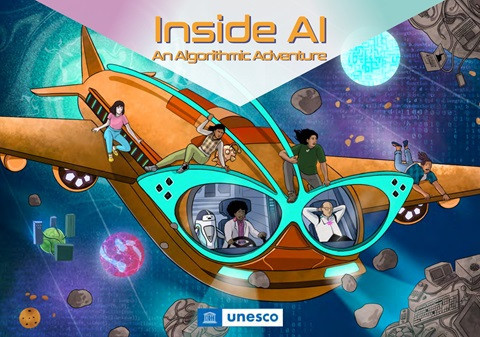 Inside AI - An Algorithmic Adventure Year of publication: 2022 Author: Katherine Evans Corporate author: UNESCO In the framework of UNESCO’s work to harness emerging technologies for sustainable development, this graphic novel for policymakers as well as youth explores the impact of Artificial Intelligence on humankind. Dive into the world of AI and follow the adventures of four characters whose lives are affected by algorithmic hazards: By following characters in four different corners of the globe as they grapple with the limits of AI technologies, the audience jointly embarks on a mission in an algorithmic galaxy called Plethor.A.I.. There, they have but one option: travel across this hidden world behind our screens to learn about the social, technical, ethical and human rights impacts of Artificial Intelligence, and help the characters find a way back to reality.UNESCO’s first graphic novel on Artificial Intelligence (AI) aims at providing an educational media to policymakers, adults and youth who are curious and interested in learning more about AI, its challenges and stakes.
 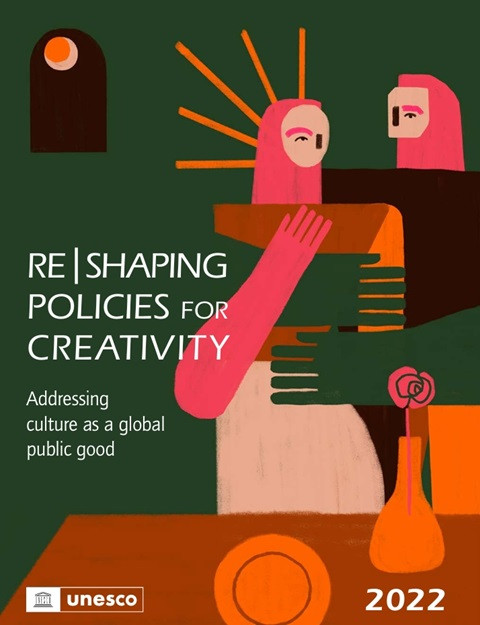 Re|shaping Policies for Creativity: Addressing Culture as a Global Public Good Year of publication: 2023 Corporate author: UNESCO The Global Report series monitors the implementation of the 2005 Convention on the Protection and Promotion of the Diversity of Cultural Expressions, as well as progress towards achieving the United Nations 2030 Agenda for Sustainable Development, within and with the cultural and creative sectors. Its 2022 edition revolves around two major questions: What is the state of the cultural and creative sectors? What policy changes to promote sustainable, human rights-based systems of governance for culture and equitable access to cultural opportunities and resources have resulted from stakeholders’ implementation and ownership of the Convention? In line with the 2015 and 2018 editions, this third edition of the Report presents the latest policy developments to support creativity and sheds light on current and future challenges in areas such as the digital environment, media diversity, sustainable development, mobility of artists and cultural professionals, gender equality and artistic freedom. The trends, innovative practices, gaps and recommendations that emerge from the 2022 edition provide valuable evidence to inform the policy dialogue leading up to the UNESCO World Conference on Cultural Policies and Sustainable Development – MONDIACULT 2022. With the mission to contribute to the 2030 Agenda, it feeds into a renewed vision of cultural policies based on a better understanding of what impacts the diversity of cultural expressions and the avenues for anchoring culture and creativity in the broader public policy spectrum. 문화정책의 (재)구성: 전지구적 공공재로서의 문화를 바라보다, 2022 Year of publication: 2023 Corporate author: 유네스코 글로벌 리포트 시리즈는 각 국의 <2005 문화적 표현의 다양성 보호와 증진에 관한 협약> 이행상황과 문화·창의분야가 <UN 2030 지속가능한 개발 어젠다>에 어떻게 기여하고 있는지 그 진행 상황을 모니터링 하고 있다. 2015년과 2018년 발간된 보고서와 같이, 이번 제3판은 창의적 활동을 지원하기 위한 최근의 정책 개발 상황을 소개하고, 디지털 환경, 미디어 다양성, 지속가능발전, 예술가와 문화 분야 종사자의 이동성, 양성 평등 및 예술의 자유와 같은 분야의 현재와 미래의 과제를 조명한다. 2022년 발간되는 본 보고서에 소개되는 트렌드, 우수 사례, 국가 간 격차, 그리고 권고사항은 유네스코의 <문화 정책과 지속가능한 개발에 관한 세계 회의(MONDIACULT 2022)>의 정책 토론에서 다룰만한 중요한 자료를 제공하고 있다. 본 보고서는 <2030 어젠다>에 기여하고자 하는 사명을 가지고, 문화적 표현의 다양성에 영향을 미치는 요인을 분석하며, 공공정책 스펙트럼에서 더 넓게 문화와 창의성을 정착시킬 방안에 대해 더 나은 이해와 새로운 문화정책의 비전을 제시하고자 한다.