
Resources
Explore a wide range of valuable resources on GCED to deepen your understanding and enhance your research, advocacy, teaching, and learning.
730 Results found
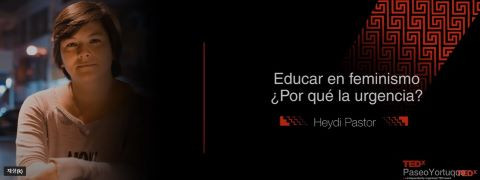 Educar en feminismo: Porqué la urgencia? Year of publication: 2019 Author: Heydi Pastor Feminista a tiempo completo, Heydi Pastor, nos narra los principales motivos por los que en una sociedad como la nuestra debe impartir el feminismo a través de la educación para hacer promover la igualdad de derechos.
 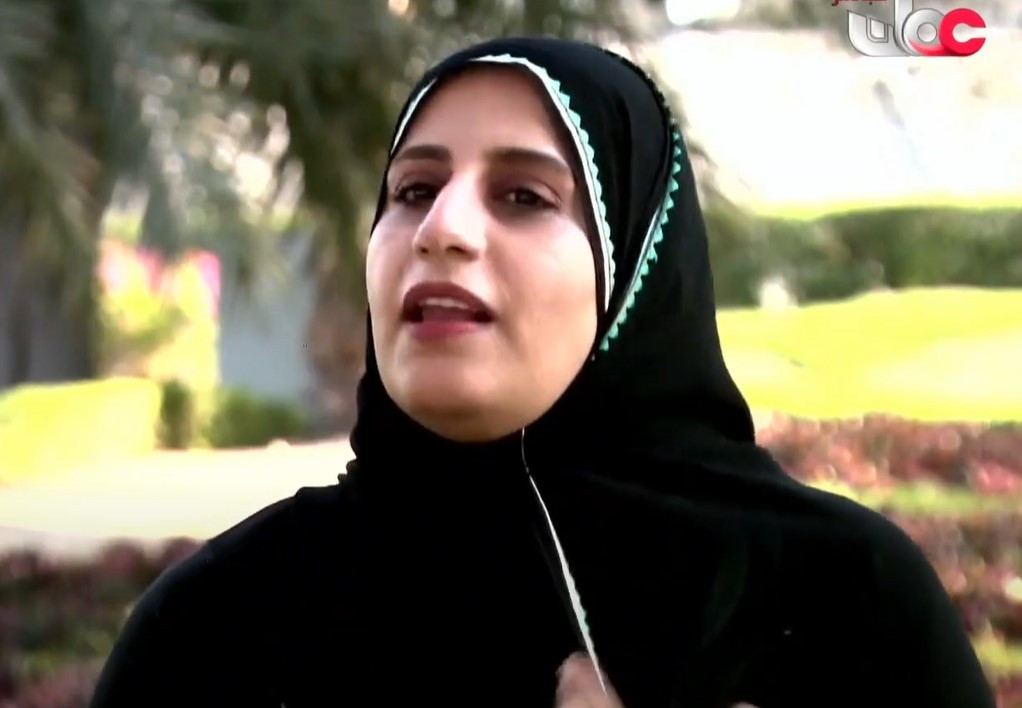 التنمر الإلكتروني Year of publication: 2021 Author: Amani Albalushi Corporate author: Oman TV الفيديو عبارة عن مقابلة تلفزيونه مع مختصة عن التنمر اللإلكتروني. تحدثت الضيفة عن مظاهر وأسباب التنمر الالكتروني. واختممت بالحديث عن الحلول الممكنة للتنمر الإلكتروني. Cyberbullying Year of publication: 2021 Author: Amani Albalushi Corporate author: Oman TV The video is a TV interview with a specialist on cyberbullying. The interviewee talked about the manifestations and causes of electronic bullying. She concluded by talking about possible solutions to cyberbullying.
 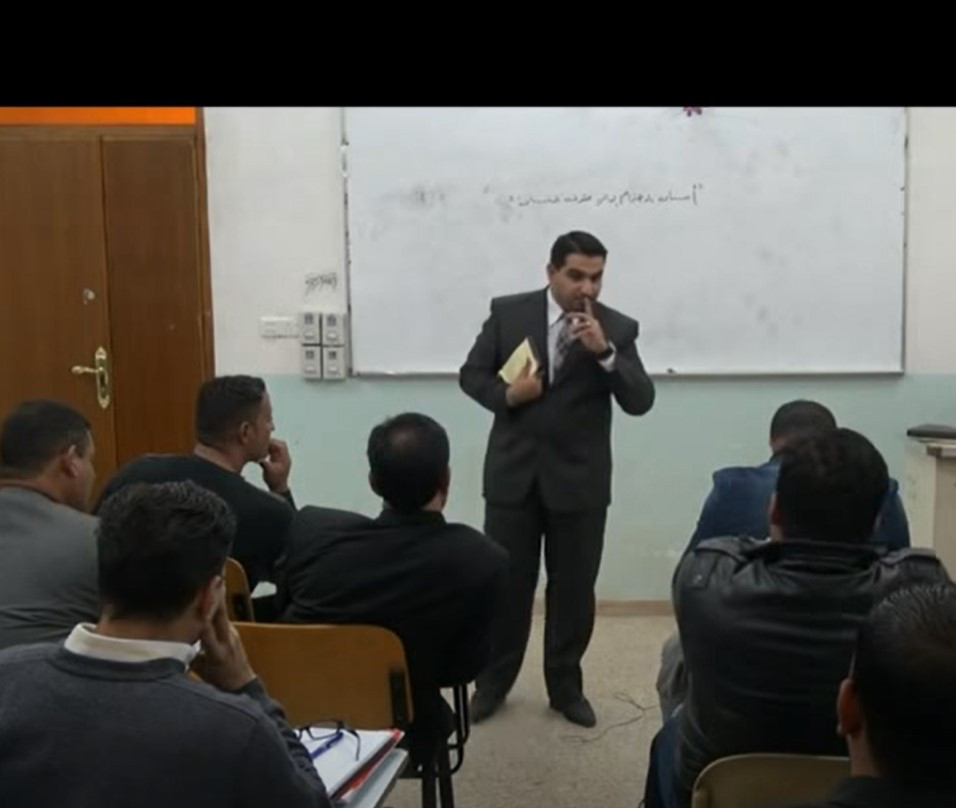 أسباب الاهتمام العالمي بحقوق الإنسان Year of publication: 2015 Author: Mohammed Ali Corporate author: Islamic University of Najaf الفيديو عبارة عن محاضرة عن أسباب اهتمام العالم بحقوق الإنسان. يبدأ المحاضر باستعراض حقوق الإنسان، ومن ثم حقوق في الدين الإسلامي. وبعد ذلك يتوسع المحاضر في أسباب الاهتمام العالمي بحقوق الإنسان. Reasons for Global Concern for Human Rights Year of publication: 2015 Author: Mohammed Ali Corporate author: Islamic University of Najaf The video is a lecture on why the world cares about human rights. The lecturer begins with a review of human rights, and then rights in the Islamic religion. After that, the lecturer expands on the causes of global concern for human rights.
 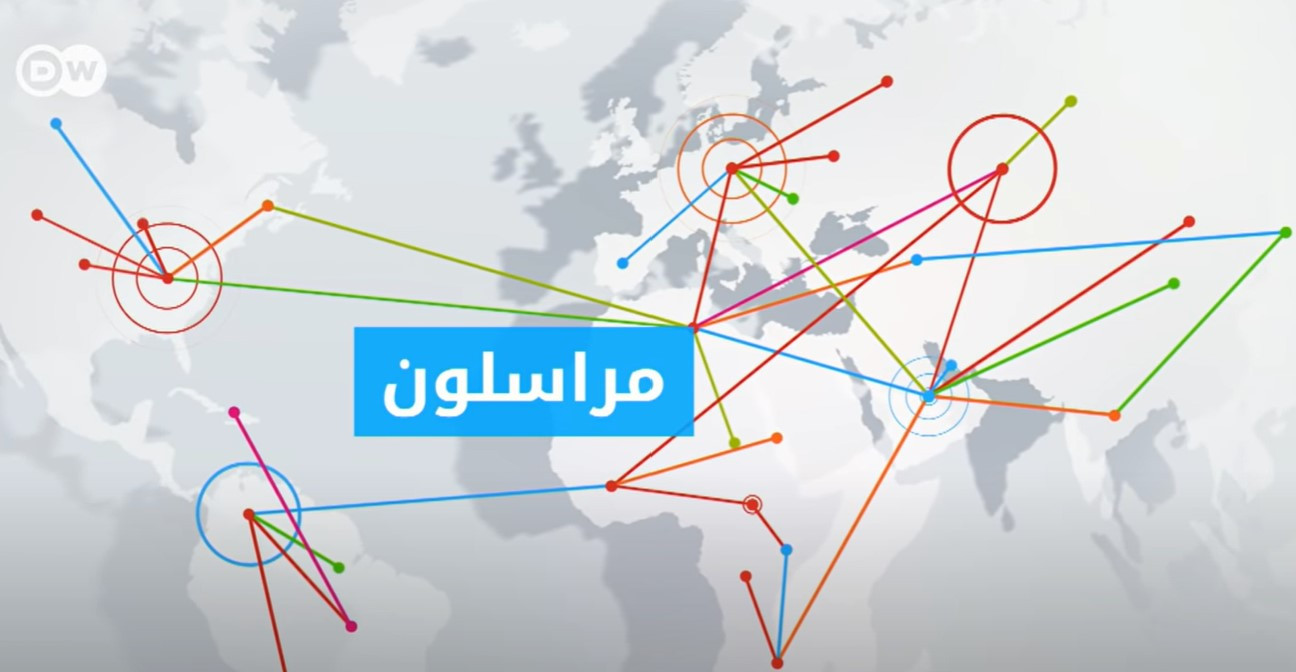 احتجاجات التلاميذ من أجل حماية المناخ Year of publication: 2019 Corporate author: DW Channel أصبحت التغيرات المناخية من ارتفاع درجة حرارة الأرض ومنسوب مياه البحار الشغل الشاغل للكثيرين وخاصة الشباب منهم، فقد اشتهرت الناشطة البيئية السويدية غريتا تونبيرغ ذات الـ 16 ربيعا عبر نشاطها ضد التلوث المناخي وانتقل تأثيرها إلى الشباب الألماني، والهدف هو التأثير على الساسة من أجل مستقبل أفضل لهم وللعالم. يستعرض الفيديو وثائقي من انتاج قناة DW عن وقفة احتجاجية للتلاميذ عما يحدث بخصوص التغير المناخي. Students Protesting for Climate Protection Year of publication: 2019 Corporate author: DW Channel Climate change from global warming and sea levels has become a preoccupation for many, especially young people. The 16-year-old Swedish environmental activist Greta Thunberg became famous for her activism against climate pollution and her impact was transmitted to German youth, and the goal is to influence politicians for a better future for them. And for the world. The video shows a documentary produced by DW about a protest stand by students about what is happening regarding climate change.
 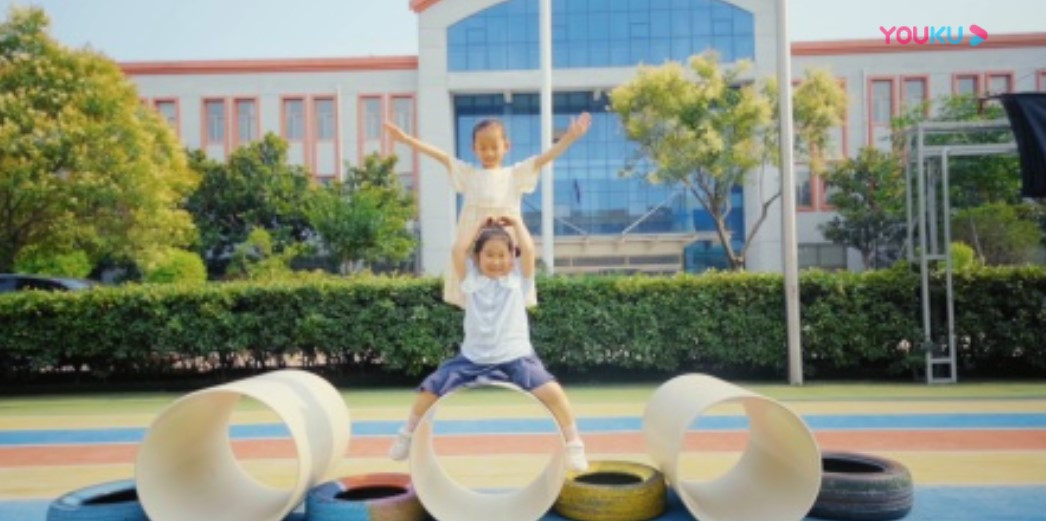 Free Play in Practice in Linyi Kindergartens Year of publication: 2022 Corporate author: UNICEF China This video introduces UNICEF's Free Play in a kindergarten in Linyi, Shandong Province, which is dedicated to fostering children's creativity and independence. 学教相长:自主游戏在临沂幼儿园 Year of publication: 2022 Corporate author: UNICEF China 本视频对联合国儿童基金会在山东省临沂某幼儿园开展自主游戏的情况进行介绍,致力于培养孩子的创造性与独立性。
 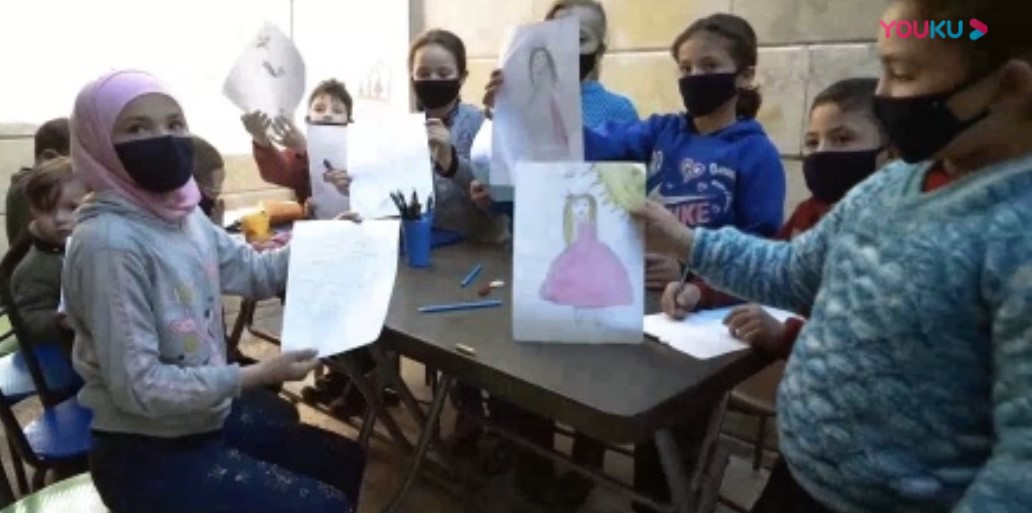 A Virtual Visit to Aleppo in Syria Year of publication: 2021 Corporate author: 联合国儿童基金会 This video looks at education for children in the war-torn city of Aleppo, Syria, and the work UNICEF is doing there.