
Resources
Explore a wide range of valuable resources on GCED to deepen your understanding and enhance your research, advocacy, teaching, and learning.
80 Results found
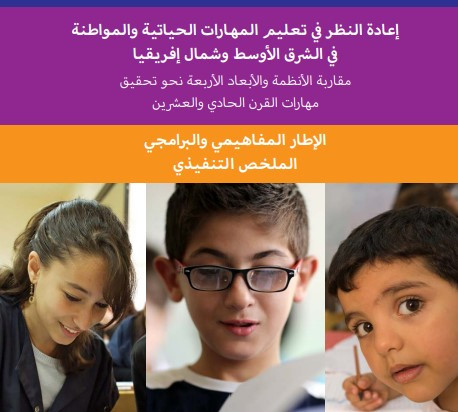 تعليم المهارات الحياتية والمواطنة في الشرق الأوسط وشمال أفريقيا Year of publication: 2016 Corporate author: UNICEF Middle East and North Africa يستدعي وضع التعلم في منطقة الشرق الأوسط وشمال إفريقيا رؤية تعليم شاملة ومستمرة مدى الحياة وقائمة على الحقوق، ومن شأنها أن تزيد من قدرات جميع الأطفال والشباب في المنطقة. يهدف إطار العمل إلى تزويدهم بشكل أفضل لإنتاج معنى من المعرفة ولمواجهة التحولات من مرحلة الطفولة للبلوغ، ومن مرحلة التعليم للعمل، ومن التنمية غير المدروسة للمواطنة المسؤولة والفعالة.الأمر الذي يدفع مبادرة تعليم المهارات الحياتية والمواطنة (LSCE) في منطقة الشرق الأوسط وشمال إفريقيا ، التي انطلقت خلال عام 2015 بهدف دعم بلدان المنطقة - من الناحية المفاهيمية والبرنامجية والفنية - لتحسين التعلم واستثمار هذا التعلم بشكل أفضل في الفرد والمجتمع والتنمية الاقتصادية.وقد تم تحديد مجموعة تتكون من اثنتي عشر مهارة حياتية رئيسة - وهي الأكثر أهمية في السياق الإقليمي- باستخدام نموذج التعلم رباعي الأبعاد: “التعلم أن تعرف” (البعد المعرفي) و”التعلم أن تفعل” (البعد الأدواتي)، و”التعلم أن تكون” (البعد الفردي)و”التعلم من أجل العيش معًا” (بُعد التعلم الاجتماعي والمواطنة).تدوم المهارات الحياتية الاثني عشر الأساسية مدى الحياة وتعتمد على الأدلة التي تؤكد أهمية اكتساب المهارات في سن مبكرة. علاوة على ذلك، يتم اكتساب المهارات الحياتية الأساسية الاثني عشر واستدامتها من خلال جميع أشكال التعلم في النظم التي تعترف بمسارات متعددة للتعلم، رسمية وغير رسمية. Teaching Life Skills and Citizenship in the Middle East and North Africa Year of publication: 2016 Corporate author: UNICEF Middle East and North Africa The situation of learning in MENA calls for a holistic, lifelong and rights-based vision of education that maximizes the potential of all children and youth in the region and better equips them to create meaning out of knowledge and to face the transitions from childhood to adulthood, from education to work, and from unreflective development to responsible and active citizenship. This is what drives the MENA Life Skills and Citizenship Education (LSCE) Initiative, kicked off in 2015 with the aim of supporting the countries of the region – conceptually, programmatically and technically – to improve learning and to better invest such learning in individual, social and economic development.A set of twelve core life skills for MENA has been identified using the four-dimensional learning model: ‘Learning to Know’ (Cognitive Dimension), ‘Learning to Do’ (Instrumental Dimension), ‘Learning to Be’ (Individual Dimension), and ‘Learning to Live Together’ (Social Dimension). The twelve core life skills are life-long and build on evidence that underlines the importance of skills acquisition from an early age. Furthermore, the twelve core life skills are acquired and sustained through all forms of learning in a systems approach that recognizes multiple pathways of learning, formal, non-formal and informal.
 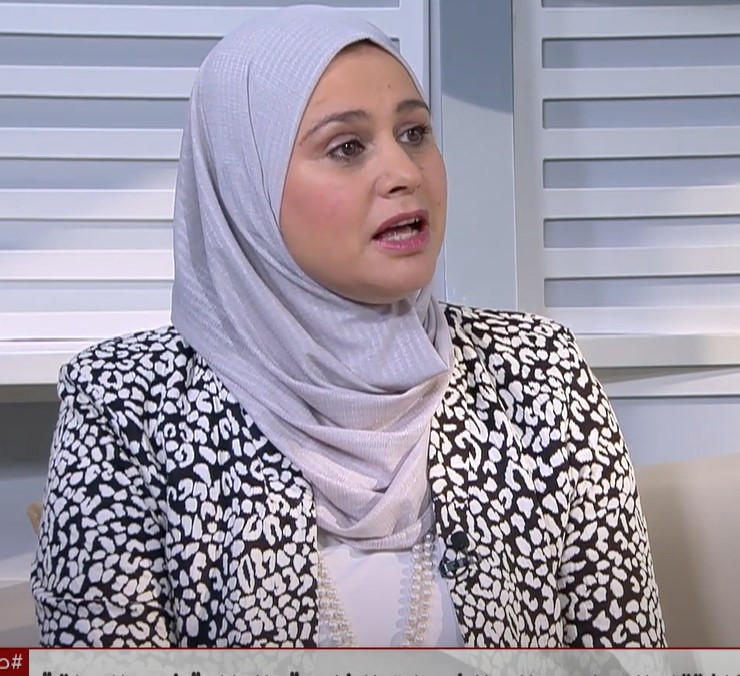 تحديات تواجه خطة التعليم الدامج كافتقار المدارس إلى الخدمات الخاصة بالطلبة ذوي الإعاقة Year of publication: 2019 Corporate author: Almamlaka TV يستعرض الفيديو التحديات التي تواجه دمج الطلبة ذوي الإعاقة في المدارس الحكومية في الأردن. الفيديو يناقش قضية التعليم الدامج من خلال اجراء مقابلات مع بعض أولياء الأمور والمدرسين والمسؤولين. Challenges Facing the Inclusive Education Plan, such as Schools' Lack of Special Services for Students with Disabilities Year of publication: 2019 Corporate author: Almamlaka TV The video reviews the challenges facing the inclusion of students with disabilities in public schools in Jordan. The video discusses the issue of inclusive education through interviews with some parents, teachers and officials.
  مدى انتشار الصعوبات النمائية للأطفال العمانيين وفقا لمتغيري الجنس والبرنامج التعليمي Year of publication: 2022 Author: Ali Mahdi Kazem | Sahar Al-Shorbagy | Thuraya S هـدفت الدراسـة الحاليّـة إلـى الكشـف المب ّكـر عـن الصـعوبات النمائيّـة، لـدى أطفـال مـا قبـل المدرسة في محافظة مسقط. وت ّم استخدام قائمة الصـعوبات النمائيّـة للكشـف عـن هـؤلاء الأطفـال، والتي تضمنت ثلاثة محاور: الصعوبات المعرفيّة، والصعوبات اللغويّة، والصعوبات البصريّة الحركيّة. طبقت الدراسة على عيّنة بلغت 365 طفل وطفلة من رياض الأطفال الحكوميّـة والخاّصـة والعالميّـة في محافظة مسقط. وتو ّصلت الدراسة إلى أ ّن مع ّدل انتشار الصعوبات النمائيّة لدى أطفـال الروضـة ف ي م ح ا ف ظ ة م س ق ط ي ب ل غ ح و ا ل ي 6 % ، و أ ّن م ع ّد ل ا لأ ط ف ا ل ا ل م ع ّر ض ي ن ل ص ـ ع و ب ا ت ا ل ـ ت ع لّ م ف ـ ي م ح ا ف ظ ـ ة مسقط بلغ حوالي 13.2%، وأشارت النتائج أيضاً إلى وجود فروق ذات دلالة إحصائيّة في معدل انتشار الصعوبات النمائيّة، تُعزى لمتغيّر النوع لصـالح الـذكور، وفـي متغيّـر البرنـامج التعليمـي لصـالح المدارس العالميّة. Prevalence Rate of the Developmental Disabilities among Omani Children according to Gender and Educational Program Year of publication: 2022 Author: Ali Mahdi Kazem | Sahar Al-Shorbagy | Thuraya S The present study aimed to early identify the developmental isabilities among kindergarten kids in Muscat. To achieve the aim of the study, the researchers used the developmental disabilities Inventory which has three axes: cognitive disabilities, linguistic disabilities and visual motor disabilities. The sample of the study was 365 children from kindergarten in Muscat. Findings indicated that the rate of spreading developmental disabilities of the sample reaches 6% and the rate of children who has risk of learning disabilities reaches 13.2%.The results also mentioned that there were statistically significant differences in the rate of spreading evelopmental disabilities due to the type variable in favour of the males. Also, there were significant differences in the educational program variable in favour of international schools.
  العوامل المرتبطة بالمرأة وتسبب لها العنف من زوجها من وجهة نظر الأخصائيين النفسيين والاجتماعيين والقانونيين العاملين مع المعنفات Year of publication: 2020 Author: Muhammad Hadi Al Shehri، Abdul Qader Muhammad Atoum هدفت دراسته إلى التعرف على مدى وانتشار العوامل المتعلقة بالمرأة التي تسبب عنف الزوج ضد زوجته من وجهة نظر الخبراء النفسيين والاجتماعيين والقانونيين العاملين مع النساء المريرات.تكونت عينة الدراسة من (54) من الأخصائيين الاجتماعيين والنفسيين والقانونيين الذين أجابوا على استبيان مكون من 62 فقرة تغطي أربعة مجالات: الجانب الشخصي، والصحي، والاجتماعي، والاقتصادي. وأظهرت نتائج هذا التحليل أن درجة العوامل المرتبطة بالمرأة والتي تسبب عنف الزوج ضد زوجته كانت متوسطة. ولم يكن هناك فرق كبير يعزى إلى الأخصائيين النفسيين والأخصائيين الاجتماعيين والخبراء القانونيين فيما يتعلق بالجنس والمؤهل والتخصص والخبرة في تحديد هذه العوامل.علاوة على ذلك، كشفت الدراسة أن المجال الأول والأكثر شيوعاً في عنف الزوج، كان المجال الاجتماعي (83%) من التباين، في حين جاء المجال الصحي (النظافة) في المرتبة الثانية (9%) من التباين. أما المجال الثالث فكان الشخصي (5%) من الاختلاف. وأظهر التحليل أن المجال الاقتصادي لم يكن له أي تأثير على الإطلاق. وفيما يتعلق بالنتائج أوصى الباحثون بضرورة تنفيذ برامج الوقاية والعلاج للتغلب على مشكلة ممارسات العنف ضد المرأة. وأوصى الباحث بضرورة تفعيل دور وسائل الإعلام لتسليط الضوء على قضية العنف ضد المرأة من أجل توضيح ودراسة الآثار السلبية لهذه الظاهرة على المجتمع بشكل عام والأسرة بشكل خاص. The factors associated with a Woman and Causing her Violence from her Husband from This point of view Psychologists, Social and legal Professionals Working with abused Women Year of publication: 2020 Author: Muhammad Hadi Al Shehri، Abdul Qader Muhammad Atoum This study aimed at investigating the extent and the spread factors related to women, which cause husband’s violence against his wife as perceived by the psychological, social, and legal experts who work with bittered women.The sample of the study consisted of (54) social and psychological workers, and legal experts who answered 62-item questionnaire that covers four domains: personal, health, social, and economic aspect. The results of this analysis revealed that the degree of women–related factors that cause husband’s violence against his wife was moderate. And there wasn’t any significant difference due to being psychological workers, social workers, and legal experts in relation to gender, qualification, specialization, and experience in determining these factors.Moreover, the study revealed that the first and the most frequent domain, which caused husband’s violence, was the social domain (83%) of variation, while health (hygienic) domain became as second (9%) of variation. The third domain was the personal, (5%) of variation. The analysis showed that the economic domain had no effect at all. Regarding the results, the researchers recommended the necessity of implementing prevention and treatment programs in order to overcome the problem of violence practices against women. Furthermore, the researcher recommended the necessity of activating the role of media, in order to shed light upon the violence issue against women for the sake of clarifying and exploring the negative effects of this phenomena on the community in general and the family in particular.
  دور المرأة في قيادة التغيير: دراسة تطبيقية على منظمات المرأة العاملة في الأردن Year of publication: 2020 Author: RukayaAlBadarin هدفت الدراسة الى تعرف الدور الذي تقوم به المرأة الأردنية في قيادة التغيير، وأهم الخصائص القيادية والمهارات التي تتمتع بها، وأثر هذه الخصائص والمهارات على قدرتها في قيادة عملية التغيير في منظمات الأعمال الأردنية، وهدفت الدراسة أيضا الى التعرف على أهم الطرق والاستراتيجيات التي تستخدمها المرأة الأردنية في قيادة التغيير، وأثر هذه الاستراتيجيات التي تستخدمها المرأة الأردنية في قيادة التغيير، وأثر هذه الاستراتيجيات على قدرتها في قيادة عملية التغيير. ولتحقيق أهداف الدراسة، فقد تم توزيع مجموعة من الاستبانات التي تم تصميمها لفحص متغيرات الدراسة على ثماني عشرة منظمة من منظمات المرأة العاملة في الأردن، حيث تم توزيع الاستبانة على العاملين كافة في هذه المنظمات، وبلغ عدد الاستبانات الراجعة الصالحة للتحليل (254) استبانة، وتوصلت الدراسة الى مجموعة من النتائج أهمها: • وجود أثر إيجابي بدلالة إحصائية للخصائص القيادية التي تتمتع بها المرأة الأردنية على دورها في قيادة التغيير التنظيمي. • وجود أثر إيجابي بدلالة إحصائية للمهارات القيادية التي تتمتع بها المرأة الأردنية على دورها في قيادة التغير التنظيمي. • وجود أثر إيجابي بدلالة إحصائية للطرق والاستراتيجيات التي تستخدمها المرأة الأردنية في إدارة التغيير على دورها في قيادة التغيير التنظيمي. • تمتلك المرأة الأردنية القدرة الكافية للقيام بالدور المطلوب في قيادة عملية. Role of Women in Leading Change: Applied Study on Working Women Organizations in Jordan Year of publication: 2020 Author: RukayaAlBadarin The main objective of this study was to explore the role of Jorda- nian women in leading organizational change. The study also aimed to get awareness about the characteristics of leadership skills, the change strategies that women possess/use and their impact on women’s capabil- ities in leading change in Jordanian organizations. To meet the objec- tives of the study, a relevant questionnaire was designed and distributed to all employees in about 18 women’s organizations operating in Jordan, from which (254) questionnaires were suitable for analysis and discussion.