
Resources
Explore a wide range of valuable resources on GCED to deepen your understanding and enhance your research, advocacy, teaching, and learning.
882 Results found
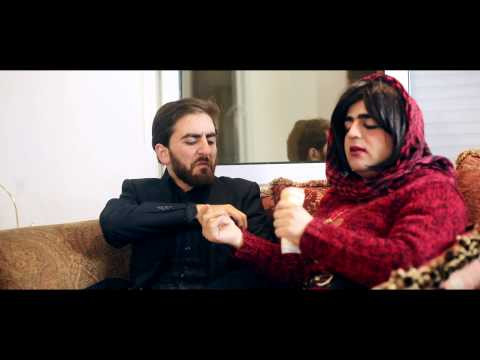 العنف ضد المرأة Year of publication: 2015 Corporate author: Jordanian National Commission for Women فيلم قصير تمثيلي يستعرض العنف ضد المرأة. وهذا الفيلم تم إنتاجه ضمن ضمن الحملة الدولية السنوية لمناهضة العنف ضد المرأة.
 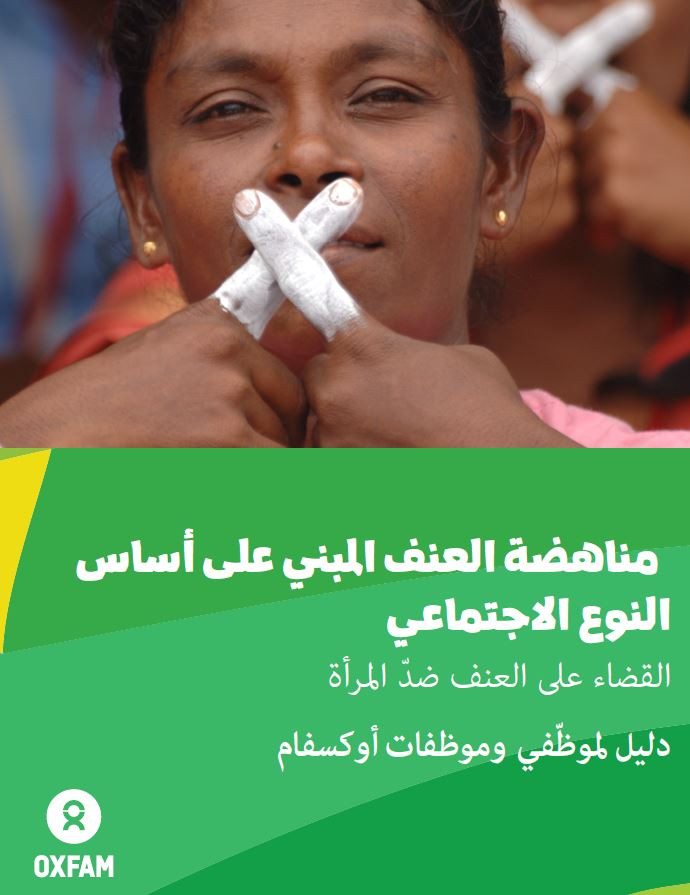 Combating Gender-Based Violence: Ending Violence Against Women Year of publication: 2012 Corporate author: Oxfam GB This file is a practical guide produced by Oxfam for its employees to combat gender-based violence, specifically violence against women. Oxfam works to eliminate violence against women because it is a violation of human rights and a major obstacle to human development. In order to achieve an effective intervention, violence against women must be defined and its root causes understood. مناهضة العنف المبني على أساس النوع الاجتماعي: القضاء على العنف ضد المرأة Year of publication: 2012 Corporate author: Oxfam GB هذا الملف هو دليل عملي أنتجته مؤسسة أوكسفام لموظفيها في سبيل مناهضة العنف المبني على أساس النوع الاجتماعي، وبالتحديد العنف ضد المرأة. حيث تعمل منظمة أوكسفام على القضاء على العنف ضدّ المرأة لأنه انتهاك لحقوق الإنسان وعائق أساسي في وجه التنمية البشرية. فلتحقيق تدخّل فعّال لا بدّ من تعريف العنف ضدّ المرأة وفهم أسبابه الأساسية.
 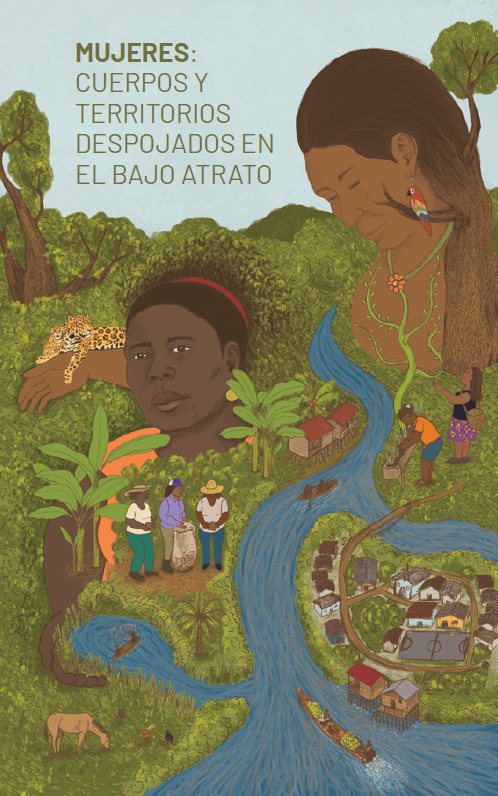 Women: Dispossessed Bodies and Territories in the Bajo Atrato Year of publication: 2022 Author: Magda Rocio Martínez Montoya Corporate author: Centro de Investigación y Educación Popular (CINEP) The violence exerted against the bodies of women is also a violence exerted against the territories. For the black, indigenous and mestizo women of the Bajo Atrato, their bodies are a substantive part of the territories and, from there, they have built and defended it. The rivers, swamps and streams are the extension of their arms and legs, waters in which they remain submerged carrying out daily tasks together with other women, their sons and daughters. In said construction and defense, their body-territories have been severely dispossessed and violated. However, they have fought and resisted, and continue to do so despite enormous risks, serious human rights violations and state abandonment. In Women: dispossessed bodies and territories in the Bajo AtratoAnalytical and contextual elements are presented that help to understand the complex relationship between gender-based violence and the processes of defending the rights to land and territory. With the delivery of this report to the Special Jurisdiction for Peace (JEP), the CINEP/PPP and the Inter-Church Commission for Justice and Peace, within the framework of the Vamos por la Paz project, provide relevant information to case 004, which prioritizes the events that occurred in the region of Urabá, Bajo Atrato and Darién. Mujeres: cuerpos y territorios despojados en el Bajo Atrato Year of publication: 2022 Author: Magda Rocio Martínez Montoya Corporate author: Centro de Investigación y Educación Popular (CINEP) La violencia ejercida contra los cuerpos de las mujeres también es una violencia ejercida contra los territorios. Para las mujeres negras, indígenas y mestizas del Bajo Atrato sus cuerpos son parte sustantiva de los territorios y, desde allí, lo han construido y defendido. Los ríos, ciénagas y quebradas son la extensión de sus brazos y sus piernas, aguas en las que permanecen sumergidas desarrollando labores cotidianas junto a otras mujeres, sus hijos e hijas. En dicha construcción y defensa, sus cuerpos-territorios han sido fuertemente despojados y violentados. Sin embargo, ellas han luchado y resistido, y lo siguen haciendo a pesar de los enormes riesgos, las graves violaciones a los derechos humanos y el abandono estatal. En Mujeres: cuerpos y territorios despojados en el Bajo Atrato se presentan elementos analíticos y contextuales que ayudan a comprender la compleja relación entre las violencias basadas en género y los procesos de defensa de los derechos a la tierra y el territorio. Con la entrega de este informe a la Jurisdicción Especial para la Paz (JEP), el Cinep/PPP y la Comisión Intereclesial de Justicia y Paz, en el marco del proyecto Vamos por la Paz, aportan información relevante al caso 004, que prioriza los hechos ocurridos en la región de Urabá, Bajo Atrato y Darién.
  Gender Violence in Childhood and Adolescence: Challenges and Realities Year of publication: 2022 Corporate author: Red Papaz In this space, the guests talk about the challenges that girls face in their daily lives and how the school and the family together can build strategies to respond to them. In addition, they will invite us to reflect on the important role of boys and men in the consolidation of protective environments free of gender-based violence. Las violencias de género en la infancia y la adolescencia: retos y realidades Year of publication: 2022 Corporate author: Red Papaz En este espacio los invitados conversan sobre los retos a los que se enfrentan las niñas en sus cotidianidades y cómo la escuela y la familia en conjunto pueden construir estrategias para responder ante ellos. Además, nos invitarán a reflexionar sobre el papel importante de los niños y hombres para la consolidación de entornos protectores libres de violencias de género.
 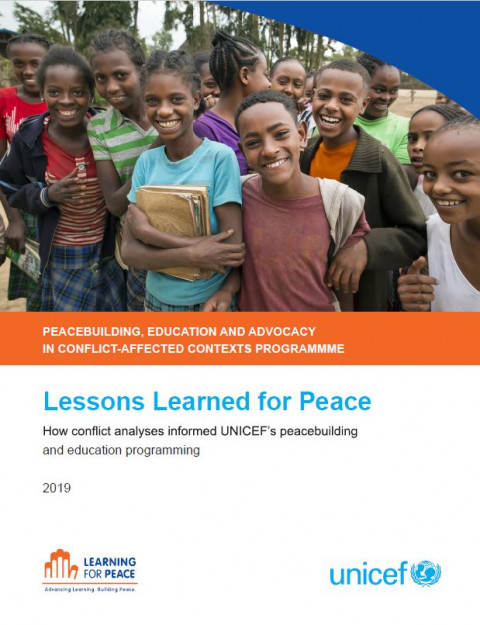 Lessons Learned for Peace Year of publication: 2019 This resource is part of a collection of resources compiled by UNICEF’s 2012-2016 Peacebuilding, Education and Advocacy Programme (PBEA), known as Learning for Peace, which was funded by the Government of the Netherlands. The purpose of Lessons Learned for Peace is to share UNICEF’s experience in conducting conflict analyses as a prerequisite for social services programming in fragile and conflict-affected contexts. As part of UNICEF’s Peacebuilding, Education and Advocacy programme, supported by the Government of the Netherlands from 2012-2016, UNICEF commissioned conflict analyses in 14 countries that informed education and other social services interventions at the system, institutional, community and individual levels. The challenges, opportunities and lessons-learned of conflict analysis research in fragile and post-conflict contexts are illustrated and discussed.
  Peace Education: A Pathway to a Culture of Peace; Third Edition Year of publication: 2019 Author: Loreta Navarro-Castro | Jasmin Nario-Galace Corporate author: Miriam College. Center for Peace Education This book is based on author's study and research as well as on experiences as teachers and trainers. By writing about what the authors have come to know and experienced. It is their hope that the ideas contained in this book will circulate widely and promote enthusiasm for both education and action for peace.This book is organized into three sections. Part I aims to develop a holistic understanding of peace and peace education; Part II discusses key peace education themes; Part III focuses on the peaceable learning environment. A "vision for the future" is presented in conclusion.
  Education, Identity and Rising Extremism: From Preventing Violent Extremism to Promoting Peace, Resilience, Equal Rights and Pluralism (PREP) Year of publication: 2017 Author: Sanam Anderlini Corporate author: International Civil Society Action Network In November 2016, during ICAN’s fifth annual Women, Peace and Security forum, members of the Women’s Alliance for Security Leadership (WASL) and other women-led organizations in over 30 countries analyzed the role of formal and informal education in contributing to enabling conditions and mitigating extremist violence. They also highlighted their own practical experiences and lessons learnt in providing education to prevent violent extremism by fostering peace, resilience, equal rights and pluralism (PREP) in formal and informal spaces, including through the teachings of alternative religious narratives. Their experiences, combined with desk research on the state of current policy and practice, and the first multi-stakeholder Global Solutions Exchange (GSX) meeting on the nexus of education, gender and extremism held at the UNESCO headquarters in Paris in March 2017, inform the findings of this report.