
Resources
Explore a wide range of valuable resources on GCED to deepen your understanding and enhance your research, advocacy, teaching, and learning.
2,657 Results found
 The Responsibility of the School in Developing Awareness of Human Rights in the Light of Islamic Education Year of publication: 2017 Author: Asaad Al Hussein Corporate author: Cairo University Based on the importance of developing awareness of human rights and what it aims to achieve in developing the values of freedom, equality, cooperation and promoting rights and duties, this paper examines the responsibility of the school in developing awareness of human rights in the light of Islamic education. The school is considered the most important educational institution entrusted with promoting awareness of human rights. مسؤولية المدرسة في تنمية الوعي بحقوق الانسان في ضوء التربية الإسلامية Year of publication: 2017 Author: Asaad Al Hussein Corporate author: Cairo University انطلاقا من أهمية تنمية الوعي بحقوق الانسان وما تهدف اليه من تنمية قيم الحرية والمساواة والتعاون وتعزيز الحقوق والواجبات، فإن هذه الورقة تبحث في مسؤولية المدرسة في تنمية الوعي بحقوق الانسان في ضوء التربية الإسلامية. وتعتبر المدرسة أهم المؤسسات التربوية المنوط بها تعزيز الوعي بحقوق الانسان.
 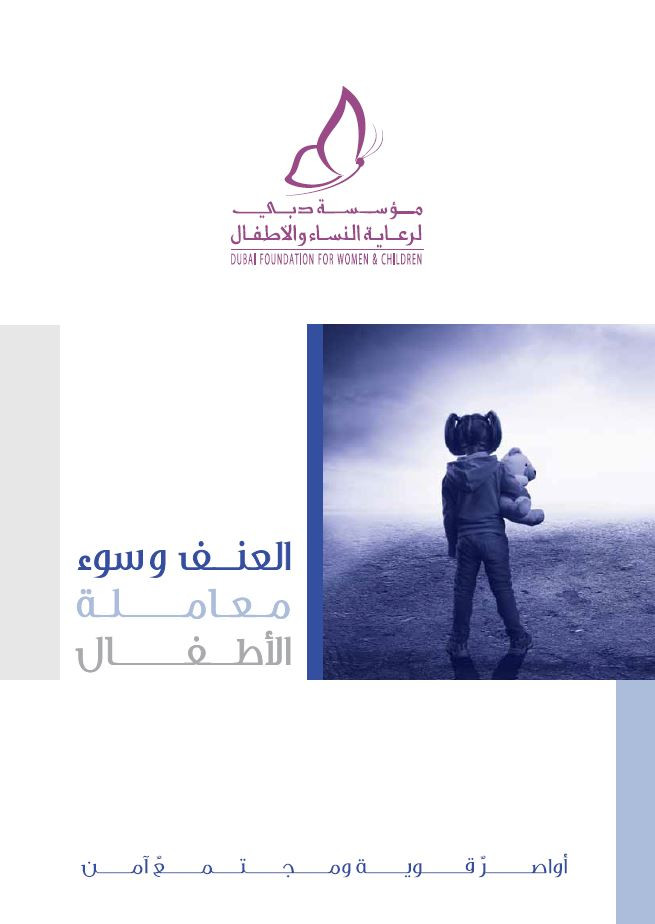 Violence and Child Abuse Year of publication: 2015 Corporate author: Dubai Foundation for Women and Children (DFWAC) | Center for Statistical, Economic and Social Research and Training for Islamic Countries The study aimed to investigate the phenomenon of violence against children in the United Arab Emirates. It focuses on the extent of violence against children and abuse in its various forms at home and at school. The study came out with a set of recommendations to deal with the phenomenon. العنف وسوء معاملة الأطفال Year of publication: 2015 Corporate author: Dubai Foundation for Women and Children (DFWAC) | Center for Statistical, Economic and Social Research and Training for Islamic Countries هدفت الدراسة الى تقصي ظاهرة العنف ضد الأطفال في الامارات العربية المتحدة. وتركز على حجم العنف ضد الأطفال والإساءة بمختلف أشكالها في المنزل والمدرسة. وخرجت الدراسة بمجموعة من التوصيات للتعامل مع الظاهرة.
  Workshop on "Developing and Activating Family Protection" Year of publication: 2013 Corporate author: Oman. Ministry of Social Development This presentation presents a workshop on "Developing and activating family protection". It begins by referring to the interest in children's rights in history. It goes on to talk about children's rights in Islam. Then it expands on the protection of vulnerable groups and children in the family. ل عن حول "تطوير وتفعيل الحماية الأسرية" Year of publication: 2013 Corporate author: Oman. Ministry of Social Development يقدم العرض حلقة عمل عن حول "تطوير وتفعيل الحماية الأسرية". ويبدأ بالإشارة للاهتمام بحقوق الطفل في التأريخ. ويستطرد في الحديث عن حقوق الطفل في الاسلام. ثم يتوسع في حماية الفئات الضعيفة والأطفال في الأسرة.
  Uzbekistan: Gender Score by Country Year of publication: 2014 Corporate author: Asian Development Bank (ADB) This country gender assessment describes the changing status of women and men in Uzbekistan as the country rapidly transitions from a state-controlled, agriculture-based economy to a market-based system. Prepared under ADB regional technical assistance, this report details several characteristics of Uzbekistan's transformation and their direct relevance to gender equality. Узбекистан. Гендерная оценка по стране Year of publication: 2014 Corporate author: Asian Development Bank (ADB) Эта гендерная оценка по стране описывает изменения в положении женщин и мужчин в Узбекистане, так как страна быстро переходит из контролируемой государством, сельско-хозяйственной экономики к рыночной системе. Подготовлено под региональной технической помощью АБР, в настоящем докладе подробно описывается несколько характеристик преобразования Узбекистана и их непосредственное отношение к гендерному равенству.
  Strengthening the Gender Journalism Curriculum in the Republic of Kazakhstan Year of publication: 2018 Author: Sergey Karpov | Nazgul Shyngysova This program focuses on how strategic gender analysis might be incorporated into journalistic production. It describes and analyzes how inequalities between men and women occur culturally and are reproduced in the media, enabling students to critically examine and reconsider their own stereotypes. Усиление учебной программы по гендерной журналистике в Республике Казахстан Year of publication: 2018 Author: Sergey Karpov | Nazgul Shyngysova Эта программа посвящена тому, как стратегический гендерный анализ мог бы быть включен в журналистское производство. В нем описывается и анализируется, как неравенство между мужчинами и женщинами происходит в культурном плане и воспроизводится в СМИ, давая возможность студентам критически выяснить и пересмотреть свои собственные стереотипные представления.