
Resources
Explore a wide range of valuable resources on GCED to deepen your understanding and enhance your research, advocacy, teaching, and learning.
3,438 Results found
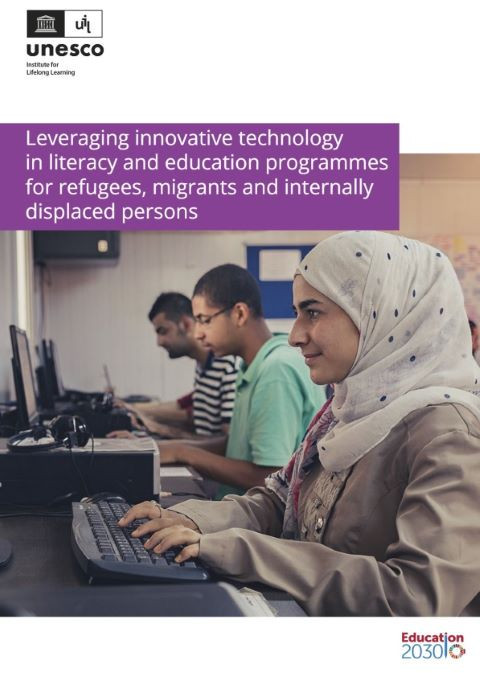 Leveraging Innovative Technology in Literacy and Education Programmes for Refugees, Migrants and Internally Displaced Persons Year of publication: 2022 Corporate author: UNESCO Institute for Lifelong Learning (UIL) The publication Leveraging innovative technology in literacy and education programmes for refugees, migrants and internally displaced persons brings together a selection of 21 case studies showcasing how ICTs can be integrated both innovatively and effectively into literacy and education programmes for refugees, migrants and IDPs. The case studies in this compilation demonstrate the potential of technology to support learners’ acquisition of literacy skills through arts-based learning, integrated literacy programmes, entrepreneurship training or in combination with tertiary education opportunities. They highlight the multitude of stakeholders that have come together across sectors to shape innovative responses that can make a real difference to learners’ lives. At the same time, the compilation shows the various modalities through which technology can be harnessed to deliver effective literacy and educational opportunities in diverse and challenging environments while recognizing and remaining sensitive to the needs of learners, be they refugees, IDPs or migrants.
 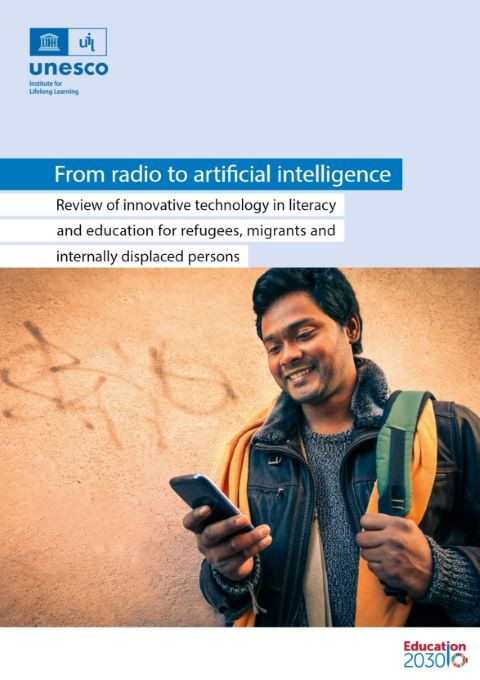 From Radio to Artificial Intelligence: Review of Innovative Technology in Literacy and Education for Refugees, Migrants and Internally Displaced Persons Year of publication: 2022 Corporate author: UNESCO Institute for Lifelong Learning (UIL) The publication From radio to artificial intelligence: Review of innovative technology in literacy and education for refugees, migrants and internally displaced persons presents a review of relevant literature and an analysis of 25 programmes from across the world that have used innovative ICTs in literacy and education for refugees, migrants and IDPs. It identifies a lack of data on the state of literacy for youth and adults globally, and limited literature on the effectiveness of ICTs in supporting literacy and education programmes for refugees, migrants and IDPs. The 25 analysed programmes reveal that ICTs play an important role in overcoming barriers to learning for these target groups, however. The strategies followed by these innovative ICT-supported programmes are elaborated across six thematic areas: (1) access and inclusion, (2) capacity-building of teachers and educators, (3) relevant content and innovative andragogy, (4) monitoring and evaluation, (5) strategic partnerships and (6) recognition, validation and accreditation of learning. De la radio à l’intelligence artificielle: Examen des technologies innovantes en matière d’alphabétisation et d’éducation pour les réfugiés, les migrants et et les personnes déplacées à l’intérieur de leur propre pays Year of publication: 2022 Corporate author: UNESCO Institute for Lifelong Learning (UIL) La publication De la radio à l'intelligence artificielle : Examen des technologies innovantes en matière d'alphabétisation et d'éducation pour les réfugiés, les migrants et les personnes déplacées à l'intérieur de leur propre pays présente une revue de la littérature pertinente et une analyse de 25 programmes du monde entier qui ont utilisé les TIC innovantes pour l'alphabétisation et l'éducation des réfugiés, migrants et personnes déplacées. Il identifie un manque de données sur l'état de l'alphabétisation des jeunes et des adultes dans le monde, et une littérature limitée sur l'efficacité des TIC à soutenir les programmes d'alphabétisation et d'éducation pour les réfugiés, les migrants et les personnes déplacées. Les 25 programmes analysés révèlent cependant que les TIC jouent un rôle important pour surmonter les obstacles à l'apprentissage pour ces groupes cibles. Les stratégies suivies par ces programmes innovants soutenus par les TIC sont élaborées à travers six domaines thématiques : (1) accès et inclusion, (2) renforcement des capacités des enseignants et des éducateurs, (3) contenu pertinent et andragogie innovante, (4) suivi et évaluation , (5) partenariats stratégiques et (6) reconnaissance, validation et accréditation des apprentissages. من الراديو إلى الذكاء الاصطناعي مراجعة التكنولوجيا المبتكرة في محو الأمية والتعليم للاجئين والمهاجرين والنازحين داخليًا Year of publication: 2022 Corporate author: UNESCO Institute for Lifelong Learning (UIL) تعتبر الحركة العالمية للأشخاص، سواء داخل الحدود الوطنية أو عبر لون لأسباب عديدة، فمنهم ّا. الناس يتنقًا راسخًالحدود الدولية، حدثمن يخشى الاضطهاد أو الحرب أو الكوارث، ومنهم من يبحث عن فرص حياة أفضل. في العقد الأخير، ارتفع عدد اللاجئين والنازحين داخليا والمهاجرين بشكل كبير بسبب الصراعات والكوارث الطبيعية رت مفوضية الأمم المتحدة السامية ّوالاصطناعية والعولمة. وقد مليون شخص قد نزحوا 82.4ّأن (UNHCRلشؤون اللاجئين )ون ّ، ومنهم النازحون واللاجئون الفلسطيني2020 في نهاية عام ًقسرا عن خمس ّون، والذين سيبقى معظمهم في المنفى لمدة لا تقلّوالفنزويلي سنوات )المفوضية السامية للأمم المتحدة لشؤون اللاجئين، 10إلى د للاجئين والنازحين من ّ(. في هذا النزوح المطول، لا ب2021الوصول إلى فرص محو الأمية والتعليم الشاملة وعالية الجودة، فهذا لون أكثر من ثلثي ّة للشباب والبالغين الذين يشكّأمر بالغ الأهمية، بخاصهذه المجموعة. على عكس البيانات الخاصة بالأطفال في سن المدرسة، تندر البيانات حول محو الأمية والاحتياجات والخبرات التعليمية للشباب والبالغين ل خبرات ما يناهز ّا. تتشكًمن اللاجئين والمهاجرين والنازحين داخلي( ، بحسب 2019ا )المنظمة الدولية للهجرة، ً مليون مهاجر272المنظار الذي يراهم فيه بلد المقصد سواء كانوا من الأشخاص الذين عتبرون من ذوي المهارات ُا - أي أنه قد يًانتقلوا طواعية أو قسرالعالية أو ذوي المهارات المنخفضة، أو حاملي الأوراق الثبوتية أو فاقديها، أو قيمة مضافة للاقتصاد أو عبء على المجتمع المضيف. ا ًا حيويًية بلغة بلد المقصد وفرص التعليم المستمر أمرّ محو الأمّعدُويال المهاجرين وتمكينهم من المشاركة في مجتمعاتهم ّلمنع استغلال العمكمواطنين فاعلين.( اللاجئين يمكن أن تساعد تكنولوجيا المعلومات والاتصالات )ICTب على التحديات ّا على التغلًوالمهاجرين والمتعلمين النازحين داخليا ما يواجهونها، مثل تلك المتعلقة بإمكانية الحصول على ًالتي غالبف مع ّة للتكيّالتعليم واللغة. فيمكنهم العثور على موارد التعلم المعدمون في وقتهم الخاص ّحاجات الفرد واستخدامها بلغتهم وبذلك يتعلى ولو كان النفاذ إلى تكنولوجيا ّوبحسب وتيرتهم. في الواقع، حت تحسين تصميم برامج محو ّا، فإنًالمعلومات والاتصالات محدودقة الاتصال أو معدومة ّة للعمل في سياقات ضيّالأمية والبرامج التعليميم إلى الأماكن النائية. في الوقت نفسه، ّبالإنترنت يمكن أن يصل التعلّ إدراك حدود تكنولوجيا المعلومات والاتصالات وفهمها، لأنّمن المهمتصميمها واستخدامها يكمن في سياقات تكنولوجية واجتماعية وثقافية ا عند ًدون داخليّوسياسية مختلفة يواجهها اللاجئون والمهاجرون والمشرالانتقال من مكان إلى آخر. استجابة لهذه المشاكل، بدأ معهد اليونسكو للتعلم مدى الحياة ، بدعم ،(SIDAمالي من الوكالة السويدية للتعاون الإنمائي الدولي )م ّباستعراض الأدبيات والممارسات الخاصة بالتقنيات المبتكرة لتعلالقراءة والكتابة والتعليم للشباب واللاجئين الكبار والمهاجرين ث عن ّات التي تتحدّا. ويجمع هذا الاستعراض الأدبيًوالنازحين داخلييات التي تواجهها تلك الفئات الضعيفة وعن احتياجاتها. كما يراجع ّالتحد تنفيذها ّا لمحو الأمية والتعليم تمًا مختارً برنامج25ة قيام ّالاستعراض كيفيفي أصقاع العالم المختلفة، بوضع تكنولوجيا المعلومات والاتصالات ة. ّموضع التنفيذ لمساعدة هذه المجموعات في مساعيها التعليميتؤكد الرؤى المستمدة من البرامج على قيمة استخدام مجموعة واسعة ات ّ إلى التقنيًا من الراديو وصولاًات، بدءّمن التقنيات والتكنولوجيمة، مثل الذكاء الاصطناعي، لتحسين محو الأمية والتعليم ّالرقمية المتقدات ضمن ّ استخدام هذه التقنيّه لهذه الفئات الضعيفة. وقد تمّالموجمين ّيات تزويد المتعلّتركيبات مبتكرة لتمكين البرامج من مواجهة تحدمين بإمكانية الوصول إلى تكنولوجيا المعلومات والاتصالات ّوالمعل التعليم ّا أنًظهر الاستعراض أيضُم. كما يّال للتعلّواستخدامها الفعد المنصف والشامل والفرص مدى الحياة للاجئين والمهاجرين ّالجيا تتحقق بشكل أفضل عندما يعمل أصحاب المصلحة ًوالنازحين داخليا لتلبية احتياجات هؤلاء المتعلمين المستهدفين.ًمعنعتقد أن هذا التقرير فريد من نوعه في محاولته لمعالجة التجارب المتنوعة للسكان الشباب والبالغين من اللاجئين والمهاجرين والنازحين البحث بشأنهم بما يكفي، وفي كيفية مراجعته ِداخليا، الذين لم يجرللفرص والتحديات المتعلقة بالوصول إلى برامج محو الأمية المدعومة بالتكنولوجيا والمشاركة فيها وفي البرامج التعليمية. م الذي يحدث في السياق ّل النموذجي للتعلّا لأننا نشارك في التحوًنظرونساهم به، فإننا ندعوكم لقراءة هذا التقرير -19الحالي لأزمة كوفيدمين كافة.ّ للمتعلًل التعليمي أكثر شمولاّوالتفكير في كيفية جعل هذا التحوديفيد أتشواريناالمديرمعهد اليونسكو للتعلم مدى الحياة
  International Trends of Lifelong Learning in Higher Education: Research Report Year of publication: 2023 Corporate author: UNESCO Institute for Lifelong Learning (UIL) | Shanghai Open University Against the background of a global education crisis and a growing recognition of the importance of lifelong learning, the UNESCO Institute for Lifelong Learning (UIL) and the Shanghai Open University (SOU) conducted a comprehensive research project from 2020 to 2022 that included, among other components, an international survey on the contribution of higher education institutions to lifelong learning, the results of which are presented in this report. Based on the comprehensive sets of quantitative and qualitative data collected across all world regions, this research constitutes a major step forward in building an international knowledge base on the role of HEIs in establishing lifelong learning opportunities for all. 高等教育机构实施终身学习的国际趋势 : 研究报告 Year of publication: 2023 Corporate author: UNESCO Institute for Lifelong Learning (UIL) | Shanghai Open University 《高等教育机构实施终身学习的国际趋势》这份研究 报告全面概述了全球高等教育领域终身学习的发展 状况。报告研究了高等教育机构如何为终身学习做出 贡献,并展示了不同实施领域的进展情况。报告基于 2020年开展的一项国际调查的结果,该调查由联合国 教科文组织终身学习研究所(UIL)牵头,国际大学协会 (IAU)和上海开放大学(SOU)予以合作。调查收到了来自世界各地区96个国家的399个机构的 有效答复。报告分析了高等教育终身学习(LLL)制度 化的三个主要方面,分别是促进高等教育终身学习的 支持性政策环境;机构治理与实施;高等教育机构通过 多样化和灵活性增加终身学习机会的方法和程度。
  Institutional practices of implementing lifelong learning in higher education: research report Year of publication: 2023 Corporate author: UNESCO Institute for Lifelong Learning (UIL) | Shanghai Open University In many countries, higher education is gaining prominence as a means for the general population to engage in lifelong learning (LLL), whether for personal or professional development, or to participate in broader societal change. In some cases, national governments have introduced policies or funding instruments that create incentives for higher education institutions (HEIs) to align their offerings more closely with changing labour market demands and societal needs, and to expand access for groups previously underrepresented in higher education. Key trends in the higher education sector and the associated global socio-economic transformations were discussed in detail in the international survey report, which was published as part of the research project on the contribution of higher education institutions to LLL (UIL and SOU, 2023). This case study report moves from an international overview of the policies, structures and mechanisms that support LLL in higher education to the close study of institutional practices. It explores the interrelations between national policy environments and institutional strategies. It examines different approaches taken by universities to develop, implement and monitor LLL activities, and further provides practical examples of how universities engage with diverse groups of learners through their LLL mission. As such, this report’s value lies in offering both general insights into the implementation of LLL in HEIs, and case-specific descriptions and analyses of institutional policies and practices. 高等教育机构实施终身学习的实践: 研究报告 Year of publication: 2023 Corporate author: UNESCO Institute for Lifelong Learning (UIL) | Shanghai Open University 在许多国家,高等教育作为大众参与终身学习以获得个 人或职业发展或参与更广泛社会变革的一种手段,日益 受到重视。在某些情况下,国家政府推出了政策或资助 工具,为高等教育机构提供激励,使其提供的服务更紧 密地贴合不断变化的劳动力市场需求和社会需求,并为 以前在高等教育中代表性不足的群体提供更多学习机 会。国际调查报告详细介绍了高等教育部门的主要趋势 以及相关的全球社会经济转型,该报告作为高等教育机 构对终身学习贡献的研究项目一部分发布(终身学习研 究所和上海开放大学,2023年)。本案例研究报告提供了对支持高等教育终身学习的政 策、结构和机制的国际性概述,介绍了对机构实践的深 入研究,探讨了国家政策环境与机构性战略之间的相互 关系,研究了大学为开发、实施和监测终身学习活动而采 取的不同方法,进一步提供了大学如何通过其终身学习 任务与不同群体学习者互动的实例。因此,本报告价值 在于既提供了高等教育机构实施终身学习的一般见解, 也提供了对机构政策和实践具体案例的描述和分析。
 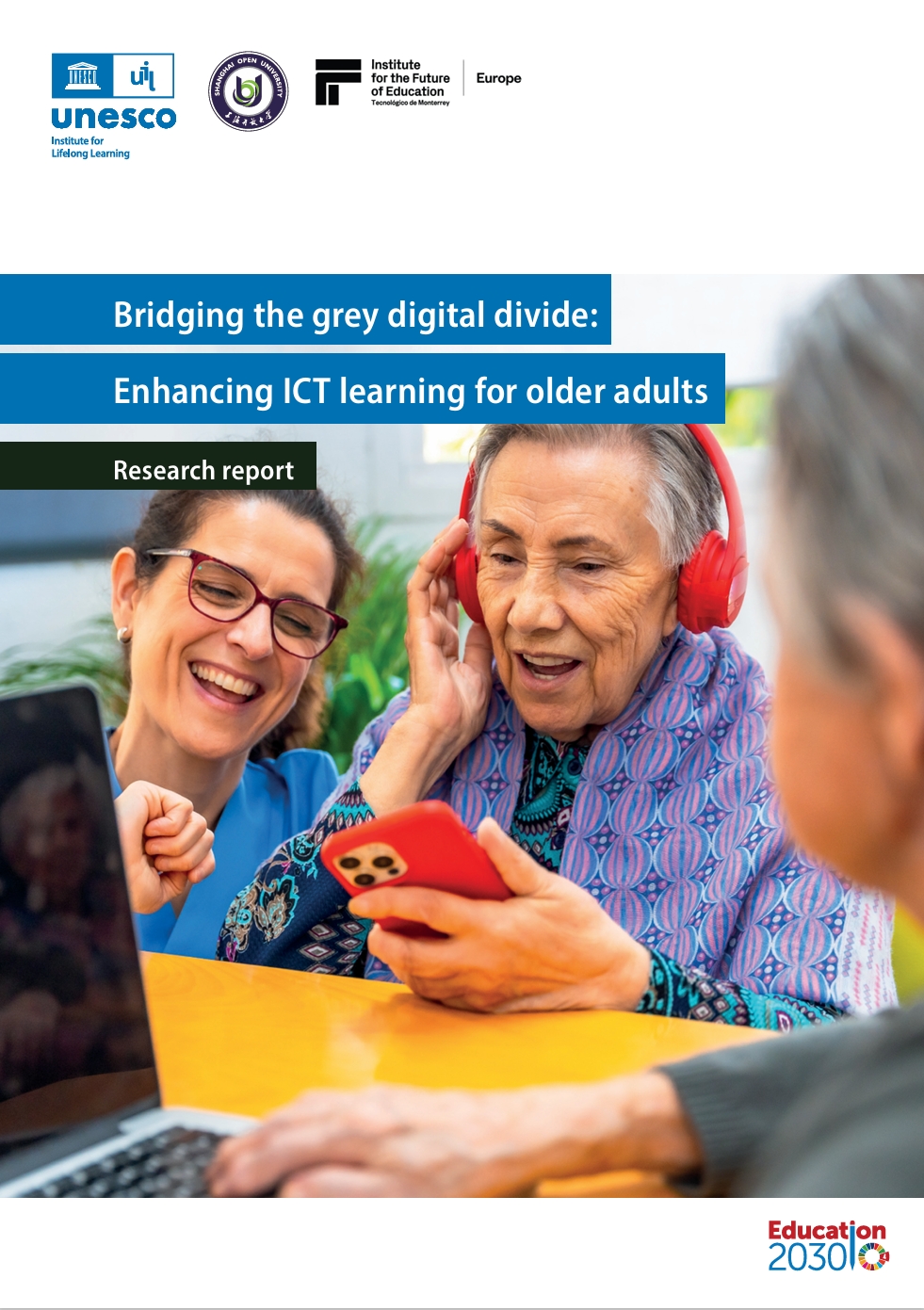 Bridging the Grey Digital Divide: Enhancing ICT Learning for Older Adults; Research Report Year of publication: 2025 Corporate author: UNESCO Institute for Lifelong Learning (UIL) | Shanghai Open University (SOU) | Institute for the Future of Education This research report, Bridging the Grey Digital Divide: Enhancing ICT Learning for Older Adults, explores how organizations across diverse national and regional contexts are supporting digital learning opportunities for older adults. Through six case studies from across five UNESCO regions, it presents a rich array of practices and strategies adopted by independently funded non-profit organizations, community learning centres operating under the auspices of national and local governments, foundations and adult education institutions drawing on a combination of private and public funding sources while maintaining links with universities, and other stakeholders working to close the digital gap for older learners. These examples demonstrate that with the right support structures and pedagogical methods – such as tailored learning programmes, age-friendly technology environments, and intergenerational collaboration – older adults can, and do, engage meaningfully with digital technologies..
 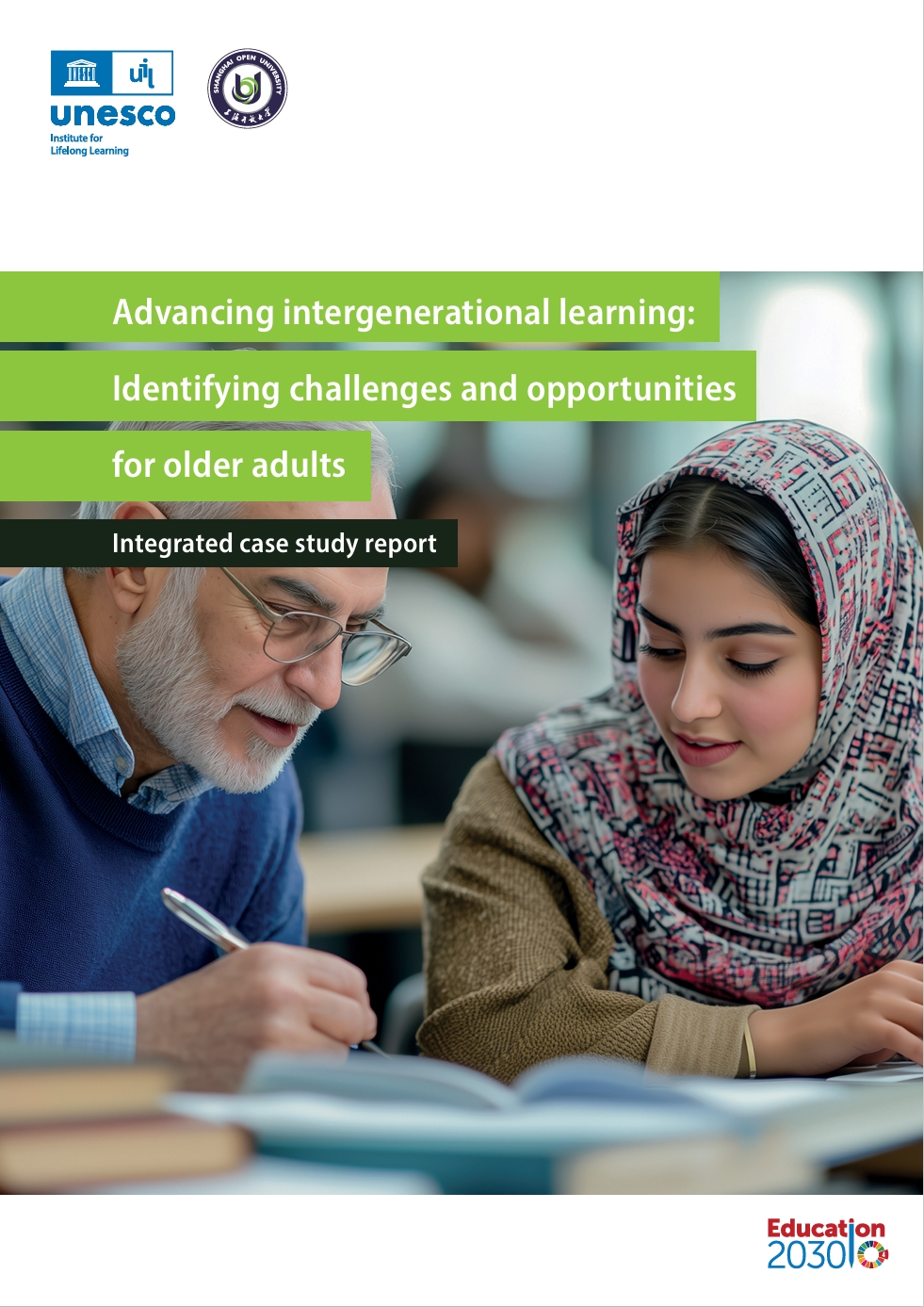 Advancing Intergenerational Learning: Identifying Challenges and Opportunities for Older Adults; Integrated Case Study Report Year of publication: 2025 Corporate author: UNESCO Institute for Lifelong Learning (UIL) | Shanghai Open University (SOU) This research report presents case studies from the UNESCO regions Europe and North America, Africa, and Asia and the Pacific, showcasing various strategies for designing intergenerational learning initiatives. It highlights the diverse policy frameworks and implementation contexts within which these global programmes operate.Using an exploratory multiple case study approach, the report examines the dynamics and potential of intergenerational learning as a catalyst for cultivating a culture of lifelong learning. It assesses the value of such learning in promoting age-friendly environments and addressing ageism. Additionally, the report offers insights into generational learning motivations and identifies barriers to effective intergenerational programming.Finally, the report provides a set of evidence-based guidelines to inform and enhance future efforts in intergenerational learning. The findings and recommendations serve as a valuable resource for educators, policy-makers, and community leaders.These case studies were developed as part of the broader UNESCO Institute for Lifelong Learning research project, Higher Education Institutions – Responses to the Learning Needs of Ageing Societies.