
Resources
Explore a wide range of valuable resources on GCED to deepen your understanding and enhance your research, advocacy, teaching, and learning.
883 Results found
 Improving the Impact of Preventing Violent Extremism Programming A Toolkit for Design, Monitoring and Evaluation Year of publication: 2018 Author: Lucy Holdaway & Ruth Simpson Corporate author: United Nations Development Programme (UNDP) The objective of this toolkit is to help close this gap. It is designed as a living document for UNDP practitioners and partners who are working on programmes that are either specifically focused on PVE, or have PVE-relevant elements to them. It draws on best practice for design, monitoring and evaluation in complex, conflict contexts adapting these for PVE programming. The toolkit includes modules, processes and approaches as well as an indicator bank that can be used within UNDP, with national and community level partners and as part of a capacity-building approach around monitoring.
 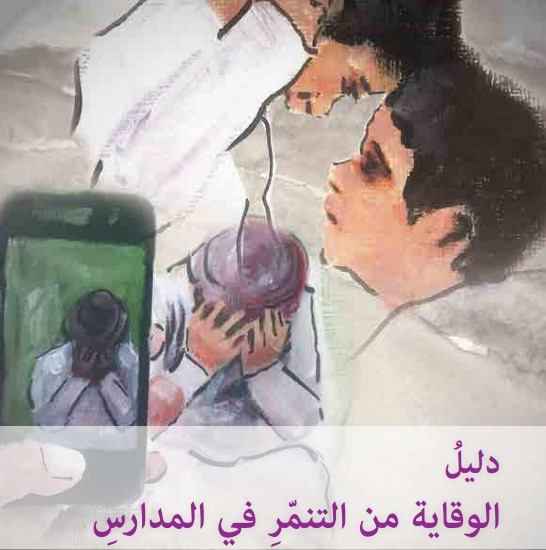 دليل الوقاية من التنمر في المدارس Year of publication: 2018 Author: Keen Rugbi Corporate author: United Arab Emirates. Ministry of Education تمَّ إعدادُ هذا الدليل لمساعدة المدارس في مكافحة التنمّر بين الطلبة الذي أصبح منتشراً في مدارس دول العالم المختلفة، بدرجة تستدعي البحث عن إيجاد حلول لهذه المشكلة، وقد يحدث التنمّر في حالات بسيطةٍ تتمّ السيطرة عليها بواسطة الطلبة أنفسهم، وأنّ هذه الحالات تُخلِّفُ أضراراً نفسيّة وجسديّة لعدد من الطلاب الذين يصعُب عليهم معالجةُ الموقف بأنفسهم، لتصبح المدرسة التي تقع فيها حالات التنمّر بكثرة مكاناً مُرهقاً للأطفال، مما يعيق قدرتَهم على التعلّم إلى حدٍّ بعيد. School Bullying Prevention Guide Year of publication: 2018 Author: Keen Rugbi Corporate author: United Arab Emirates. Ministry of Education This guide has been prepared to assist schools in combating bullying among students, which has become prevalent in schools in different countries of the world, to a degree that calls for searching for solutions to this problem. Bullying may occur in simple cases that are controlled by the students themselves, and that these cases cause psychological and physical damage. There are number of students who find it difficult to handle the situation on their own, the school where bullying cases occur frequently becomes a stressful place for children, hindering their ability to learn greatly.
 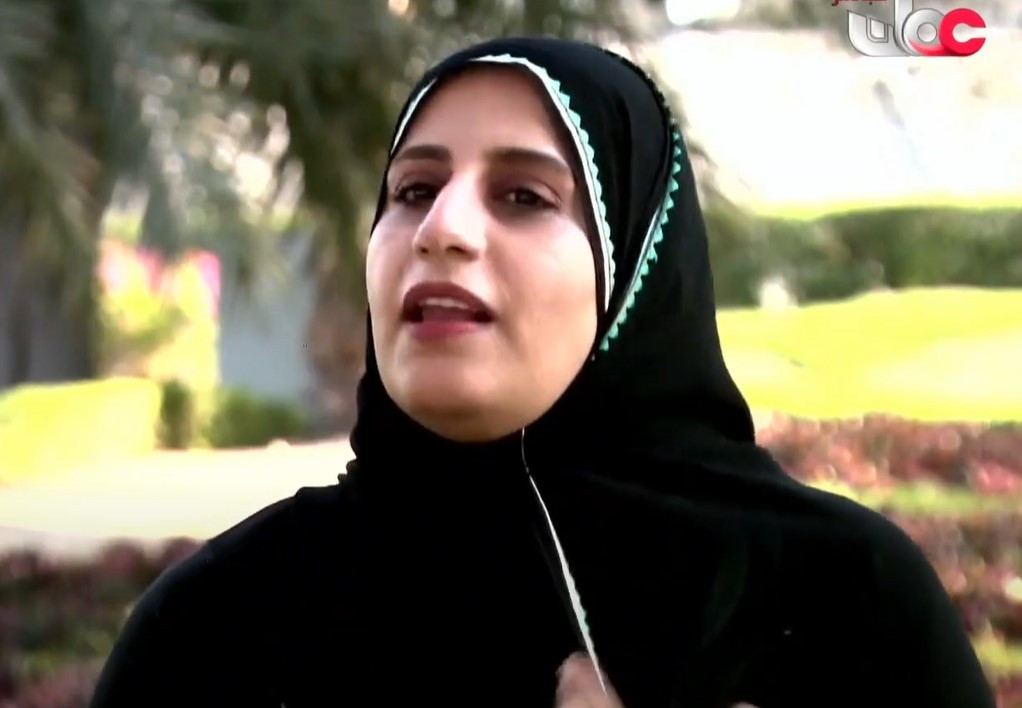 التنمر الإلكتروني Year of publication: 2021 Author: Amani Albalushi Corporate author: Oman TV الفيديو عبارة عن مقابلة تلفزيونه مع مختصة عن التنمر اللإلكتروني. تحدثت الضيفة عن مظاهر وأسباب التنمر الالكتروني. واختممت بالحديث عن الحلول الممكنة للتنمر الإلكتروني. Cyberbullying Year of publication: 2021 Author: Amani Albalushi Corporate author: Oman TV The video is a TV interview with a specialist on cyberbullying. The interviewee talked about the manifestations and causes of electronic bullying. She concluded by talking about possible solutions to cyberbullying.
 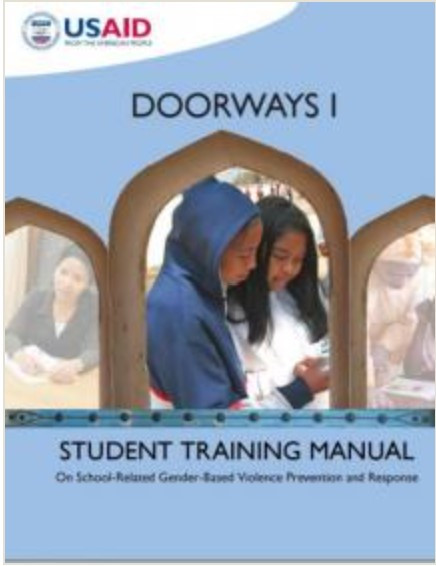 دليل تدريب الطالب: التعامل مع العنف القائم على النوع الاجتماعي في المدارس وكيفية تجنبه Year of publication: 2009 Corporate author: United States Agency for International Development (USAID) تم تصميم وتمويل برنامج التدريب "مداخل" من قبل الوكالة الأمريكية للتنمية الدولية ( USAID ) لبرنامج "المدارس الآمنة"؛ لتمكين المعلمين، وأفراد المجتمع، والطلاب من التعامل مع العنف القائم على النوع الاجتماعي في المدارس وكيفية تجنبه؛ ذلك لأن العنف داخل وخارج المدارس أصبح مشكلة عالمية ذات تأثيرات خطيرة على التحصيل العلمي، وصحة وسلامة الأطفاله؛ كما أن الإيذاء البدني، والجنسي، والنفسي الذي يتعرض له الأولاد، والبنات على أيدي المعلمين، أو الزملاء أو الآخرين؛ يؤدي إلى تسرب الأطفال من المدرسة، وقد يترك جروحًا تبقى آثارها لفترة طويلة مخفية عن الأنظار . Student Training Manual: Dealing with and How to Avoid Gender-Based Violence in Schools Year of publication: 2009 Corporate author: United States Agency for International Development (USAID) The Doorways training program was designed by the U.S. Agency for International Development (USAID)-funded Safe Schools Program (Safe Schools) to enable teachers, community members and students to prevent and respond to school related gender-based violence (SRGBV).1 Violence in and around schools is a worldwide problem with serious implications for the educational attainment, health and well-being of all children.2 The physical, sexual and psychological abuse suffered by both girls and boys at the hands of teachers, classmates and others drives children out of school and can leave long-lasting scars invisible to the eye.
  مدى انتشار الصعوبات النمائية للأطفال العمانيين وفقا لمتغيري الجنس والبرنامج التعليمي Year of publication: 2022 Author: Ali Mahdi Kazem | Sahar Al-Shorbagy | Thuraya S هـدفت الدراسـة الحاليّـة إلـى الكشـف المب ّكـر عـن الصـعوبات النمائيّـة، لـدى أطفـال مـا قبـل المدرسة في محافظة مسقط. وت ّم استخدام قائمة الصـعوبات النمائيّـة للكشـف عـن هـؤلاء الأطفـال، والتي تضمنت ثلاثة محاور: الصعوبات المعرفيّة، والصعوبات اللغويّة، والصعوبات البصريّة الحركيّة. طبقت الدراسة على عيّنة بلغت 365 طفل وطفلة من رياض الأطفال الحكوميّـة والخاّصـة والعالميّـة في محافظة مسقط. وتو ّصلت الدراسة إلى أ ّن مع ّدل انتشار الصعوبات النمائيّة لدى أطفـال الروضـة ف ي م ح ا ف ظ ة م س ق ط ي ب ل غ ح و ا ل ي 6 % ، و أ ّن م ع ّد ل ا لأ ط ف ا ل ا ل م ع ّر ض ي ن ل ص ـ ع و ب ا ت ا ل ـ ت ع لّ م ف ـ ي م ح ا ف ظ ـ ة مسقط بلغ حوالي 13.2%، وأشارت النتائج أيضاً إلى وجود فروق ذات دلالة إحصائيّة في معدل انتشار الصعوبات النمائيّة، تُعزى لمتغيّر النوع لصـالح الـذكور، وفـي متغيّـر البرنـامج التعليمـي لصـالح المدارس العالميّة. Prevalence Rate of the Developmental Disabilities among Omani Children according to Gender and Educational Program Year of publication: 2022 Author: Ali Mahdi Kazem | Sahar Al-Shorbagy | Thuraya S The present study aimed to early identify the developmental isabilities among kindergarten kids in Muscat. To achieve the aim of the study, the researchers used the developmental disabilities Inventory which has three axes: cognitive disabilities, linguistic disabilities and visual motor disabilities. The sample of the study was 365 children from kindergarten in Muscat. Findings indicated that the rate of spreading developmental disabilities of the sample reaches 6% and the rate of children who has risk of learning disabilities reaches 13.2%.The results also mentioned that there were statistically significant differences in the rate of spreading evelopmental disabilities due to the type variable in favour of the males. Also, there were significant differences in the educational program variable in favour of international schools.
  Cartoonothèque Corporate author: Cartooning for Peace Grâce à la contribution quotidienne de ses 280 membres dessinateurs de presse, originaires de 74 pays à travers le monde, Cartooning for Peace dispose d’une remarquable collection de dessins de presse qui offre une pluralité de perspectives sur les événements internationaux au fil des années.Les 10 galeries thématiques présentent un petit échantillon de cette « cartoonothèque » qui permet à l’association de créer ses expositions, ses outils pédagogiques et de fournir ses partenaires médias, mettant ainsi le dessin de presse à la disposition d’une diversité de publics (grand public, institutions, élèves et étudiants, jeunes sous main de justice, prisonniers, professionnels de l’éducation, journalistes, dessinateurs, etc). Thanks to the daily contribution of its 280 member press cartoonists, from 74 countries around the world, Cartooning for Peace has a remarkable collection of press cartoons that offers a plurality of perspectives on international events over the years.The 10 thematic galleries below present a small sample of this “cartoon library” which allows the organisation to create its exhibitions, its educational tools and to provide its media partners, making press cartoons available for a diversity of audiences (general public, institutions, pupils and students, young people in custody, prisoners, education professionals, journalists, cartoonists etc).