
Resources
Explore a wide range of valuable resources on GCED to deepen your understanding and enhance your research, advocacy, teaching, and learning.
3,777 Results found
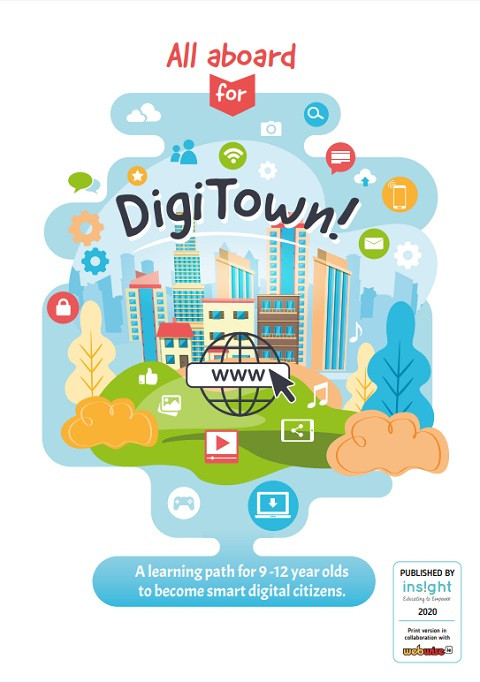 All Aboard for DigiTown: A Learning Path for 9 -12 Year Olds to Become Smart Digital Citizens Year of publication: 2020 Author: Janice Richardson | Veronica Samara Corporate author: Webwise “All Aboard for DigiTown!”is a fun, entertaining learning journey for young digital citizens through 10 digital themes centred on ‘Being online’, ‘Well-being online’ and ‘Rights online’. These are based on the Council of Europe’s successful Digital Citizenship Education model. As children progress through the stories, exercises and individual and group activities in the book, they will learn about using digital technology wisely, behaving respectfully and responsibly, and cooperating meaningfully online and offline. They end their journey with a backpack of badges to remind them of what being a digital citizen really means. A final section provides solutions, and offers teachers and parents a detailed overview of the competences their children are developing in order to better guide them on their path towards digital citizenship.The book can be used both in class, at home and in distance learning. It is adapted to the learning needs of children in the final years of elementary school (age around 9-12 years).
 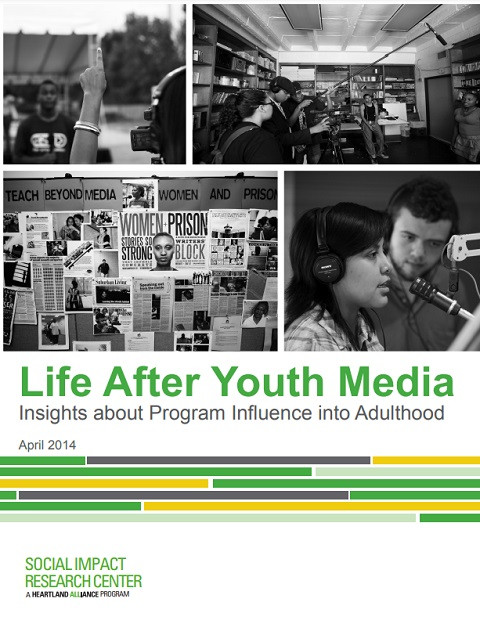 Life After Youth Media: Insights About Program Influence Into Adulthood Year of publication: 2014 Author: Suniya Farooqui | Amy Terpstra Corporate author: Social IMPACT Research Center * Do the skills, attitudes, and behaviors imparted in youth programs "stick" into adulthood? * If they do, how do they manifest in career, education, and life decisions? * How do the skills, attitudes, and behaviors that youth programs try to impart differ based on program intensity or levels of engagement? * Do these elements look different for people who went through youth media programs versus people who went through other types of youth programs? These are common questions that youth program providers, funders, public officials, and other leading thinkers regularly wrestle with. This report tells the story of a group in Chicago committed to providing quality youth media programming in the city and how, through a collective evaluation, they were able to begin to answer these critical questions.
 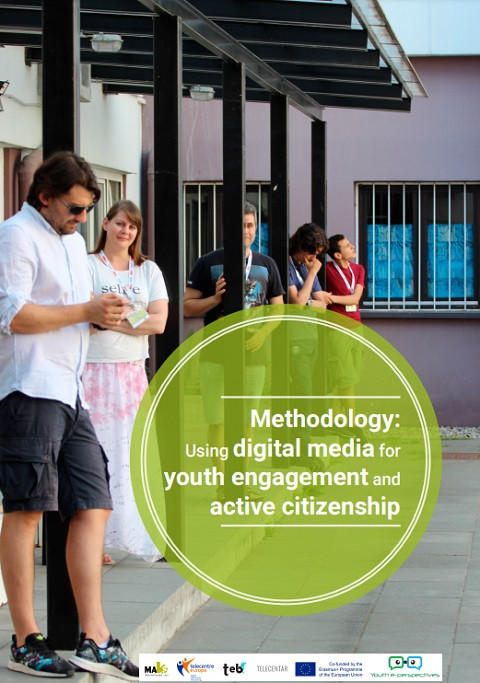 Methodology: Using Digital Media for Youth Engagement and Active Citizenship Year of publication: 2017 Corporate author: Yep4Europe Consortium The training methodology “Find-Tell-Act” is the main output of the Youth e-Perspectives on Migration project. The project aimed at empowering young people to address sensitive contemporary societal issues (in our case migration and the refugee crisis) and at the same time to improve their digital and media skills. In this way, digital and technical skills developed in parallel with social values like active citizenship.For this purpose, we developed and implemented this methodology for a non-formal training course based on blended learning. The main part of the methodology is implemented as face-to-face activities. It includes four interrelated digital media modules (or, as we call them, workshops):Digital JournalismDigital PhotographyDigital StorytellingOnline Platforms,in which refugee crisis was our main theme. The methodology can be applied to any other “hot” societal topic that young people are faced with.Learn more about the project on the project website.
 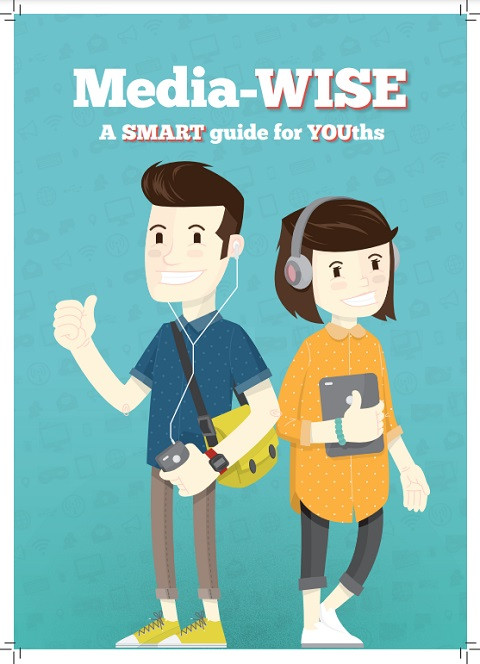 Media-Wise: A Smart Guide for Youths Year of publication: 2015 Corporate author: Media Literacy Council (MLC) Even as a digital native, you might need some help figuring out the safest and kindest route through the digital world - this guide will give you the tips and advice you need to make that journey.
 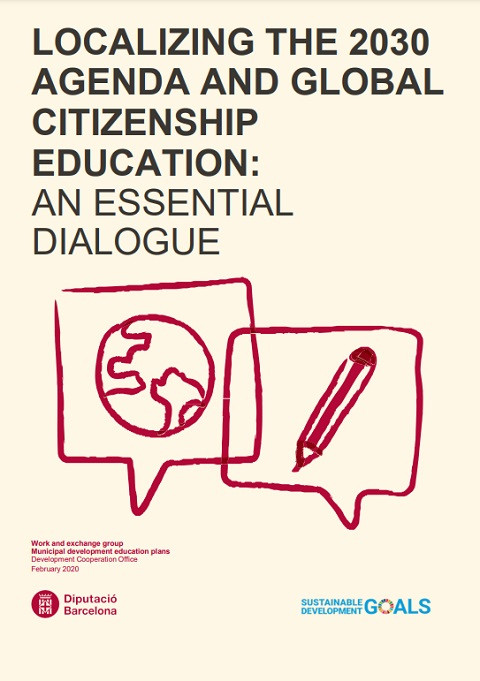 Localizing the 2030 Agenda and Global Citizenship Education: An Essential Dialogue Year of publication: 2020 Corporate author: Diputació de Barcelona Diputació de Barcelona has produced a document that offers guidelines to strengthen the links between Global Citizenship Education (GCE) actions and localizing SDGs initiatives, in order to drive real changes in local policies.What we call Global Citizenship Education (GCE) brings together key elements of different educational trends, such as development education, peace education or education for sustainability, among others. Each of them has decades of experience in promoting changes in citizen’s knowledge, attitudes and behaviours through formal or informal channels. This experience can help to reinforce the 2030 Agenda’s capacity to generate real change towards a more sustainable future for the planet, connecting local and global realities and highlighting interdependencies and co-responsibility. The document points out what can be done at the local level to improve this dialogue between SDG and GCE with practical proposals such as introducing GCE perspective in the SDGs training activities or implementing joint initiatives between development cooperation departments and other areas to reach new audiences. Localización de la agenda 2030 y la educación para la ciudadanía global: Un diálogo imprescindible Year of publication: 2020 Corporate author: Diputació de Barcelona Este documento pretende contribuir al diálogo entre los procesos de localización de la Agenda 2030 y la ECG, así como ofrecer orientaciones concretas para la acción local.
 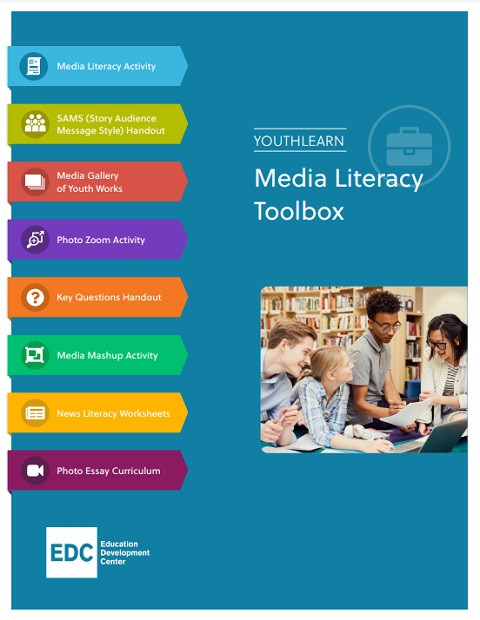 YouthLearn: Media Literacy Toolbox Year of publication: 2020 Corporate author: Education Development Center (EDC) YouthLearn’s Media Literacy Toolbox includes activities, handouts, and curricular resources to support media literacy education in a variety of settings—classroom or afterschool program, low-tech or high-tech, children or teens.
 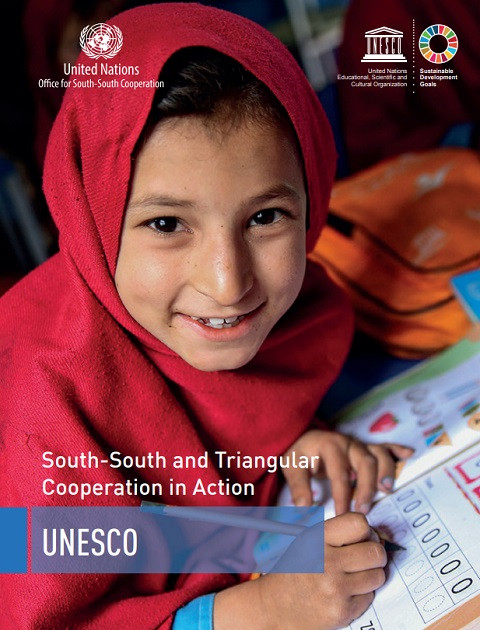 South-South and Triangular Cooperation in Action Year of publication: 2018 Corporate author: UNESCO | UN. Office for South-South Cooperation (UNOSSC) This publication is UNESCO’s first dedicated report on South-South cooperation and triangular cooperation. It presents an overall picture of the progress achieved to support technical cooperation, capacity building and knowledge sharing through South-South and triangular cooperation in UNESCO’s areas of competence with highlights of specific examples. It paves the way for deepening future cooperation in this area. La coopération Sud-Sud et triangulaire en action Year of publication: 2018 Corporate author: UNESCO | UN. Office for South-South Cooperation (UNOSSC) La présente publication est le premier rapport de l’UNESCO qui traite de la coopération SudSud et de la coopération triangulaire. Elle brosse un tableau d’ensemble, illustré par des exemples particuliers, des progrès que ces modalités de coopération ont permis d’accomplir pour faciliter la coopération technique, le renforcement des capacités et le partage des connaissances dans les domaines de compétence de l’UNESCO, et ouvre la voie à de plus amples efforts en la matière. La cooperación Sur-Sur y la cooperación triangular en acción Year of publication: 2018 Corporate author: UNESCO | UN. Office for South-South Cooperation (UNOSSC) Esta publicación es el primer informe específico de la UNESCO sobre la cooperación Sur-Sur y la cooperación triangular. Se presenta un panorama general de los avances en la cooperación técnica, la creación de capacidades y el intercambio de conocimientos mediante la cooperación SurSur y la cooperación triangular en las esferas de competencia de la UNESCO y se mencionan ejemplos concretos. Se allana el camino para profundizar la cooperación en este ámbito en el futuro.