
Resources
Explore a wide range of valuable resources on GCED to deepen your understanding and enhance your research, advocacy, teaching, and learning.
884 Results found
 العنف ضد الأطفال في المجتمع السعودي دراسة اجتماعية من واقع إحصاءات الجمعية الوطنية لحقوق الإنسان Year of publication: 2020 Author: Dr. Faisal bin Abdullah Al-Ruwais The study aimed to identify the reality of violence against children in Saudi society by determining the extent of violence against children by region, identifying patterns of violence against children according to the type of abuse they are exposed to, and identifying the children most exposed to violence by gender, in addition to revealing The most common family members commit violence against children, based on statistics from the National Society for Human Rights. This study is a descriptive and analytical study. The qualitative approach was used by using the content analysis method for the total statistical data for the period from 2014-2018 AD. It has become clear from the statistical data: that the highest percentage of violence against children over the five years occurred in the Riyadh region, followed by the Makkah Al-Mukarramah region, then the Medina region, and that the highest types of abuse to which children are exposed is physical abuse, then deprivation of education, then deprivation of Identification documents indicate that the highest degree of violence against children was committed against females, then males, and that the family member who committed the most violence against children was the father, then the mother, then the stepmother.
  جريـــمة اختطـــــاف الأطفال داخل المجتمع الجزائري Year of publication: 2021 Author: Abish Samir يشهد المجتمع الجزائري خلال السنوات الأخيرة بروز ظواهر اجتماعية غريبة عن ثقافته وعاداته ودخيلة عن سلوكيات أفراده، أرقت مضجعه وشوهت مظهره وزرعت الشك والحيرة في نفوس أبنائه، ولعل أهمها ظاهرة اختطاف الأطفال الصغار، هذه الجريمة التي مافتئت تشهد تناميا غريبا مهددة حياة الطفولة والأسرة والمجتمع عامة ومخلفة لها انعكاسات وآثار سلبية جدا على الفرد والمجتمع ككل، وهو الأمر الذي جعل مؤسسات المجتمع تستنفر جهودها من أجل مواجهة هذه الظاهرة الهجينة والتصدي لها ومحاولة الوصول إلى آليات من شأنها تقديم حلول ناجعة لها. غير أن الوصول إلى آليات مناسبة يمكنها التصدي لظاهرة اختطاف الأطفال وتقديم حلول ناجعة لها لا يمكن أن يمر إلا عبر معرفة الأسباب والعوامل الحقيقية الكامنة وراء تفشي هذه الظاهرة داخل المجتمع الجزائري والعمل على تشخيصها تشخيصا يسمح بإيجاد هذه الآليات، لأن تقديم الدواء المناسب يتوقف دائما على التشخيص السليم والناجع. وإيمانا منا بأن الواقع هو وحده الكفيل بتقديم الصورة الحقيقية للظاهرة، فقد حاولنا العمل على تقصي أشكال وعوامل تفشي ظاهرة اختطاف الأطفال من خلال تحليل عينة من حالات الاختطاف التي وقعت داخل المجتمع الجزائري والوقوف على الأسباب التي أدت إلى حدوثها. الكلمات المفتاح : الأطفال ؛ جريمة؛ اختطاف الأطفال؛ المجتمع الجزائري. The Crime of Child Kidnapping within the Algerian Society Year of publication: 2021 Author: Abish Samir Algerian society has witnessed in recent years the emergence of social phenomena that are alien to its culture and customs, which have left its bed, distorted its appearance and instilled doubt and confusion in the hearts of its children. The most important of these is the phenomenon of kidnapping young children. This crime has witnessed a strange development threatening the life of children, the family and society in general. On the individual and society as a whole, which has made the institutions of the community to intensify their efforts to address this phenomenon hybrid and to address them and try to reach mechanisms that provide effective solutions to them. However, access to appropriate mechanisms that can address the phenomenon of child abduction and provide effective solutions can only go through the knowledge of the real causes and factors underlying the spread of this phenomenon within the Algerian society and work on diagnosing a diagnosis that allows the creation of these mechanisms. Sound and efficient. We believe that reality is the only one that can provide the real picture of the phenomenon. We have tried to investigate the phenomenon of child abduction by analyzing a sample of the cases of kidnapping that took place within Algerian society and to identify the forms and causes that led to them.
  Amnesty International Report 2021/22: The State of the World’s Human Rights Year of publication: 2022 Corporate author: Amnesty International The Amnesty International Report 2021/22 highlights the human rights situation in 154 countries in 2021. It presents Amnesty International’s documented concerns and recommendations for governments and others. From a human rights perspective, 2021 was largely a story of betrayal and hypocrisy in the corridors of power. But hopes for a better post-pandemic world were kept alive by courageous individuals, social movements and civil society organizations. Their efforts and limited hard-won victories should prompt governments to live up to their promises.
 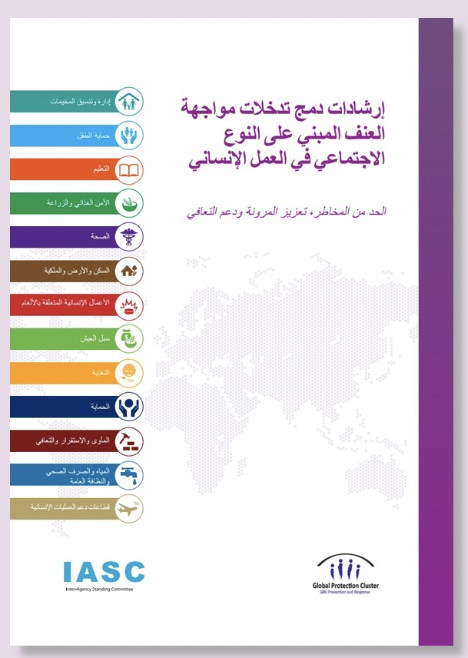 Guidelines for Integrating Gender-Based Violence Interventions in Humanitarian Action Year of publication: 2015 Author: Jeanne Ward | Julie Lafrenière Corporate author: Inter-Agency Standing Committee (IASC) The file is the Guidelines on Gender-Based Violence issued in 2005 by the Special Inter-Agency Task Force, led by UNICEF and the United Nations Population Fund, and endorsed by the Inter-Agency Standing Committee in 2015. The purpose of these Guidelines is to assist humanitarian actors and communities affected by armed conflict, natural disasters, and other humanitarian emergencies to coordinate, plan, implement, monitor and evaluate essential actions to prevent and reduce gender-based violence in all sectors of the humanitarian response.The overall goal of the Guidelines is to support humanitarian stakeholders in fulfilling their responsibility to protect all those affected by crises, by:- Reducing risk of GBV by implementing GBV prevention and mitigation strategies from pre-emergency to recovery stages of humanitarian action.- Promoting resilience by strengthening national and community-based systems that prevent and mitigate GBV, and by enabling survivors and those at risk of GBV to access specialized care and support.- Aiding recovery of communities and societies by supporting local and national capacity to create lasting solutions to the problem of GBV.
  الندوب الخفية: كيف يضر العنف بالصحة النفسية للأطفال Year of publication: 2020 Author: Ghizlane Benjelloun Corporate author: United Nations (UN) على الرغم من الالتزامات، لا يزال العنف ضد الأطفال يلحق خسائر فادحة بصحتهم العقلية وقدرتهم على التعلم والنمو والتطور إلى أقصى إمكاناتهم. يهدف هذا التقرير إلى دعم هذه العملية. يقدم نظرة عامة على الأدلة الدولية حول الطرق المختلفة التي يضر بها العنف الصحة العقلية للأطفال، ويسلط الضوء على الحاجة الملحة لاتخاذ إجراءات. ومن خلال القيام بذلك، يأخذ التقرير في الاعتبار الأوضاع المختلفة وأشكال العنف، والاختلافات التنموية في آثار العنف، وأهم عوامل الخطر والحماية. كما يسلط التقرير الضوء على الحلول، مع الاعتراف بأنه على الرغم من الثغرات المستمرة في معرفتنا، هناك نهج فعالة ينبغي اتباعها. Hidden Scars: How Violence Harms the Mental Health of Children Year of publication: 2020 Author: Ghizlane Benjelloun Corporate author: United Nations (UN) Despite these obligations and commitments, violence against children continues to take a heavy toll on their mental health and their ability to learn, grow and develop to their full potential. This report aims to support this process. It provides an overview of international evidence on the different ways in which violence harms children’s mental health, highlighting the urgent need for action. In doing so, the report considers diverse settings and forms of violence, the developmental differences in the effects of violence, and the most significant risk and protective factors. The report also highlights solutions, recognizing that despite the continuing gaps in our knowledge, there are effective approaches that should be pursued. إرشادات دمج تدخلات مواجهة العنف المبني على النوع الاجتماعي في العمل الإنساني Year of publication: 2015 Author: Jeanne Ward | Julie Lafrenière Corporate author: Inter-Agency Standing Committee (IASC) الملف عبارة عن " الإرشادات حول العنف المبني على النوع الاجتماعي" الصادرة عام 2005 من قبل فريق العمل الخاص بين الوكالات، بقيادة اليونيسيف وصندوق الأمم المتحدة للسكان، وأقرتها اللجنة الدائمة المشتركة بين الوكالات في عام 2015. إن الهدف من هذه الإرشادات هو مساعدة الجهات الفاعلة الإنسانية والمجتمعات المتأثرة بالنزاع المسلح، والكوارث الطبيعية، وغيرها من حالات الطوارئ الإنسانية من أجل التنسيق، والتخطيط، والتنفيذ، ورصد وتقييم الإجراءات الأساسية للوقاية والحد من العنف المبني على النوع الاجتماعي في جميع قطاعات الاستجابة الإنسانية.ويمكن الإشارة بأنه الإرشادات هي دعم صناع القرار في مجال العمل الإنساني في الوفاء بمسؤوليتهم في حماية جميع أولئك المتضررين من الأزمات، من خلال:- مساعدة المجتمعات المحلية والمجتمعات وذلك من خلال دعم القدرات المحلية والوطنية لإيجاد حلول دائمة لمشكلة العنف المبني على النوع الاجتماعي.- تعزيز المرونة من خلال تعزيز النظم الوطنية والمجتمعية التي تعمل على الوقاية والحد من العنف المبني على النوع الاجتماعي، وأيضاً من خلال تمكين الناجين والمعرضين لخطر العنف المبني على النوع الاجتماعي للوصول للرعاية المتخصصة والدعم.- الحد من مخاطر العنف المبني على النوع الاجتماعي وذلك من خلال تنفيذ استراتيجيات الوقاية والحد في مراحل العمل الإنساني من قبل حصول حالة الطوارئ وحتى مرحلة التعافي.
 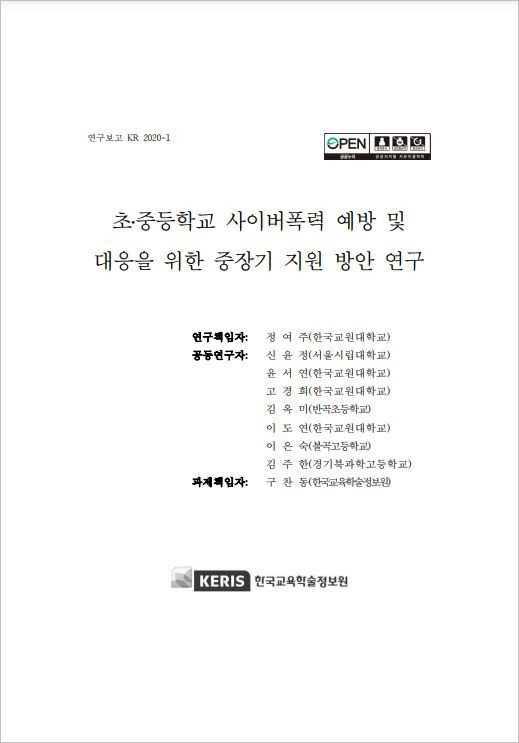 초·중등학교 사이버폭력 예방 및 대응을 위한 중장기 지원 방안 연구 Year of publication: 2020 Author: 정여주 | 신윤정 | 윤서연 | 고경희 | 김옥미 | 이도연 | 이은숙 | 김주한 Corporate author: 한국교육학술정보원 본 연구는 오늘날 스마트기기 보급과 사이버 공간 활용 문화가 확산되고 저연령화 되면서 학교 안에서 이뤄지고 일어나는 폐해인 사이버폭력을 효과적이면서도 지속적으로 예방 및 대응하고자 실시되었다. 본 연구를 시작하는데 앞서 국내·외의 사이버폭력 관련 자료를 수집하고, 문헌분석을 실시하였다. 문헌분석에는 최근 청소년이 경험하는 사이버 세계의 특성이 어떠한지와 그로 인해 나타나는 국내외 사이버폭력의 특징은 무엇인지를 조사하였다. 본 저작물은 한국교육학술정보원에서 2020년 작성하여 공공누리 제4유형으로 개방한 '초·중등학교 사이버폭력 예방 및 대응을 위한 중장기 지원 방안 연구(작성자:정여주)'를 이용하였으며, 해당 저작물은 한국교육학술정보원 홈페이지(https://www.keris.or.kr/)에서 무료로 내려받으실 수 있습니다.
  العوامل المرتبطة بالمرأة وتسبب لها العنف من زوجها من وجهة نظر الأخصائيين النفسيين والاجتماعيين والقانونيين العاملين مع المعنفات Year of publication: 2020 Author: Muhammad Hadi Al Shehri، Abdul Qader Muhammad Atoum هدفت دراسته إلى التعرف على مدى وانتشار العوامل المتعلقة بالمرأة التي تسبب عنف الزوج ضد زوجته من وجهة نظر الخبراء النفسيين والاجتماعيين والقانونيين العاملين مع النساء المريرات.تكونت عينة الدراسة من (54) من الأخصائيين الاجتماعيين والنفسيين والقانونيين الذين أجابوا على استبيان مكون من 62 فقرة تغطي أربعة مجالات: الجانب الشخصي، والصحي، والاجتماعي، والاقتصادي. وأظهرت نتائج هذا التحليل أن درجة العوامل المرتبطة بالمرأة والتي تسبب عنف الزوج ضد زوجته كانت متوسطة. ولم يكن هناك فرق كبير يعزى إلى الأخصائيين النفسيين والأخصائيين الاجتماعيين والخبراء القانونيين فيما يتعلق بالجنس والمؤهل والتخصص والخبرة في تحديد هذه العوامل.علاوة على ذلك، كشفت الدراسة أن المجال الأول والأكثر شيوعاً في عنف الزوج، كان المجال الاجتماعي (83%) من التباين، في حين جاء المجال الصحي (النظافة) في المرتبة الثانية (9%) من التباين. أما المجال الثالث فكان الشخصي (5%) من الاختلاف. وأظهر التحليل أن المجال الاقتصادي لم يكن له أي تأثير على الإطلاق. وفيما يتعلق بالنتائج أوصى الباحثون بضرورة تنفيذ برامج الوقاية والعلاج للتغلب على مشكلة ممارسات العنف ضد المرأة. وأوصى الباحث بضرورة تفعيل دور وسائل الإعلام لتسليط الضوء على قضية العنف ضد المرأة من أجل توضيح ودراسة الآثار السلبية لهذه الظاهرة على المجتمع بشكل عام والأسرة بشكل خاص.