
Resources
Explore a wide range of valuable resources on GCED to deepen your understanding and enhance your research, advocacy, teaching, and learning.
884 Results found
 The factors associated with a Woman and Causing her Violence from her Husband from This point of view Psychologists, Social and legal Professionals Working with abused Women Year of publication: 2020 Author: Muhammad Hadi Al Shehri، Abdul Qader Muhammad Atoum This study aimed at investigating the extent and the spread factors related to women, which cause husband’s violence against his wife as perceived by the psychological, social, and legal experts who work with bittered women.The sample of the study consisted of (54) social and psychological workers, and legal experts who answered 62-item questionnaire that covers four domains: personal, health, social, and economic aspect. The results of this analysis revealed that the degree of women–related factors that cause husband’s violence against his wife was moderate. And there wasn’t any significant difference due to being psychological workers, social workers, and legal experts in relation to gender, qualification, specialization, and experience in determining these factors.Moreover, the study revealed that the first and the most frequent domain, which caused husband’s violence, was the social domain (83%) of variation, while health (hygienic) domain became as second (9%) of variation. The third domain was the personal, (5%) of variation. The analysis showed that the economic domain had no effect at all. Regarding the results, the researchers recommended the necessity of implementing prevention and treatment programs in order to overcome the problem of violence practices against women. Furthermore, the researcher recommended the necessity of activating the role of media, in order to shed light upon the violence issue against women for the sake of clarifying and exploring the negative effects of this phenomena on the community in general and the family in particular.
  العنف ضد المرأة، صوره وآليات الحماية القانونية منه على ضوء القانون رقم 15-19لسنة 2015 Year of publication: 2020 Author: Houbah Abdel Qader,Awad Fateha تناولت الدراسة موضوع العنف ضد المرأة، وكذا مظاهر وآليات الحماية القانونية لها ضد العنف المادي والمعنوي المارس ضدها، وقد فرضت طبيعة الموضوع التطرق إلى أهم ما جاء به المشرع الجنائي الجزائري من نصوص تجرم العنف ضد المرأة بشكل صريح، وخاصة ما تعلق منه بالعنف الجسدي والعنف الجنسي واللفظي ...، حيث تشكل في مجملها مظاهر وأشكال للعنف. وقد كشفت هذه الدراسة أهم النصوص القانونية، التي استحدثها المشرع في التعديل الأخير لقانون العقوبات سنة 2015، حيث تم فيه تجريم بعض صور العنف الممارس ضد المرأة داخل الأسرة وخارجها، أبرزها العنف الجسدي واللفظي، زيادة على العنف المعنوي كالإهمال العائلي والتحرش الجنسي، وغيرها من مظاهر العنف الذي يطال المرأة في المجالين الخاص العام. ولقد شدد المشرع في العقوبة على مرتكبيها في إطار تجسيد الحماية القانونية للمرأة ضد العنف، وذلك من خلال سياسة التجريم والتشديد في العقوبة على مرتكبي أفعال العنف لاسيما المرتكب ضد المرأة. Violence against Women, its forms and Legal Protection Mechanisms against it in light of Law No. 15-19 of 2015 Year of publication: 2020 Author: Houbah Abdel Qader,Awad Fateha Violence against women is a real appearance of a social phenomenon. It has been widespread in recent years since the beginning of this millennium, as violence in its material and moral appearance has become a real threat to all vulnerable groups in societies. Violence against women in all its forms is also considered a crime punishable by law, which requires combating, criminalizing it, and emphasizing its perpetrators. Since violence against women is a crime recognized today locally and internationally, most laws and legislations have come to condemn it. It also recognizes its serious, health and psychological effects on women specifically. This research paper discusses the forms of physical and moral violence practiced against her, and to identify the mechanisms adopted by the criminal Algerian legislator following the recent changes taking place in the Penal Code for the year 2015 in order to combat violence.
  عمالة الأطفال بين الواقع والمأمول Year of publication: 2020 Author: Barak Khadra يتخذ الأطفال نسبة تقدر بالثلث تقريباً من سكّان العالم، ويشكلون ما يقارب نصف سكان كثير من الدول حول العالم؛ لذلك فلا بدّ من أن يحدث تفاعل ملموس بين الأعمال التجارية وحياة الأطفال بشكل مباشر أو غير مباشر التأثير، هذا ويتخذ الأطفال نسبة كبيرة من الاهتمام كمستهلكين في الأعمال التجارية الكبيرة، لذلك كان لا بدّ من تركيز الاهتمام على الأطفال العاملين في الأعمال التجارية بصورة غير شرعية من خلال منع عمل الأطفال والقضاء على هذه الظاهرة تماماً بواسطة تشديد المعايير والإجراءات اللازمة للحد من ظاهرة عمالة الأطفال، وترسيخ حقوق الأطفال وتسليط الضوء عليها. حيث بدأت ظاهرة عمل الأطفال بالتزايد بشكل كبير في العالم العربي إلى حدٍ ينذر بالخطورة، مما أدى الى التسرب المدرسي والتفكك الأسري وزيادة معدل الفقر والبطالة، وتتمحور التوقعات في ذلك إلى ازدياد نسبة البطالة بين الأفراد البالغين من السكان، بالإضافة إلى تفشي الفقر بين غالبية الدول العربية، ويشار إلى أنّ مصطلح عمل الأطفال هو حرمان للأطفال من الطفولة والكرامة والإمكانيات، ويلحق ذلك ضرراً جسمياً بنموهم البدني والعقلي على حد سواء؛ بالإضافة إلى انطواء ذلك على استرقاقهم. Child labor between Reality and Hopes Year of publication: 2020 Author: Barak Khadra Child labor between reality and hope abstract: Children make up nearly one-third of the world's population and make up nearly half of the population of many countries around the world. Thus, there is a need for tangible interaction between businesses and children's lives directly or indirectly. Children take a large share of attention as consumers in In this context, it was necessary to focus attention on children working in illegal businesses by preventing and eradicating child labor by tightening the standards and procedures necessary to reduce the phenomenon of child labor and to consolidate and highlight the rights of children. Where the phenomenon of child labor has begun to increase dramatically in the Arab world to the extent that it is dangerous, resulting in school dropout, family disintegration, and the increase in poverty and unemployment. The expectation is that the unemployment rate among the adult population will increase, , The term child labor is defined as depriving children of childhood, dignity and potential, and physically harming their physical and mental development, as well as their enslavement.
  أسباب و أبعاد عمالة الأطفال Year of publication: 2020 Author: Fatima Kharshuf انتشرت ظاهرة تشغيل الأطفال عبر دول العالم بشكل كبير ،حيث يوجد العديد من العوامل التي تدفع الأطفال للعمل من بينها ،العامل الاجتماعي المتمثل في الفقر و تدني مستوى المعيشة ، العامل التعليمي و يظهر من خلال انتشار الأمية و جهل الأسر بأهمية التعليم لهم و لأبنائهم ،أما العامل الاقتصادي فيتجلى في تدني مستوى التنمية و انتشار البطالة ، و عامل عدم الاستقرار أين نلاحظ تأثير الحروب على الأطفال حيث تتسبب الحروب و الأزمات الاقتصادية في التشرد و الهجرة التي تجبر الأطفال على العمل ، وهناك العامل القانوني الذي يبين ضعف الدول في القيام بمسؤوليتها في فرض قوانين تمنع تشغيل الأطفال و تعاقب مخالفيه .تؤثر عمالة الأطفال على الطفل أين تعيق نموه النفسي والعاطفي و الجسدي ،كما تؤثر على الدول من خلال تأثيرها على المجتمع أين ينتج عنها مجتمع غير متوازن في تكوينه ،واهم أثر تتسبب فيه الظاهرة هو البعد الاقتصادي حيث لا يساهم الادماج المبكر للطفل في سوق العمل في تحقيق نتائج ايجابية بل هو استثمار خاسر على كل الأصعدة. Causes And Dimensions Of Child Labor Year of publication: 2020 Author: Fatima Kharshuf The phenomenon of child labor has spread throughout the countries of the world greatly, where there are many factors that push children to work, among them the social factor represented in poverty and the low standard of living, the educational factor, and it appears through the spread of illiteracy and families' ignorance of the importance of education for them and their children. The economic is reflected in the deterioration of the level of development, the spread of unemployment, and the factor of instability Where do we observe the effect of wars on children, where wars and economic crises cause displacement and migration that forces children to work, and there is the legal factor that shows the weakness of states in carrying out their responsibility to impose laws that prevent child labor And the punishment of those who violate it. Child labor affects the child wherever it hinders his psychological, emotional and physical development, as well as affects countries through their influence on society where an unbalanced society results in its formation, and the most important effect of the phenomenon is the economic dimension where the early integration of the child does not contribute to The labor market is to achieve positive results, but it is a losing investment on all levels.
  التسامح (اللاعنف) في مناهج المرحلة الابتدائية للمدرسة الجزائرية (مجلة حقول معرفية للعلوم الاجتماعية والإنسانية vol.2, no.1) Year of publication: 2021 Author: Morad Fatima Zahra | Fantazi Karima Corporate author: Algeria. Ministry of Higher Education and Scientific Research جاءت هذه الدراسة بهدف الكشف عن وجود وكيفية تناول المقررات الدراسية للمرحلة الابتدائية لقيمة التسامح بشقيها الضمني والصريح وتحديدا مقررات التربية الإسلامية بوصفها أكثر المواد تأكيدا على التعايش مع الآخر والتسامح معه نظرا لما للتربية على التسامح والإقرار بوجود الآخر ووجوب احترامه والاعتراف به من أهمية. ولانجاز هذه الدراسة تم إتباع المنهج الوصفي وتقنية تحليل المحتوى أداة على عينة للمقرر السالف ذكره للسنوات الخمسة المشكلة للمرحلة الابتدائية، كما تم تطبيق التكرارات والنسب المئوية كأسلوب إحصائي. وقد توصلت الدراسة الى ان تناول المقررات الدراسية الوطنية للمرحلة الابتدائية لقيمة التسامح) اللاعنف (جاء متأرجحا بين الطرح الصريح والضمني على الرغم من أهمية الطرح الصريح في مثل هذه المرحلة العمرية وما يتركه من اثر في المتلقي أي التلميذ، كما تم استخلاص ان التربية على التسامح تعد مسؤولية المجتمع ككل وليس المدرسة فقط. Tolerance (Non violence) in the Curricular of Algerian Primary Schools (vol.2, no.1; Journal of Cognitive Fields for Social and Human Sciences) Year of publication: 2021 Author: Morad Fatima Zahra | Fantazi Karima Corporate author: Algeria. Ministry of Higher Education and Scientific Research This study aims to identify tolerance values within primary school curricula in two ways: explicitly and implicitly, focusing specifically on Islamic books due to their significant role in instilling values, particularly respect. The study utilizes the descriptive method and content analysis to analyze primary school books spanning five years. Statistical analysis is conducted using duplicates and percentages. The findings indicate that these books predominantly convey tolerance values implicitly rather than explicitly, which is believed to be more readily accepted by children of this age group. It is concluded that fostering tolerance values should be a shared responsibility of both the community and the school, not solely the latter.
 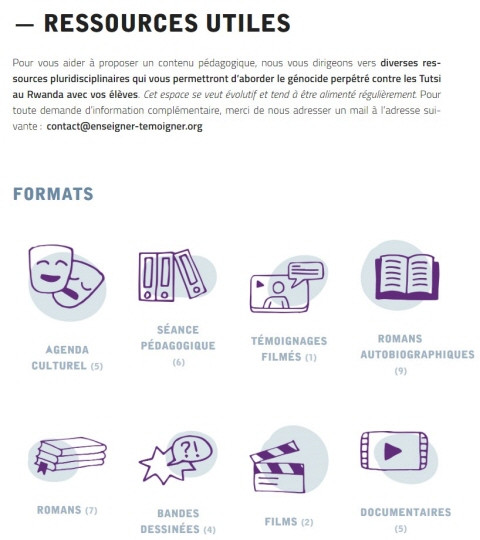 Enseigner Témoigner Year of publication: 2024 Corporate author: Ligue de l'enseignement, Fédération de Paris & Ibuka France En 1994, environ 1 million de Tutsi ont été tués au Rwanda. Le génocide perpétré contre les Tutsi au Rwanda constitue l’une des principales tueries du XXème siècle. Elle a été rendue possible par l’action d’extrémistes qui ont, pendant des années, attisé la haine anti-tutsi au sein de la population rwandaise à coup de préjugés, de fausses informations, d’accusations en miroir, de stratégie de manipulation et de conditionnement des esprits à la peur, à la haine et à la violence meurtrière.Avec l’inscription récente de son enseignement dans les programmes scolaires, de plus en plus d’enseignants travaillent avec leurs élèves sur cet événement majeur de l’histoire du XXème siècle. Parallèlement, des rescapés ressentent le besoin de témoigner pour partager leur histoire avec la jeune génération et prévenir ainsi les mécanismes qui ont rendu ce drame possible. Dans ce contexte, l’association Ibuka France et la Ligue de l’enseignement engagent une action commune pour proposer un accompagnement dans l’organisation et la gestion pédagogique d’une rencontre avec un témoin-rescapé en classe. Cet accompagnement vise à créer un cadre à la fois utile et sécurisant pour l’ensemble des acteurs engagés et impactés par le témoignage en classe. In 1994, around 1 million Tutsis were killed in Rwanda. The genocide perpetrated against the Tutsis in Rwanda is one of the major killings of the twentieth century. It was made possible by the actions of extremists who, for years, stirred up anti-Tutsi hatred among the Rwandan population by means of prejudice, false informations, mirror-image accusations, a strategy of manipulation and the conditioning of minds to fear, hatred and murderous violence.With the recent inclusion of the subject in school curricula, more and more teachers are working with their pupils on this major event in the history of the 20th century. At the same time, survivors are feeling the need to share their stories with the younger generation and prevent the mechanisms that made this tragedy possible. Against this backdrop, Ibuka France and the Ligue de l'enseignement have joined forces to offer support in organising and managing a meeting with a survivor-witness in the classroom. The aim of this support is to create a framework that is both useful and reassuring for all those involved and affected by the testimonial in the classroom.