
Resources
Explore a wide range of valuable resources on GCED to deepen your understanding and enhance your research, advocacy, teaching, and learning.
730 Results found
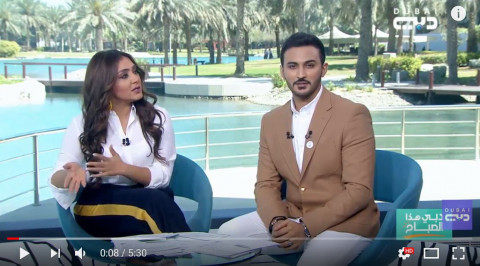 The Impact of Learning a Foreign Language on the Arabic Language Year of publication: 2018 Corporate author: Dubai TV Morning program under the supervision of the media Maya Hajij, deals with topics of interest to Arab youth.From the UAE, we present the most important modern technology and what the world aspires in the coming years.Youth topics are the priorities of every Arab youth, from health and family, through education and job opportunities to tourism and leisure.In addition to humanitarian topics we address to highlight the ongoing efforts of young people to prove themselves in society.
  ندوة تمكين المراة في المملكة - هيئة حقوق الإنسان Year of publication: 2019 Corporate author: HRCSaudi ندوة تمكين المرأة في المملكة أقيمت يوم الخميس 1440/6/30هـ الموافق 2019/3/7م بتنظيم هيئة حقوق الإنسان وبالتعاون مع مكتب الأمم المتحدة بالرياض بفندق ريتز كارلتون.
 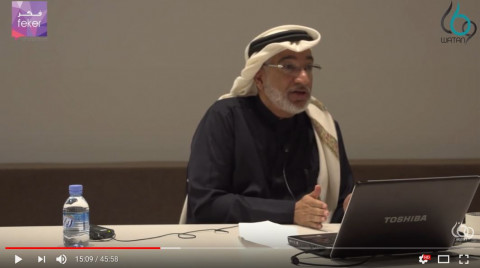 مفهوم المواطنة بين الدولة الإسلامية والدولة المعاصرة Year of publication: 2015 Corporate author: Watan Foundation نظمت مؤسسة دراسات (إحدى مؤسسات منظومة وطن) بالتعاون مع مؤسسة فكر للتدريب والدراسات ونادي رؤية الطلابي ندوة أُقيمت في المركز الطلابي بالمدينة التعليمية في قطر، وقدمها مؤسس مشروع “النهضة” ومدير مركز تنمية للدراسات والاستشارات الدكتور جاسم سلطان، وقد حضر الندوة رئيس وأعضاء مجلس الجالية السورية في دولة قطر، وعدد من الباحثين. The Concept of Citizenship Between the Islamic State and the Contemporary State Year of publication: 2015 Corporate author: Watan Foundation In cooperation with Fikr Foundation for Training and Studies and Ruya Student Club, Dirasat organized a seminar held at the Student Center in Education City in Qatar. In the State of Qatar, a number of researchers.
 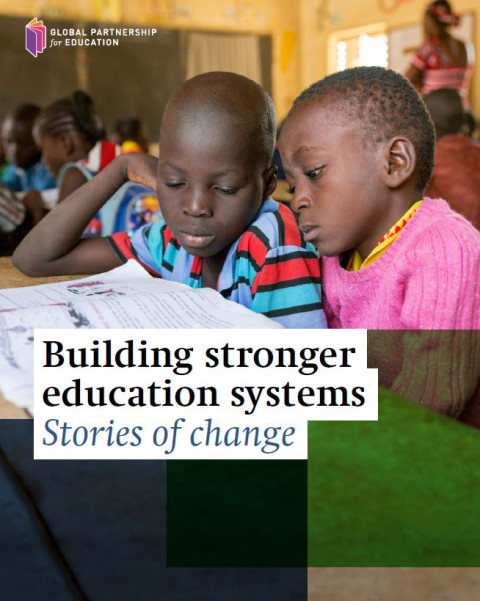 Building Stronger Education Systems: Stories of Change Year of publication: 2019 Corporate author: The Global Partnership for Education (GPE) A compilation of results stories which show the progress that GPE's developing country partners are making in getting more children, especially girls, in school and learning. The brochure includes stories from Afghanistan, Benin, Burkina Faso, Djibouti, Eritrea, Ethiopia, Guyana, Kenya, Pakistan, Papua New Guinea and Sudan. Construire des systèmes éducatifs plus performants : parcours de réussite Year of publication: 2019 Corporate author: The Global Partnership for Education (GPE) Cette brochure présente des parcours de réussite attestant des progrès accomplis par les pays en développement partenaires du PME pour que davantage d’enfants, et en particulier de filles, aillent à l’école et bénéficient d’une éducation de qualité.Elle met en évidence les cas des pays tels que l'Afghanistan, le Bénin, le Burkina Faso, Djibouti, l’Érythrée, l’Éthiopie, le Guyana, le Kenya, le Pakistan, la Papouasie-Nouvelle-Guinée et le Soudan.
 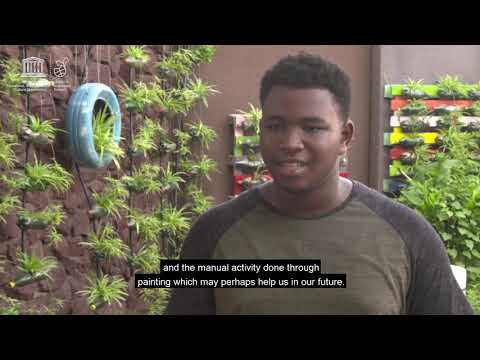 [Video] UNESCO Associated Schools 4 Climate Year of publication: 2019 Corporate author: UNESCO Associated Schools Project Network (ASPnet) Discover what UNESCO Associated Schools around the world do about Climate Change and Get Inspired.
 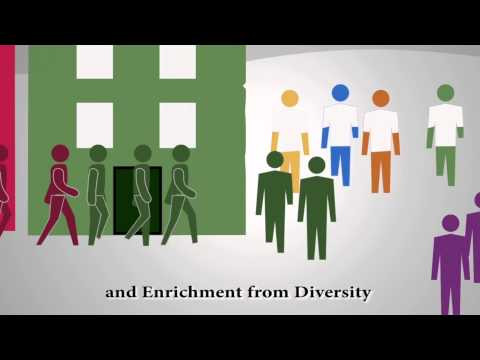 [Video] التربية على المواطنة والتنوع الثقافي Year of publication: 2014 Corporate author: Adyan Foundation هذا الفيديو تم تحميله بواسطة مؤسسة أديان، ويتحدث الفيديو عن المواطنة وأسسها الداعمة. يسرد الفيديو في المقدمة أن المواطنة ترتكز عى القيم الانسانية المشتركة وخدمة الصالح العام. في الفيديو هناك أشارات للقضايا والتحديات التي تواجه المجتمعات التي تنتج من تهميش بعض الأديان والجماعات، وكيف يمكن أن يقود هذا التهميش لانهيار واندثار المواطنة في المجتمع. الفيديو يؤكد أن المواطنين في أي مجتمع عليهم أن يشاركوا في أنشطة الحياة العامة، مع احترامهم لبعضهم البعض. على المجتمعات أن تستفيد من التنوع الثقافي الذي بها، وبأن الحوار والتفاعل بين المواطنين هو السبيل لدعم وتقوية الافراد ومجتمعاتهم. في الختام، هناك تأكيد بأن المواطنة هي الطريق المؤدي للازدهار والتنمية المستدامة. [Video] Education for citizenship and cultural diversity Year of publication: 2014 Corporate author: Adyan Foundation The video talks about citizenship and its foundations. It narrates at the introduction that citizenship is based on the respect of common human values and serving of common goods. The video also talks about the issue and challenge of marginalization of certain groups and religions in societies. How such issue is also leading to the collapse of citizenship is presented. It is argued that all citizens in a society have to participate in public life activities in which everyone respect each other. The society should benefit from diversity not get harmed by it. As a solution, it is mentioned that dialogue and interaction between citizens enriches individuals lives and their groups. At the end, it highly emphasized that citizenship is the way to prosperity and sustainable development. Includes English Subtitles
 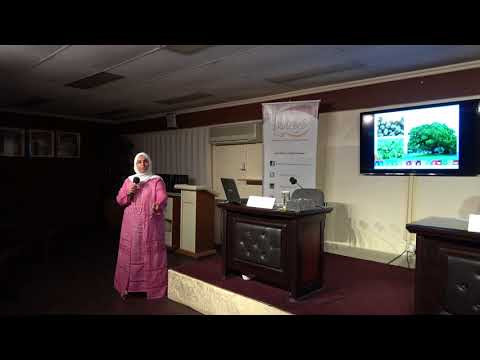 [Video] توطين أهداف التنمية المستدامة Year of publication: 2018 Corporate author: Akanoo cc الفيديو يتحدث عن كيفية توطين أهداف التنمية المستدامة في دولة البحرين. وقد بدأت المحاضرة بإعطاء خلفية تاريخية عن هذه الاهداف وكيف تم صياغتها بعد الاهداف الانمائية في الالفية الماضية. بعد ذلك تحدثت المحاضرة بالتفصيل عن الأهداف ال 17 التي أطلقتها الأمم المتحدة في نهاية 2015. ومن حيث توطين هذه الأهداف، تطرقت المحاضرة لبعض الاستراتيجيات الممكنة التي يمكن أن يتبعها الافراد والشركات والحكومة في البحرين لتوطين أهداف التنمية المستدامة في محيطهم.لقد أوصت المتحدثة بضرورة مشاركة جميع الافراد في المجتمع البحريني في تحقيق أهداف التنمية المستدامة وذللك للوصول للتنمية المستدامة في البحرين. وقد ناقشت المتحدثة ايضا التحديات التي تواجه البحرين حاليا في تحقيق أهداف التنمية المستدامة. وفي ضوء ذلكن أوصت المتحدثة بمجموعة من الأنشطة والتي من الممكن أن تساعد في رفع الوعي عند الشعب البحريني بخصوص تحقيق الأهداف. وفي الختام ناقشت المتحدثة كيف يمكن للبحرين أن توطن أهداف التنمية بما يخدم تنميتها المستدامة.