
Resources
Explore a wide range of valuable resources on GCED to deepen your understanding and enhance your research, advocacy, teaching, and learning.
884 Results found
 Terrorism and religious extremism in Central Asia: problems of perception. Case of Kazakhstan and Kyrgyzstan Year of publication: 2016 Author: Anastasiya Reshetnyak Based on the results of a sociological research, the paper presents a comprehensive analysis of public opinion on the problems of securitization of terrorism and religious extremism in modern Kazakhstan and Kyrgyzstan. The publication is addressed to researchers, teachers and students of social and humanitarian faculties, specializing in international relations, political science, sociology, religious studies, as well as employees of government agencies working in relevant areas. Терроризм и религиозный экстремизм в Центральной Азии: проблемы восприятия. Кейс Казахстана и Кыргызстана Year of publication: 2016 Author: Anastasiya Reshetnyak В этой статье рассматриваются актуальные проблемы межкультурного диалога в странах Центральной Азии. Особое место отводится Кыргызстану как полиэтническому и поликультурному государству на постсоветском пространстве, у которого, по мнению автора, большие возможности участия в процессе культурной интеграции с соседними и дружественными странами бывшего советского государства.
  Educational systems of Central Asian countries: challenges, risks and prospects for regional cooperation Year of publication: 2014 Author: Nikolay A. Medushevskiy | Alisa R. Shishkina This article discusses the development of educational systems of Central Asian states after the collapse of the USSR and their independence. Each country has formed their own path of development of education - from orientation (sometimes not too thoughtful) on Western standards to a pronounced desire to limit external influence. The educational systems of the Central Asian countries need a serious reformation, aimed primarily at modernizing the technical base and textbooks, training modern personnel, introducing international mechanisms and standards. Образовательные системы стран Центральной Азии: вызовы, риски и перспективы регионального сотрудничества Year of publication: 2014 Author: Nikolay A. Medushevskiy | Alisa R. Shishkina В данной статье рассматривается развитие образовательных систем центральноазиатских государств после распада СССР и обретения ими независимости. Каждая из стран сформироваласвой собственный путь развития образования – от ориентации(порой не слишком продуманной) на западные стандарты до выраженного стремления ограничить внешнее влияние. Образовательные системы центральноазиатских стран нуждаются в серьезной реформации, направленной прежде всего на модернизацию технической базы и учебной литературы, подготовку современных кадров, внедрение международных механизмов и стандартов
  Central Asia: struggle for the new future Year of publication: 2018 Author: A. Dankov The article discusses the social, economic and political prospects of Central Asia (2019-2024). Prognosis also covers the ethnic changes, migration, cultural and language diversity, urbanization, quality of life. Центральная Азия: борьба за новое будущее Year of publication: 2018 Author: A. Dankov В статье рассматриваются социальные, экономические и политические перспективы Центральной Азии (2019-2024). Прогноз также охватывает этнические изменения, миграцию, культурное и языковое разнообразие, урбанизацию, качество жизни.
 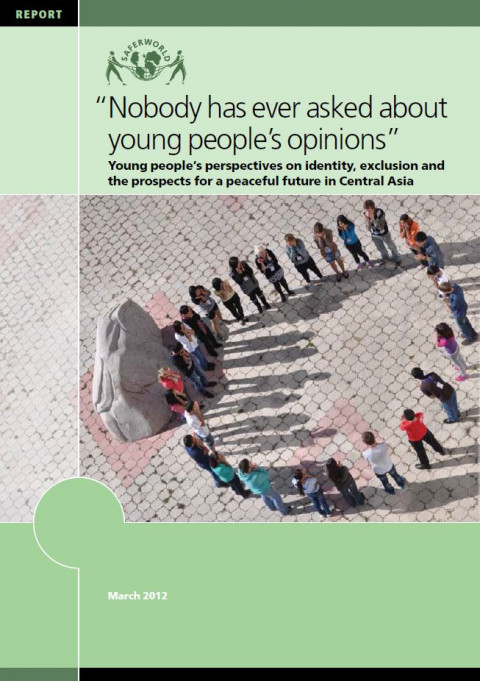 “Nobody Has Ever Asked About Young People’s Opinions”: Young People’s Perspectives on Identity, Exclusion and the Prospects for a Peaceful Future in Central Asia Year of publication: 2012 Corporate author: Saferworld This report offers a number of recommendations for the governments of Central Asian countries, as well as for international donor organizations that provide financial assistance to these states. Recommendations include suggestions priorities and approaches related to institutional and state construction; proposals on creating favorable conditions for enhancing youth participation in political processes; suggestions on how to instill in young people the skills necessary to participate in democratic processes; how to strengthen social unity through building intercommunal dialogue and intergenerational dialogue; as well as how to fight extremism. «Никто и никогда не спрашивал мнения молодежи»: Взгляды молодых людей на вопросы идентичности, изоляции и перспектив мирного будущего в Центральной Азии Year of publication: 2012 Corporate author: Saferworld Данный отчет предлагает ряд рекомендаций для правительств стран Центральной Азии, а также для международных донорских организаций, которые предоставляют финансовую помощь этим государствам. Рекомендации включают предложения приоритетов и подходов, связанных с институциональным и государственным строительством; предложения по вопросам создания благоприятних условий для активизации участия молодежи в политических процессах; предложения как привить молодым людям навыки, необходимые для участия в демократических процессах; как усилить социальное единство через построение межобщинного диалога и диалога между поколениями; а также как бороться с экстремизмом.
 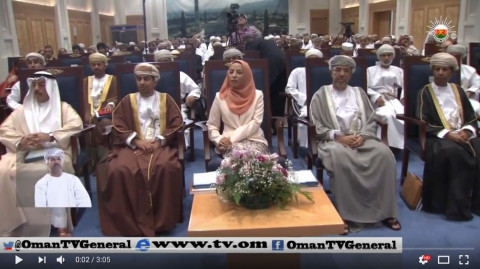 انطلاق ملتقى "المواطنة الإنسانية ودورها في التقارب والوئام الإنساني" Year of publication: 2015 Corporate author: OmanTvGeneral أقام مركز السلطان قابوس العالي للثقافة والعلوم الملتقى العلمي المواطنة الإنسانية ودورها في التقارب والوئام الإنساني، وذلك في إطار فعاليات أسبوع التقارب والوئام الإنساني الرابع، حيث يعد الملتقىى فرصة سانحة لجميع المشاركين للاطلاع على تجربة السلطنة الرائدة في الحوار الحضاري ودعم قيم التسامح والتعاون والتعايش السلمي وفق الثوابت التي أرسى مبادئها حضرة صاحب الجلالة السلطان قابوس بن سعيد المعظم ـ حفظه الله ورعاه. Forum on "Human Citizenship and its Role in Convergence and Human Harmony" Year of publication: 2015 Corporate author: OmanTvGeneral The Sultan Qaboos Higher Center for Culture and Science held the Scientific Forum on Human Citizenship and its Role in Convergence and Human Harmony, within the framework of the Fourth Week of Convergence and Human Harmony, where the forum is an opportunity for all participants to learn about the Sultanate's leading experience in civilizational dialogue and support the values of tolerance, cooperation and peaceful coexistence according to the constants. His principles were laid down by His Majesty Sultan Qaboos bin Said.