
Resources
Explore a wide range of valuable resources on GCED to deepen your understanding and enhance your research, advocacy, teaching, and learning.
3,790 Results found
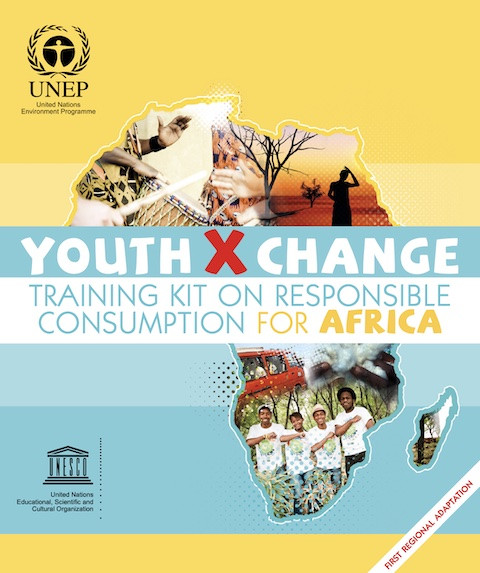 YouthXchange Training Kit on Responsible Consumption for Africa Year of publication: 2017 Author: Carme Martinez-Roca | Victoria Thoresen Corporate author: UNESCO | United Nations Environment Programme (UNEP) Young people from all walks of life play a critical role in delivering the 17 goals of the 2030 Agenda for Sustainable Development, particularly in areas like education, lifestyle and responsible consumption and production. As the consumers of today and decision-makers of tomorrow, they define the demand for goods and services and have the power to drive economic prosperity, environmental sustainability and social equality.This approach underpins the YouthXchange Initiative, which contributes to the Global Action Programme on Education for Sustainable Development and aligns with the goals of the 2030 Agenda. The initiative promotes equitable, informed and efficient consumption, while the training kit supports that effort with clear, reliable and compelling information. As well as outlining the relationship between the environment, the economy and social justice, the kit uses case studies to showcase the available opportunities and encourage readers to take shared responsibility for their future, starting with their own attitudes and behaviours.
 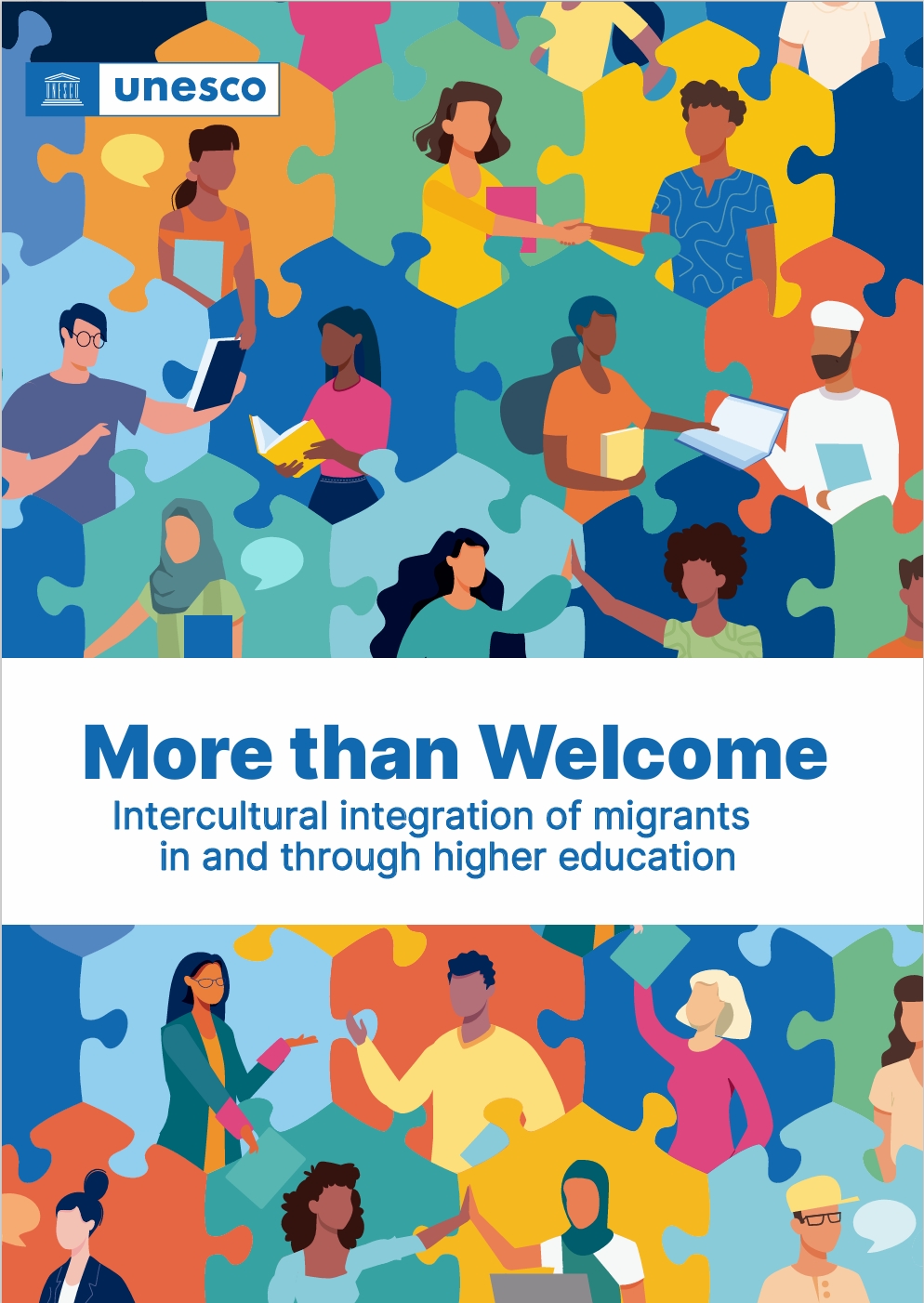 More than Welcome: Intercultural Integration of Migrants in and Through Higher Education Year of publication: 2026 Author: Darla K. Deardorff | Raffaela Iuliano Corporate author: UNESCO As global displacement reaches unprecedented levels—with 123.2 million people uprooted by conflict, environmental disasters, and economic instability (UNHCR, 2025)—there is an urgent need to rethink approach integration. Migration should be embraced as an opportunity for human and cultural development, social cohesion, and economic growth. To realise this, societies must transition from outdated integration models to a new paradigm of intercultural integration—a multidirectional process engaging all community members.More than Welcome offers a framework for intercultural integration, founded on five principles with intercultural competence at its core. It highlights the unique role of Higher Education Institutions (HEIs) in fostering mutual respect, understanding, and collaboration. By actively addressing xenophobia and cultural discrimination, HEIs can become catalytic spaces to help migrants reach their full potential in diverse societies.Through research and practical examples, the publication provides actionable strategies for policy-makers to create a higher education sector that not only educates but also cultivates active, intercultural citizens. By embracing this framework, we can build more inclusive societies and unlock the full potential of migration for the benefit of all.
 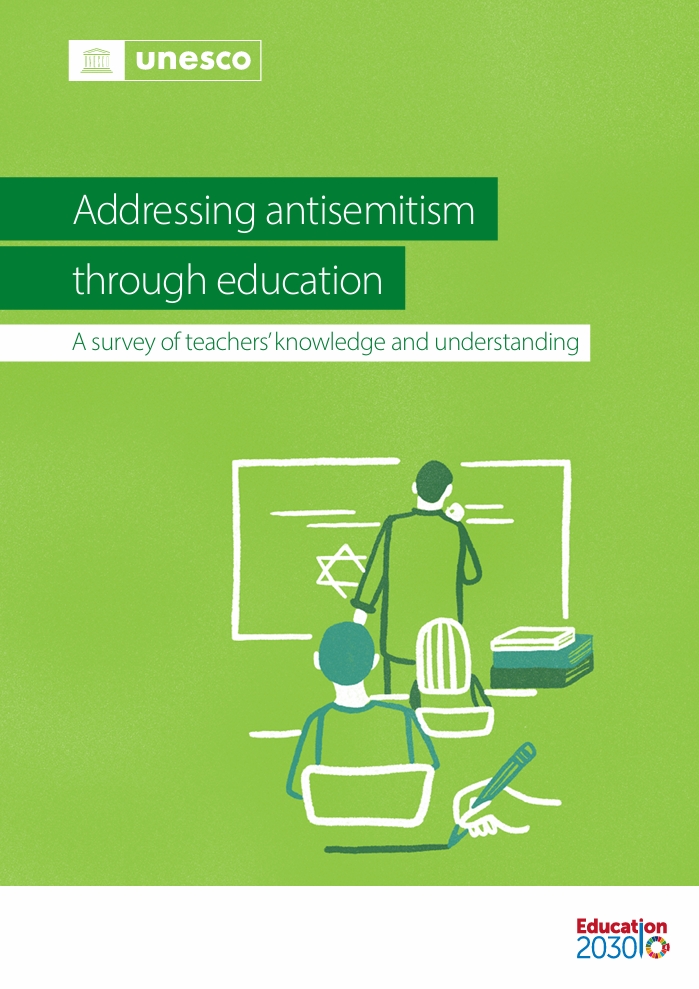 Addressing Antisemitism Through Education: A Survey of Teachers’ Knowledge and Understanding Year of publication: 2026 Corporate author: UNESCO | OSCE. Office for Democratic Institutions and Human Rights (ODIHR) As antisemitism continues to pose an increasing threat to the security of Jewish communities and individuals worldwide, education systems have a moral imperative to address it in all its forms. Teachers are the first line of defence to prevent the spread of hatred. Listening to their experiences and understanding their needs is a first step towards equipping them with the right tools to combat this phenomenon.This unprecedented study is the first European survey of teachers on the topic of antisemitism. It includes data surveyed from 2,030 educators across the European Union, to examine their knowledge and understanding of antisemitism and explore their preparedness to address it in the classroom. Highlighting the prevalence of antisemitism in school environments, the survey outlines key areas where educational systems can support teachers, including: understanding the challenges they face, enhancing high-quality training opportunities, and developing clear policies and guidance on how to respond to antisemitic incidents.Above all, the survey provides insights into the potential for research-informed, high quality professional development courses to meaningfully support teachers in recognising and combatting antisemitism.
 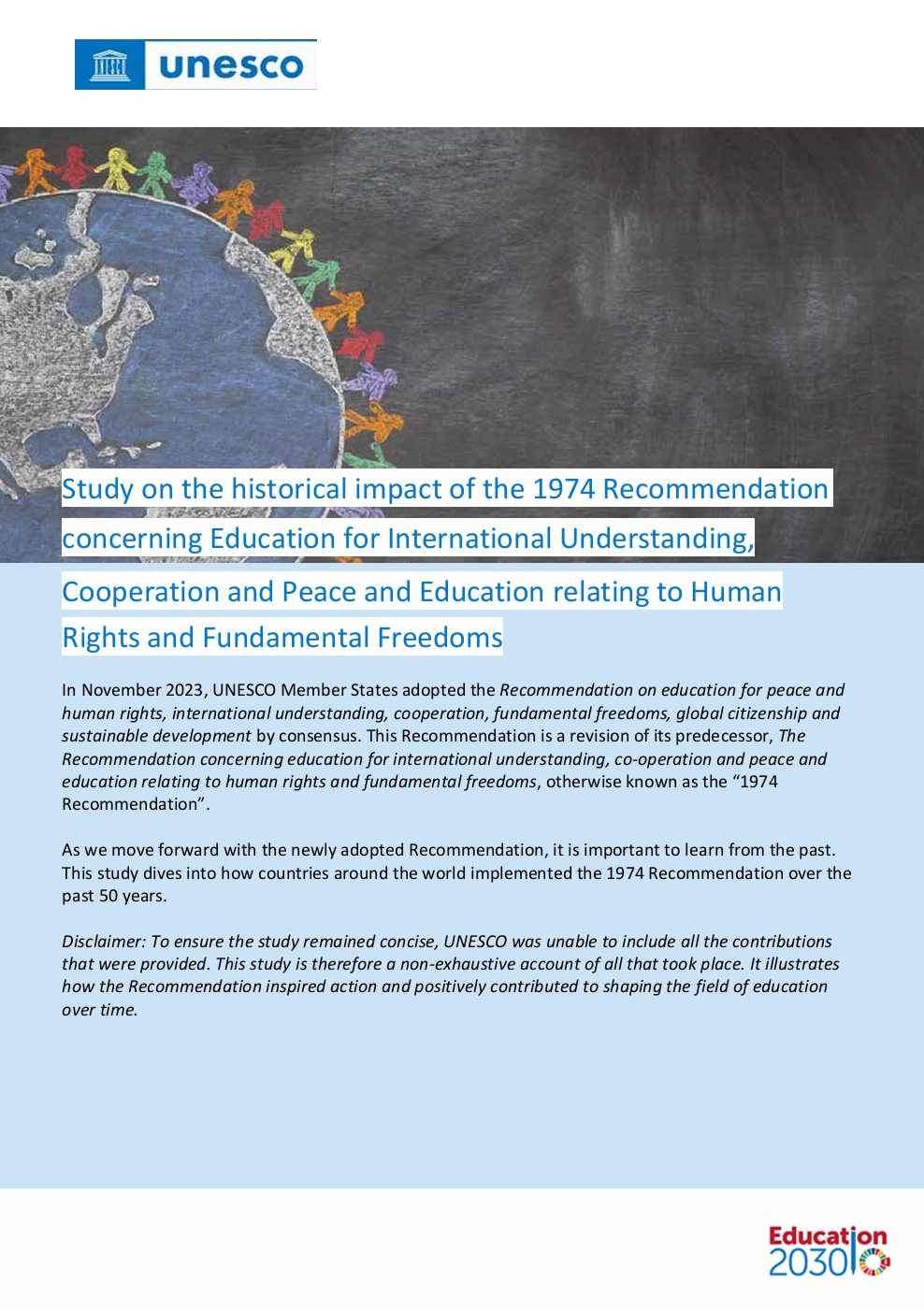 Study on the Historical Impact of the 1974 Recommendation concerning Education for International Understanding, Cooperation and Peace and Education relating to Human Rights and Fundamental Freedoms Year of publication: 2026 Author: Julia Bührle Corporate author: UNESCO The adoption of the Recommendation concerning Education for International Understanding, Co-operation and Peace and Education relating to Human Rights and Fundamental Freedoms(hereafter: the 1974 Recommendation) triggered numerous initiatives and transformations at the national and international level. At the global and regional levels, UNESCO, relevant organizations, and Member States organized several regional seminars and major conferences to discuss and monitor the implementation of the 1974 Recommendation.This study focuses on transformations that have happened in Member States since the adoption of the 1974 Recommendation. It follows the developments and innovations that were directly inspired by the 1974 Recommendation or to which it notably contributed.
 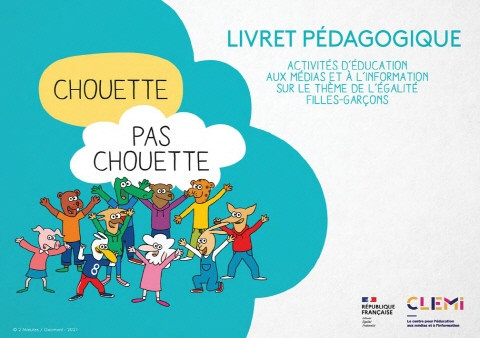 Chouette, pas chouette, déconstrure les stéréotypes sexistes, ça s'apprend ! Year of publication: 2021 Author: Anne Lechaudel | Séverine Poncet-Ollivier | Séverin Ledru-Milon Corporate author: Centre pour l’éducation aux médias et à l’information (CLEMI) Ce livret propose des activités pédagogiques sur le thème de l’égalité filles/garçons, pour apprendre à questionner et déconstruire les stéréotypes sexistes.Il est réalisé dans l’univers graphique et avec les personnages de la série Chouette, pas chouette ! une série de 16 programmes courts animés pour sensibiliser les 4-6 ans aux stéréotypes sexistes. Les activités proposées dans le livret permettent de soutenir l’expression des élèves, d’aborder le quotidien des relations filles - garçons, et plus largement du vivre-ensemble, de manière concrète et créative. Trois entrées thématiques par niveau et des pistes d’activités adaptées en éducation aux médias et à l’information sont proposées:- L’apparence. « À quoi doit ressembler une fille ou un garçon ? » (cycle 1, 4-5 ans)- Le comportement. « Fais-le comme une fille, comme un garçon » (cycle 2, 6-7-8 ans)- Le devenir et les désirs d’orientation. C ’est quoi un "métier de femme", un "métier d’homme" ? (cycle 3, 9-10 ans)Des épisodes de la série « Chouette, pas chouette ! » ont été identifiés pour chacune des entrées thématiques.Le livret est accompagné de ressources pédagogiques pour aller plus loin. This booklet offers educational activities on the theme of equality between girls and boys, to help children question and deconstruct sexist stereotypes.It is based on the graphics and characters of Chouette, pas chouette! a series of 16 short animated programs designed to raise awareness of sexist stereotypes among 4-6 year-olds. The activities in the booklet are designed to support pupils' self-expression, and address the day-to-day issues of boy-girl relationships and, more broadly, living together, in a concrete, creative way. The booklet features three thematic entries for each grade level, along with suggestions for activities adapted to media and information literacy:- Appearance. "What should a boy or a girl look like?" (cycle 1, 4-5 years old)- Behavior. "Do it like a girl, do it like a boy" (cycle 2 6-7-8 years old)- Becoming and career aspirations. What's a "woman's job", what's a "man's job"? (cycle 3, 9-10 years old)Episodes from the "Chouette, pas chouette!" series have been identified for each of these themes.The booklet is accompanied by teaching resources for further reading.
  Lumni Corporate author: Institut national de l'audiovisuel (INA) | France Télévisions Lumni est l’offre de tous les acteurs de l’audiovisuel public français au service de l’éducation pour les élèves et les enseignants. Cette offre donne accès à la culture, au savoir et à la connaissance pour tous les enfants de 3 à 20 ans et couvre l’ensemble des disciplines scolaires de la maternelle à la terminale. Tous les programmes sont indexés par niveau, matière et thématique.Avec plus de 12 000 vidéos, audios, jeux, dossiers, ce catalogue propose :• aux élèves, seuls ou accompagnés, de développer leur culture générale, de prolonger leurs cours, de comprendre le monde en apprenant autrement et de devenir des citoyens éclairés capables de décrypter l’actualité ;• aux enseignants, d’enrichir et de préparer leurs cours ;Avec une proposition éditoriale adaptée à chaque univers, Lumni enrichit régulièrement son offre avec des séries webnatives, des cours, des jeux, des quiz, ainsi que des programmes et des opérations à forte valeur éducative. Lumni is the educational offering for students and teachers from all French public broadcasters. This offer provides access to culture, knowledge and learning for all children aged 3 to 20, and covers all school subjects from kindergarten to the end of secondary school. All programs are indexed by level, subject and theme.With more than 12,000 videos, audios, games and dossiers, this catalog offers:• students, alone or accompanied, to develop their general knowledge, extend their lessons, understand the world by learning differently, and become enlightened citizens capable of deciphering current events;• teachers, to enrich and prepare their lessons;With an editorial proposal adapted to each universe, Lumni regularly enriches its offer with webnative series, courses, games, quizzes, as well as programs and operations with high educational value.
 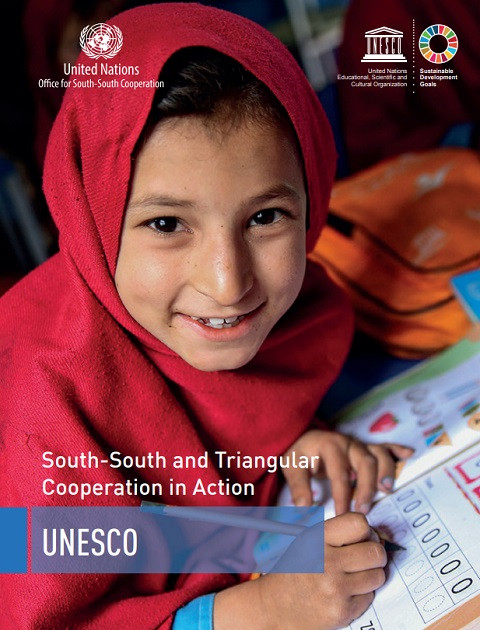 La cooperación Sur-Sur y la cooperación triangular en acción Year of publication: 2018 Corporate author: Organización de las Naciones Unidas para la Educación, la Ciencia y la Cultura (UNESCO) | UN. Office for South-South Cooperation (UNOSSC) Esta publicación es el primer informe específico de la UNESCO sobre la cooperación Sur-Sur y la cooperación triangular. Se presenta un panorama general de los avances en la cooperación técnica, la creación de capacidades y el intercambio de conocimientos mediante la cooperación SurSur y la cooperación triangular en las esferas de competencia de la UNESCO y se mencionan ejemplos concretos. Se allana el camino para profundizar la cooperación en este ámbito en el futuro. La coopération Sud-Sud et triangulaire en action Year of publication: 2018 Corporate author: Organisation des Nations Unies pour l'éducation, la science et la culture (UNESCO) | UN. Office for South-South Cooperation (UNOSSC) La présente publication est le premier rapport de l’UNESCO qui traite de la coopération SudSud et de la coopération triangulaire. Elle brosse un tableau d’ensemble, illustré par des exemples particuliers, des progrès que ces modalités de coopération ont permis d’accomplir pour faciliter la coopération technique, le renforcement des capacités et le partage des connaissances dans les domaines de compétence de l’UNESCO, et ouvre la voie à de plus amples efforts en la matière.
  Éducation à la citoyenneté et aux comportements responsables en Angleterre, en Écosse et en France: Étude comparative Year of publication: 2009 Corporate author: France. Ministère de l'éducation nationale Dans le cadre des accords franco-anglais de Paris et de la déclaration d'intention franco-écossaise dans le domaine de la coopération éducative et de la formation, un groupe d'experts commun aux trois pays a été constitué afin de dresser un état des lieux de l'éducation aux comportements responsables et à la citoyenneté et de tracer des perspectives fondées sur des regards croisés. Afin de concrétiser le travail commun, les trois pays se sont accordés sur un Passeport citoyenneté-santé expérimentés dans des établissements d'enseignement français, anglais et écossais. Le présent document propose un résumé comparatif des projets éducatifs des trois pays dans le domaine de l'éducation aux comportements responsables. Les auteurs s'attachent à définir les finalités poursuivies à l'école à travers l'éducation à la citoyenneté. Ils présentent les cadres d'action, les acteurs qui contribuent à l'éducation des futurs citoyens, ainsi que leur accompagnement et leur formation. Une dernière partie est consacrée à l'évaluation des élèves en la matière.
  Le grenier de Sarah Year of publication: 2002 Corporate author: Mémorial de la Shoah | France. Ministère de l'Education nationale, de l'Enseignement supérieur et de la Recherche Sarah’s attic is a website introducing Shoah History that addresses specifically children from age 8 to 12 with full respect of their sensitivity. This website invites them to watch and hear tales and expressions testifying of the diversity of Jewish cultures transmitted before, during and after the Second World War. In addition, nine personal itineraries bear witness to the daily life of Jews during the war, based on archive documents kept at the Mémorial de la Shoah in Paris.