
Resources
Explore a wide range of valuable resources on GCED to deepen your understanding and enhance your research, advocacy, teaching, and learning.
884 Results found
 Guide for social advocates of domestic violence victims (guidebook) Year of publication: 2016 Author: S. Korneychuk | N, Gladyr | A. Ilyasova Corporate author: S. Korneychuk | N, Gladyr | A. Ilyasova This tutorial is aimed at strengthening the professional potential of specialists directly working with cases of domestic violence in order to maximize the needs of victims. Руководство для социальных защитников жертв бытового насилия (учебное пособие) Year of publication: 2016 Author: S. Korneychuk | N, Gladyr | A. Ilyasova Данное учебное пособие направлено на укрепление профессионального потенциала специалистов, непосредственно работающих со случаями бытового насилия, с целью максимального удовлетворения потребностей пострадавших.
  Women and violent extremism in Tajikistan Year of publication: 2017 Corporate author: Anna Matveeva | Bakhrom Fayzullayev This study is based on a review of existing research and political literature, as well as data collection in Tajikistan, mainly provided by officials, community respondents, investigative journalists, scholars, and local civil society experts. The aim of the study is to study the role of women in countering the spread of violent extremism. Женщины и насильственный экстремизм в Таджикистане Year of publication: 2017 Corporate author: Anna Matveeva | Bakhrom Fayzullayev Данное исследование основано на обзоре существующей исследовательской и политической литературы, а также на сборе данных в Таджикистане, в основном предоставленных должностными лицами, респондентами из сообществ, журналистами-расследователями, учеными и местными экспертами гражданского общества. Целью исследования является изучение роли женщин в вопросе противодействия распространению насильственного экстремизма.
  Sexual harassment in the workplace: challenges and responses Year of publication: 2017 Author: Dase Kavasa This report contains information on legal and policy challenges related to sexual harassment and recommendations for improving legislation and practice in the Republic of Kazakhstan. Сексуальные домогательства на рабочем месте: вызовы и пути реагирования Year of publication: 2017 Author: Dase Kavasa Данный отчет содержит информацию о вызовах в области права и политики, связанных с сексуальными домогательствами, и рекомендации по совершенствованию законодательства и практики в Республике Казахстан.
  RESPECT Women: Preventing Violence Against Women Year of publication: 2019 Corporate author: World Health Organization (WHO) Violence against women and girls remains pervasive across the world, despite significant efforts being made to recognize, eliminate, and prevent it in all its forms. Eliminating violence against women and girls is pivotal to achieving gender equality, women’s empowerment, and the Sustainable Development Goals. Elimination can only be done through prevention. Successful prevention requires: political commitment and leadership,implementing laws and policies that promote gender equality,investing in women’s organizations,allocating resources to prevention, andaddressing the multiple forms of discrimination women face daily. Based on the principles of respect and equality, and lessons learned from evidence-based results on what works in preventing violence from occurring and recurring, the World Health Organization (WHO) and UN Women, in collaboration with ten other UN, bilateral, and multilateral agencies, have developed “RESPECT Women: Preventing violence against women”. This publication provides a comprehensive framework to inform policy makers and implementers about designing, planning, implementing, monitoring, and evaluating interventions and programmes on preventing and responding to violence against women. The framework outlines seven inter-related intervention strategies derived from the word “respect”: Relationships skills strengthenedEmpowerment of womenServices ensuredPoverty reducedEnvironments made safeChild and adolescent abuse preventedTransformed attitudes, beliefs and norm
 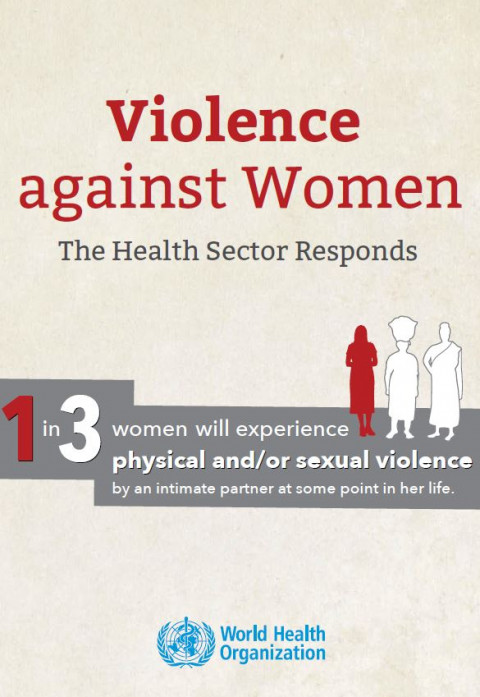 Violence Against Women Infographic: Health Impacts and the Role of the Health Sector Year of publication: 2013 Corporate author: World Health Organization (WHO) The WHO Department for Management of NCDs, Disability, Violence and Injury Prevention, and Department of Reproductive Health and Research, have prepared an infographic displaying the prevalence and health and social consequences of violence against women, and what the health sector can do to address this public health problem. The infographic is targeted at policy makers and professionals working in the health sector and other relevant sectors.
 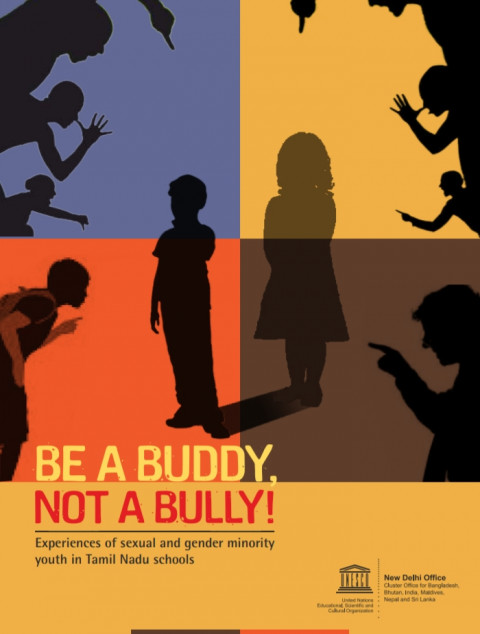 Be a buddy, not a bully: experiences of sexual and gender minority youth in Tamil Nadu schools Year of publication: 2019 Author: Menon C. Sunil, Chakrapani. Venkatesan, Jadav. Sarita Corporate author: UNESCO New Delhi We at UNESCO recognize that no country can achieve Sustainable Development Goal 4 - to ensure inclusive and equitable quality education and promote lifelong learning opportunities for all - if students are discriminated against or experience violence because of their actual or perceived sexual orientation and gender identity. This study conducted under the overall guidance of the School Education Department, Government of Tamil Nadu highlights our shared commitment to prevent and address bullying in educational institutions. We are confident that this report will be an effective tool for evidence based advocacy with school education departments and go a long way in promoting a comprehensive education sector response to SOGIE-based bullying, which includes enabling policy environments; inclusive curriculum and learning materials; professional development programmes for teachers and other school staff; support for learners including awarenessraising activities; and an overall school environment that is safe, nonviolent and that understands and appreciates diversity.
  مكافحة التطرف العنيف: كتيب تمهيدي للمفاهيم والبرامج وأفضل الممارسات Year of publication: 2019 Corporate author: Search for Common Ground ان مجال مكافحة التطرف العنيف يتطور وينمو سريعاً ونحن نتعلم من الممارسة والبحث. لذلك ، فإن هذه التغييرات السريعة جعلت من الصعب على الممارسين والعاملين في هذا المجال في الحكومة أو المجتمع المدني فهم أحدث الممارسات الجيدة والدروس المستفادة.هذا المنهج / الرزمة التدريبية هي محاولة للتغلب على هذه التحديات. لذا تم إعداد هذا المنهج لتدريب العاملين في مجال مكافحة التطرف العنيف في الحكومة والمجتمع المدني ، سواء كانت لديهم خبرة سابقة ام لا. تم تصميمه في عشر وحدات تعليمية مترافقة مع مواد تدريبية بما في ذلك دليل الميسرين ، وعروض الشرائح ، ومنشورات أخرى ، بالإضافة إلى ندوات مسجلة مسبقاً عبر الإنترنت للسماح للراغبين بالحصول على هذا التدريب. هذه المواد تشمل مجموعة من الأنشطة والروابط لمقاطع من الفيديوهات التوضيحية توفر مساحة للمناقشة والتفكير.يقدم هذا المنهاج برنامجًا تدريبيًا في سياق مكافحة التطرف العنيف ورفع الوعي ذات الصلة بسياقك بطريقة يمكن الوصول إليها. فهو يسلط الضوء على فوائد النهج التشاركي التي يتجاوز استخدام التدخل والاستجابة العسكرية في سياق التطرف العنيف، بالارتكاز على الممارسات الجيدة ، ويوفر الأدوات والإرشادات للتكيف بسهولة مع السياق والثقافات المحلية. أخيرًا ، يشجع هذا البرنامج على التحديد والإكتشاف المبكر للمخاطر وتخفيفها، فضلاً عن ضمان اتباع نهج عدم الإضرار.تم إنتاج هذا المنهج التدريبي من قبل منظمة البحث عن أرضية مشتركة بالتعاون مع هداية وبتمويل من قبل الاتحاد الأوروبي من خلال البرنامج العالمي STRIVE.