
Resources
Explore a wide range of valuable resources on GCED to deepen your understanding and enhance your research, advocacy, teaching, and learning.
82 Results found
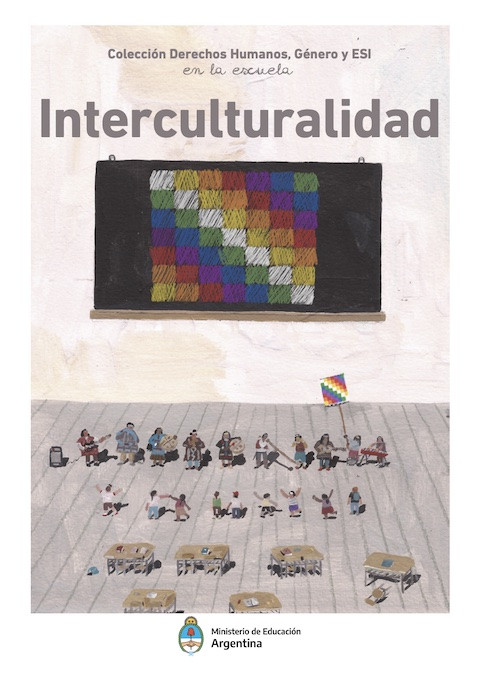 Interculturality Year of publication: 2021 Corporate author: Argentina. Ministry of Education This document addresses the issue of interculturality in the framework of the Human Rights, Gender and ESI at School Collection. It brings together a set of theoretical reflections and guidelines for teachers from different dimensions and senses, on issues that it is essential to continually revisit between different generations. Interculturalidad Year of publication: 2021 Corporate author: Argentina. Ministry of Education En este documento se aborda el tema de la interculturalidad en el marco de la Colección Derechos Humanos, Género y ESI en la escuela. Reúne un conjunto de reflexiones teóricas y orientaciones para las y los docentes desde diferentes dimensiones y sentidos, sobre temas que resulta imprescindible revisitar continuamente entre las distintas generaciones.
 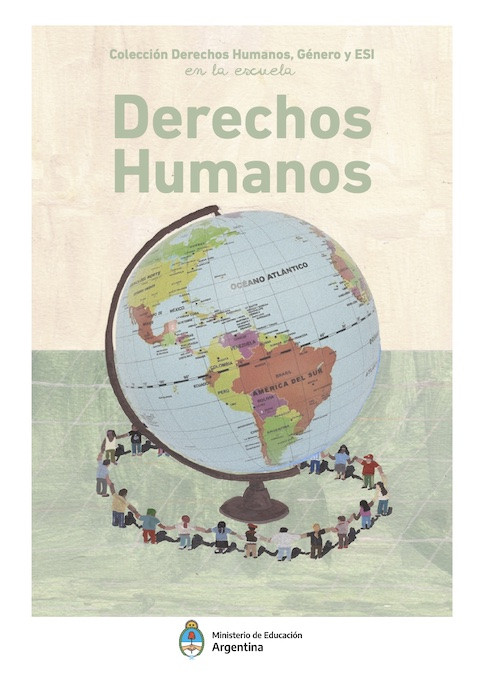 Human Rights Year of publication: 2021 Corporate author: Argentina. Ministry of Education This material takes on the challenge of addressing Human Rights as a living territory, a collective construction, where permanent disputes take place over its meaning and scope. At school, the responsibility for the formation of new citizenships for life in democracy places each teacher at the very center of this challenge. Derechos humanos Year of publication: 2021 Corporate author: Argentina. Ministry of Education Este material asume el desafío de abordar los Derechos Humanos como un territorio vivo, una construcción colectiva, donde acontecen disputas permanentes sobre su significado y alcance. En la escuela, la responsabilidad de la formación de las nuevas ciudadanías para la vida en democracia ubica a cada docente en el centro mismo de este desafío.
 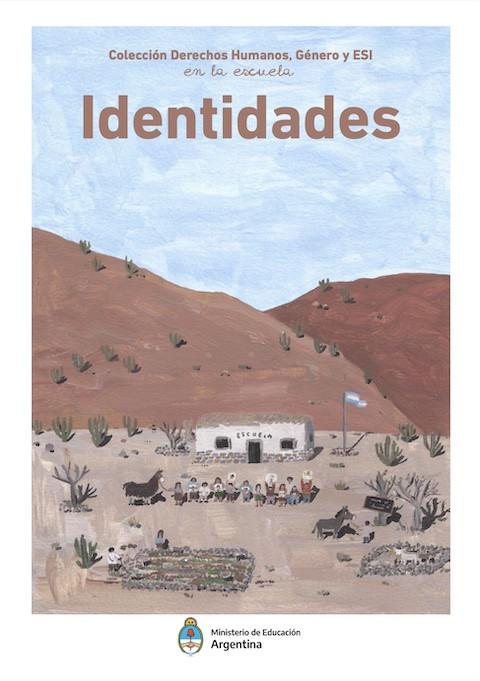 Identities Year of publication: 2021 Corporate author: Argentina. Ministry of Education In these pages, it is invited to rethink the construction of identity and identities within the framework of the school, from a transversal perspective. This concept is traversed by multiple dimensions, genealogies and debates that give shape to a privileged and nodal notion for the formation of a new democratic citizenship in schools. The idea is that both students of different educational levels, as well as teachers and families feel challenged and challenged by the reflections that this concept raises. Identidades Year of publication: 2021 Corporate author: Argentina. Ministry of Education En estas páginas, se invita a (re)pensar la construcción de la identidad y de las identidades en el marco de la escuela, desde una perspectiva transversal. Este concepto se encuentra atravesado por múltiples dimensiones, genealogías y debates que le dan forma a una noción privilegiada y nodal para la formación de una nueva ciudadanía democrática en las escuelas. La idea es que tanto estudiantes de los distintos niveles educativos, como las y los docentes y las familias se sientan interpeladas e interpelados por las reflexiones que suscita este concepto.
  Education for Integration: Ideas and Resources for the Formation of Regional Citizenship Year of publication: 2021 Corporate author: Mercosur Educational Sector Support Program (PASEM) For Latin American and Caribbean countries, regional integration is a tool to expand their margins of autonomy and promote economic development with social inclusion. From the events that led to independence to the present day, the ideals of unity and integration have been present in many men and women who conceived emancipatory national-regional political projects and sought to form sovereign and developed nations. The Common Market of the South - or as it is commonly known, Mercosur - is one of those regional political projects that seeks to build a supportive, inclusive region, open to citizen participation and that guarantees the right of peoples to development. Educación para la integracion: Ideas y recursos para la formación de una ciudadanía regional Year of publication: 2021 Corporate author: Mercosur Educational Sector Support Program (PASEM) Para los países latinoamericanos y caribeños la integración regional constituye una herramienta para ampliar sus márgenes de autonomía y promover desarrollo económico con inclusión social. Desde los acontecimientos que llevaron a la independencia hasta nuestros días, los ideales de unidad e integración estuvieron presentes en numerosos hombres y mujeres que concibieron proyectos políticos nacional-regionales emancipatorios y buscaron conformar naciones soberanas y desarrolladas. El Mercado Común del Sur -o como comúnmente se lo conoce, el Mercosur- es uno de esos proyectos políticos regionales que busca construir una región solidaria, inclusiva, abierta a la participación ciudadana y que garantice el derecho de los pueblos al desarrollo.
  Migrations and Displacements: Racism and Discrimination Year of publication: 2021 Corporate author: Argentina. Ministry of Education This video describes the phenomenon of migration within the framework of global citizenship. It was produced within the framework of the Seguimos Educando Program, which during 2020 and 2021 allowed, through different means, students to remain in contact with school. The proposed activities and content are guided by the Priority Learning Cores common to the entire country. Migraciones y desplazamientos: Racismo y discrimanción Year of publication: 2021 Corporate author: Argentina. Ministry of Education Este video describe el fenómeno de las migraciones en el marco de una ciudadanía global. Fue elaborado en el marco del Programa Seguimos Educando, que durante 2020 y 2021 permitió, a través de distintos medios, que las y los estudiantes siguieran en contacto con la escuela. Las actividades y contenidos propuestos están orientados por los Núcleos de Aprendizajes Prioritarios comunes para todo el país.