
Resources
Explore a wide range of valuable resources on GCED to deepen your understanding and enhance your research, advocacy, teaching, and learning.
661 Results found
 État des lieux de l’éducation à la citoyenneté et à la solidarité internationale en France Year of publication: 2019 Author: Virginie Escudié Corporate author: Educasol | Agence Française de Développement (AFD) Cette publication, réalisée dans le cadre de l’Observatoire de l’ECSI(Éducation à la Citoyenneté et à la Solidarité Internationale) lancé par Educasol en janvier 2018, est structurée autour de deux grands chapitres. Un premier consacré aux enjeux, défis et cadre institutionnel de l’ECSI ; un second chapitre met le focus sur des démarches d’ECSI concernant la mobilisation citoyenne, le milieu scolaire et le travail de cartographie des données.
 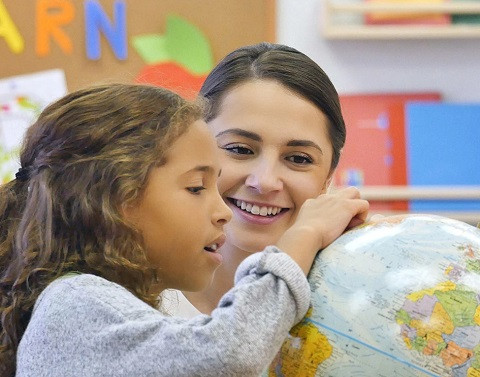 Global Education for Teachers: MOOC Year of publication: 2020 Author: Nicole Blum | Frances Hunt Corporate author: University College London (UCL) The Global Education for Teachers MOOC (Massive Online Open Course) is a three-week course for teachers (3 hours per week) around the world hosted by FutureLearn. The course has been designed specifically for teachers as an introduction to global education and related terms such as global learning / global citizenship education. It will engage teachers with key issues and debates in global education, support collaboration between teachers around the world and provide practical support on how to introduce global issues into teaching. It is intended to develop teachers’ confidence, knowledge and skills to include global education in teaching and in so doing, better prepare students to take on the global challenges they will face now and in the future.
  Higher Education Policy in Central Asia and Afghanistan Year of publication: 2019 Author: Emma Sabzalieva Corporate author: University of Central Asia (UCA) The purpose of this report is two-fold. Its first aim is to take stock of contemporary higher education in Central Asia, with a particular emphasis on Kyrgyzstan and Tajikistan, and Afghanistan. The second is to offer policy propositions that may support these states to make their higher education systems more innovative, with innovation also incorporating science and technology. Политика в сфере высшего образования в Центральной Азии и Афганистане Year of publication: 2019 Author: Emma Sabzalieva Corporate author: University of Central Asia (UCA) Данный отчет преследует две цели. Первая – рассмотреть сферу высшего образования в Центральной Азии, делая особый акцент на Кыргызстане, Таджикистане и Афганистане. Вторая цель – предложить политические решения, способные помочь этим государствам сделать их системы высшего образования более инновационными с опорой на науку и технологии.
 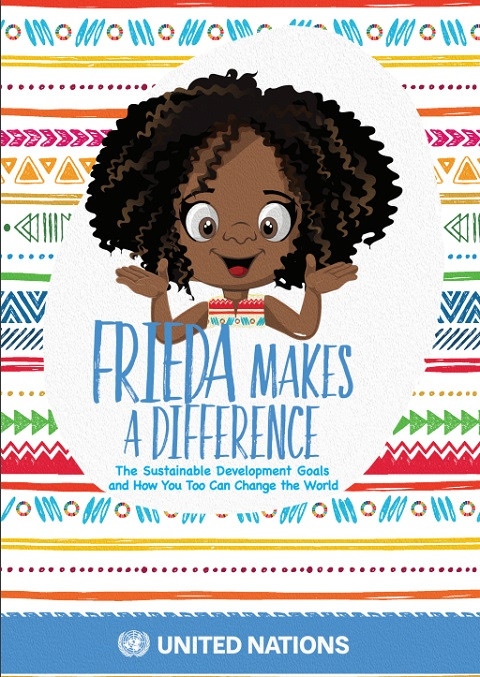 Frieda Makes a Difference: The Sustainable Development Goals and How You Too Can Change the World Year of publication: 2019 Corporate author: United Nations (UN) This is the story about a young girl named Frieda who embarks on a wonderful adventure to bring about positive change in the world. One day, Ana from the United Nations visits Frieda’s school to teach her class about the Sustainable Development Goals—the world’s plan to reduce poverty and protect the planet by 2030. Frieda develops a global perspective and is encouraged to take action against the biggest issues of our day: from combating climate change and protecting endangered species to ending poverty and fighting inequality. But most important, Frieda learns that “everyone must work together to make the world much better for all”. With colourful illustrations, engaging text, and tips on how to change the world, children will discover what they can do to make a difference— in their lives and the lives around them.
 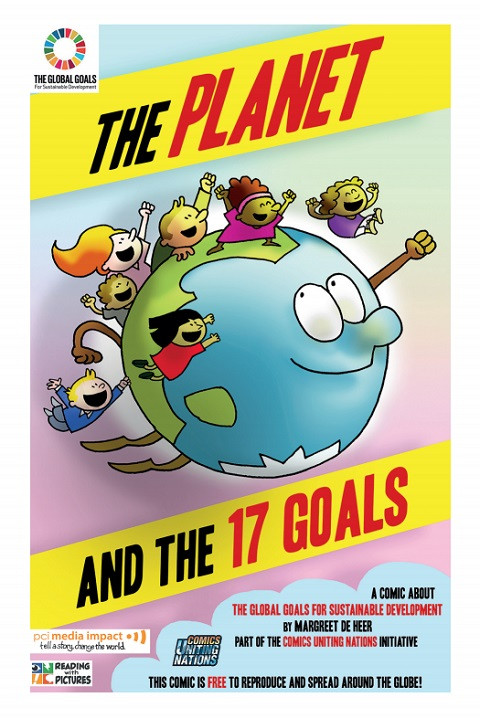 The Planet and the 17 Goals: A Comic About the Global Goals for Sustainable Development Year of publication: 2015 Author: Margreet de Heer Corporate author: Reading With Pictures | United Nations (UN) In September 2015, the 193 countries of The United Nations launched The Global Goals of Sustainable Development, a commitment to achieve 3 extraordinary things in the next 15 years: end extreme poverty, fight inequality & injustice and fix climate change. In order to get this done, 17 Goals have been set. This material aims to spread the word about the 17 Goals in the form of comics.
 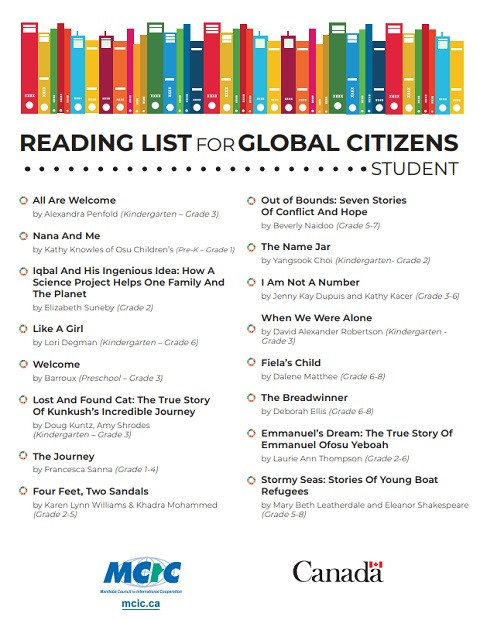 Reading List for Global Citizens: Student Year of publication: 2020 Corporate author: Manitoba Council for International Cooperation (MCIC) | Global Affairs Canada (GAC) This is a reading list for global citizens from Kindergarten to Grade 12. These books will inspire students to take action whether they are passionate about food security, ending poverty, supporting women’s rights, or protecting the environment.
 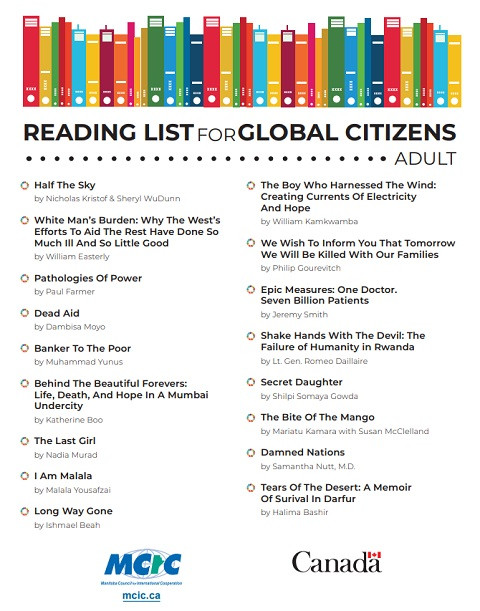 Reading List for Global Citizens: Adult Year of publication: 2020 Corporate author: Manitoba Council for International Cooperation (MCIC) | Global Affairs Canada (GAC) This reading list helps readers to be a global citizen by reading books that are informative and inspiring.
 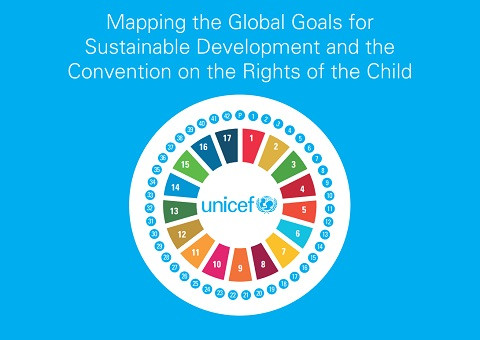 Mapping the Global Goals for Sustainable Development and the Convention on the Rights of the Child Year of publication: 2016 Author: Marie Wernham Corporate author: United Nations Children's Fund (UNICEF) This interactive document aims to encourage an in-depth and broad-based exploration of the links and synergies between the Global Goals for Sustainable Development and the Convention on the Rights of the Child.
 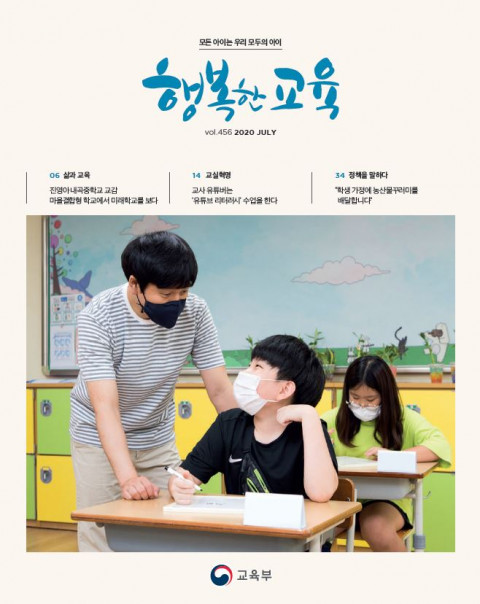 행복한 교육 2020년 7월호 (제456호) Year of publication: 2020 Corporate author: 대한민국 교육부 특별기획 미래_지능정보사회를 이끌 인재 양성 청사진교육부는 최근 ‘과학·수학·정보·융합교육 종합계획(5개년)’을 발표하며 향후 5년간의 미래 인재 양성에 대한 청사진을 제시했다. 교과 간의 긴밀한 연결과 융합을 바탕으로 정책이 수립되어 시너지 효과가 기대된다. 이번 발표에 따르면, 인공지능(AI), 가상·증강현실(VR·AR) 등 최첨단 에듀테크 기술이 교육 현장에 적극적으로 도입되는데, 대표적으로 최첨단 기술을 적용한 지능형 과학실을 2024년까지 모든 학교에 구축하여 학생들이 첨단 과학을 직접 체험하고 학습할 수 있도록 한다는 계획이다. 교육부의 과학·수학·정보·융합교육 청사진을 살펴본다.정책을 말하다_“학생 가정에 농산물꾸러미를 배달합니다”학교급식의 중단으로 학부모와 농가, 급식업체의 부담이 증가함에 따라 교육부와 농림축산식품부는 시도교육청·지자체와 협력하여 ‘학생 가정 농산물꾸러미 지원사업’을 추진하고 있다. 꾸러미사업에 서울, 대구, 인천, 광주, 대전, 세종, 경기, 강원, 충북, 충남, 전북, 전남, 경북, 경남과 부산 기장군에서 참여하며 499만여 명의 학생 가정에 3만 7천 톤의 농산물을 공급하였다. 일부 지역(울산, 부산, 제주, 세종)에서는 학생 가정 내 경제적 부담을 줄여주고자 잔여 급식예산을 교육재난지원금 등의 형태로 지급하고 있다.