
Resources
Explore a wide range of valuable resources on GCED to deepen your understanding and enhance your research, advocacy, teaching, and learning.
1,472 Results found
 Молодежь Центральной Азии: Таджикистан Year of publication: 2017 Author: Muzaffar Olimov | Shavkat Sakhibov Corporate author: Фонд имени Фридриха Эберта в Казахстане Фондом им. Фридриха Эберта был инициирован проект «Молодежь Центральной Азии». Его цель – изучение ценностей и взглядов молодых таджикистанцев, образа жизни, идентификации, политических взглядов и внешнеполитических ориентаций. По итогам проведенной работы независимым экономистом Шавкатом Сахибовым и доктором исторических наук, профессором Музаффаром Олимовым был подготовлен исследовательский аналитический отчет.
 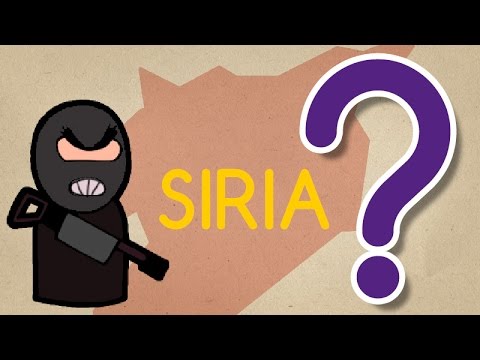 Why There Is War in Syria? Year of publication: 2015 Corporate author: CuriosaMente What is happening in Syria? What is the cause of the conflict in Syria? This video explains the situation in this region formerly known as Mesopotamia. ¿Porqué hay guerra en Siria? Year of publication: 2015 Corporate author: CuriosaMente ¿Qué está sucediendo en siria? ¿A qué se debe el conflicto en Siria? Este video explica la situación en esta región conocida anteriormente como Mesopotamia.
 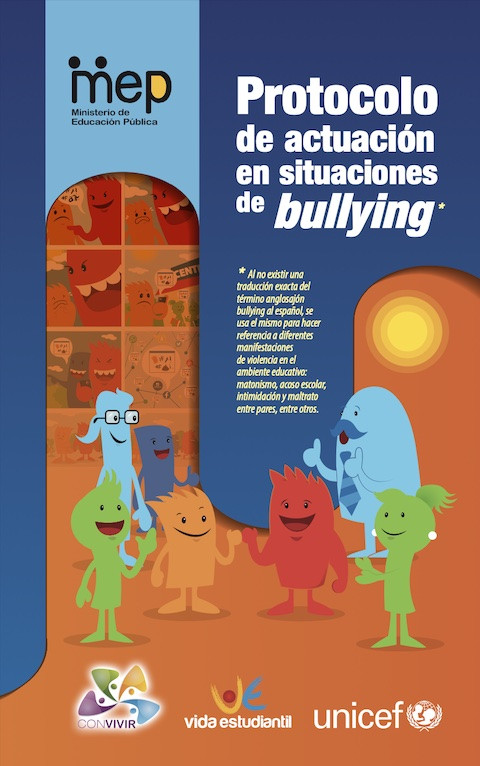 Action Protocol in Bullying Situations Year of publication: 2016 Corporate author: Costa Rica. Ministry of Public Education | Directorate of Student Life | United Nations Children's Fund (UNICEF) Bullying is a reality suffered by children, adolescents and young people all over the world. It affects their well-being, their development and the exercise of their rights as well as their responsibilities. Addressing these situations in the educational environment requires a coordinated and articulated effort to assign time, resources, tasks, and responsibilities of each and every actor in the educational community and institutions responsible for the care of the child and adolescent population. Protocolo de actuación en situaciones de bullying Year of publication: 2016 Corporate author: Ministry of Public Education, Directorate of Student Life (MEP) | United Nations Children's Fund (UNICEF) El bullying es una realidad que sufren niños, niñas, adolescentes y jóvenes en todo el mundo. Afecta su bienestar, su desarrollo y el ejercicio de sus derechos así como de sus responsabilidades. Atender estas situaciones en el ambiente educativo, exige un esfuerzo coordinado y articulado de asignación de tiempo, recursos, tareas y responsabilidades de todas y todos los actores de la comunidad educativa e instituciones responsables de la atención de la población infanto-juvenil.
 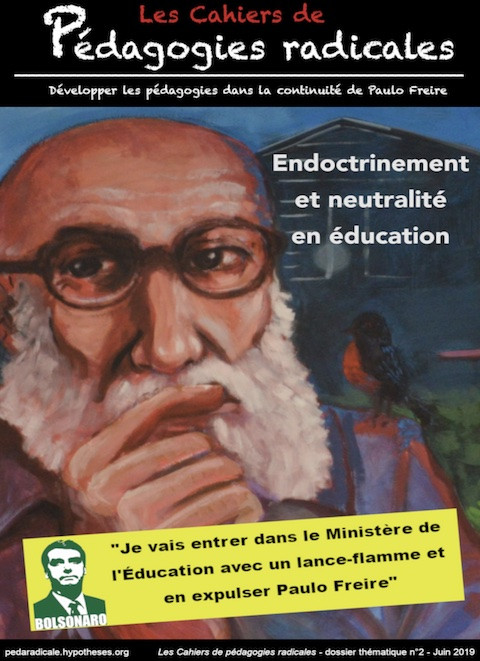 Les Cahiers de pédagogies radicales : Développer les pédagogies inspirées par l'œuvre de Paulo Freire; Endoctrinement et neutralité en éducation Year of publication: 2019 Author: Irène Pereira | Gauthier Tolini Corporate author: École supérieure du professorat et de l'éducation (ESPE) de Livry Garga Ce deuxième numéro des Cahiers de pédagogies radicales part dans unpremier temps de la volonté de faire connaître la situation au Brésil et lesdébats concernant le « Mouvement de l’école sans parti » qui s’attaque à laliberté pédagogique des enseignants en essayant de leur interdire d’aborderles questions de genre et et les questions économiques et sociales en classe.Pour cela, ce mouvement veut faire passer une loi sur la neutralité desenseignants qui n’existe pas au Brésil : ceux-ci étant tenu actuellementuniquement à une obligation de favoriser le pluralisme des idées. JairBolsonaro, qui est président du Brésil depuis janvier 2019, soutient cemouvement réactionnaire. Il accuse en particulier l’oeuvre de Paulo Freired’endoctrinement marxiste et veut éradiquer sa pensée de l’éducationbrésilienne.Cette situation au Brésil pose des problèmes qui sont centraux pour tous lespédagogues critiques. Quelle est la différence entre pédagogie critique etendoctrinement ? Pour Paulo Freire, c’est parce que la pédagogie critiquefavorise le pluralisme des idées et le dialogue critique qu’il n’y a pasendoctrinement. C’est d’ailleurs sans doute pourquoi l’approche de PauloFreire ne se trouve pas en contradiction avec le projet démocratique, mais aucontraire est insupportable aux régimes dictatoriaux. Mais ce qui est le plusinquiétant au Brésil, c’est qu’il semble tout simplement qu’un enseignant quidéfend dans sa classe les droits de l’homme et la lutte contre lesdiscriminations pourrait être considéré comme portant atteinte à la neutralité.
  ما هي العوامل التي تدفع الشباب إلى رفض التطرف العنيف؟: نتائج تحليل استكشا في تم إجراؤه في الضفة الغربية Year of publication: 2015 Author: Kim Cragin | Melissa A. Bradley | Eric Robinson | Paul S. Steinberg Corporate author: RAND Corporation أدت الهجمات الإرهابية المستمرة وتورط مقاتلين أجانب في سوريا والعراق إلى زيادة الاهتمام بين صانعي السياسات وإنفاذ القانون والصحفيين والأكاديميين على جانبي المحيط الأطلسي بشأن موضوع التطرف الإرهابي. العديد من العوامل التي تدفع الأفراد أو تدفعهم نحو التطرف محل نزاع داخل مجتمع الخبراء. بدلاً من فحص العوامل التي تؤدي إلى التطرف وارتكاب أعمال إرهابية ، يتخذ هذا التقرير مقاربة جديدة. ما هي العوامل التي تدفع الشباب إلى رفض التطرف العنيف؟ نتائج التحليل الاستكشافي في الضفة الغربية تعالج بشكل تجريبي موضوع لماذا يرفض الشباب التطرف العنيف. للقيام بذلك ، يركز المؤلفون على الضفة الغربية الفلسطينية. يبدأ التقرير بنموذج نظري ثم يختبر هذا النموذج بالبيانات التي تم جمعها من خلال المقابلات والمسح المنظم. في هذه الدراسة ، تم إجراء عشر مقابلات شبه منظمة مع سياسيين من حماس وفتح في عام 2012. إلى جانب هذه المقابلات ، أجرى المؤلفون مسحًا على 600 شاب (تتراوح أعمارهم بين 18 و 30 عامًا) يعيشون في الخليل وجنين ورام الله.تظهر النتائج الشاملة لهذا الجهد أن (1) رفض التطرف العنيف ، بالنسبة لسكان الضفة الغربية ، هو عملية ذات مراحل وخيارات متعددة في كل مرحلة. (2) تلعب الأسرة دورًا أكبر من دور الأصدقاء في تشكيل المواقف تجاه اللاعنف ؛ (3) الديموغرافيات ليس لها تأثير كبير على المواقف تجاه اللاعنف. و (4) تختلف مناهضة العنف نظريًا عن اختيار عدم الانخراط في العنف. What Factors Cause Youth to Reject Violent Extremism?: Results of an Exploratory Analysis in the West Bank Year of publication: 2015 Author: Kim Cragin | Melissa A. Bradley | Eric Robinson | Paul S. Steinberg Corporate author: RAND Corporation Continued terrorist attacks and the involvement of foreign fighters in Syria and Iraq have prompted a surge of interest among policymakers, law enforcement, journalists, and academics on both sides of the Atlantic on the topic of terrorist radicalization. Many of the factors that push or pull individuals toward radicalization are in dispute within the expert community. Instead of examining the factors that lead to radicalization and the commission of terrorist acts, this report takes a new approach. What Factors Cause Youth to Reject Violent Extremism? Results of an Exploratory Analysis in the West Bank empirically addresses the topic of why youth reject violent extremism. To do this, the authors focus on the Palestinian West Bank. The report begins with a theoretical model and then tests this model with data gathered through structured interviews and a survey. For this study, ten semistructured interviews were conducted with politicians from Hamas and Fatah in 2012. Along with these interviews, the authors conducted a survey among 600 youth (ages 18–30) who lived in Hebron, Jenin, and Ramallah.The overarching findings from this effort demonstrate that (1) rejecting violent extremism, for residents of the West Bank, is a process with multiple stages and choices within each stage; (2) family plays a greater role than friends in shaping attitudes toward nonviolence; (3) demographics do not have a significant impact on attitudes toward nonviolence; and (4) opposing violence in theory is distinct from choosing not to engage in violence.
 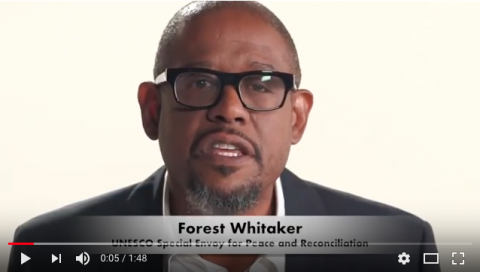 Global Message of Peace 2017 by Forest Whitaker, UNESCO Special Envoy for Peace and Reconciliation Year of publication: 2017 Corporate author: UNESCO International Institute for Capacity-Building in Africa (IICBA) Global Message of Peace 2017 by Forest Whitaker, UNESCO Special Envoy for Peace and Reconciliation Global Message of Peace 2017 by Forest Whitaker, UNESCO Special Envoy for Peace and Reconciliation Year of publication: 2017 Corporate author: UNESCO International Institute for Capacity-Building in Africa (IICBA) Global Message of Peace 2017 by Forest Whitaker, UNESCO Special Envoy for Peace and Reconciliation