
Resources
Explore a wide range of valuable resources on GCED to deepen your understanding and enhance your research, advocacy, teaching, and learning.
950 Results found
 International Guarantees to Protect the Right to Education in International Humanitarian Law (Thi Qar Arts Journal; vol. 33, no. 1) Year of publication: 2019 Author: Firas Jasim Corporate author: Dhi Qar University The right to education is one of the most important human rights that international law is keen to ensure its protection in times of peace and armed conflicts. International humanitarian law, along with other legal systems, reinforces legal provisions aimed at ensuring that individuals obtain their right to education, which is often violated in situations of armed conflict. The research was divided into three sections, the first included the concept of the right to education, while the second dealt with the mechanisms of international humanitarian law in protecting the right to education, while the third section presented legal means to confront violations of the right to education.
 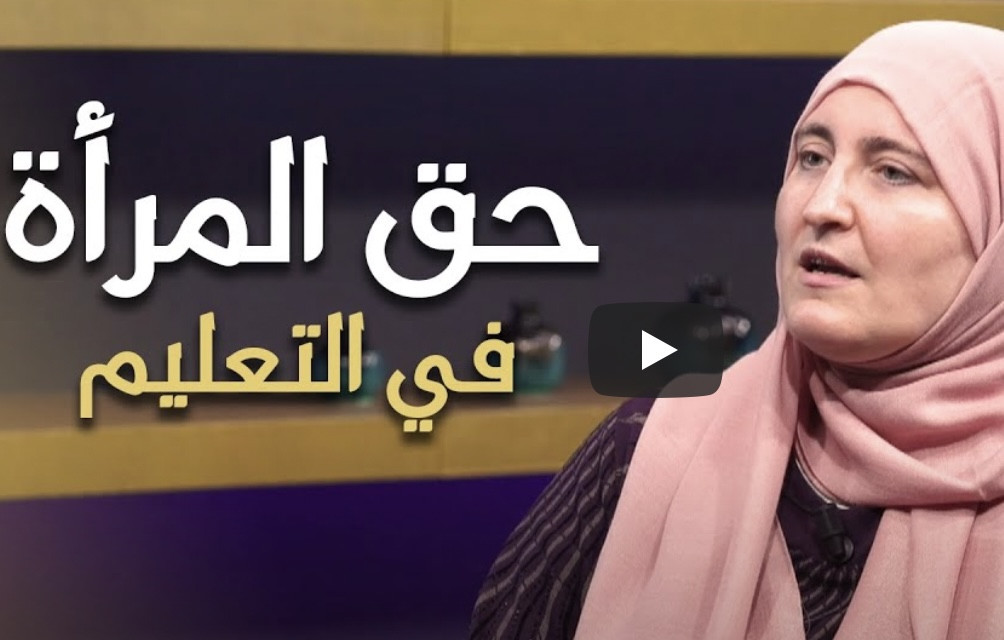 حق المرأة في التعليم Year of publication: 2021 Author: Alya Shaker Corporate author: Qaf TV الفيديو عبارة عن حلقة من برنامج "دولة النساء" في قناة قاف التفاعلية. الحلقة بعنوان "المرأة محقها في التعليم". تناولت فيها المذيعة الموضوع مع الدكتورة "نسيبة جلال". الحلقة ناقشت نظرة الدين الإسلامي الحنيف في حق المرأة في التعليم والأسباب الاجتماعية والاقتصادية التي كانت تمنع المرأة من التعلم وواقعها اليوم وما هي الآثار الإيجابية الكثيرة في حال تعليم المرأة من الناحية الشخصية والاجتماعية والاقتصادية. وأيضا تناقش الأسباب المساعدة على تيسير وتطبيق هذا الحق في أيامنا الحالية.
 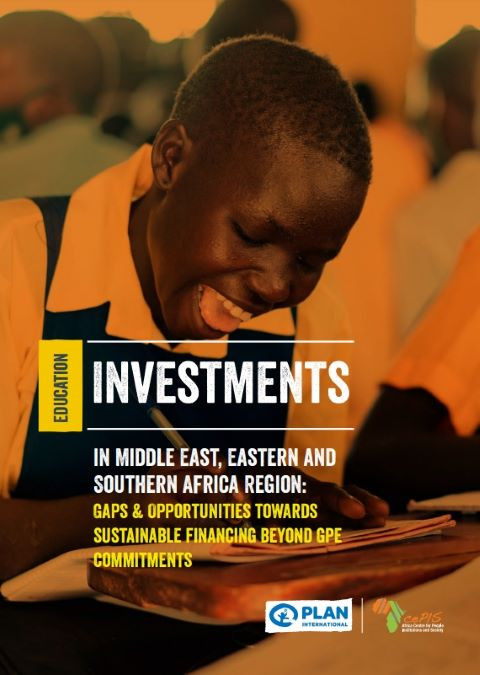 Education Investments in Middle East, Eastern and Southern Africa: Gaps & Opportunities Towards Sustainable Financing Beyond GPE Commitments Year of publication: 2022 Corporate author: Plan International To achieve the goals of the global and continental agendas of repositioning access, equity, quality education and skills development as key drivers of inclusive growth and sustainable development, African governments must provide a level of predictable and sustainable investment in education. With these strategic investments, African countries can change the status quo, accelerate the pace of catching up with the developed countries and be able to compete in an increasingly technology and knowledge-based world where skills have become the “global currency of the 21st century”. Plan International in Middle East, Eastern and Southern Africa commissioned a study to assess the extent to which the Education Sector budget is adequate, gender-responsive and inclusive and to analyse education budget trends between 2019 and 2021. The focus was to generate concrete evidence regarding trends in education sector budget allocations and expenditure. Furthermore, due to the recent pandemic, the study aimed to compare current and previous allocations to detect trends/patterns in allocations and any reallocations due to COVID-19. Specifically, the study sought to: Analyse allocations (and expenditure) to the education sector with a particular focus on initiatives aimed at supporting the provision of gender-responsive and disability-inclusive education in line with the country policies; Assess the efficiency of resource allocation and use against planned expenditure; and Recommend effective strategies for CSOs and citizens to advocate for education budget increase to or above 20% of the national budget and 6% of GDP. The study focused on 10 countries in the region – Kenya, Uganda, Zambia, Malawi, Zimbabwe, South Sudan, Tanzania, Egypt, Somalia and Rwanda. With a multi-pronged research process of budget tracking and analysis, policy analysis, political economy analysis and varied data collection methods – the research findings and recommendations are ready for wider dissemination and use.
  Sustainable Development in the State of Qatar: Achievements and Challenges Year of publication: 2008 Author: Nuzad Alhiti | Mohammed Almahindi Corporate author: Standing Committee for Housing This book deals with the theoretical frameworks of sustainable development and its applications in the State of Qatar. It has been divided into four chapters. The first chapter deals with a statement of the concept of sustainable development, its dimensions and the development it has witnessed, as well as clarification of the indicators of sustainable social, economic, environmental and institutional development. The second chapter reviews the institutional and legislative developments for sustainable development in the State of Qatar, and the most important initiatives undertaken by the state to achieve sustainable development, in addition to a statement of the most important strategies and policies developed by the state in the social, economic, environmental and institutional fields of sustainable development. As for the third chapter, it deals with the analysis of the most important indicators of sustainable social, economic, environmental and institutional development, and its strengths and weaknesses, while the fourth and final chapter reviews the most important challenges facing sustainable development in the State of Qatar.
 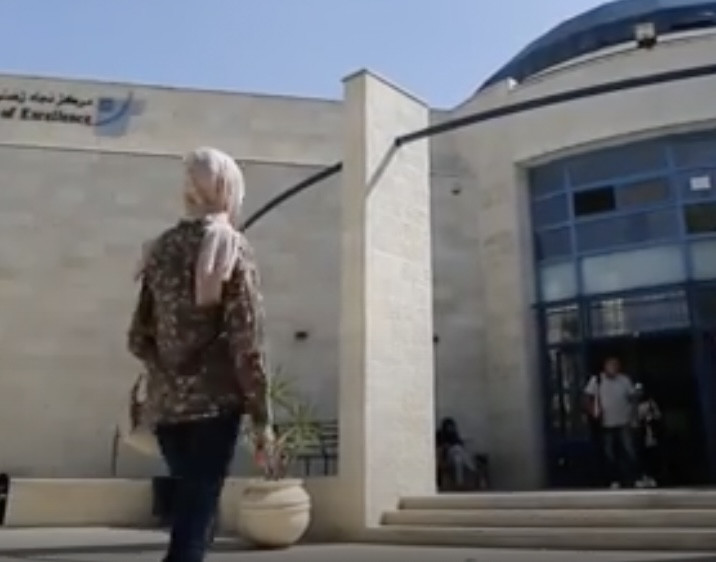 برنامج القيادة والمواطنة الفاعلة: رحلة تعلّم إبداعية لطلبة البكالوريوس Year of publication: 2018 Corporate author: Berziet University انطلاقاً من قناعة وإيمان جامعة بيرزيت برؤيتها لدورها باعتبارها مؤسسة ريادية بكافة مكوناتها تساهم في الإنتاج المعرفيّ ببعديه الوطني والعالمي، والتزامها برسالتها من خال «توفير بيئة مستنيرة ذات استقلاليّة تتيح حريّة الفكر والتعبير، وتحرص على الممارسات الديمقراطيّة والحوار، وتحفّز التميّز والإبداع والابتكار والرياديّة في التعليم والتعلُّم والبحث؛ لرفد المجتمع بالكفاءات والمعارف التي من شأنها قيادة التغيير والمساهمة في رقيّه وتقدمه، تم إطلاق برنامج القيادة والمواطنة الفاعلة «مساري » مع بداية العام الأكاديمي 2017 / 2018 ، ليعزز دور الجامعة في تطوير رؤية متجدّدة للتعليم، وليكون حافزاً للطلبة للبدء برسم مسار حياتهم وانخراطهم في محيطهم منذ اليوم الأول الذي يخطون فيه عتبة الجامعة، وذلك من خال منهج مجاور co-curricular يُنفّذ بالتوازي مع البرامج الأكاديمية والأنشطة المنهجية واللامنهجية، ويُعتبر جزءاً رئيسياً مكمّلاً لمسيرتهم التعليميّة وتجربتهم الجامعيّة.يستوحي برنامج مساري إطاره الفكريّ العام من تجربة وخبرة جامعة بيرزيت في تطوير الإطار المفاهيمي والبرامجي للمهارات الحياتية والتعليم من أجل المواطنة لمنطقة الشرق الأوسط وشمال إفريقي وذلك ضمن إطار مبادرة إقليمية مشتركة أطلقتها منظمة اليونيسف عام 2015 بالتعاون مع دول المنطقة ومؤسسات دوليّة. Leadership and Active Citizenship Program: A Creative Learning Journey for Undergraduate Students Year of publication: 2018 Corporate author: Berziet University Based on Birzeit University’s conviction and belief in its vision of its role as a pioneering institution with all its components that contribute to knowledge production in its national and global dimensions, and its commitment to its mission through “providing an enlightened and independent environment that allows freedom of thought and expression, is keen on democratic practices and dialogue, and stimulates excellence, creativity, innovation and leadership in education and learning.” To provide the community with competencies and knowledge that would lead change and contribute to its advancement, the Leadership and Active Citizenship Program “Masari” was launched at the beginning of the academic year 2017/2018, to enhance the university’s role in developing a renewed vision for education, and to be an incentive for students to start charting their life path and engaging with their surroundings. From the first day they cross the university's threshold, a co-curricular curriculum is implemented in parallel with the academic programs and curricular and extracurricular activities, and is a major and integral part of their educational career and university experience.The Massari program draws its general intellectual framework from the experience and expertise of Birzeit University in developing the conceptual and programmatic framework for life skills and citizenship education for the Middle East and North Africa, within the framework of a joint regional initiative launched by UNICEF in 2015 in cooperation with countries in the region and international institutions.
 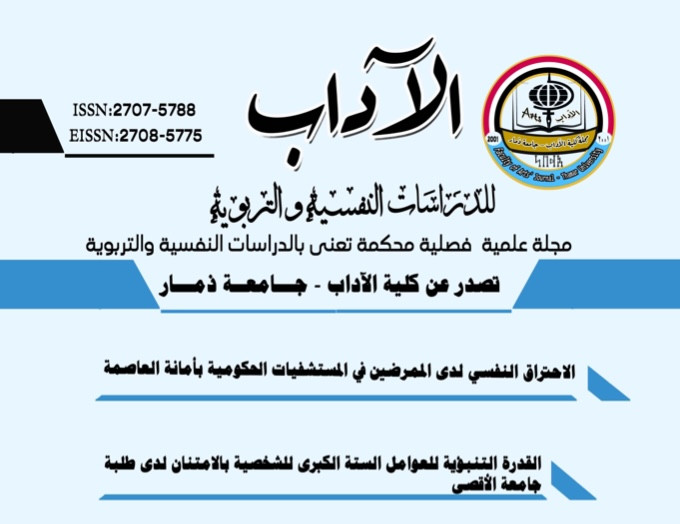 تحديات التعليم عن بعد التي تواجه الطلاب الذين يعانون من صعوبات التعلم من منظور المعلمين (الآداب للدراسات النفسية والتعليمية ؛ المجلد 1 ، رقم 14). Year of publication: 2022 Author: Abd al-Rahman al-Matroudi | Abdullah Al-Rubaian Corporate author: Dhamar University هدفت الدراسة الحالية إلى الكشف عن تحديات التعليم عن بعد التي تواجه الطلاب ذوي صعوبات التعلم بالمرحلة الابتدائية في منطقة القصيم من وجهة نظر المعلمين، في حين تكونت عينة الدراسة من (92) معلمًا من معلمي صعوبات التعلم في المدارس الابتدائية في منطقة القصيم، كان منهم (58) معلما، و(34) معلمة. وتم استخدام المنهج الوصفي المسحي، كما تم تصميم الاستبيان كأداة لجمع بيانات الدراسة. وتوصلت الدراسة إلى العديد من النتائج، من أهمها: عدم كفاية المعرفة من قِبَل معلمي صعوبات التعلم بالتعديلات اللازم إدراجها على المقرر لكي يناسب الطلاب خلال تعليمهم عن بعد. كما أثبتت النتائج وجود فروق دالة إحصائيًا في استجابات المعلمين حول تحديات التعليم عن بعد التي تواجه الطلاب ذوي صعوبات التعلم بالمرحلة الابتدائية ترجع لاختلاف الجنس، والفروق لصالح الذكور. كما قدمت الدراسة في نهايتها، وبناء على نتائجها، العديد من التوصيات لتوفير بدائل تعليمية فعالة من قبل المؤسسات التعليمة في حال مشكلات الاتصال، أو انقطاع الإنترنت تمكن الطلاب ذوي صعوبات التعلم من الاستمرار في التعلم وتحصيل
 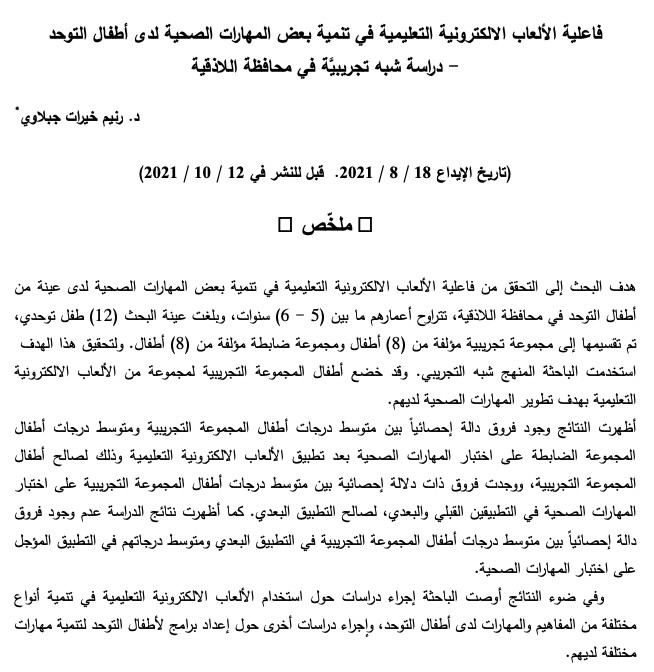 The Effectiveness of Educational Electronic Games in Developing Some Health Skills of Autistic Children Semi-Experimental Study in Lattakia Governorate (Tishreen University Journal for Research and Scientific Studies, Arts and Humanities; vol. 43, no. 5) Year of publication: 2021 Author: Raneem Jablawi Corporate author: Tishreen University "The aim of the research is to verify the effectiveness of educational electronic games in developing some health skills among a sample of autistic children in Lattakia Governorate, their ages ranged between (5-6) years, and the research sample amounted to (12) autistic children, which were divided into an experimental group consisting of (8) children and a control group consisting of (8) children. To achieve this goal, the researcher used the quasi-experimental method. The children of the experimental group were subjected to a set of educational electronic games in order to develop their health skills.The results showed that there were statistically significant differences between the average scores of the children of the experimental group and the average scores of the children of the control group on the health skills test after the application of educational electronic games, in favor of the children of the experimental group, and there were statistically significant differences between the average scores of the children of the experimental group on the health skills test in the two tribal applications. and dimensional, in favor of dimensional application. The results of the study also showed that there were no statistically significant differences between the average scores of the experimental group children in the post application and their average scores in the delayed application on the health skills test.In light of the results, the researcher recommended conducting studies on the use of educational electronic games in developing different types of concepts and skills for autistic children, and conducting other studies on preparing programs for autistic children to develop different skills for them."
 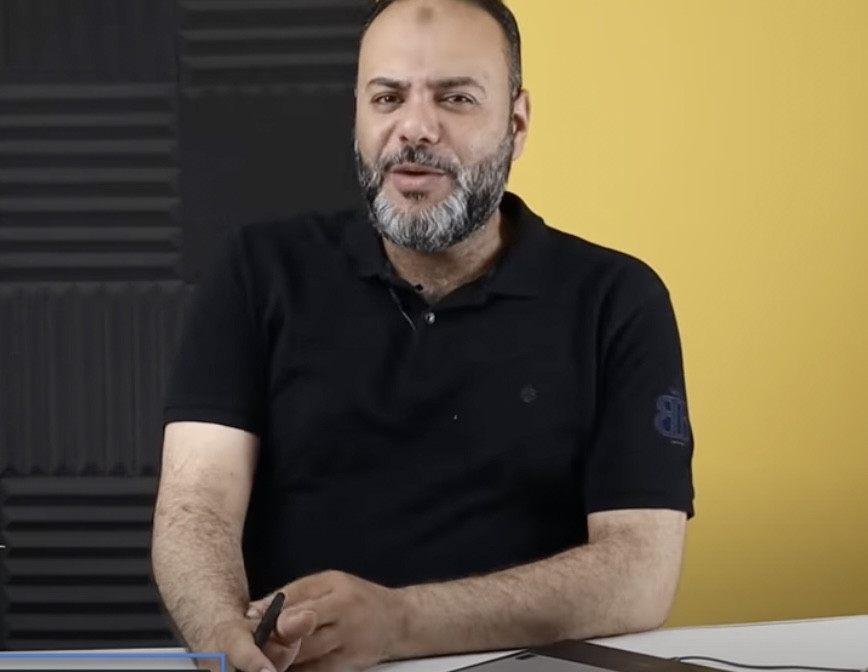 منهج تربية وطنية للصف الثالث الثانوي Year of publication: 2022 Author: Moahmmed Ali Corporate author: ELkheta Seniors يستعرض الفيديو حلقة كاملة عن منهج التربية الوطنية للصف الثالث الثانوي بمصر. يحاول المعلم أن يتحدث عن جميع المواضيع التي يحتويها المنهج، ويعمل مراجعة متكاملة للمنهج. يعتبر الفيديو مهم للطلبة الذين يدرسون باستقلالية لفهم مادة التربية الوطنية. National Education Curriculum for the Third Grade of Secondary Year of publication: 2022 Author: Moahmmed Ali Corporate author: ELkheta Seniors The video reviews a full episode of the national education curriculum for the third secondary grade in Egypt. The teacher tries to talk about all the topics included in the curriculum, and makes an integrated review of the curriculum. The video is important for students who study independently to understand civics.