
Resources
Explore a wide range of valuable resources on GCED to deepen your understanding and enhance your research, advocacy, teaching, and learning.
884 Results found
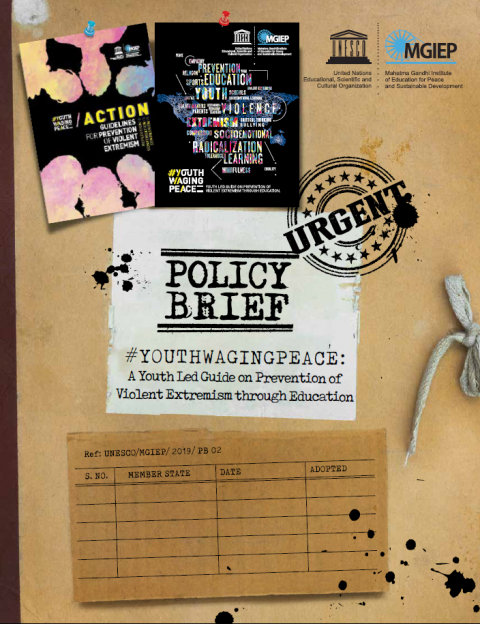 [Policy Brief] YOUTH WAGING PEACE: A Youth Led Guide on Prevention of Violent Extremism through Education Year of publication: 2019 Corporate author: Mahatma Gandhi Institute of Education for Peace and Sustainable Development (MGIEP) The #YouthWagingPeace guidebook is a document for anyone interested in understanding Violent Extremism and exploring the relationship between Education and Prevention of Violent Extremism (PVE). Led by 2 dynamic Coordinating Lead Authors and 5 Lead/Chapter Authors, the guide garnered over 2000 youth submissions/case studies, and finally integrated over 150 case study submissions from young educators and practitioners from 50+ countries. #YouthWagingPeace guidebook provides a set of actionable guidelines for PVE to teachers, school administrators, policy makers, family, religious leaders and other informal influencers.
  The role of the education system in preventing manifestations of religious extremism in Central Asia Year of publication: 2013 Author: A. Abdirayymova | R. Zharkynbaeva The article discusses the role of the education system in preventing the manifestation of religious extremism through the prism of social, economic and cultural development. Роль системы образования в предотвращении проявлений религиозного экстремизма в Центральной Азии Year of publication: 2013 Author: A. Abdirayymova | R. Zharkynbaeva В статье рассматривается роль системы образования предоствращения проявления религиозного экстремизма через призму социального, экономического и культурного развития.
 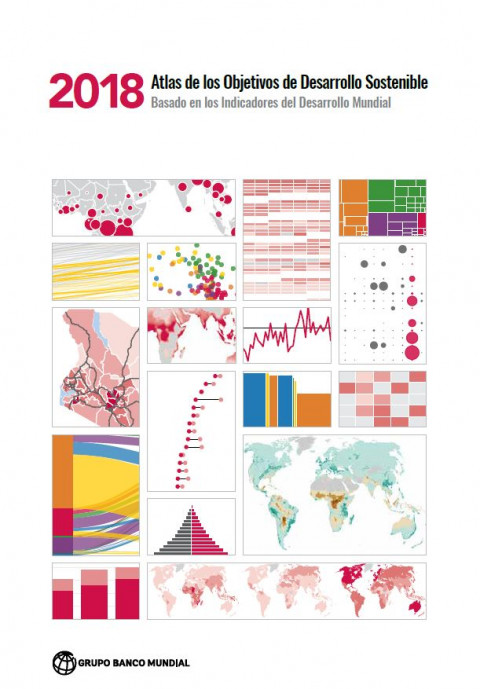 Atlas de los Objetivos de Desarrollo Sostenible 2018 Year of publication: 2018 Corporate author: البنك الدولي للانشاء والتعمير En el Atlas de los Objetivos de Desarrollo Sostenible 2018 se presentan mapas, gráficos e historias relacionadas con los ODS.Los datos provienen de la base de datos de los WDI. Atlas des Objectifs de développement durable 2018 Year of publication: 2018 Corporate author: البنك الدولي للانشاء والتعمير L’Atlas des Objectifs de développement durable 2018 présente des cartes, des diagrammeset des histoires concernant les Objectifs de développement durable (ODD).Les informations s’appuient sur la base de données des Indicateurs du développement dans le monde (WDI). أطلس أهداف التنمية المسـتدامة 2018 من مؤ ات التنمية العالمية Year of publication: 2018 Corporate author: البنك الدولي للانشاء والتعمير يعرض أطلس أهداف التنمية المستدامة 2018 خرائط ورسوما بيانية وقصصا متعلقة بأهداف التنمية المستدامة. وهو يناقش االتجاهات والمقارنات وقضايا القياس باستخدام بيانات مرئية يمكن الوصول إليها وتبادلها. وتستند البيانات على قاعدة بيانات مؤشرات التنمية العالمية Atlas of the Sustainable Development Goals 2018 Year of publication: 2018 Corporate author: البنك الدولي للانشاء والتعمير Atlas of the Sustainable Development Goals 2018 presents maps, graphs and stories related to the SDGs. It discusses trends, comparisons and measurement issues using visible and accessible data. The data are based on the World Development Indicators database.
 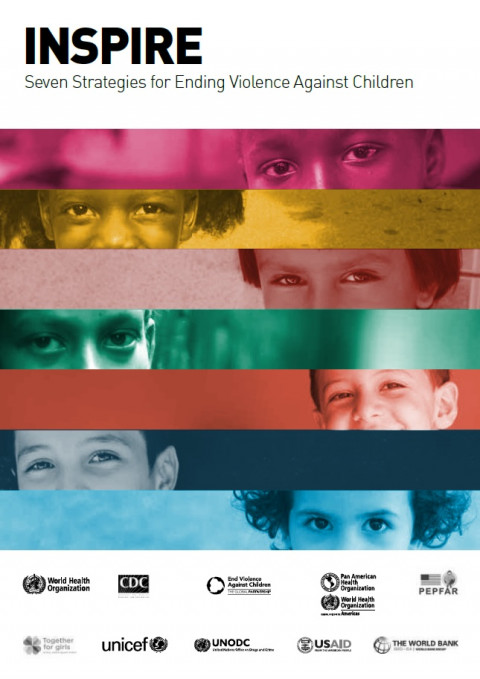 INSPIRE: Seven strategies for Ending Violence Against Children Year of publication: 2016 Corporate author: World Health Organization (WHO) Evidence-based resource for everyone committed to preventing and responding to violence against children and adolescents – from government to grassroots, and from civil society to the private sector. It represents a select group of strategies based on the best available evidence to help countries and communities intensify their focus on the prevention programmes and services with the greatest potential to reduce violence against children. The seven strategies are: Implementation and enforcement of laws; Norms and values; Safe environments; Parent and caregiver support; Income and economic strengthening; Response and support services; and Education and life skills. Additionally, INSPIRE includes two cross-cutting activities that together help connect and strengthen – and assess progress towards – the seven strategies.
 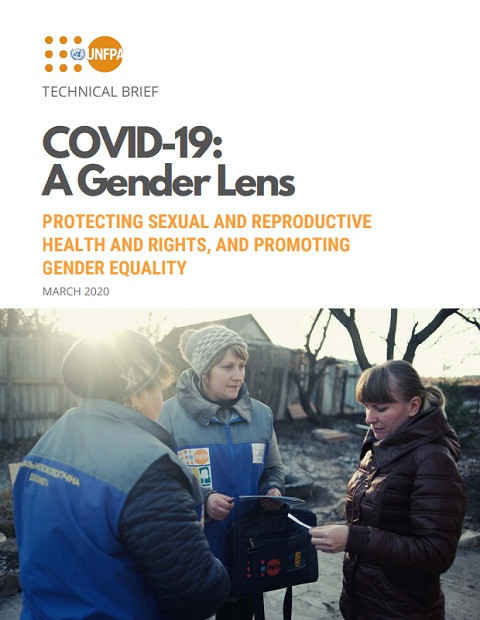 فيروس كورونا المستجد (كوفيد- 19): من منظور النوع الاجتماعي; حماية الصحة والحقوق الجنسية والإنجابية وتعزيز المساواة بين الجنسين Year of publication: 2020 Corporate author: United Nations Population Fund (UNFPA) يؤثر تفشى الأمراض تأثيرآ مختلفآ على النساء والرجال، تجعل الأوبئة أوجه عدم المساواة القائمة ضد النساء والفتيات والتمييز بين الفئات المهمشة الأخرى، مثل الأشخاص ذوي الإعاقة والأشخاص الذين يعيشون في فقر مدقع، أسوأ. يجب الأخذ في الأعتبار هذا الأمر عند النظر إلى التأثيرات المختلفة المحيطة بعمليات أكتشاف المرض والحصول على العلاج بالنسبة النساء والرجال.تمثل المرأة 70 بالمائة من القوى العاملة بالقطاع الصحي والاجتماعي على مستوى العالم، وينبغي إيلاء اهتمام خاص لكيفية تعرضهن للتمييز في بيئة عملهن، وكذلك التفكير في صحتهن الجنسية والإنجابية واحتياجاتهن النفسية كعاملات صحيات يعملن في الخطوط الأمامية. COVID-19: A Gender Lens; Protecting Sexual and Reproductive Health and Rights, and Promoting Gender Equality Year of publication: 2020 Corporate author: United Nations Population Fund (UNFPA) Disease outbreaks affect women and men differently, and pandemics make existing inequalities for women and girls and discrimination of other marginalized groups such as persons with disabilities and those in extreme poverty, worse. Women represent 70 percent of the health and social sector workforce globally and special attention should be given to how their work environment may expose them to discrimination, as well as thinking about their sexual and reproductive health and psychosocial needs as frontline health workers. This technical brief provides key messages and recommendations for protecting sexual and reproductive health and rights, and promoting gender equality during the COVID-19 pandemic.