
Resources
Explore a wide range of valuable resources on GCED to deepen your understanding and enhance your research, advocacy, teaching, and learning.
132 Results found
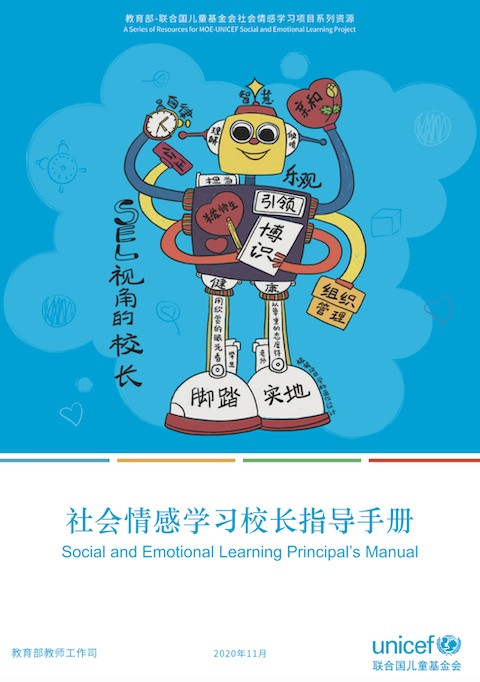 Social and Emotional Learning Principle's Manual Year of publication: 2020 Corporate author: China. Ministry of Education | United Nations Children's Fund (UNICEF) This manual is for principals who are key person in implementing social and emotional learning. It includes suggestions on school development planning, management system improvement, teachers' professional development and home-school cooperation etc. 社会情感学习校长指导手册 Year of publication: 2020 Corporate author: China. Ministry of Education | United Nations Children's Fund (UNICEF) 该手册专门为校长开发,为校长推进社会情感学习提供指导建议,包括学校发展规划、管理制度建设、教师教学改进、家校社区合作等方面。旨提升校长管理能力。
 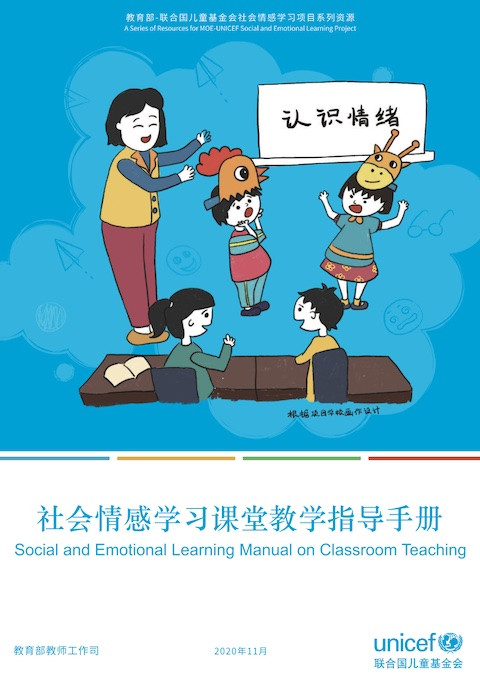 Social and Emotional Learning Manual for Classroom Teaching Year of publication: 2020 Corporate author: China. Ministry of Education | United Nations Children's Fund (UNICEF) This manual provides specific suggestions for teachers for classroom teaching. It aims to resolve teachers' confusion and challenge during teaching practice of social and emotional learning, such as how to effectively achieve the expected learning outcome, promote students' participation and improve student-teacher interaction etc. 社会情感学习课堂教学指导手册 Year of publication: 2020 Corporate author: China. Ministry of Education | United Nations Children's Fund (UNICEF) 该手册是用于为教师开展社会情感学习的课堂教学提供指导,包括如何达到教学目标、如何组织教学环节、如何改进师生互动、如何提升学生学习体验等,旨在帮助教师解决教学中的困惑与挑战。
 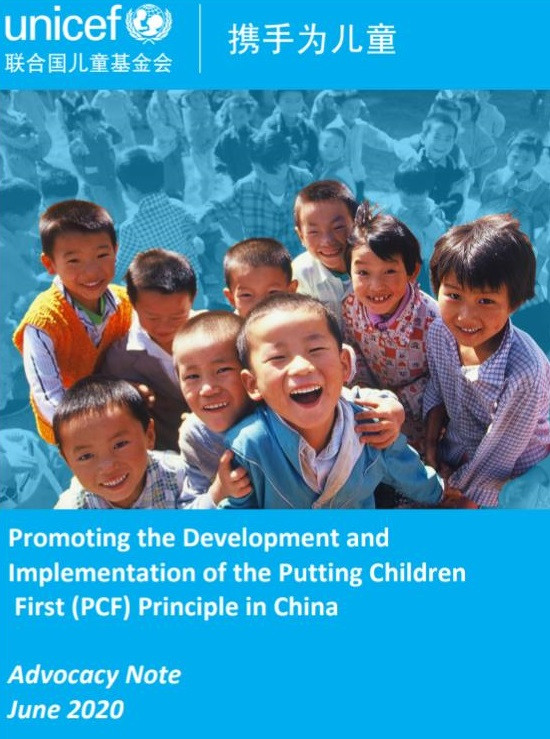 Promoting the Development and Implementation of the Putting Children First (PCF) Principle in China Advocacy Note Year of publication: 2020 Corporate author: UNICEF China This report summarises UNICEF's policy recommendations for promoting the well-being of children in China and the implementation of the Children First principle, including the pathway for macro policy development in China, the challenges faced, and related policy recommendations. 推动中国贯彻和实施 “儿童优先”原则倡导建议书 Year of publication: 2020 Corporate author: UNICEF China 本报告总结了联合国儿基会关于推动中国儿童福祉发展和落实“儿童优先“原则的相关政策建议,包括中国宏观政策的发展路径,所面临的挑战,以及相关的政策建议。
 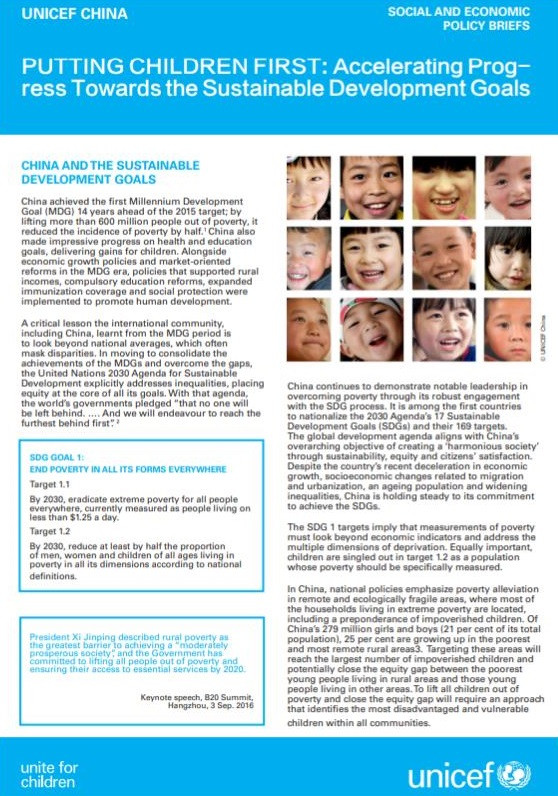 Putting Children First Accelerating Progress Towards the Sustainable Development Goals Year of publication: 2016 Corporate author: UNICEF China This report summarises the challenges and achievements in implementing the Sustainable Development Goals and safeguarding children's rights in China, and makes policy recommendations. 将儿童置于首位:加快实现可持续发展目标 Year of publication: 2016 Corporate author: UNICEF China 本报告总结了中国在落实可持续发展目标与保障儿童权益方面所面临的挑战与取得的成就,并提出政策建议。
 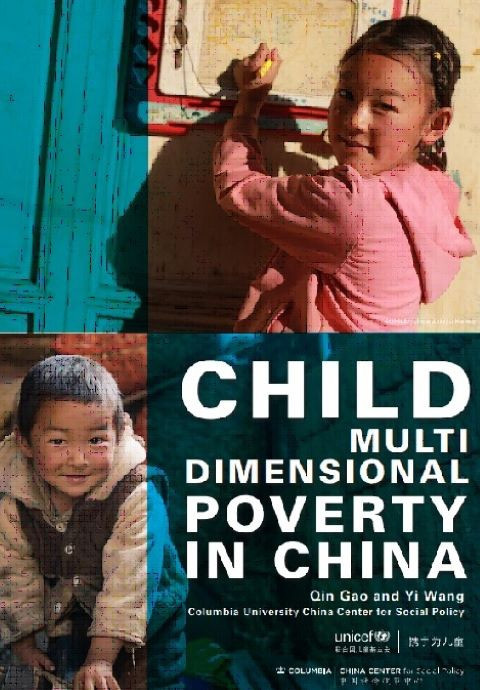 Child Multidimensional Poverty in China:From 2013 to 2018 Year of publication: 2022 Author: Qin Gao | Yi Wang Corporate author: China Center for Social Policy | UNICEF China This study measures the levels, trends and patterns of child poverty in China from an income and multidimensional perspective, providing adequate data analysis for policy makers and the public. 中国的儿童多维贫困:2013—2018 年 Year of publication: 2022 Author: Qin Gao | Yi Wang Corporate author: China Center for Social Policy | UNICEF China 本研究报告从收入和多维角度衡量中国的儿童贫困的水平、趋势和模式,为决策者和公共提供充分的数据分析。