
Resources
Explore a wide range of valuable resources on GCED to deepen your understanding and enhance your research, advocacy, teaching, and learning.
3,438 Results found
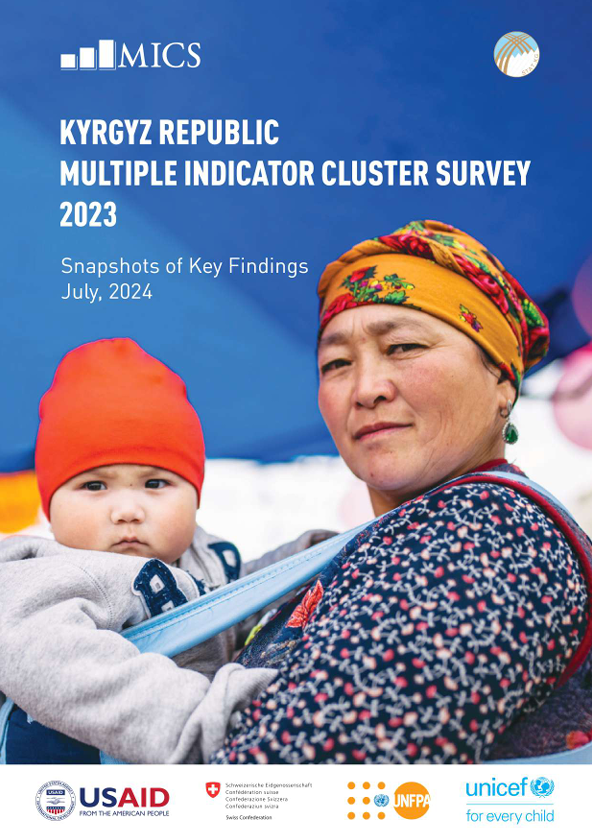 Kyrgyz Republic Multiple Indicator Cluster Survey 2023: Snapshots of Key Findings July, 2024 Year of publication: 2024 Corporate author: National Statistical Committee of the Kyrgyz Republic | UNICEF Kyrgyzstan | United Nations Population Fund (UNFPA) | United States Agency for International Development (USAID) | Government of Switzerland The 5th round of Multiple Indicator Cluster Survey (MICS) covers 7,200 households across Kyrgyzstan, measuring 185 indicators related to healthcare, education, and social protection for women and children. MICS 2023 produced data for 32 global Sustainable Development Goal (SDG) indicators, disaggregated by key characteristics such as gender, age, geographic location, income level and disability. Кластерное обследование по многим показателям в Кыргызстане 2023: Обзор основных статистических данных Июль 2024г. Year of publication: 2024 Corporate author: National Statistical Committee of the Kyrgyz Republic | UNICEF Kyrgyzstan | United Nations Population Fund (UNFPA) | United States Agency for International Development (USAID) | Government of Switzerland Национальный статистический комитет КР презентовал результаты нового Кластерного обследования по многим показателям (КОМП). В рамках исследования, было опрошено 7,2 тыс. домохозяйств по всему Кыргызстану по 185 показателям, связанных со здравоохранением, образованием и социальной защитой женщин и детей. В результате КОМП-2023 были собраны данные для 32 глобальных показателей Целей устойчивого развития (ЦУР), дезагрегированные по ключевым признакам, таким как пол, возраст, географическое положение, уровень дохода и наличие инвалидности.
  Законодательное обеспечение гендерного равенства в Киргизской Республкие (Бюллетень науки и практики; Т. 8. №8.) Year of publication: 2022 Author: Марзабаева Бакты Токтомаматовна и др. Актуальностью отмечается роль вклада НПО и женского движения Кыргызстана в расширении и укреплении национального законодательства для достижения гендерного равенства. Целью исследования является анализ законодательной базы обеспечения гендерного равенства в Кыргызстане, которая формировалась в постсоветский период за годы независимости.
  Роль женщины в современной науке (Oriental Renaissance; № 4(1) Year of publication: 2024 Author: Касимова Асаль Арслановна Важным направлением государственной политики Нового Узбекистана является достижение гендерного равенства, обеспечение прав, свобод и законных интересов женщин, усиление их роли в общественной и государственной жизни. В частности, проводится большая работа по широкому вовлечению женщин в научную деятельность, поддержке их программных разработок и инновационных идей.
  Внедрение инклюзивного образования в начальной школе. Отчего зависит успешность внедрения? (Международный научный журнал «ВЕСТНИК НАУКИ»; № 4 (73) Том 2) Year of publication: 2024 Author: Бейбитгул Шакаримкызы Турганбаева | Айгуль Бахтыровна Иксанова В статье анализируется внедрение инклюзивного образования в начальной школе.
  A Comprehensive Methodology for Monitoring Social Media to Address and Counter Online Hate Speech Year of publication: 2024 Corporate author: UN. Office on Genocide Prevention and the Responsibility to Protect This report introduces a standardized methodology for monitoring online hate speech, to identify, assess, and mitigate risks, including when it constitutes risks of genocide, war crimes, and crimes against humanity. This methodology is based on an extensive review of existing methodologies used for this purpose across academia, technology companies, governments, the United Nations, and NGOs, and synthesizes those approaches into a standard set of practices that best fit the use cases relevant to the UN and its partners.
  민주시민교육으로서 세계시민교육(사회와 철학; Vol 44) Year of publication: 2022 Author: 박구용 Corporate author: 한국사회와철학연구회 이 글의 주된 목적은 민주시민교육의 지평에서 세계시민교육의 바른길을 찾아보는 것이다. 이 글은 민주시민교육과 세계시민교육이 모두 인권과 주권, 공공성과 친밀성이 교차하는 지점에서 이루어져야 한다는 관점을 대변한다. 이 관점에서 보면 두 교육 모두 국민주권과 세계시민권을 행사하지 못하는 사람들이 겪는 위기와 고통에 반응해야 한다(1). 더구나 팬데믹을 통해 우리는 민주주의와 세계 민주주의가 분리될 수 없는 조건을 경험하고 있다(2). 그런 논의를 기반으로 이 글은 하버마스(J. Habermas)의 도움을 받아 인권과 주권의 상호제약성을 기초로 주권으로서 세계시민권이 가능하기 위한 틀을 그려본다(3). 그런 다음 민주시민교육의 실태를 기반으로 세계시민교육의 방향을 짚어보고(4), 친밀성으로서 인간 사랑의 가치를 살핀다(5).
 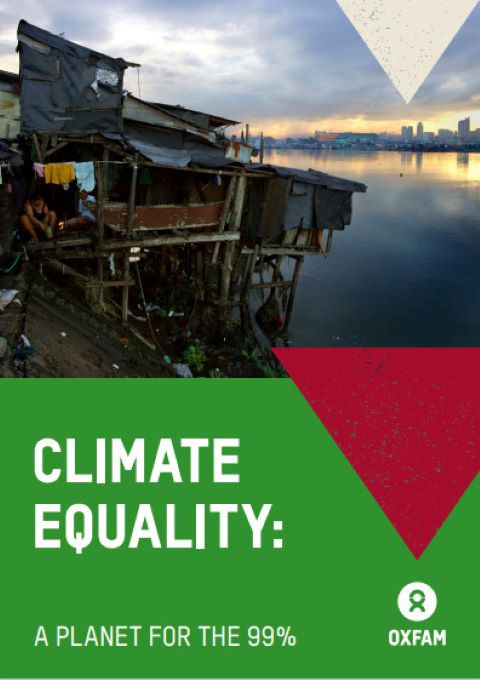 Climate Equality: A Planet for the 99% Year of publication: 2023 Author: Ashfaq Khalfan | Astrid Nilsson Lewis | Carlos Aguilar | Max Lawson | Safa Jayoussi | Jacqueline Persson | Nafkote Dabi | Sunil Acharya Corporate author: Oxfam International The world faces twin crises of climate breakdown and runaway inequality. The richest people, corporations and countries are destroying the world with their huge carbon emissions. Meanwhile, people living in poverty, those experiencing marginalization, and countries in the Global South are those impacted the hardest. Women and girls, Indigenous Peoples, people living in poverty and other groups experiencing discrimination are particularly at a disadvantage. The consequences of climate breakdown are felt in all parts of the world and by most people, yet only the richest people and countries have the wealth, power and influence to protect themselves. With that power comes huge responsibility.If no action is taken, the richest will continue to burn through the carbon we have left to use while keeping the global temperature below the safe limit of 1.5°C, destroying any chance of ending poverty and ensuring equality. The world needs an equal transformation. Only a radical reduction in inequality, transformative climate action and fundamentally shifting our economic goals as a society can save our planet while ensuring wellbeing for all.
 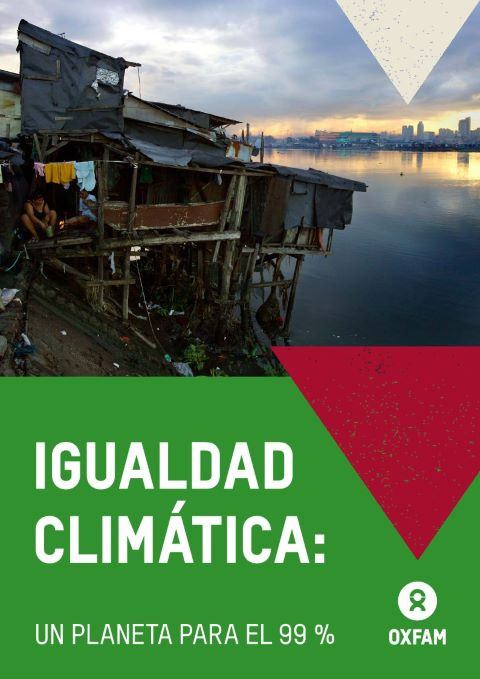 Climate Equality: A PLANET FOR THE 99%; Executive Summary Year of publication: 2023 Author: Ashfaq Khalfan | Astrid Nilsson Lewis | Carlos Aguilar | Max Lawson | Safa Jayoussi | Jacqueline Persson | Nafkote Dabi | Sunil Acharya Corporate author: Oxfam International The world faces twin crises of climate breakdown and runaway inequality.The richest people, corporations and countries are destroying the world with their huge carbon emissions. Meanwhile, people living in poverty, those experiencing marginalization, and countries in the Global South are those impacted the hardest. Women and girls, Indigenous Peoples, people living in poverty and other groups experiencing discrimination are particularly at a disadvantage. The consequences of climate breakdown are felt in all parts of the world and by most people, yet only the richest people and countries have the wealth, power and influence to protect themselves. With that power comes huge responsibility.If no action is taken, the richest will continue to burn through the carbon we have left to use while keeping the global temperature below the safe limit of 1.5°C, destroying any chance of ending poverty and ensuring equality. The world needs an equal transformation. Only a radical reduction in inequality, transformative climate action and fundamentally shifting our economic goals as a society can save our planet while ensuring wellbeing for all. Igualdad cl imática : UN PLANETA PARA EL 99 %; Resumen ejecutivo Year of publication: 2023 Author: Ashfaq Khalfan | Astrid Nilsson Lewis | Carlos Aguilar | Max Lawson | Safa Jayoussi | Jacqueline Persson | Nafkote Dabi | Sunil Acharya Corporate author: Oxfam International NOS ENFRENTAMOS a una CRECIENTE crisis climática y de desigualdad. Las personas, las grandes empresas y los países más ricos están destruyendo el planeta con sus elevadas emisiones de carbono. Mientras tanto, las personas que se encuentran en situación de pobreza, relegadas a la exclusión, y los países del Sur Global son quienes sufren los peores efectos. Las mujeres, las niñas, los pueblos indígenas, las personas que viven en situación de pobreza, y los grupos discriminados son los más vulnerables. Las consecuencias de la crisis climática se hacen visibles en todo el planeta y afectan a la mayoría de la población. Sin embargo, solo aquellas personas y países con acceso a la riqueza, el poder y la influencia están a salvo. Un gran poder conlleva una gran responsabilidad. Necesitamos medidas. De lo contrario, los más ricos seguirán consumiendo de manera masiva el carbono que nos está permitido utilizar dentro del límite de emisiones considerado seguro (para limitar el calentamiento a 1,5 °C), lo que elimina sistemáticamente cualquier posibilidad de acabar con la pobreza y garantizar la igualdad. El mundo pide a gritos una transformación equitativa: exigimos una reducción drástica de la desigualdad, una acción climática transformadora y un cambio fundamental en nuestros objetivos económicos conjuntos para salvar el planeta y garantizar el bienestar para todas las personas.