
Resources
Explore a wide range of valuable resources on GCED to deepen your understanding and enhance your research, advocacy, teaching, and learning.
3,790 Results found
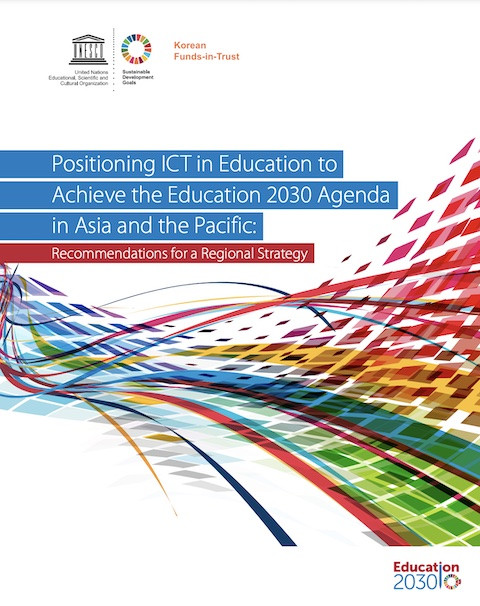 Positioning ICT in Education to Achieve the Education 2030 Agenda in Asia and the Pacific: Recommendations for a Regional Strategy Year of publication: 2018 Author: Hyojeong So | Kyungsim Yeon | Kyungsim Yeon | Jian Xi Teng Corporate author: UNESCO Bangkok This regional study is an important document for Asia-Pacific Member States as it consolidates data related to the effective use of ICT in education. One highlight of this study is the five priority areas for the use of ICT towards achieving SDG4 and Education 2030 that were identified based on a synthesis of the data:ICT for transforming and expanding TVET and higher education ICT for improving teacher qualityICT for improving access to and quality of secondary education ICT for enabling inclusive and equitable learningICT for monitoring and evaluation
 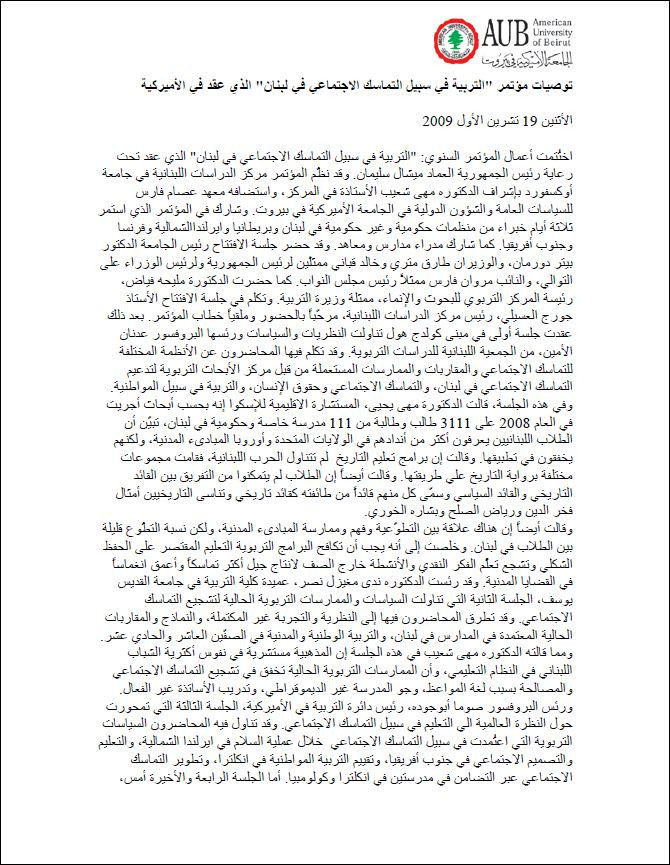 توصيات مؤتمر " التربية في سبيل التماسك الاجتماعي في لبنان " Year of publication: 2009 Corporate author: American University of Beirut الملف عبارة عن التوصيات التي خرج بها مؤتمر "التربية والتماسك الاجتماعي في لبنان"، والذي أقيم بالجامعة الامريكية في بيروت. التوصيات تتعاطى مع تحديات التماسك الاجتماعي في لبنان باختلاف طوائفه ومكوناته العرقية. أستمر هذا المؤتمر ثلاث أيام وحضرها مجموعة من المشاركين من لبنان وخارجه. Recommendations of the Conference on "Education for Social Cohesion in Lebanon" Year of publication: 2009 Corporate author: American University of Beirut The file is a summary of the recommendations that came out of the "Education and Social Cohesion in Lebanon" conference, which was held at the American University in Beirut. The recommendations deal with the challenges of social cohesion in Lebanon with its different sects and ethnic components. This conference lasted for three days and was attended by a group of participants from Lebanon and abroad.
 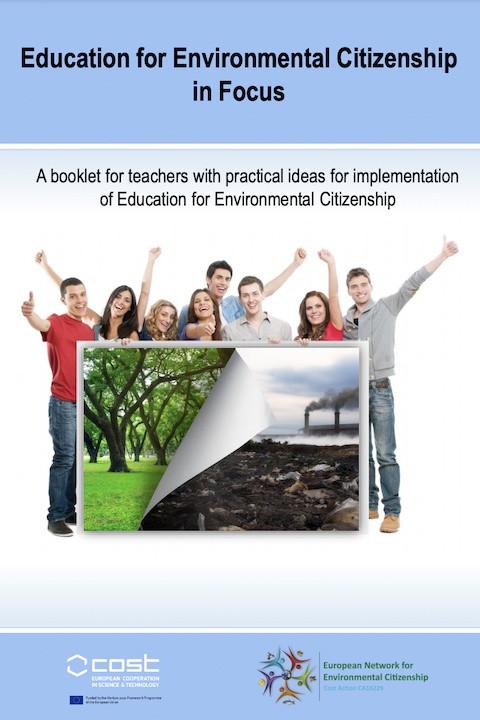 Una visión nítida de la Educación para la Ciudadanía Ambiental: Una publicación para profesorado con ideas prácticas para trabajar la Ciudadanía Ambiental a través de la educación Year of publication: 2019 Corporate author: European Network for Environmental Citizenship (ENEC) La Red Europea para la Ciudadanía Ambiental (ENEC) – financiada como Acción COST (CA16229-Horizon 2020) – aúna a más de 130 expertos de 38 países con el objetivo de mejorar la comprensión, práctica y evaluación de la Ciudadanía Ambiental en Europa y en los países participantes. El concepto de Ciudadanía Ambiental ha sido influyente en muchos ámbitos como la economía, la política, la filosofía, la gestión y el comercio y se podría desarrollar y aplicar mejor en el ámbito de la educación. La actual crisis ambiental, el cambio climático, la pérdida de biodiversidad y la contaminación requieren de una educación que permita el empoderamiento de los ciudadanos. La educación juega un papel clave en la formación de la futura ciudanía. El enfoque didáctico para una ciudadanía ambiental es una metodología que apunta en esta dirección. Esta metodología propone diferentes pasos y etapas, aunque no es obligatorio seguirlos todos o aplicarlos en un determinado orden. Dependiendo de las circunstancias, del problema ambiental que se esté tratando, del nivel educativo, (p. ej. Primaria o Secundaria) o del contexto (p. ej. formal o no formal), se pueden llevar a cabo unas adaptaciones u otras. Focus sur l’Éducation à la Citoyenneté Environnementale: Un livret pour les enseignants avec des idées pratiques pour l’éducation à la citoyenneté environnementale (EEC) Year of publication: 2019 Corporate author: European Network for Environmental Citizenship (ENEC) Le réseau européen pour la citoyenneté environnementale – European Network for Environmental Citizenship (ENEC) – financé en tant qu’Action COST (CA16229-Horizon 2020) – a réuni plus de 120 experts venant de 38 pays dans l’objectif d’améliorer la compréhension, la pratique et l’évaluation de la Citoyenneté Environnementale en Europe et dans lespays participants. La Citoyenneté Environnementale a été un concept influant dans de nombreux champs – économie, politique, philosophie, management organisationnel et entrepreneurial, marketing – et pourrait également être mieux exploitéeet davantage établie dans le champ de l’éducation. La crise environnementale contemporaine avec le changement climatique, perte de la biodiversité, pollution de l’air et tous les autres problèmes environnementaux locaux et globaux exigent une éducation à même d’habiliter des citoyens environnementaux. L’éducation joue un rôle clé dans la construction des futurs citoyens environnementaux. L’approche pédagogique de l’Éducation à la Citoyenneté Environnementale est une proposition qui va dans ce sens. L’approche recommande des éléments spécifiques tels des stades et étapes, mais il n’est pas obligatoire de tous les suivre ou de les appliquer selon un ordre linéaire particulier. Selon le problème environnemental à l’étude, le niveau d’éducation (par ex. primaire ou secondaire) et le mode éducatif (par ex. formel ou non-formel), les différenciations et adaptations nécessaires peuvent être faites.
  Media and Information Literacy in the Digital Age: How to Teach the Teachers Year of publication: 2021 Corporate author: UNESCO Institute for Information Technologies in Education (IITE) This publication includes articles reflecting some trends in the development of the digital media environment, approaches to the formation of media and information literacy (MIL), practices describing the experience of implementing MIL training for teachers and students of various levels and forms of education. The publication also contains recommendations aimed to integrate MIL into teacher education and professional development.
 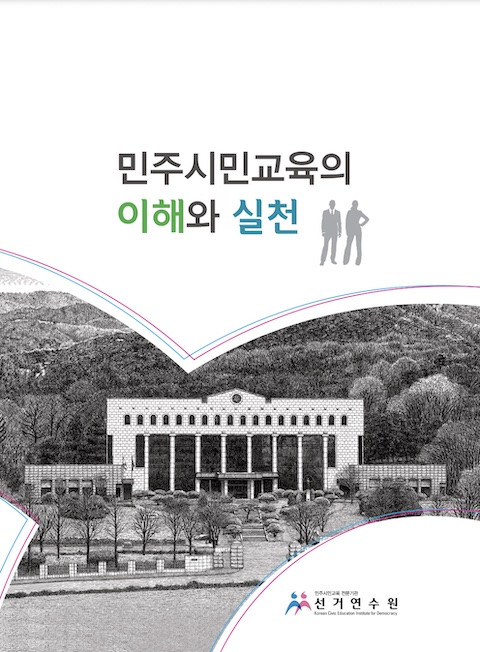 민주시민교육의 이해와 실천 Year of publication: 2017 Author: 주선미 | 이광식 | 신은영 | 강병덕 Corporate author: 중앙선거관리위원회 선거연수원 본 자료는 민주시민교육의 개념 및 방법에 대한 체계적인 지침과 안내를 목적으로 발간되었으며, 민주시민교육 강의에 필요한 기본 이론학습서이다. 민주시민교육의 의의 및 내용과 방법, 외국의 민주시민교육 사례, 민주시민교육의 현황과 과제 등을 주요 내용으로 담았다.본 저작물은 선거연수원에서 2017년 작성하여 공공누리 제 2유형으로 개방한 ‘민주시민교육의 이해와 실천’ 을 이용하였으며 해당 저작물은 선거연수원 (www.civicedu.go.kr)에서 무료로 다운받으실 수 있습니다.
  민주시민과 청년의 삶 Year of publication: 2018 Author: 가상준 | 서현진 | 신두철 | 이현출 | 장성훈 | 조진만 Corporate author: 중앙선거관리위원회 선거연수원 본 자료는 청년 대상 민주시민교육 강의에 필요한 심화 이론학습에 활용하도록 구성되었다. 청년세대가 민주시민교육 강의 및 자료를 통해 민주주의 변화상을 이해하고 우리 사회의 미래 주체로서 삶의 자세를 정립 시키는데 목적이 있다.본 저작물은 선거연수원에서 2018년 작성하여 공공누리 제 2유형으로 개방한 ‘민주시민과 청년의 삶’ 을 이용하였으며 해당 저작물은 선거연수원 (www.civicedu.go.kr)에서 무료로 다운받으실 수 있습니다.
  Manual for Reporting Violent Extremism and Terrorism Year of publication: 2021 Corporate author: Albanian Media Institute Contemporary journalists and media are responsible for informing the public, but this is made challenging in the age of disinformation and when citizens are victims of “false” information, sometimes as a result of propaganda produced by extremist or terrorist groups.This new circumstance requires a new ethical and professional awareness. In this context, Albanian Media Institute convened a group of experts that created a set of guidelines that media can follow when covering violent extremism and terrorism. These are based in part on international texts, the UNESCO handbook for journalists Terrorism and the media and other professional guidelines, as well as on the experience of the Albanian media coverage of violent extremism. The guidelines review current legal regulation that affects media coverage; the basic principles of editorial work and reporting; particular nuances and features to consider when covering terrorism; the role of social media; and the challenge of hate speech that might incite violent extremism and terrorism. Ethical journalists are rightly wary of being told how to do their job so we recognize that the reality of reporting terrorism cannot be limited by a strict instruction manual. These suggestions are therefore offered as potential guidance, providing reporters and editors who cover these issues with thoughts and ideas that may help them deal with professional challenges they face in their everyday work.
  Global Education and Climate Change: Looking at Climate Change Education Through the Lens of Global Education Year of publication: 2020 Author: Douglas Bourn | Knut Hjelleset Corporate author: Global Education Network Europe (GENE) This briefing aims to address how Global Education can contribute to the discourses and practices around education for climate change. It will also look at the benefits of seeing Climate Change Education through the lens of Global Education. There will be a recognition that within Global Education, themes of social justice, importance of a pedagogy of hope, participatory learning approaches and the skills of critical thinking can enrich the traditional approaches to learning about climate change. Finally, the briefing notes the impact of the various movements by young people on the climate emergency, and what can be learnt from these activities for Global Education policies and practices.