
Resources
Explore a wide range of valuable resources on GCED to deepen your understanding and enhance your research, advocacy, teaching, and learning.
1,180 Results found
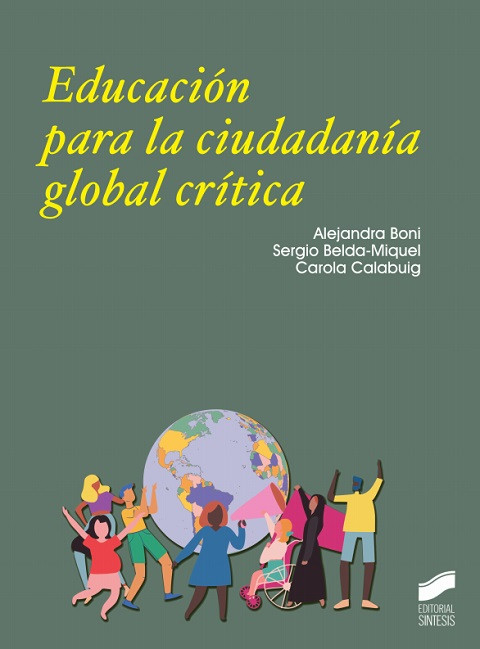 Educación para la ciudadanía global crítica Year of publication: 2020 Author: Alejandra Boni | Sergio Belda-Miquel | Carola Calabuig-Tormo Corporate author: Editorial Síntesis Este libro presenta la propuesta de la educación para la ciudadanía global crítica. Se trata de una invitación a articular una educación transformadora que resulte adecuada para generar una ciudadanía consciente, activa, movilizada, capaz de autoorganizarse, de oponer resistencias, de proponer alternativas y de encontrar caminos distintos ante la actual crisis multidimensional que ataca las bases de la convivencia y las propias condiciones que permiten la vida en el planeta.Las autoras y el autor del presente libro pretenden que este texto sirva, precisamente, para adquirir esa conciencia y para descubrir caminos para ponerla en práctica. Aunque se centra sobre todo en el ámbito educativo formal, ofrece también propuestas y reflexiones para el ámbito no formal y el informal e, incluso, para el diseño de políticas públicas.
 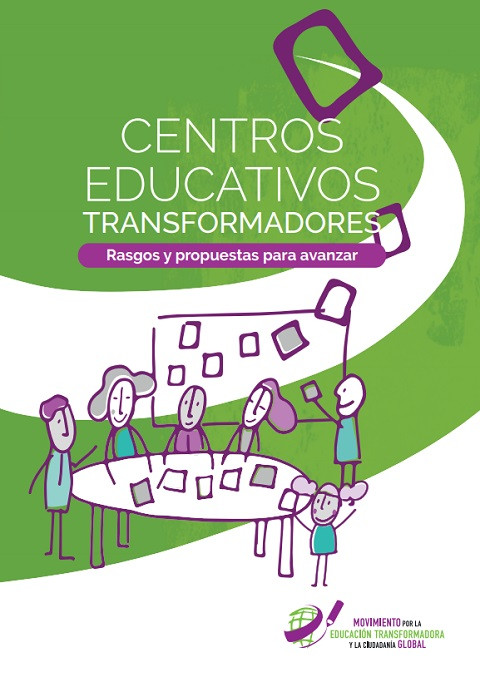 Centros educativos transformadores: Rasgos y propuestas para avanzar Year of publication: 2018 Author: Guillermo Aguado de la Obra | Yénifer López Ramos | Ani Urretavizcaya Loinaz | Elisabet Santpere Baro Corporate author: Movimiento por la educación transformadora y la ciudadanía global | Oxfam Intermón | InteRed | Entreculturas | ALBOAN Este documento es un marco teórico y práctico de innovación pedagógica para la incorporación de la Educación Transformadora para la Ciudadanía Global en el centro educativo.
  The Future of Education in Europe with Brikena Xhomaqi (LLLP) Year of publication: 2020 Author: Brikena Xhomaqi Corporate author: Bridge 47 Brikena Xhomaqi is the director of the Life Long Learning Platform (LLLP), an organisation that promotes life long learning and advocates for access to quality education for all. In this episode, Brikena discusses the future of education in Europe and the challenges and possibilities for global citizenship education.
  What's in a Word? The Problem with 'Development' with Dr Karen Pashby Year of publication: 2020 Author: Karen Pashby Corporate author: Bridge 47 Dr Karen Pashby is a Reader at Manchester Metropolitan University and is also part of Bridge 47's Knowledge Exchange Partnership.In this episode, Karen explores development through a post/de-colonial lens, discussing how development is viewed in public discourse and how these effects the field of Development Education.
 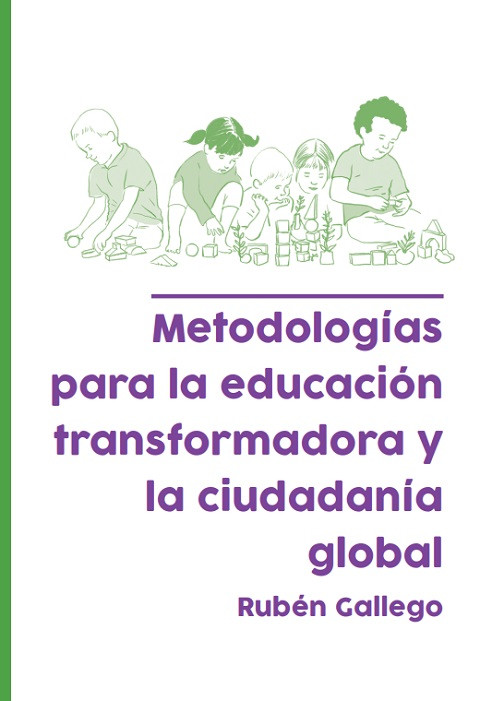 Metodologías para la educación transformadora y la ciudadanía global Year of publication: 2018 Author: Rubén Gallego Corporate author: InteRed | Agencia Vasca de Cooperación al Desarrollo | Diputación Foral de Bizkaia La Pedagogía de los cuidados hace necesaria buscar metodologías que sean coherentes con lo que busca, y por ello, diferentes de la tradicional forma enseñanza – aprendizaje. Necesitamos una metodología que haga primero vivenciar las cosas, sentirlas, para teorizarlas después; una metodología que rescate el valor pedagógico del juego, del encuentro, que apueste por el impacto terapéutico del afecto. Es necesario estar convencidos de que una sola vivencia, una experiencia, puede más que miles de palabras. Por ello, en este módulo, presentamos tres grupos de metodologías, con dos propuestas metodológicas cada una: Las metodologías lúdicas: juego cooperativo y Ludopedagogía Las metodologías artísticas: técnicas ludicoteatrales y Arteterapia. Las metodologías experienciales: Aprendizaje-Servicio con enfoque de derechos y Aprendizaje Basado en Proyectos transformadores con mirada global.
 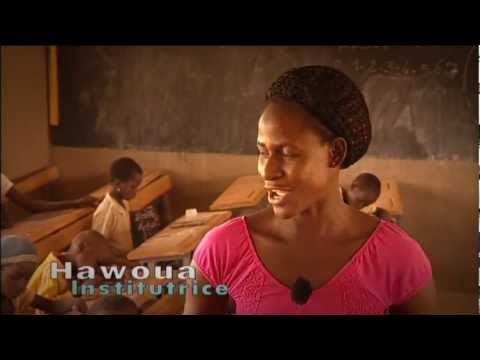 Migrations et développement Year of publication: 2012 Corporate author: Îles de Paix Tous les enfants ne vont pas à l'école au Burkina Faso. Mais il existe des solutions qui permettent d'améliorer la situation : construction d'écoles, de logements de maître, théâtre forum dans les villages ou encore la construction de barrages et l'installation de forages.
 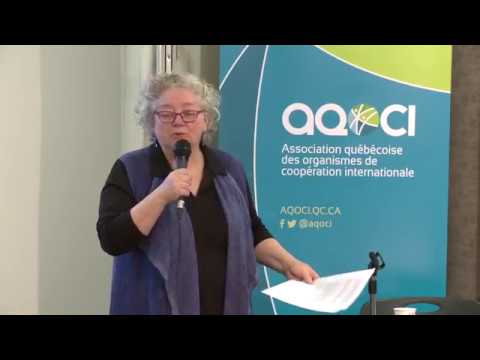 1er rendez-vous de l'éducation à la citoyenneté mondiale: Mot d'ouverture Year of publication: 2017 Corporate author: Association québécoise des organismes de coopération internationale (AQOCI) La Directrice générale de l’AQOCI, Michèle Asselin, souhaite la bienvenue aux personnes participantes du 1er rendez-vous de l’AQOCI sur l’éducation à la citoyenneté mondiale. Elle a expliqué sur la valeur de l’éducation à la citoyenneté mondial et souligné comme ci-dessous :« L’ÉCM promeut des valeurs et des comportements qui encouragent le changement social et la solidarité internationale »
 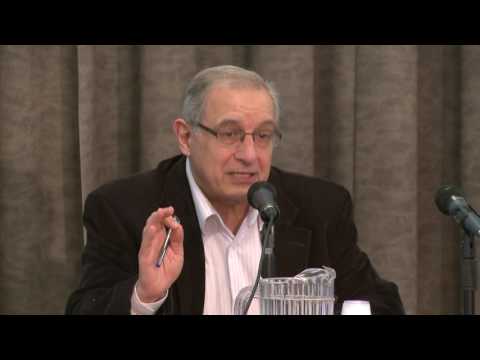 1er rendez-vous de l'éducation à la citoyenneté mondiale de l'AQOCI: Panel d'experts Year of publication: 2017 Corporate author: Association québécoise des organismes de coopération internationale (AQOCI) Panel d'experts: l'ÉCM en contextes social et scolaire.Rachad Antonius, professeur de sociologie à l’UQÀM, chercheur, consultant et personne-ressource dans les milieux de la solidarité internationale, propose des éléments de réflexion sur l’éducation, sur le rôle de différents intervenants – militants, OCI, chercheurs et intellectuels - en ÉCM, sur le sens et les dimensions du concept de citoyenneté dans le contexte et face aux enjeux actuels et sur les réponses que le travail en ÉCM est appelé à apporter face à la mondialisation.La présentation de Marie-Hélène Chastenay, responsable de l’éducation interculturelle à la Direction des services d’accueil et d’éducation interculturelle du ministère de l’Éducation et de l’Enseignement supérieur (MÉES), examine l’apport de l’ÉCM à l’éducation des jeunes du Québec; l’intégration actuelle de l’ÉCM aux curriculums et à la vie scolaires; les enjeux et les défis de l’ÉCM en milieux scolaires et académiques et le rôle des organismes de coopération internationale et de la société civile dans la promotion de l’ÉCM en contextes scolaires et académiques.
 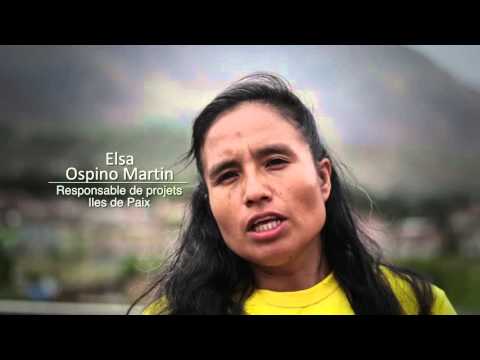 Quand les communes du Pérou prennent le relais Year of publication: 2015 Corporate author: Îles de Paix L’idée de durabilité a toujours été centrale à toutes les actions d’Iles de Paix. Et pour parvenir à cette durabilité, il est primordial de travailler avec les communes. En effet, la présence des ONG n’est que temporaire alors que les communes, elles, seront toujours là. Ce reportage explique comment cela se passe au Pérou.
  Culture Diversity: Intercultural Education Guide in Secondary Classrooms Corporate author: Federación de la Enseñanza de UGT Extremadura Pedagogical material that accompanies the campaign carried out by the FETE-UGT so that, in all the centers of Extremadura, the fight against racism and intercultural education are a strategy to achieve equal opportunities and world citizenship education, preventing violent, racist, homophobic or intolerant behavior. It is aimed at young people between 12 and 16 years old and includes games and activities to do with young people.