
Resources
Explore a wide range of valuable resources on GCED to deepen your understanding and enhance your research, advocacy, teaching, and learning.
1,405 Results found
 Out in the Open: Education Sector Responses to Violence Based on Sexual Orientation or Gender Identity/Expression: Summary Report Year of publication: 2016 Corporate author: UNESCO Violence in schools and other educational settings is a worldwide problem. Students who are perceived not to conform to prevailing sexual and gender norms, including those who are lesbian, gay, bisexual or transgender (LGBT), are more vulnerable. Violence based on sexual orientation and gender identity/expression, also referred to as homophobic and transphobic violence, is a form of school-related gender-based violence. It includes physical, sexual and psychological violence and bullying and, like other forms of school-related violence, can occur in classes, playgrounds, toilets and changing rooms, on the way to and from school and online. This report summarises the findings of a global review, commissioned by UNESCO, of homophobic and transphobic violence in schools and education sector responses.
 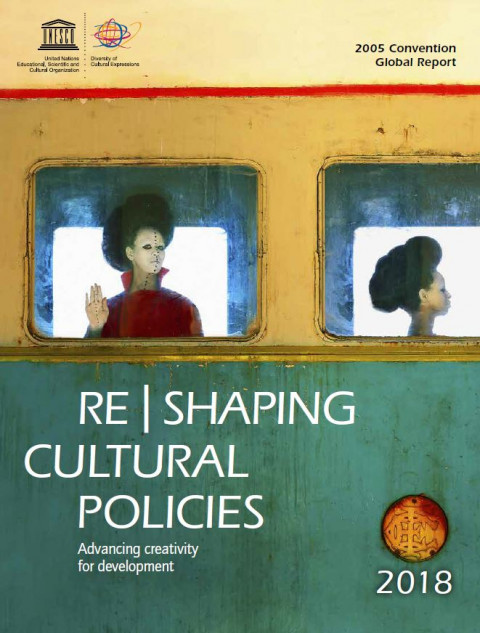 문화정책의 (재)구성: 발전을 위한 창의성 증진; 문화다양성 협약 글로벌 리포트, 2018 Year of publication: 2018 Corporate author: 유네스코 '글로벌 리포트(Global Report)' 시리즈는 유네스코 「문화적 표현의 다양성 보호과 증진에 관한 협약(2005)」의 이행을 모니터링하기 위해 기획되었다. 본 시리즈는 이러한 이행 과정이 UN의 2030 지속가능발전목표 및 세부목표를 달성하는 데 어떻게 기여하는지 증거를 통해 보여주고 있다.2018년 글로벌 리포트는 2015년에 첫 번째 리포트가 출간된 이후 협약을 이행하면서 이루어진 진전 사항을 분석하고 있다.본 보고서는 협약 당사국들이 제출한 국가보고서에 대한 분석과 그와 관련된 새로운 연구 결과를 바탕으로 협약이 10개의 모니터링 분야에서 세계 및 국가 수준의 정책 변화에 어떻게 영향을 주었는지 검토하고 있다. 또한 본 보고서는 디지털 환경의 급속한 변화에 맞는 문화정책을 다루면서 인권과 기본적 자유를 기반으로 하는 향후 일련의 정책 권고안을 제시하고 있다.이 두 편의 글로벌 리포트는 문화정책을 수립하고 발전을 위한 창의성을 증진시킬 수 있는 새롭고 가치 있는 증거를 제시하기 시작하고 있다. Re|shaping Cultural Policies: Advancing Creativity for Development; 2005 Convention Global Report, 2018 Year of publication: 2018 Corporate author: UNESCO The Global Report series has been designed to monitor the implementation of the UNESCO Convention on the Protection and Promotion of the Diversity of Cultural Expressions (2005). It also provides evidence of how this implementation process contributes to attaining the United Nations 2030 Sustainable Development Goals and targets.The 2018 Global Report analyses progress achieved in implementing the 2005 Convention since the first Global Report was published in 2015.Grounded in the analysis of the Quadrennial Periodic Reports submitted by Parties to the Convention and relevant new findings, this report examines how the 2005 Convention has inspired policy change at the global and country level in ten areas of monitoring. It puts forward a set of policy recommendations for the future, addressing the adaptation of cultural policies to rapid change in the digital environment, based on human rights and fundamental freedoms.When deployed together, the two editions of the Global Report are beginning to produce new and valuable evidence to inform cultural policy making and advance creativity for development.
  教科文组织在实施全球公民教育以及促进和平与人权教育和可持续发展教育中的作用和责任 Year of publication: 2015 Corporate author: UNESCO This document is an addendum to document 196 EX/32. This item was included in the provisional agenda of the 196th session of the Executive Board at the request of Austria and Italy
  Regional Consultation Meeting on SDG4-Education 2030: Europe and North America Region, Paris, 24-25 October Year of publication: 2016 Corporate author: UNESCO Réunion de consultation régionale sur l'ODD 4: Education 2030, Etats d'Europe et d'Amérique du Nord, Paris, 24-25 octobre 2016 Year of publication: 2016 Corporate author: UNESCO
 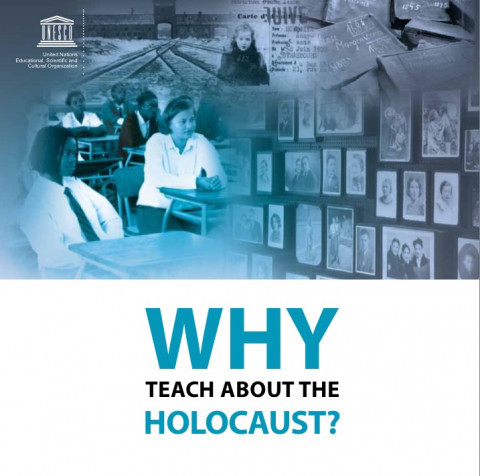 Why Teach about the Holocaust? Year of publication: 2014 Corporate author: UNESCO The Holocaust was a turning point in human history. Understanding the genocide of the Jewish people and other crimes perpetrated by the Nazi regime remains of great signi cance in the modern world.Regardless of where we live or who we are, learning about this universal history can help engage students in a critical re action about the roots of genocide and the necessity to nurture peace and human rights to prevent such atrocities in the future.This short introduction provides an essential overview on education about the Holocaust that can support policymakers, educators and students alike in their understanding of genocide and why it is vital that we continue to teach about the Holocaust today. Repenser les politiques culturelles: la créativité au coeur du développement; Rapport mondial Convention 2005, 2018 Year of publication: 2018 Corporate author: UNESCO La série des Rapports mondiaux a été conçue pour faire le suivi de la mise en oeuvre de la Convention de l’UNESCO sur la protection et la promotion de la diversité des expressions culturelles (2005). Elle sert également à montrer comment ce processus contribue à la réalisation des Objectifs de développement durable des Nations Unies à l’horizon 2030.Le Rapport mondial 2018 analyse les progrès accomplis dans la mise en oeuvre de la Convention de 2005 depuis la publication du premier Rapport mondial en 2015.A partir des rapports périodiques quadriennaux soumis par les Parties à la Convention et de nouvelles analyses, ce Rapport examine comment la Convention de 2005 a inspiré des changements politiques aux niveaux mondial et national dans dix domaines clés de l’action politique. Il propose un ensemble de recommandations politiques pour le futur et met l’accent sur l’adaptation des politiques culturelles, fondées sur les droits de l’homme et les libertés fondamentales, afin de faire face aux transformations rapides suscitées par l’environnement numérique.
 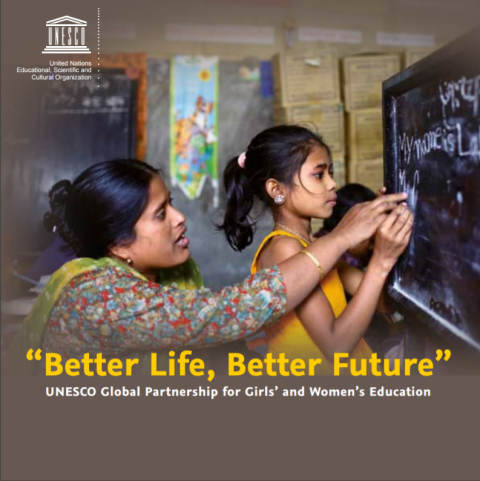 Better Life, Better Future: UNESCO Global Partnership for Girl's and Women's Education Year of publication: 2011 Corporate author: UNESCO “Better Life, Better Future”, UNESCO’s global partnership for girls’ and women’s education, addresses two main areas requiring increased attention – secondary education and adult literacy. It will seek to introduce programmes aimed at stemming the dropout of adolescent girls in the transition from primary to secondary education and in lower secondary schools, as well as focus on scaling up women’s literacy programmes through stronger advocacy and partnerships. As a first step, and in complement to other United Nations initiatives, UNESCO has recently concluded several dynamic public and private partnerships, which stand to benefit marginalized girls and women in Africa and Asia.
 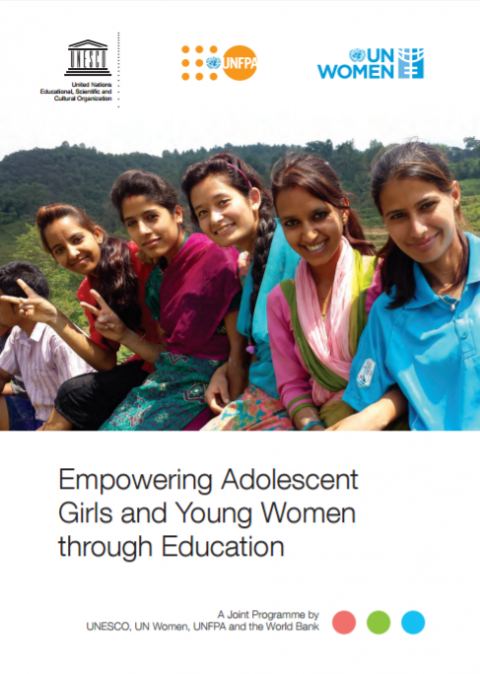 Empowering Adolescent Girls and Young Women through Education Year of publication: 2015 Corporate author: UNESCO