
Resources
Explore a wide range of valuable resources on GCED to deepen your understanding and enhance your research, advocacy, teaching, and learning.
80 Results found
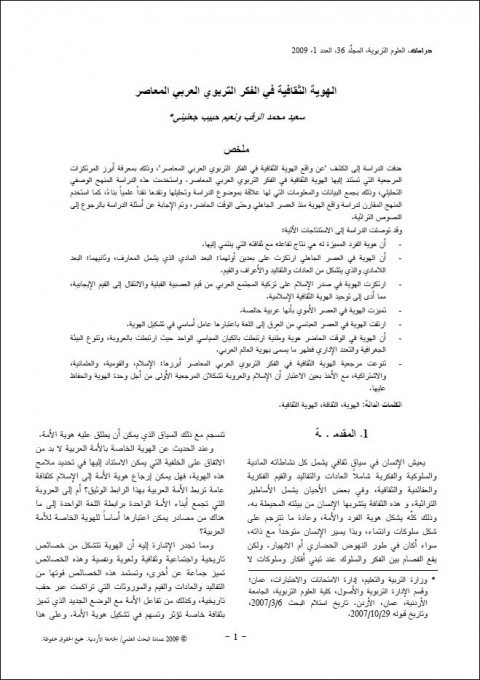 الهوية الثقافية في الفكر التربوي العربي المعاصر Year of publication: 2009 Author: الرقب، سعيد محمد Corporate author: University of Jordan هدفت الدراسة إلى الكشف عن واقع الهوية الثقافية في الفكر التربوي العربي المعاصر، وذلك بمعرفة أبرز المرتكزات المرجعية التي تستند إليها الهوية الثقافية في الفكر التربوي العربي المعاصر. وقد توصلت الدراسة إلى الاستنتاجات التالية: 1) أنّ هوية الفرد المميزة له هي نتاج تفاعله مع ثقافته التي ينتمي إليها. 2) أنّ الهويّة في العصر الجاهلي ارتكزت على بعدين أوّلهما: البعد المادي الذي يشمل المعارف، وثانيهما: البعد اللامادي والذي يتشكل من العادات والتقاليد والأعراف والقيم. 3) إرتكزت الهوية في صدر الإسلام على تزكية المجتمع العربي من قيم العصبية القبلية والانتقال إلى القيم الإيجابية، مما أدى إلى توحيد الهوية الثقافية الإسلامية. 4) تميّزت الهوية في العصر الأموي بأنّها عربية خالصة. 5) ارتفعت الهوية في العصر العباسي من العِرق إلى اللغة باعتبارها عاملاً أساسياً في تشكيل الهوية. 6) أنّ الهوية في الوقت الحاضر هوية وطنية ارتبطت بالكيان السياسي الواحد حيث ارتبطت بالعروبة، وتنوع البيئة الجغرافية والتعدد الإداري فظهر ما يسمّى بهويّة العالم العربي. 7) تنوّعت مرجعيّة الهوية الثقافيّة في الفكر التربوي المعاصر أبرزها: الإسلام، والقوميّة، والعلمانيّة، والاشتراكية، مع الأخذ بعين الاعتبار أنّ الإسلام والعروبة يُشكلان المرجعيّة الأولى من أجل وحدة الهويّة والحفاظ عليها. Cultural Identity in Contemporary Arab Educational Thought Year of publication: 2009 Author: الرقب، سعيد محمد Corporate author: University of Jordan The study aimed at revealing the reality of the “Cultural Identity” in the contemporary Arab thought, by tracing the most important references that the” Cultural Identity” stemmed from This study followed a descriptive analytic method: information and data related to the study were gathered, analysed and evaluated. The comparative method is used as well to study the reality of “the Identity”, from Pre-Islam era till present.The study concluded the followings: 1. A person’s Identity that distinguishes him is a result of his interaction with his culture that he belongs to. 2. In pre-Islam era, the identity was based on two dimensions: the first was physical and this included knowledge; the second was non-physical and was formulated from habits, traditions, customs, and values. 3. In the Early Islamic period, identity was based on the elimination of tribal fanatical values and on the transformation into positive values. That lead to the unification of the Islamic cultural identity. 4. In the Umayyad period, the identity was featured by its pure Arab identity. 5. In the Abbasid period, the identity elevated from the ethnic level to the language level which is considered as integral factor for identity formulation. 6. At present, “the Identity” is a national one aligned with the one political status, and connected with Arabism, the varied geographical environments and the administrative diversity, and hence appeared what is called the 'identity of the Arab World'. 7. The references of the “cultural identity” in the modern educational thought are multi, the most prominent of these elements are Islam, nationalism, secularism and socialism, while taking into consideration that Islam and Arabism are the first references for the unification and preservation of the identity.
  التماسك الإجتماعي وعلاقته بكل من الاغتراب الثقافي وأزمة الهوية والقيم الأخلاقية لدى طلاب وطالبات المرحلة الثانوية Year of publication: 2017 Author: الزهراني، علي بن مستور Corporate author: International Group for Consulting and Training (IGCT) هدف البحث الحالي إلى كشف العلاقة الارتباطية بين التماسك الاجتماعي وكل من الاغتراب الثقافي وأزمة الهوية والقيم الأخلاقية. وشملت عينة البحث (221) طالبا وطالبة ممن يدرسون في المرحلة الثانوية بمدينة جدة، تم اختيارهم بطريقة عشوائية، وأشارت نتائج البحث إلى وجود علاقة ارتباطية موجبة بين التماسك الاجتماعي وكل من القيم الأخلاقية وأزمة الهوية والاغتراب الثقافي. كما أشارت نتائج البحث إلى عدم وجود فروق بين الطلاب والطالبات على مقياس التماسك الاجتماعي. The Relationship Between Social Cohesion and Cultural Alienation and Identity Crisis and Moral Values among High School Students Year of publication: 2017 Author: الزهراني، علي بن مستور Corporate author: International Group for Consulting and Training (IGCT) The current research aimed to detect the relationship between social cohesion, on one hand, and cultural alienation, the identity crisis and moral values among high school's students, on the other. The participants of this research were (221) students from high school in Jeddah city. The results showed a positive correlation between social cohesion, cultural alienation, identity crisis and moral values. The study's results also pointed that there were no differences between male and female students on the social cohesion scale.
  صورة الآخر في الخطاب التربوي المغربي بين طموح الأهداف ومحدودية التأثير Year of publication: 2014 Author: حميد، عبد الإله Corporate author: International Group for Consulting and Training (IGCT) تعالج الدراسة صورة الآخر في الكتب والبرامج المدرسية المغربية الخاصة بالمرحلة الثانوية الإعدادية، وتمثلات عينة من أساتذة هذه المرحلة التعليمية. وتحاول هذه الدراسة تشخيص طبيعة على تقنية تحليل صورة الآخر في برامج كتب التاريخ اعتمادا على المضمون، والذي يقوم على استخراج الإشارات والعبارات التي تخص الموضوع، وتبويبها في فئات موضوعاتية بقصد رسم صورة عامة للآخر. وقد تم الاعتماد أيضا على الإستبانة لرصد تمثلات عينة من مدرسي مادة التاريخ حول الآخر. وبناء على نتائج التحليل أشارت أهم التوصيات المتوصل إليها إلى ضرورة تصحيح الاختلالات والمشاكل التي تميز مقاربة البرامج الحالية لموضوع تمثل الآخر مع الدعوة إلى بناء مقاربة جديدة تقوم على مبادئ التربية على التنوع الثقافي، باعتبارها إطارا ناظما للقيم والإجراءات المعتمدة للتربية في مجتمع متعدد الثقافات كالمجتمع المغربي. The Image of the Other in Moroccan Educational Programs between Ambitious Objectives and Limited Efficiency Year of publication: 2014 Author: حميد، عبد الإله Corporate author: International Group for Consulting and Training (IGCT) This study aims to shed light on the image of ‘the Other’ in Moroccan schools’ curricula, at the secondary and preparatory levels, including teachers. The study addresses the image of the Other in of history books and school programs. It attempts to diagnose the nature of the image of the Other in history books using content analysis techniques that is based on the extraction of relevant signs and phrases and classifying them into thematic categories in order to draw a general picture of the Other.The study used a questionnaire to monitor a sample of among history teachers regarding their representations of the Other. The study tried to provide a set of recommendations and practical suggestions that aim to correct distortions and problems that characterize the current programs. The study advocates a new approach to teaching history that is based on the principles of education on cultural diversity and “tolerance” which should be the regulating framework for values and measures of the educational system in a multicultural society such as the Moroccan society.
  درجة امتلاك طلبة جامعة القصيم لثقافة الحوار، ودورها في تعزيز التسامح : دراسة ميدانية على عينة من طلبة جامعة القصيم Year of publication: 2017 Author: الصمادي، هند سمعان Corporate author: International Group for Consulting and Training (IGCT) هدفت الدراسة إلى التعرف على درجة امتلاك طلبة القصيم لثقافة الحوار ودورها في تعزيز التسامح من وجهة نظر طلبة جامعة القصيم، ولتحقيق هدف الدراسة قامت الباحثة بتصميم استبانة تكونت من (48) فقرة، تم تطبيقها على عينة الدراسة المكونة من (375) طالبا وطالبة تم اختيارهم بالطريقة الطبقية. استخدمت الباحثة المنهج الوصفي التحليلي. أسفرت النتائج عن أن درجة امتلاك طلبة جامعة القصيم لثقافة الحوار جاءت بدرجة متوسطة، وعدم وجود فروق دالة إحصائيا لأثر متغير الجنس، ووجود فروق دالة إحصائيا تعزى لأثر السنة الدراسية ولصالح السنة الرابعة، ولمتغير التخصص ولصالح تخصص العلوم، وأظهرت النتائج أن دور ثقافة الحوار في تعزيز التسامح جاء بدرجة متوسطة، وجاء مجال التسامح الفكري في المرتبة الأولى، بينما جاء مجال التسامح الاجتماعي في المرتبة الأخيرة، وعدم وجود فروق دالة إحصائيا تعزى لأثر متغير الجنس في مجالات الأداة، ووجود فروق دالة إحصائيا تعزى لأثر السنة الدراسية ولصالح السنة الرابعة في مجالي التسامح الديني والسياسي، ولمتغير التخصص ولصالح تخصص العلوم في كل المجالات باستثناء مجال التسامح الاجتماعي، وفي الدرجة الكلية. وأوصت الباحثة بإجراء المزيد من الدراسات في هذا المجال. The Extent to which the Students of Qassim University Posses the Dialogue Culture and Its Role in Promoting Tolerance Year of publication: 2017 Author: الصمادي، هند سمعان Corporate author: International Group for Consulting and Training (IGCT) The current study aimed to identify the extent to which the students of Qassim University possess the dialogue culture and its role in promoting tolerance from their point of view. To achieve the aim of the study, the researcher developed a questionnaire which was applied on a stratified study sample.The researcher adopted the analytical descriptive approach. The outcomes showed that the degree of possessing the culture of dialogue among the students was average with an arithmetic mean،and there were no statistically significant differences attributed to gender variable. In addition, the findings detected that there were statistically significant differences attributed to study year and to the discipline variable and that the role of dialogue culture in promoting tolerance was average with an arithmetic mean.The intellectual tolerance had the highest mean, whereas the social tolerance had the lowest mean. Furthermore, the results revealed that there were no statistically significant differences attributed to gender variable, and that there were statistically significant differences attributed to the study year variable. The researcher recommends that more studies should be conducted in the domain of social tolerance.
 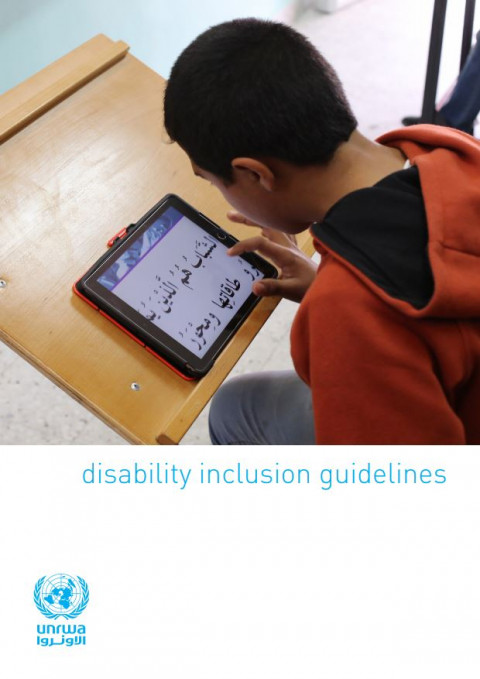 دليل دمج الإعاقة Year of publication: 2017 Corporate author: United Nations Relief and Works Agency for Palestine Refugees in the Near East (UNRWA) يوفر هذا الدليل الارشادي معلومات عن النهج الذي يوصى باتباعه في دمج الإعاقة داخل األونروا. والغرض من هذا الدليل هو: بناء فهم ثابت على نطاق الوكالة ككل لأهم مبادئ وممارسات دمج الاعاقة، وإسداء المشورة بشأن كيفية تعميم دمج الاعاقة في برامج األونروا وخدماتها. Disability Inclusion Guidelines Year of publication: 2017 Corporate author: United Nations Relief and Works Agency for Palestine Refugees in the Near East (UNRWA) These Guidelines provide information about the recommended approach to disability inclusion within UNRWA. While this document does not provide tools for identifying the particular service provision needs of persons with disabilities in a given sector or context, staff can apply the principles and recommendations in this document to develop specific project- and programme- level actions to further enhance the inclusion of persons with disabilities in UNRWA programmes and services.