Resources
Explore a wide range of valuable resources on GCED to deepen your understanding and enhance your research, advocacy, teaching, and learning.
132 Results found
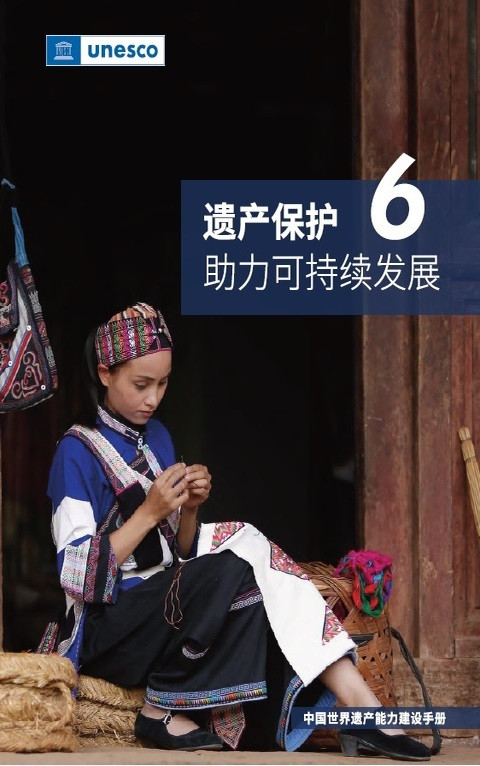
Accelerating Carbon Neutrality: Innovative Actions for Sustainable Development Year of publication: 2024 Author: UNESCO Beijing Climate change is a global challenge that respects no national borders. To achieve the 2030 Sustainable Development Agenda, all nations need to take actions to address climate change and its impacts now. The Chinese government attaches great importance to addressing climate change by setting it as a strategic goal concerning economic and social development while considering green and low-carbon development as an essential aspect of ecological civilization. China pledges to achieve carbon peak before 2030 and carbon neutrality before 2060.Education for Sustainable Development (ESD) is essential to promote climate action. As the creators and builders of the future world, youth play a significant role. Youth are the future. In the spirit of “Changing the minds, not the climate”, UNESCO has been committed to empowering the young generation to tackle climate change, supported by its robust networks in education, sciences, culture, communication and information.In June 2022, the first phase (2022-2025) of the “Accelerating Carbon Neutrality: Innovative Actions for Sustainable Development” project was officially launched under the sponsorship of the China Youth Development Foundation-MercedesBenz Star Fund. This project will fill the gap of China’s carbon neutrality action through activities such as “Accelerating youth climate action”, “Forest Protection Action” and “ Tropical Rainforest biodiversity conservation action” and make a pilot for climate change education and sustainable development education in China and the world by empowering institutions and community residents, including women, children and youth, and contribute to the realization of the UN 2030 Sustainable Development Goals (SDGs) in a bottom-up manner, including SDG 1 (No Poverty), SDG 4 (Quality Education), SDG 5 (Gender Equality), SDG 10 (Reduced Inequalities), SDG 11 (Sustainable Cities and Communities), SDG 13 (Climate Action), SDG 14 (Life below Water), SDG 15 (Life on Land) and SDG 17 (Partnerships for the Goals). The project aims to promote youth capacity in innovation and communication skills. Moreover, it seeks to increase young people’s awareness on how to reduce carbon footprint, protecting the environment, conserving biodiversity and promoting man-nature harmony through education for sustainable development, climate change, environmental protection and global citizenship education. Additionally, the project aims to explore best practices that can be shared and applied internationally.
助力碳中和:可持续发展创新行动 Year of publication: 2024 Author: UNESCO Beijing 气候变化是跨越国界的全球性挑战。为了实现2030议程,各国必须采取紧急行动来 应对气候变化及其影响。中国政府高度重视气候变化问题,将应对气候变化纳入国 家经济社会发展的重大战略,把绿色低碳发展作为生态文明建设的重要内容,并承 诺将在2030年前实现碳达峰,在2060年前实现碳中和。可持续发展教育对于促进气候行动至关重要。 青少年是未来世界的创造者与建设者,秉承着“改变思维,而非气候”的理念,联合国教科文组织教借助其在教育、 科学、文化、传播和信息领域的强大网络,一直致力于加强青少年在气候变化方面 的能力建设。2022年6月, 在中国青少年发展基金会-梅赛德斯-奔驰星愿基金资助下 “助力碳中和:可持续发展创新行动”项目第一期(2022-2025年)正 式启动。 本项目将通过基于可持续发展教育开展的“助力青少年气候行 动”“森林保护行动”和“保护热带雨林生物多样性行动”等活动内容, 填补中国碳中和行动的重要空白,在切实推进气候变化教育和为师生气候 变化赋能的同时,为中国和世界的气候变化教育以及可持续发展教育做出 示范,以自下而上的方式助力联合国2030可持续发展目标,包括SDG13 (气候变化),SDG4(优质教育),SDG11(可持续的城市与社区), SDG14(水下生态保护),SDG15 (陆地生态保护)和SDG17(伙伴 关系)等一系列目标的实现。项目 旨在促进青少年的能力建设、 知识交 流和技能创新, 通过可持续发展教 育、 气候变化教育、 环境教育和全 球公民教育, 提高青少年对减少碳 足迹、生态环境保护、生物多样性保 护、人与自然和谐共生的认知,并开 展可以在国际范围内共享和适用的良 好实践案例。
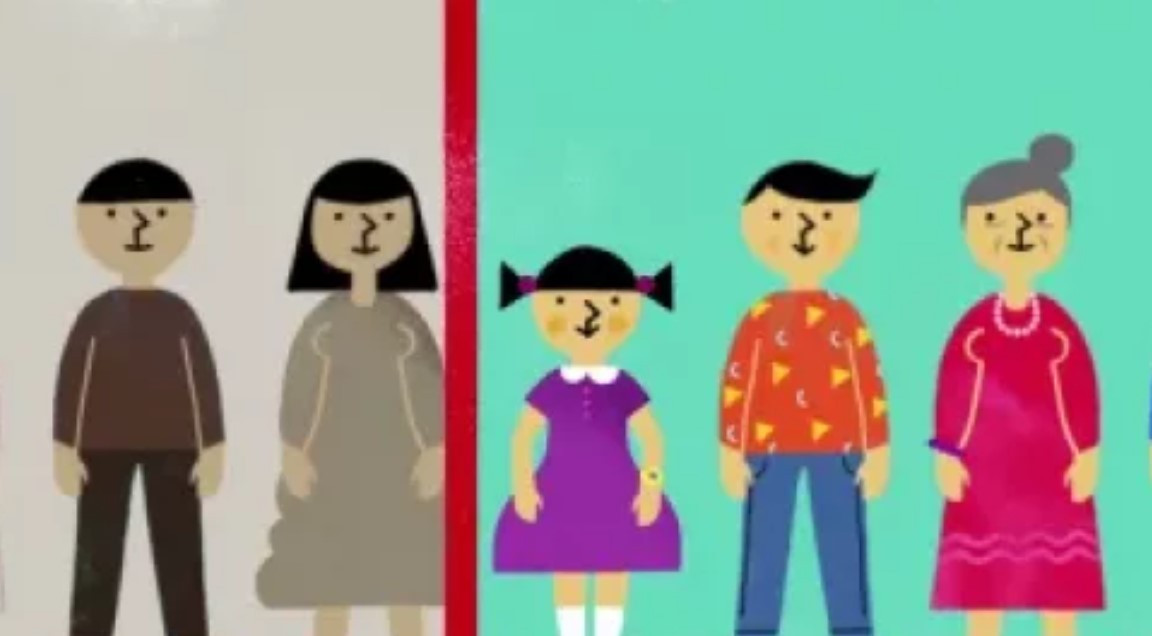
中国的家庭政策 Year of publication: 2023 Corporate author: UNICEF China 为更好地支持父母养育子女,我们建议• 倡导全面而系统性的家庭政策概念,支持父母和家庭以更加健康、更循证的方式养育下一代,减少 养育成本和压力,并明确家庭政策的最终目标是提高整体人口的综合素质和生活质量。• 探索多样化的家庭政策,因为其他国家的经验教训表明并不存在单一、简单而普遍有效的家庭政策 工具。• 探索全面可持续的家庭政策,从子女出生前到整个未成年时期为家庭提供支持,并兼顾年长的父母 和照料者。• 创造更加宽容和宽松的育儿环境, 更好地支持有生育意愿的父母, 调整家庭政策范畴以外的政 策和制度(例如养老金政策、教育制度、性别平等、婚姻制度和其他相关社会制度),从而减轻年 轻父母目前面临的 “ 三重压力”。• 支持工作场所及家庭内部的性别平等原则,并解决基于性别的各种形式的歧视。
Supporting Child Nutrition and Sustainable Development through International Collaboration Year of publication: 2023 Author: Wang Luo | Chen Xiaoning | Huang Yangmu Corporate author: Chinese Academy of International Trade and Economic Cooperation(CAID) | United Nations Children's Fund (UNICEF) Child health and nutrition are key goals under the 2030 Sustainable Development Agenda. Currently, around 45% of deaths among children under five years of age are linked to undernutrition. These mostly occur in low- and middle-income countries. In June 2023, the Chinese Academy of International Trade and Economic Cooperation (CAITEC) and the UNICEF China Office convened a forum on “Supporting Child Nutrition and Sustainable Development Through International Co-operation”. Participating experts discussed China’s experience, and the potential presented, and challenges faced by Chinese product, in boosting the improvement of child nutrition in impoverished regions of Africa and Asia. The case study is a summary of the views presented at the forum. The content covers global needs and challenges in child nutrition, the importance of complementary food supplements in improving child nutrition, effective practices implemented by the international community to promote the use of complementary food supplements, advantages and on-the-ground results of China’s YYB, challenges to taking the YYB international and recommendations for driving product internationalization of the YYB.
国际合作支持儿童营养和可持续发展: 以营养包走出去为例 Year of publication: 2023 Author: Wang Luo | Chen Xiaoning | Huang Yangmu Corporate author: Chinese Academy of International Trade and Economic Cooperation(CAID) | United Nations Children's Fund (UNICEF) 儿童健康和营养是2030年可持续发展议程的重要目标。当前,5岁以下儿童死亡人数中约45%与营养不良有关,主要发生在中低收入国家。2023年6月,中国商务部国际贸易经济合作研究院与联合国儿童基金会驻华办事处开展 “国际合作支持儿童营养和可持续发展” 的研讨会。与会专家探讨了中国经验和产品在助力改善亚非贫困地区儿童营养问题的潜能和面临的挑战。本案例分析内容为研讨会的观点总结。内容包括:全球儿童面临的营养发展挑战和需求、辅食营养补充品对于促进儿童营养的重要性、国际社会推广辅食营养补充品的有效做法、中国营养包的优势与实践效果、营养包走出去面临的挑战、推进营养包走出去的政策建议。
Study on International Development Cooperation for Children Year of publication: 2023 Corporate author: Chinese Academy of International Trade and Economic Cooperation International development cooperation for children is vital to safeguarding child rights. With support from the United Nations Children’s Fund (UNICEF), the Chinese Academy of International Trade and Economic Cooperation conducted a study on international development cooperation for children. This report presents case studies on international development cooperation for children among four top donors, including the United States, the United Kingdom, Japan, and Germany. It examines the different contexts, strategies, policies, institutional mechanisms, and challenges related to international development cooperation for children and revealed several notable characteristics of international development cooperation for children. The study analyzed the evolution of China’s international development cooperation model for children in the past few decades. Considering the new demands and challenges in international development cooperation for children, this report provides recommendations to the Government of China.
国际儿童发展合作研究报告 Year of publication: 2023 Corporate author: Chinese Academy of International Trade and Economic Cooperation 国际儿童发展合作对保障儿童权益至关重要。在联合国儿童基金会支持下,商务部国际贸易经济合作研究院开展了国际儿童发展合作课题研究。本报告介绍了美国、英国、日本和德国四个主要捐助国在国际儿童发展合作方面的相关案例,探讨了国际儿童发展合作的不同背景、战略、政策、体制机制和挑战,揭示了国际儿童发展合作的几个显著特点。报告同时分析了中国的国际儿童发展合作模式在过去的几十年里的演变,并结合新形势下儿童发展需求和挑战,为中国参与国际儿童发展合作提出了建议。
Family Policies in China Year of publication: 2023 Corporate author: UNICEF China To further support parents in their child-rearing responsibilities there is a need to:• Establish a comprehensive and systematic concept of family policy in China to support parents and families to raise the next generation in a healthier and more evidence-informed way, and to reduce the cost and pressures of parenting, with the ultimate aim to improve the overall quality of life of the population.• Explore diverse family policy options by looking at lessons learned from other countries, because there is no single, simple, and universal solution for workplace policies, inclusive parent and child benefit policies, childcare service policies, and institutional fiscal policies.• Identify comprehensive and sustainable family policies that support families from pre-birth and throughout childhood, while also helping elderly parents and caregivers.• Address the ‘triple pressure’ that young parents are facing by creating a more tolerant and lenient parenting environment that supports people who wish to have children and by adjusting policies and institutions beyond family policy, for example, pensions, the education system, gender equality, marriage, and other social institutions.• Support gender equality in the workplace and in households and address all forms of gender-based discrimination.
Reimagining Social Policies to Support Families in China: A Research Report Year of publication: 2023 Corporate author: 联合国儿童基金会驻华办事处 There have been significant changes in the population and society in China over recent decades. The birth rate has declined, and the population has aged. The average family size shrank from 3.1 people in 2010 to 2.8 in 2022[i], and the one-child policy has been reversed. Urbanization, rural-urban migration and the growth of the informal sector have changed how people live and work. Gender inequality persists, with women frequently facing discrimination and barriers to employment. All these changes have implications for family policy – statutory policies and government-led programmes that aim to improve conditions for adult family members, particularly those caring for children up to the age of 18.A new report, ‘Reimaging Social Policies to Support Families in China’ by UNICEF synthesizes the context and challenges of family policies in China and reviews over 180 evaluations of family policies worldwide. The report highlights case studies of policies that could be adapted and incorporated into family policy in China, and it identifies implications for designing and implementing innovative policy.
探讨适合中国的家庭友好社会政策: 研究报告 Year of publication: 2023 Corporate author: 联合国儿童基金会驻华办事处 近几十年来,中国的人口规模和结构以及社会发生了重大变化:出生率下降,人口老龄化;平均家庭户规模由2010年的一户3.1人降至2022年的一户2.8人[i];独生子女政策于2015年被取消,“三孩政策”从2021年开始实施;城镇化、农村人口向城镇地区迁移和灵活就业人员的增加改变了人们的生活和工作方式;与此同时,性别不平等现象依然存在,女性经常面临就业歧视和阻碍。上述一系列变化都影响着家庭政策——旨在支持父母等家庭成员养育儿童(18岁以下)、改善养育条件的相关法定政策及政府主导的项目。 联合国儿童基金会发布的新报告——《探讨适合中国的家庭友好社会政策》总结了中国家庭政策的背景概况和面临的挑战,并梳理了全球180多篇评估家庭政策有效性的研究。该报告重点介绍了可供中国参考借鉴的政策案例,并提出设计和实施创新政策的建议。