
Resources
Explore a wide range of valuable resources on GCED to deepen your understanding and enhance your research, advocacy, teaching, and learning.
89 Results found
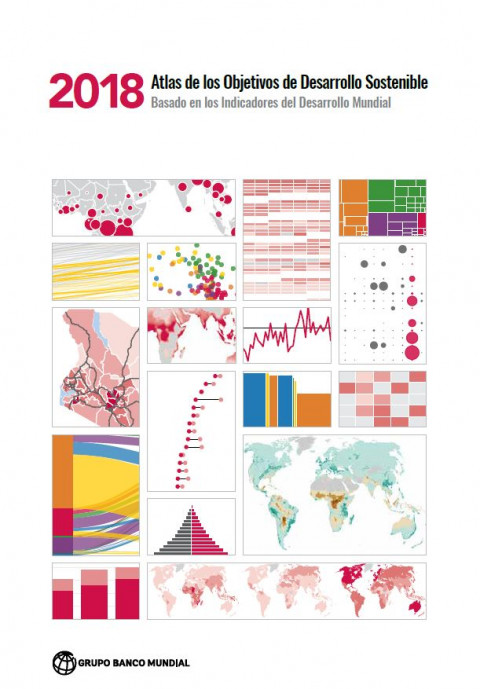 أطلس أهداف التنمية المسـتدامة 2018 من مؤ ات التنمية العالمية Year of publication: 2018 Corporate author: البنك الدولي للانشاء والتعمير يعرض أطلس أهداف التنمية المستدامة 2018 خرائط ورسوما بيانية وقصصا متعلقة بأهداف التنمية المستدامة. وهو يناقش االتجاهات والمقارنات وقضايا القياس باستخدام بيانات مرئية يمكن الوصول إليها وتبادلها. وتستند البيانات على قاعدة بيانات مؤشرات التنمية العالمية Atlas of the Sustainable Development Goals 2018 Year of publication: 2018 Corporate author: البنك الدولي للانشاء والتعمير Atlas of the Sustainable Development Goals 2018 presents maps, graphs and stories related to the SDGs. It discusses trends, comparisons and measurement issues using visible and accessible data. The data are based on the World Development Indicators database.
  Education for Transformation Year of publication: 2012 Author: Marcelo Cabrol | Miguel Székely Corporate author: Inter-American Development Bank This book presents a diagnosis of the state of educational quality and its priorities (academic achievement, citizenship education, adolescent desertion, and teacher training) in Latin America and the Caribbean at the beginning of the 21st century. It also shows the public policies that can modify this reality. Educación para la transformación Year of publication: 2012 Author: Marcelo Cabrol | Miguel Székely Corporate author: Inter-American Development Bank Este libro presenta un diagnóstico sobre el estado de la calidad educativa y sus prioridades (logro académico, formación en ciudadanía, deserción adolescente y formación docente) en América Latina y el Caribe a inicios del siglo XXI. También muestra las políticas públicas que pueden modificar dicha realidad.
  Education for Immigrant Children, and Youth in the Americas: Current Situation and Challenges Year of publication: 2011 Author: María Cecilia Sleiman Corporate author: Organization of American States (OAS) This report is a synthesis of the results of the "Mapping of Education Policies and Programs for migrant children and youth (2009)" and of the case studies carried out during 2010 within the framework of the project "Education of children and young migrants ”, carried out by the Office of Education and Culture of the OAS. Educación para niñas, niños y jóvenes inmigrantes en las Américas: Situación actual y desafíos Year of publication: 2011 Author: María Cecilia Sleiman Corporate author: Organization of American States (OAS) Este informe es una síntesis de los resultados del “Mapeo de Políticas y Programas de educación de niños, niñas y jóvenes migrantes (2009)” y de los estudios de caso realizados durante el año 2010 en el marco del proyecto “Educación de niños, niñas y jóvenes migrantes”, llevado adelante por la Oficina de Educación y Cultura de la OEA.
 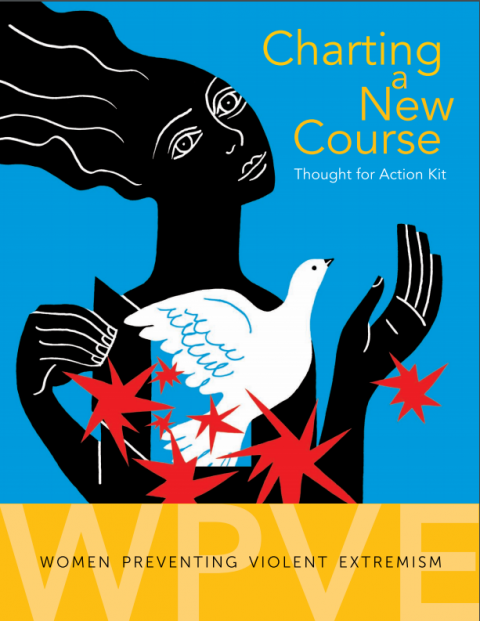 Women Preventing Violent Extremism Thought for Action Kit Year of publication: 2015 Corporate author: United States Institute of Peace (USIP) United Nations Security Council Resolution (UNSCR) 1325 (2000) was groundbreaking in that it provided strong support for greater attention to the role of women in international peace and security. It acknowledges the inordinate impact of violent conflict on women and recognizes that women’s empowerment and gender equality are critical to international peace and security. The UN Security Council fully recognizes the critical link between the Women, Peace and Security agenda as laid out in UNSCR 1325 and the role women could and should play in preventing violent extremism. This document has three sections. The first section examines the question of gender and why it is important to consider both men and women, and the dynamics of gender roles in society when addressing violent extremism. The second section deals specifically with women and the underlying forces of extremist violence. It invites thinking about women as actors in preventative efforts as well as perpetrators of terrorist acts. Finally, the third section raises issues related to the various ways in which to engage communities, including members of the security sector. Each section opens with a brief introductory background, followed by short essays by some of the leading experts in this field. Each section also includes practical exercises that may prove useful for training and further dialogue. Femmes Prévention Violent Extrémisme Pensée pour la trousse d'action Year of publication: 2015 Corporate author: United States Institute of Peace (USIP) La Résolution du Conseil de Sécurité des Nations Unies. (CSNU) 1325 (2000) était révolutionnaire en ce qu'elle a fourni un appui solide pour une plus grande attention sur le rôle des femmes dans la paix et la sécurité internationales. Il reconnaît l'impact démesuré des conflits sur les femmes et reconnaît que l'autonomisation des femmes et l'égalité des sexes sont essentiels pour la paix et la sécurité internationales. Le Conseil de sécurité des Nations Unies reconnaît pleinement le lien essentiel entre les femmes, la paix et l'ordre du jour de sécurité comme prévu dans la résolution 1325 et le rôle que les femmes peuvent et doivent jouer dans la prévention de l'extrémisme violent. Ce document comporte trois sections. La première section porte sur la question du genre et pourquoi il est important de considérer à la fois les hommes et les femmes, et la dynamique des rôles de genre dans la société quand aborder l'extrémisme violent. La deuxième section traite spécifiquement avec les femmes et les forces sous-jacentes de la violence extrémiste. Elle invite à penser à des femmes en tant qu'acteurs dans les efforts de prévention ainsi que les auteurs d'actes terroristes. Enfin, la troisième section soulève des questions liées aux diverses façons dont faire participer les communautés, y compris les membres du secteur de la sécurité. Chaque section commence par un bref historique d'introduction, suivie de courts essais par quelques-uns des plus grands experts dans ce domaine. Chaque section comprend également des exercices pratiques qui peuvent se révéler utiles pour la formation et la poursuite du dialogue.
 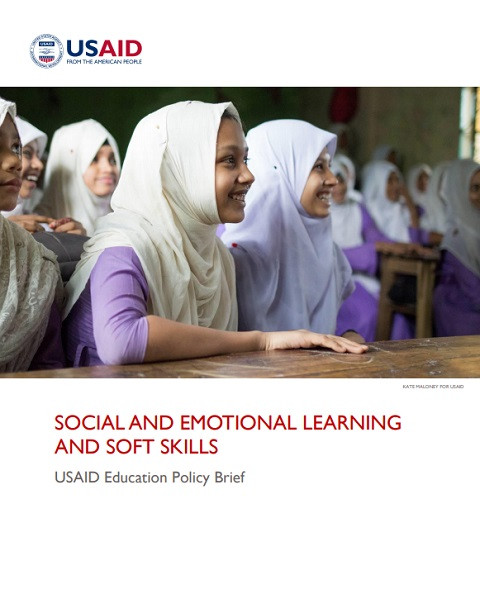 Social and Emotional Learning and Soft Skills: USAID Education Policy Brief Year of publication: 2019 Author: Kalene Resler | Anjuli Shivshanker | Samantha Alvis | Chris Capacci-Carneal | Melissa Chiappetta | Lauren Greubel | Julie Hanson Swanson | Ashley Henderson | Josh Josa | Laura Lartigue | Rebeca Martinez | Leah Maxson | Olga Merchan | Yolande Miller-Grandvaux | Sandy Oleksy-Ojikutu | Rebecca Pagel | Nancy Taggart | Nina Weisenhorn | Wendy Wheaton Corporate author: United States Agency for International Development (USAID) Both the 2018 USG Strategy on International Basic Education and the 2018 USAID Education Policy emphasize the importance of social and emotional skills or soft skills in assuring the long-term success of children and youth. Through the Strategy and Policy, USAID is providing new opportunities to systematically design, measure, implement, and understand the impact of programs that build social and emotional skills or soft skills for children and youth.To support USAID staff and implementing partners in this work, this brief: Provides an introductory understanding of what USAID means by the terms “social and emotional skills” and “soft skills” and how to communicate about them. Specifies the desired outcomes and quality standards for programming that teach social and emotional skills or soft skills. Identifies areas in which evidence and best practices still have gaps, and areas in which we should consider investing in further learning.
 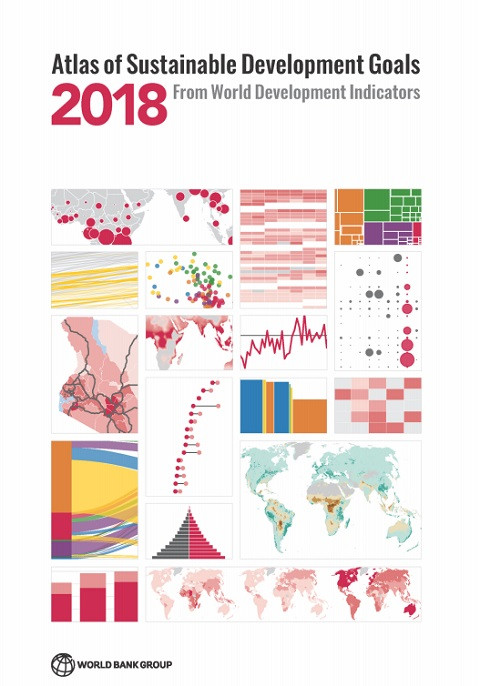 Atlas of Sustainable Development Goals 2018: From World Development Indicators Year of publication: 2018 Corporate author: World Bank The Atlas of Sustainable Development Goals 2018 is a visual guide to the trends, challenges and measurement issues related to each of the 17 Sustainable Development Goals. The Atlas features maps and data visualizations, primarily drawn from World Development Indicators (WDI) - the World Bank’s compilation of internationally comparable statistics about global development and the quality of people’s lives. Given the breadth and scope of the SDGs, the editors have been selective, emphasizing issues considered important by experts in the World Bank’s Global Practices and Cross Cutting Solution Areas. Nevertheless, The Atlas aims to reflect the breadth of the Goals themselves and presents national and regional trends and snapshots of progress towards the UN’s seventeen Sustainable Development Goals related to: poverty, hunger, health, education, gender, water, energy, jobs, infrastructure, inequalities, cities, consumption, climate, oceans, the environment, peace, institutions, and partnerships.