
Resources
Explore a wide range of valuable resources on GCED to deepen your understanding and enhance your research, advocacy, teaching, and learning.
874 Results found
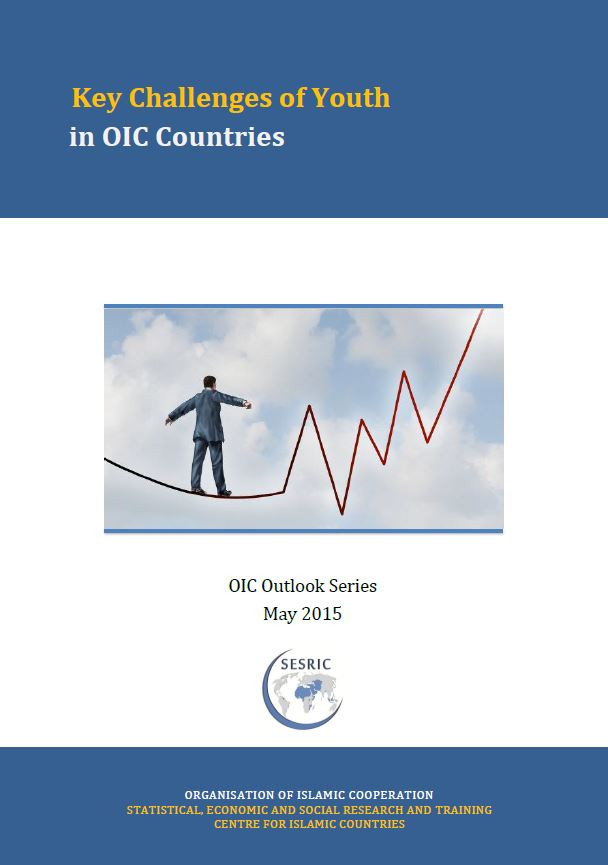 Key Challenges of Youth in OIC Countries Year of publication: 2015 Corporate author: Organization of Islamic Cooperation (OIC) | Statistical, Economic and Social Research and Training Centre for Islamic Countries (SESRIC) The report contains four main sections, with the exception of the introductory and concluding sections. The first section briefly reviews some of the main educational outcomes in OIC countries. Literacy and participation rates in tertiary schools and international student mobility are the main indicators reviewed in this section. The second section highlights some important labor market indicators related to the young population in order to identify the main challenges and obstacles in the OIC countries. The third section deals with some social problems of young people. The fourth section deals with mental health issues. The last section is devoted to recommendations. التحديات الرئيسية للشباب في دول منظمة التعاون اإلسالمي Year of publication: 2015 Corporate author: Organization of Islamic Cooperation (OIC) | Statistical, Economic and Social Research and Training Centre for Islamic Countries (SESRIC) ويحتوي التقرير على أربعة أقسام رئيسية، باستثناء الأقسام التمهيدية والختامية. يستعرض القسم الأول بإيجاز بعض النتائج التعليمية الرئيسية في دول المنظمة. وتشكل معدلات الإلمام بالقراءة والكتابة والمشاركة في مدارس التعليم العالي والحراك الطلابي الدولي المؤشرات الرئيسية المستعرضة في هذا القسم. يبرز القسم الثاني بعض المؤشرات الهامة لسوق العمل المتعلقة بالسكان الشباب بهدف التعرف على التحديات والعقبات الرئيسية في دول المنظمة. ويتناول القسم الثالث بعض المشاكل الاجتماعية للشباب. أما القسم الرابع فيتناول قضايا الصحة النفسية. والقسم الأخير مخصص للتوصيات.
 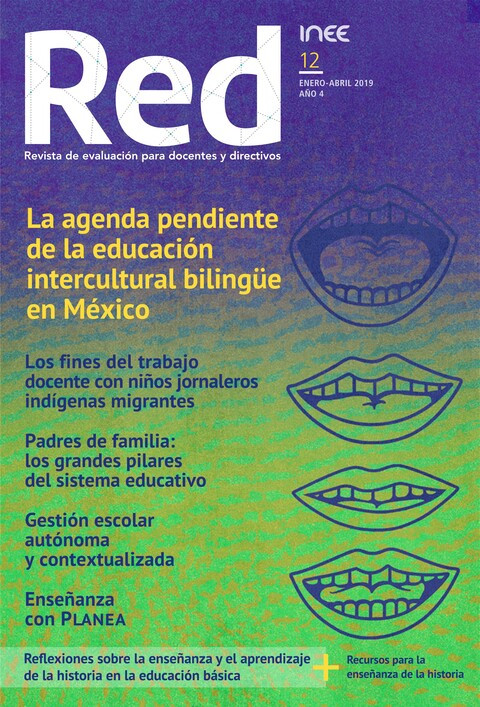 Journal of Evaluation for Teachers and Managers: The Pending Agenda of Bilingual Intercultural Education in Mexico (Red Magazine; No.4, 2019) Year of publication: 2019 Corporate author: National Institute for the Evaluation of Education (NIEE) This journal addresses an outstanding concern within the Mexican state: indigenous, intercultural, and bilingual education in our nation. It delves into the pedagogy of history at the elementary and secondary levels, along with an exploration of the internet's resources for stimulating student interest in this subject, as presented in our inaugural issue of 2019. Equally noteworthy are inquiries into teacher professionalization and insights shared by several educators on this subject. In the direct discourse titled "From Educator to Educator," Ms. Tsut Tsuy Tamayo also imparts her experiences in the realm of mathematics education. Additionally, this issue includes substantial statistics from the PLANEA assessment, an investigative report on parental involvement in their children's academic pursuits, and an extensive evaluation course tailored for educators, elucidated through an interview with Bernardo Naranjo, a counselor at the National Institute for the Evaluation of Education (INEE). Revista de evaluación para docentes y directivos: La agenda pendiente de la educación intercultural bilingüe en México (Revista Red; No.4, 2019) Year of publication: 2019 Corporate author: National Institute for the Evaluation of Education (NIEE) Esta revista aborda una asignatura pendiente del Estado mexicano: la educación indígena, intercultural y bilingüe en nuestro país. La enseñanza de la historia en primaria y secundaria, y los recursos que nos ofrece internet para propiciar el interés de los alumnos en esta asignatura también se plantean en nuestra primera entrega de 2019. No menos interesantes resultan la profesionalización docente y las opiniones que varias maestras nos comunican sobre este tema. En el diálogo directo “De profesor a profesor”, la maestra Tsut Tsuy Tamayo nos comparte igualmente su experiencia en la enseñanza de las matemáticas. Las significativas cifras arrojadas por PLANEA, un reportaje sobre la participación de los padres de familia en la educación académica de sus hijos, un curso masivo sobre evaluación dirigido a docentes expuesto en entrevista por Bernardo Naranjo, consejero del INEE.
  Cultural Diversity and Interculturality in Higher Education. Experiences in Latin America Year of publication: 2008 Author: Daniel Mato Corporate author: UNESCO International Institute for Higher Education in Latin America and the Caribbean (IESALC) The work that we present below under the title Cultural Diversity and Interculturality in Higher Education. Experiences in Latin America offers a documented and novel analysis on the subject, accompanied by more than thirty studies on concrete experiences that allow to appreciate the richness and vitality that this field exhibits in Latin America, as well as the problems and challenges it faces. The volume brings together thirty-six studies of experiences of the types mentioned, each of which identifies achievements, obstacles and learning, and culminates in offering recommendations. This collection of texts is preceded by a study of regional scope that analyzes significant contextual elements, as well as salient aspects of the studied experiences, evaluates problems, challenges and opportunities, and offers a set of recommendations. Diversidad Cultural e Interculturalidad en Educación Superior. Experiencias en América Latina Year of publication: 2008 Author: Daniel Mato Corporate author: UNESCO International Institute for Higher Education in Latin America and the Caribbean (IESALC) La obra que a continuación presentamos bajo el título Diversidad Cultural e Interculturalidad en Educación Superior. Experiencias en América Latina ofrece un documentado y novedoso análisis sobre el tema, acompañado de más de treinta estudios sobre experiencias concretas que permiten apreciar la riqueza y vitalidad que este campo exhibe en América Latina, así como los problemas y desafíos que enfrenta. El volumen reúne treinta y seis estudios de experiencias de los tipos mencionados, cada uno de los cuales identifica logros, obstáculos y aprendizajes, y culmina ofreciendo recomendaciones. Esa colección de textos es precedida por un estudio de alcance regional que analiza elementos contextuales significativos, así como aspectos salientes de las experiencias estudiadas, evalúa problemas, retos y oportunidades, y ofrece un conjunto de recomendaciones.
  Educación para la ciudadanía y la convivencia: sintiendo y pensando; ciclo uno (primero y segundo) Year of publication: 2014 Corporate author: Secretaría de Educación del Distrito (SED) | Fe y Alegría These twelve modules make reference to a series of activities that focus on how children from all the educative grades understand and live citizenship, strengthening and facilitating the learning processes based on autonomy. This educative materials, which are aimed at being implemented inside the classrooms, attempt to serve as input resources for educators and other agents that work on or are interested in working with citizenship education and coexistence. The overall objective is to provide quality education.
 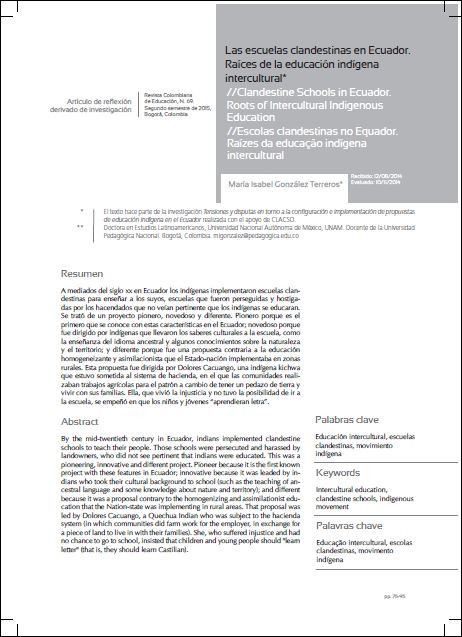 The Clandestine Schools in Ecuador. Roots of Intercultural Indigenous Education Year of publication: 2015 Author: María Isabel González Terreros By the mid-twentieth century in Ecuador, indians implemented clandestine schools to teach their people. Those schools were persecuted and harassed by landowners, who did not see pertinent that indians were educated. This was a pioneering, innovative and different project. Pioneer because it is the first known project with these features in Ecuador; innovative because it was leaded by Indians who took their cultural background to school (such as the teaching of ancestral language and some knowledge about nature and territory); and different because it was a proposal contrary to the homogenizing and assimilationist education that the Nation-state was implementing in rural areas. That proposal was led by Dolores Cacuango, a Quechua Indian who was subject to the hacienda system (in which communities did farm work for the employer, in exchange for a piece of land to live in with their families). She, who suffered injustice and had no chance to go to school, insisted that children and young people should "learn letter" (that is, they should learn Castilian). Las Escuelas Clandestinas en Ecuador. Raíces de la Wducación Indígena Intercultural Year of publication: 2015 Author: María Isabel González Terreros A mediados del siglo xx en Ecuador los indígenas implementaron escuelas clandestinas para enseñar a los suyos, escuelas que fueron perseguidas y hostigadas por los hacendados que no veían pertinente que los indígenas se educaran. Se trató de un proyecto pionero, novedoso y diferente. Pionero porque es el primero que se conoce con estas características en el Ecuador; novedoso porque fue dirigido por indígenas que llevaron los saberes culturales a la escuela, como la enseñanza del idioma ancestral y algunos conocimientos sobre la naturaleza y el territorio; y diferente porque fue una propuesta contraria a la educación homogeneizante y asimilacionista que el Estado-nación implementaba en zonas rurales. Esta propuesta fue dirigida por Dolores Cacuango, una indígena kichwa que estuvo sometida al sistema de hacienda, en el que las comunidades realizaban trabajos agrícolas para el patrón a cambio de tener un pedazo de tierra y vivir con sus familias. Ella, que vivió la injusticia y no tuvo la posibilidad de ir a la escuela, se empeñó en que los niños y jóvenes “aprendieran letra”. Educación para la ciudadanía y convivencia: aprendiendo a vivir juntas y juntos, base para construir cultura de paz; ciclo uno (primero y segundo) Year of publication: 2015 Corporate author: Secretaría de Educación del Distrito (SED) | Fe y Alegría These twelve modules make reference to a series of activities that focus on how children from all the educative grades understand and live citizenship, strengthening and facilitating the learning processes based on autonomy. This educative materials, which are aimed at being implemented inside the classrooms, attempt to serve as input resources for educators and other agents that work on or are interested in working with citizenship education and coexistence. The overall objective is to provide quality education.