
Resources
Explore a wide range of valuable resources on GCED to deepen your understanding and enhance your research, advocacy, teaching, and learning.
3,229 Results found
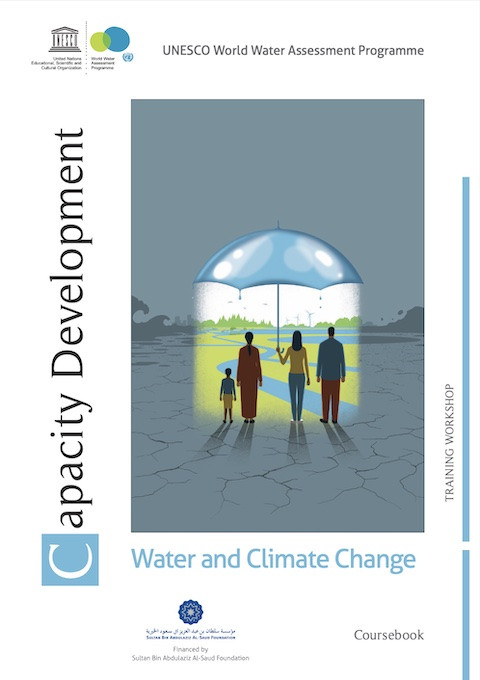 الميا ه وتغير المناخ كتاب التدريب Year of publication: 2020 Corporate author: UNESCO World Water Assessment Programme (WWAP) تقرير الأمم المتحدة العالمي عن تنمية الموارد المائية هو التقرير الرئيسي الذي تصدره آلية الأمم المتحدة للمياه بشأن قضايا المياه والصرف الصحي، وهو يركز في كل عام على موضوع مختلف. وتتولى اليونسكو نشر التقرير، باسم الآلية، ويضطلع برنامج اليونسكو العالمي لتقييم الموارد المائية بتنسيق عملية إعداده وإصداره. ويوفر التقرير رؤية متعمقة بشأن الاتجاهات الرئيسية المتعلقة بحالة المياه العذبة وخدمات الصرف الصحي واستخدامها وإدارتها، بالاستناد إلى العمل الذي يقوم به أعضاء آلية الأمم المتحدة للمياه وشركاؤها. والتقرير، الذي يصدر بالاقتران مع اليوم العالمي للمياه، يزود صانعي القرار بالمعارف والأدوات اللازمة لصياغة وتنفيذ سياسات مستدامة بشأن المياه. وهو يطرح كذلك أفضل الممارسات والتحليلات المتعمقة حفزًا للأفكار والإجراءات من أجل الارتقاء بالإدارة في قطاع المياه وغيره من القطاعات.وتبين طبعة عام 2020 من التقرير العالمي عن تنمية الموارد المائية، التي تحمل عنوان ‘‘المياه وتغير المناخ’’، الروابط البالغة الأهمية التي تربط بين المياه وتغير المناخ في سياق برنامج التنمية المستدامة الأع ّم. ويقدم التقرير، الذي تدعمه أمثلة من جميع أنحاء العالم، وصفًا لكل من التحديات التي يفرضها تغير المناخ والفرص التي يتيحها، ويعرض إجراءات يمكن اتخاذها على صعيد الاستجابة - من حيث التكيف والتخفيف وتحسين القدرة على الصمود - من خلال تعزيز إدارة الموارد المائية، وتخفيف المخاطر المتعلقة بالمياه، وتحسين سبل حصول الجميع على إمدادات المياه وخدمات الصرف الصحي بطريقة مستدامة. وهو يتناول العلاقات المتداخلة بين المياه والناس والبيئة والاقتصاد في ظل مناخ متغير، ويوضح الكيفية التي يمكن بها لتغير المناخ أن يكون حافزًا إيجابيًا على تحسين إدارة المياه وحوكمتها وتمويلها من أجل إيجاد عالم مستدام ومزدهر للجميع.ويقدم التقرير مساهمة لقاعدة المعارف المتعلقة بتغير المناخ تركز على المياه وتستند إلى الحقائق. وهو مك ِمل للتقييمات العلمية القائمة ومص َّمم لدعم الأطر السياسية الدولية، بهدف مساعدة الأوساط المعنية بالمياه على التصدي للتحديات التي يطرحها تغير المناخ، وإطلاع الأوساط المعنية بتغير المناخ على الفرص التي يوفرها تحسين إدارة المياه من حيث التكيف مع تغير المناخ والتخفيف من آثاره. Water and Climate Change: Coursebook Year of publication: 2020 Corporate author: UNESCO World Water Assessment Programme (WWAP) The United Nations World Water Development Report (WWDR) is UN-Water’s flagship report on water and sanitation issues, focusing on a different theme each year. The report is published by UNESCO, on behalf of UN-Water and its production is coordinated by the UNESCO World Water Assessment Programme. The report gives insight on main trends concerning the state, use and management of freshwater and sanitation, based on work done by the Members and Partners of UN-Water. Launched in conjunction with World Water Day, the report provides decision-makers with knowledge and tools to formulate and implement sustainable water policies. It also offers best practices and in-depth analyses to stimulate ideas and actions for better stewardship in the water sector and beyond.The 2020 edition of the WWDR, titled ‘Water and Climate Change’ illustrates the critical linkages between water and climate change in the context of the broader sustainable development agenda. Supported by examples from across the world, it describes both the challenges and opportunities created by climate change, and provides potential responses – in terms of adaptation, mitigation and improved resilience – that can be undertaken by enhancing water resources management, attenuating water-related risks, and improving access to water supply and sanitation services for all in a sustainable manner. It addresses the interrelations between water, people, environment and economics in a changing climate, demonstrating how climate change can be a positive catalyst for improved water management, governance and financing to achieve a sustainable and prosperous world for all.The report provides a fact-based, water-focused contribution to the knowledge base on climate change. It is complementary to existing scientific assessments and designed to support international political frameworks, with the goals of helping the water community tackle the challenges of climate change, and informing the climate change community about the opportunities that improved water management offers in terms of adaptation and mitigation.
  AI in Education: Change at the Speed of Learning Year of publication: 2020 Author: Steven Duggan Corporate author: UNESCO Institute for Information Technologies in Education (IITE) The policy brief “AI in Education: Change at the Speed of Learning” published by the UNESCO Institute for Information Technologies in Education (UNESCO IITE) opens a new series of publications “Digital Transformation of Education”. The new publication describes the advancements in technology, including data, analytics and personalized learning, Artificial Intelligence (AI), cloud computing and machine learning, and explores the promises of AI for students, teachers, school leaders, parents and education administrators. The publication also highlights the ethical aspects of AI implementation and challenges that it might bring. Искусственный интеллект в образовании: Изменение темпов обучения Year of publication: 2020 Author: Steven Duggan Corporate author: UNESCO Institute for Information Technologies in Education (IITE) Аналитическая записка «Искусственный интеллект в образовании: Изменение темпов обучения», опубликованная Институтом ЮНЕСКО по информационным технологиям в образовании (ИИТО ЮНЕСКО), открывает издание новой серии публикаций «Цифровая трансформация образования». В новой публикации представлены достижения в области технологий, включая данные, аналитику и персонализированное обучение, искусственный интеллект (ИИ), облачные вычисления и машинное обучение, а также рассматриваются многообещающие возможности ИИ для учащихся, педагогов, родителей, руководителей учебных заведений и администраторов системы образования. В публикации также обозначены этические аспекты и вызовы, связанные с применением ИИ.
 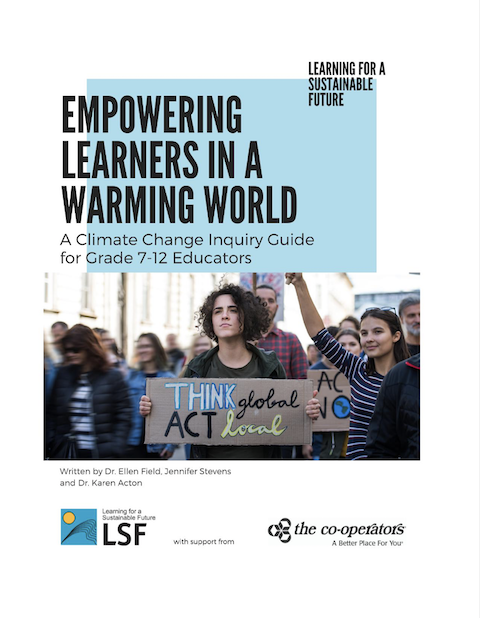 Empowering Learners in a Warming World: A Climate Change Inquiry Guide for Secondary Educators Year of publication: 2020 Author: Ellen Field | Jennifer Stevens | Karen Acton Corporate author: Learning for a Sustainable Future (LSF) The purpose of this guide is to present opportunities to evolve students’ understanding of the climate and climate change, assess the risks and opportunities to mitigate and adapt to the changing climate, unpack ethical dimensions, and honour emotions that are part of the process of coming to understand the complexity and urgency of the issue.Transformative teaching strategies used throughout this guide are important to tackling complex problems like climate change. These strategies often begin with the understanding and experiences that students bring with them. Educators, who themselves are grappling with climate change issues, take the role of facilitators and co-learners as the class works together to learn, critically reflect, and take action.Most importantly, this guide aims to engage students in contributing to solutions in their schools, communities and homes. It aims to connect educators to instructional strategies that allow for students’ perspectives and voice, currently available climate change science and research, teacher resources and activities, datasets, and action solutions.
  포스트휴먼 시대의 기후위기 대응 교육: 사례와 실천 방안 Year of publication: 2021 Author: 엄수정 | 우라미 | 황순예 Corporate author: 경기도교육연구원 본 연구는 포스트휴먼시대의 기후위기 대응 교육의 모습을 구체화하는데 목적이 있다. 본 연구에서는 포스트휴먼 생태주의를 이론적 기틀로 삼아 기후위기 대응을 위한 학교 교육 사례를 분석하고, 이를 토대로 실천 방안을 탐색하였다.본 저작물은 경기도교육연구원에서 2021년 작성하여 공공누리 제 4유형으로 개방한 ‘포스트휴먼 시대의 기후위기 대응 교육: 사례와 실천 방안 (엄수정, 우라미, 황순예)’ 를 이용하였으며 해당 저작물은 경기도교육연구원 (www.gie.re.kr)에서 무료로 다운받으실 수 있습니다.
  Build Forward Better: How the Global Community Must Act Now to Secure Children’s Learning in Crises Year of publication: 2021 Author: Emma Wagner Corporate author: Save the Children ‘Build back better’ has long been a rallying cry of crisis responses – and is being used frequently today. However, given the scale of the global learning crisis even before the Covid-19 pandemic – with one child in six denied their right to education – it’s vital we don’t limit our ambition to building ‘back’ to how things were. Now it’s imperative we build forward better – and differently.There’s no denying the scale of the challenge. But there’s also cause for hope. The global reach of the Covid-19 crisis has generated a shared understanding of the impact of crisis on children’s right to education. This understanding can be used to build forward better – and radically transform children’s chances.Build Forward Better presents new analysis on which countries’ school systems are most vulnerable to existing risks and future crises. And it sets out what the global community needs to do to support ministries of education in those countries to prepare now. So that, even during emergencies, education systems can provide all children with good-quality, safe and inclusive opportunities to learn.
  Young People’s Participation and Civic Engagement Year of publication: 2020 Corporate author: Generation Unlimited | Global Initiative on Decent Jobs for Youth The aim of this guide is to support the Generation Unlimited strategic priority to “Equip young people as problem-solvers and engaged members of society, helping to create a better world”, through providing evidence and guidance that has the potential to improve young people’s participation and civic engagement. This guide will identify successful strategies that can increase young people’s civic participation and boost the knowledge, skills, attitudes and values crucial for future civic engagement. It will identify structures that are likely to amplify young people’s voices in decision-making and benefit local communities.
  Building Knowledge Exchange Partnerships: Dialogues Across Europe Year of publication: 2020 Corporate author: Bridge 47 This publication ‘Building Knowledge Exchange Partnerships Dialogues Across Europe’ shares some of the experiences learned from this area of the Bridge 47 project.The Knowledge Exchange Partnerships hosted expert events, on site and online, carried on networking and exchange, disseminated information about GCE on other platforms and collectives, and came together for specific activities, such as workshops, webinars, publications, with the support of the larger Bridge 47 network.
 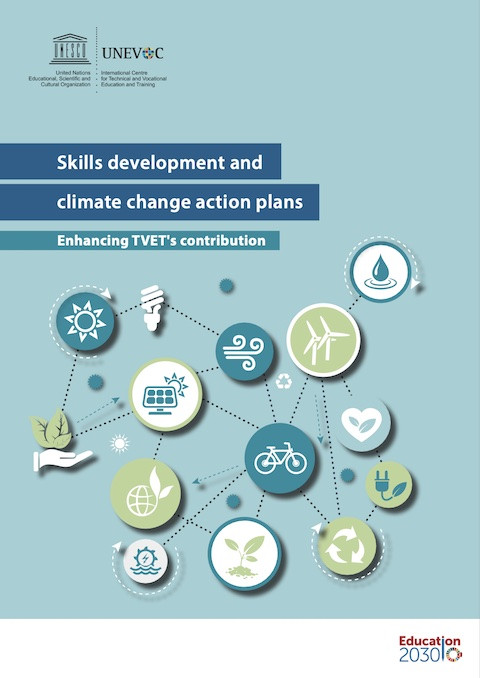 Skills Development and Climate Change Action Plans: Enhancing TVET's Contribution Year of publication: 2021 Corporate author: UNESCO International Centre for Technical and Vocational Education and Training (UNEVOC) Climate change is an ongoing process that, at the current pace of such activities, cannot be avoided. Tools have been proposed to deal with climate change focus on adaptation and mitigation. Strengthening national and international awareness of and commitment to reducing the impact of climate change has become the only viable option to ensure the sustainability of life on Earth.The Paris Agreement entered into force in 2016 with the aim of bringing all nations together in a common goal of combating climate change and adapting to its impacts. According to the Agreement, every party should submit a climate plan laying out its adaptation and mitigation targets. Technical and vocational education and training (TVET) has the potential to play significant roles in these plans. The smooth transition to green societies and economies relies on amongst others the knowledge, skills and competencies to promote sustainable development. Effective education and training for sustainable development pivots on governance and vision, and the ability to empower people in an inclusive manner to act in favour of sustainable development. It also relies on the ability to train, upskill, reskill and empower those that can take advantage of the job growth and job creation potential in a changing economy.This discussion paper compiles and reviews relevant information regarding the country submissions (Nationally Determined Contributions and National Communications) which lay out adaptation plans and the policies created in fifty-seven selected countries. The aim is to summarize key information that can help assess the ongoing and potential contribution of TVET to the realization of these plans. The analysis made through this discussion paper has helped to generate a set of approaches for climate change adaption, through the education and training lens. These approaches can be used to advance the discussion in strengthening the technical and vocational skills development component in country climate adaptation plans.