
Resources
Explore a wide range of valuable resources on GCED to deepen your understanding and enhance your research, advocacy, teaching, and learning.
655 Results found
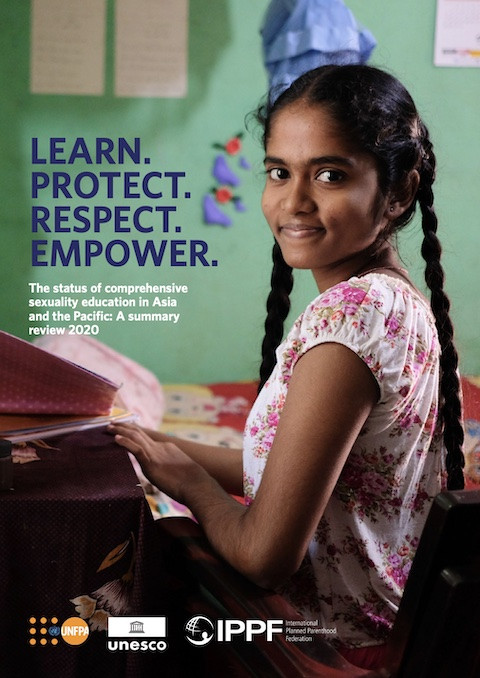 Learn, Protect, Respect, Empower: The Status of Comprehensive Sexuality Education in Asia and the Pacific; A Summary Review 2020 Year of publication: 2021 Corporate author: United Nations Population Fund (UNFPA) | UNESCO | International Planned Parenthood Federation (IPPF) More than half of the world’s 1.8 billion young people aged 10–24 live in the Asia and Pacific region1 and a majority of them live in low and middle-income countries. In spite of their diverse socio-economic contexts, young people across this vast region commonly face limited access to sexual and reproductive health and rights (SRHR) information and services, including age-appropriate comprehensive sexuality education. Of the 13 million adolescent girls globally with an unmet need for contraception, approximately half live in Asia-Pacific, leading to an estimated 3.7 million births to adolescent girls in the region annually. In addition, around 82,000 young people are infected with HIV each year in the region. As adolescents transition through to adulthood, it is crucial that they are equipped with the necessary knowledge, attitudes and skills to support their health and wellbeing, regardless of age, sex, marital status, socioeconomic status, ethnicity, sexual orientation or gender identity. School-based and age-appropriate comprehensive sexuality education (CSE) is an effective means of reaching a large population of children and young people, particularly where rates of school participation are high. This overview of the status of in-school CSE in Asia and the Pacific provides a strong evidence base on the reach and impact of this across the region. Importantly, post COVID-19 we need to build back CSE programmes that are better and stronger to meet the social and emotional needs of our young people.
 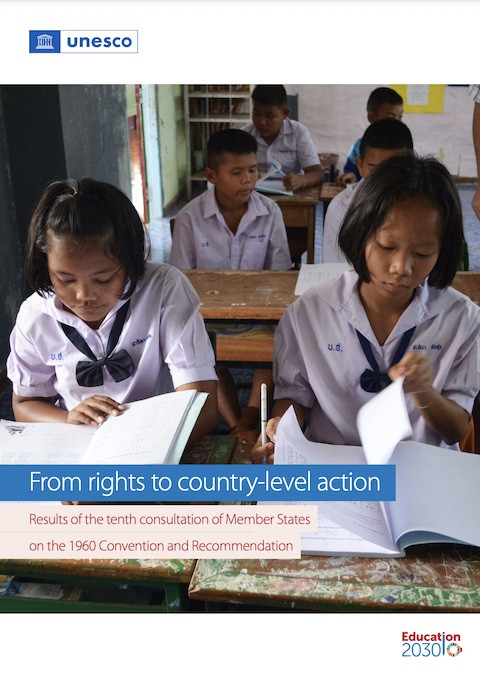 From Rights to Country-Level Action: Results of the Tenth Consultation of Member States on the 1960 Convention and Recommendation Year of publication: 2022 Author: Rolla Moumné | Sharlene Bianchi Corporate author: Organisation des Nations Unies pour l'éducation, la science et la culture (UNESCO) The year 2020 marked a turning point for education worldwide. The impact of the COVID-19 pandemic not only amplified the difficulties and revealed existing weaknesses, but also brought the unpreparedness and lack of resilience of national education systems to the fore.The tenth consultation on the 1960 Convention against Discrimination in Education was conducted in precisely this context.Providing a valuable opportunity for States to take stock of the progress made in implementing Convention and sharing interesting national practices, the Consultation revealed continuous and new challenges the education sector faces. The unique timing of the consultation also created an opportunity to report on actions taken to faceadverse effects of the pandemic. This report analyzes and presents the Consultation findings, draws trends, and provides guidance for action. It shows how, by implementing the provisions of the Consultation, States can accelerate progress towards achieving Sustainable Development Goal 4, while invites a reflection on possibly reviewing the framework of the right to education to further respond to new challenges and put an end to increased inequalities worldwide.
  How Can People With Disabilities Find Employment in Uzbekistan? Year of publication: 2023 Author: Abror Kurbanmuratov As in most other Central Asian countries, it is difficult for people with disabilities in Uzbekistan to survive. In addition to problems with health and social adaptation, it is difficult for them to find employment and feel themselves needed by society. Despite the adopted state laws and support programs, most cities and districts lack mechanisms for their implementation, as well as adapted infrastructure, accessible environment and employment system. Как трудоустроиться людям с инвалидностью в Узбекистане? Year of publication: 2023 Author: Abror Kurbanmuratov Как и в большинстве других стран Центральной Азии, людям с инвалидностью в Узбекистане выживать сложно. Помимо проблем со здоровьем, социальной адаптацией, им трудно трудоустроиться, почувствовать себя нужными обществу гражданами. Несмотря на принятые государственные законы и программы поддержки, в большинстве городов и районов отсутствуют механизмы их реализации, как и адаптированная инфраструктура, доступная среда и система трудоустройства.
 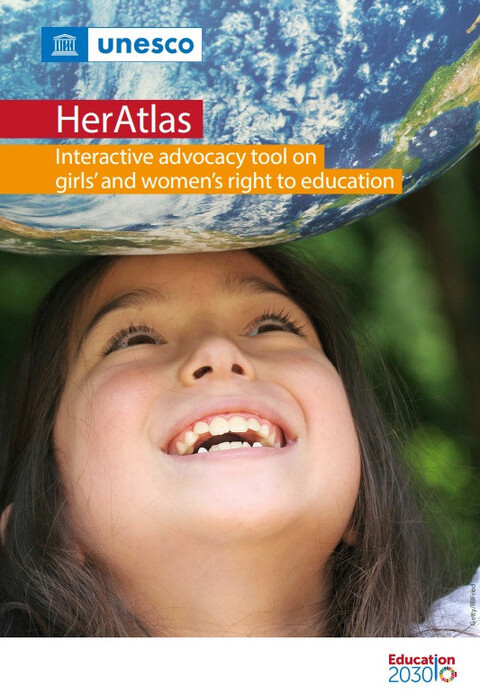 Son Atlas: Outil de plaidoyer interactif sur le droit à l’éducation des filles et des femmes Year of publication: 2023 Corporate author: Organisation des Nations Unies pour l'éducation, la science et la culture (UNESCO) De nombreuses filles et femmes ne peuvent pas exercer leur droit à l'éducation en raison des inégalités entre les genres et des pratiques discriminatoires. La pauvreté, les mariages précoces et les violences basées sur le genre ne sont que quelques-unes des nombreuses raisons qui expliquent le pourcentage élevé d'analphabétisme et de décrochage scolaire chez les filles et les femmes dans le monde. Le renforcement du droit des filles et des femmes pour une éducation de qualité est essentiel pour éliminer la discrimination et parvenir à l'égalité des droits entre les genres. Ceci ne peut être réalisé sans des cadres juridiques nationaux solides, basés sur les droits, sensibles au genre et inclusifs. C'est là qu'intervient SonAtlas. SonAtlas est un outil en ligne, le premier du genre, qui cartographie le droit à l'éducation des filles et des femmes. Il vise à améliorer les connaissances du public et à surveiller le statut des constitutions, législations et réglementations nationales relatives aux droits à l'éducation des filles et des femmes, afin d'encourager les pays à agir, à renforcer leurs lois et leurs politiques et à entraîner un changement à long terme. Des changements concrets sont déjà visibles. En 2019, 4 % des pays restreignaient explicitement le droit à l'éducation des filles mariées, enceintes et jeunes mères. Ce chiffre a chuté à 2 % en 2022, au profit de millions de filles qui peuvent désormais aller à l'école en toute légalité lorsqu'elles se marient ou sont enceintes ou jeunes mères.
  Saving our world heritage Year of publication: 2023 Author: Hopkinson, Leo Corporate author: UNESCO
 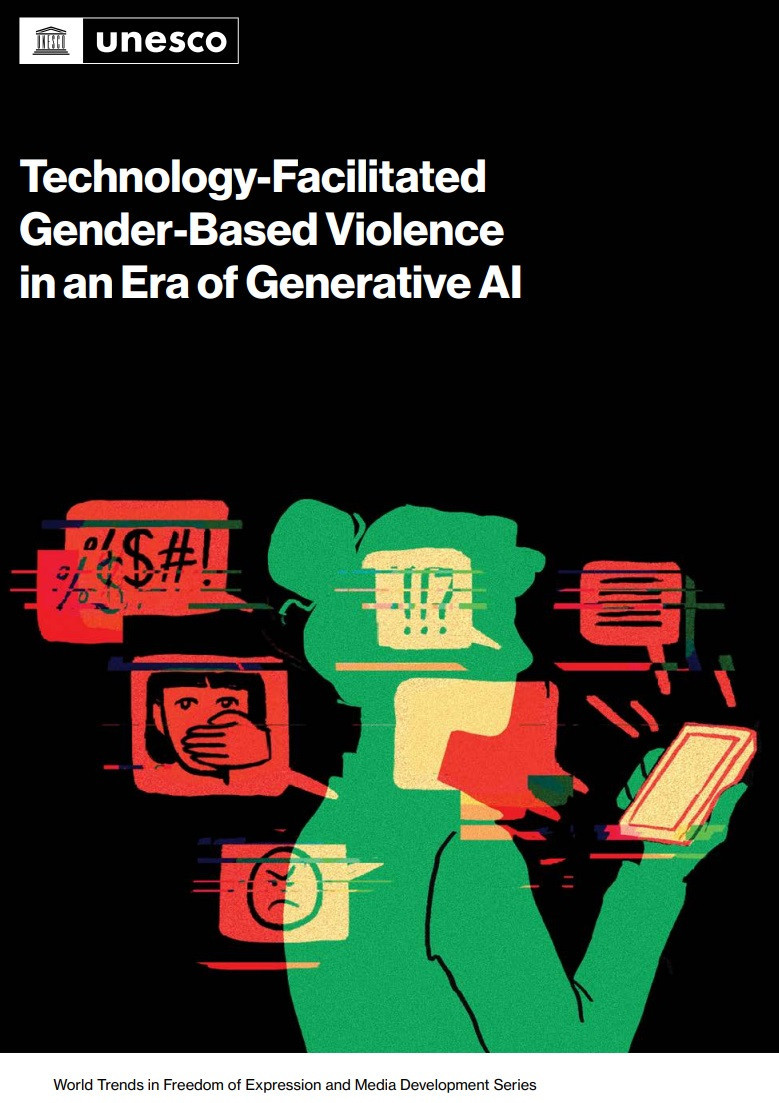 Technology-facilitated gender-based violence in an era of generative AI Year of publication: 2023 Corporate author: UNESCO <Short summary>Experiments reveal how generative AI facilitates gender-based violence Generative Artificial Intelligence (AI) — deep-learning models that create voice, text, and image — are revolutionizing the way people access information and produce, receive and interact with content. While technological innovations like ChatGPT, DALL-E and Bard offer previously unimaginable gains in productivity, they also present concerns for the overall protection and promotion of human rights and for the safety of women and girls.The arrival of generative AI introduces new, unexplored questions: what are the companies’ policies and normative cultures that perpetuate technology-facilitated gender-based violence and harms? How do AI-based technologies facilitate gender-specific harassment and hate speech? What “prompt hacks” can lead to gendered disinformation, hate speech, harassment, and attacks? What measures can companies, governments, civil society organisations and independent researchers take to anticipate and mitigate these risks?A combination of measures are proposed to be put in place by generative AI companies and the technology companies that platform them, regulators and policy makers, by civil society organisations and independent researchers, as well as users.
 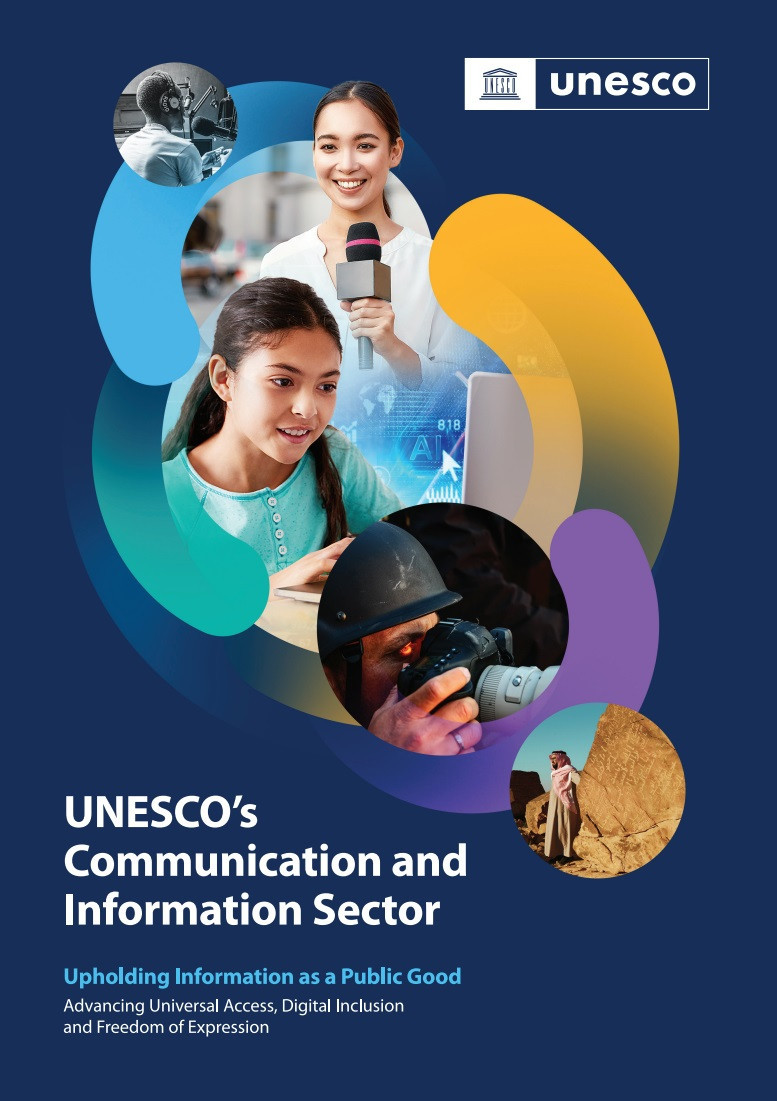 UNESCO's Communication and Information Sector: upholding information as a public good, advancing universal access, digital inclusion and freedom of expression Year of publication: 2023 Corporate author: UNESCO
 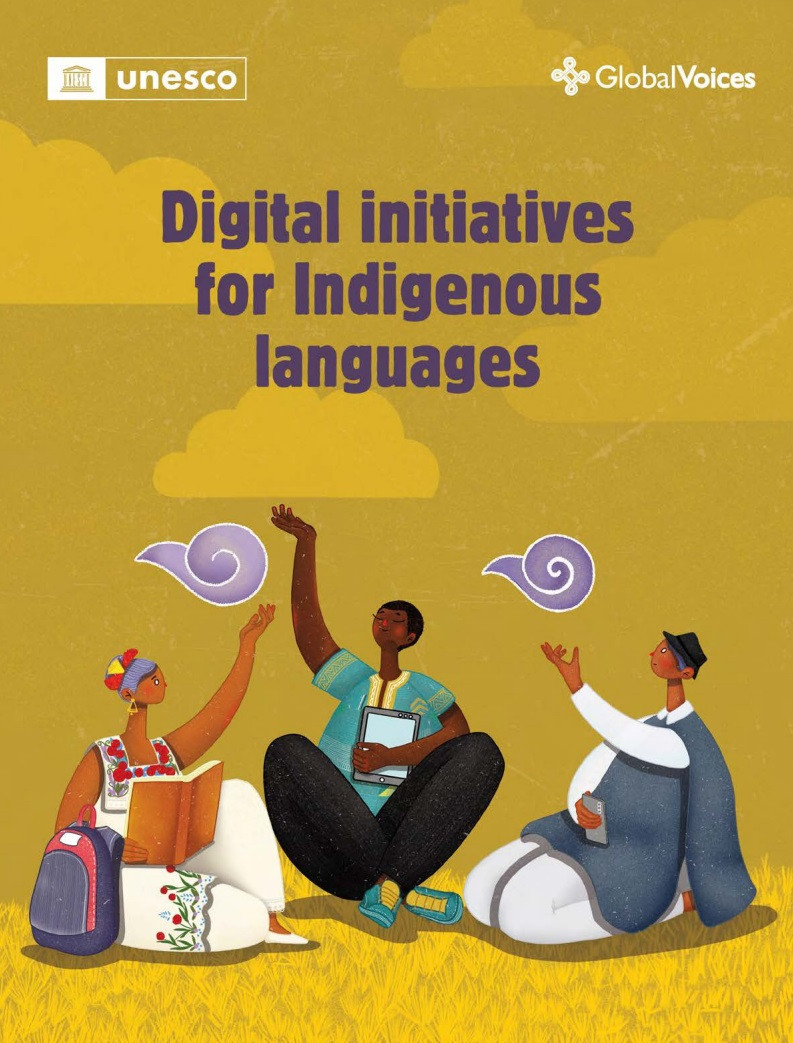 Digital initiatives for indigenous languages Year of publication: 2023 Author: Genner Llanes-Ortiz Corporate author: UNESCO | Global Voices (Amsterdam) <Short summary> Supported by UNESCO and Global Voices’ Rising Voices (RV), this toolkit extends the efforts of dedicated Indigenous digital practitioners. It illustrates how internet and other digital tools can be utilized to conserve, revive, and promote Indigenous languages, as well as other marginalized or minority languages.This toolkit has been co-designed in close partnership with both established and emerging networks of Indigenous digital practitioners, language advocates, and collaborators, within the framework of the International Decade of Indigenous Languages 2022-2032. The toolkit promotes the foundation of language preservation, revival, and promotion on eight key approaches:Facilitating, Multiplying, Normalizing, Educating, Reclaiming, Imagining, Defending and Protecting. It also offers a curated list of valuable resources, including guides, tutorials, and manuals for utilizing digital tools. In conjunction with the advisory group established for the toolkit’s preparation and other collaborating organizations, it presents a wealth of inspiring stories showcasing innovative projects that have made a significant impact on languages at local, national, or global levels.Finally, the toolkit is openly licensed as an Open Educational Resource. It is expected that the toolkit will continue to evolve and grow as the needs of language users and digital language defenders and promoters change alongside the introduction of new technological solutions, innovation and creativity.
 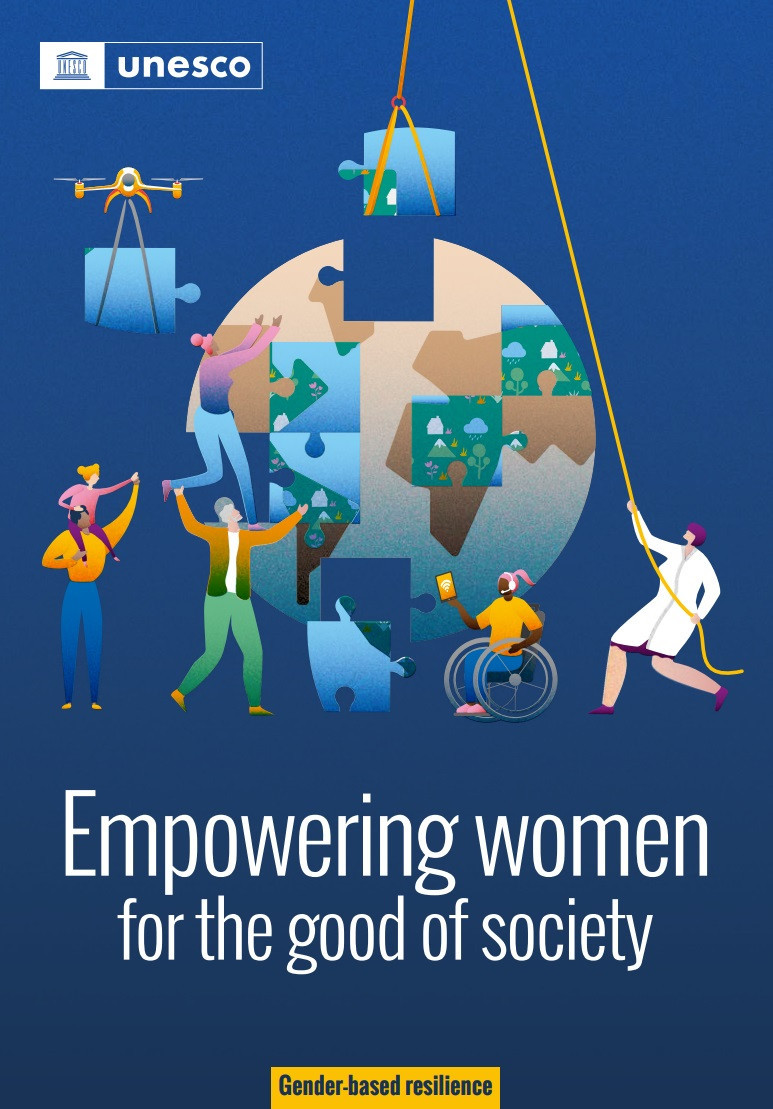 Empowering women for the good of society: gender-based resilience Year of publication: 2023 Author: Squicciarini, Mariagrazia | Sarlat, Garance | Manca, Anna Rita Corporate author: UNESCO <Short Summary> Let’s change the resilience paradigmWhat are the root causes and drivers of resilience? Societal resilience is shaped by the unique roles that individuals play and their ability to respond to shocks, gender-based expectations and discriminations hinder women’s and girls’ ability to participate in, and contribute to, society. In times of crises, their vulnerability intensifies resulting in a weakened response that ripples throughout society.In response, UNESCO designed the first Gender-Based Resilience Framework. As a compass for inclusive policymaking, this report analyzes how differences in opportunities, needs and constraints impact resilience and proposes a measurement Framework based on: (1) fundamental human rights; (2) socioeconomic characteristics, such as health, education, work, political engagement, and climate justice; (3) contextual factors, such as values and perceptions.Moving beyond the standard approach of coping with and recovering from shocks; UNESCO calls for a gender-transformative resilience, which leverages the interrelations between individuals and institutions. Decision- and policy-makers, researchers, and gender equality advocates are invited to use and add to this Framework to effectively navigate through current and future crises.It is only by empowering all women and girls, and people of all genders, that we will be able to face the challenges ahead.