
Resources
Explore a wide range of valuable resources on GCED to deepen your understanding and enhance your research, advocacy, teaching, and learning.
1,448 Results found
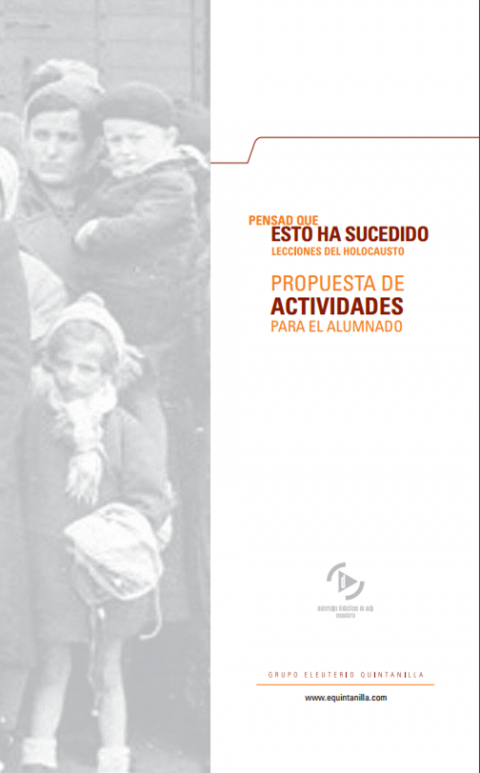 Pensad que esto ha sucedido : lecciones del Holocausto : Propuesta de actividades para el alumnado Year of publication: 2007 Corporate author: Grupo Eleuterio Quintanilla This resource guide published by the Spanish anti-racist association "Grupo Eleuterio quintanilla" was developed for teachers to broach the Holocaust by examining the historical process and its circumstances through legal and historiographical documents. Pensad que esto ha sucedido : lecciones del Holocausto : Propuesta de actividades para el alumnado Year of publication: 2007 Corporate author: Grupo Eleuterio Quintanilla This resource guide published by the Spanish anti-racist association "Grupo Eleuterio quintanilla" was developed for teachers to broach the Holocaust by examining the historical process and its circumstances through legal and historiographical documents. Pensez ce cours s'est passé de l'Holocauste: les activités proposées pour les étudiants Year of publication: 2007 Corporate author: Grupo Eleuterio Quintanilla Ce guide de ressources publiées par l'association anti-raciste espagnol "Grupo Eleuterio Quintanilla" a été développé pour les enseignants à aborder l'Holocauste en examinant le processus historique et sa situation par le biais de documents juridiques et historiographiques.
  A Whole School Approach: Involving the School Community in Reducing its Carbon Footprint Year of publication: 2010 Corporate author: Carbon Trust Reducing energy use has many advantages for schools – it saves money, reduces carbon emissions (helping to combat climate change), improves the learning environment and can enhance a school’s reputation.To be really effective, the whole school must be involved in energy saving. This guide outlines an approach to energy management which involves pupils, teachers and other staff. By motivating staff and pupils through lessons, as well as providing practical advice on how to go about saving energy, a whole school approach to energy management can reduce the school’s carbon footprint and provide long-term benefits for the school, its people and the environment.
 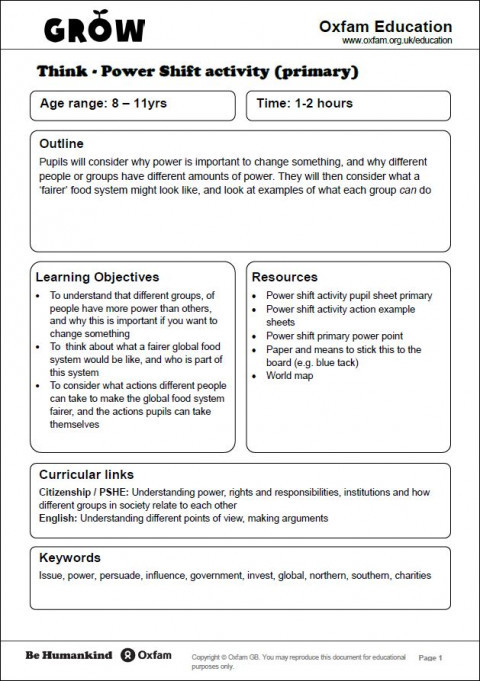 Think: Power-Shift Activity Teachers Guide for Primary Schools Corporate author: Oxfam GB Linked to Oxfam's GROW campaign, the Food for Thought school resources get young people learning, thinking and taking action for a fairer food system.Through this activity pupils will consider why power is important to change something, and why different people or groups have different amounts of power. They will then consider what a ‘fairer’ food system might look like, and look at examples of what each group can do.
 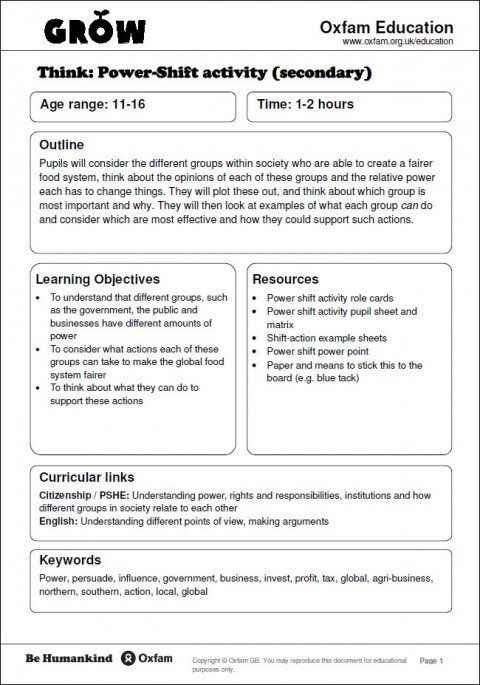 Think: Power-Shift Activity Teachers Guide for Secondary Schools Corporate author: Oxfam GB Linked to Oxfam's GROW campaign, the Food for Thought school resources get young people learning, thinking and taking action for a fairer food system.Through this activity pupils will consider the different groups within society who are able to create a fairer food system, think about the opinions of each of these groups and the relative power each has to change things. They will plot these out, and think about which group is most important and why. They will then look at examples of what each group can do and consider which are most effective and how they could support such actions.
 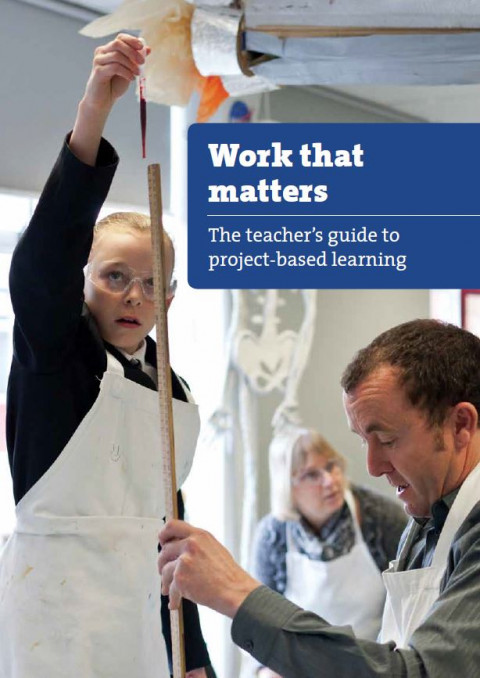 Work that Matters: The Teacher’s Guide to Project-Based Learning Year of publication: 2012 Corporate author: Paul Hamlyn Foundation A guide on project-based learning and advice for teachers, published by the Learning Futures Special Initiative in partnership with the Innovation Unit.Developed by the Learning Futures project in partnership with High Tech High, this guide offers step-by-step advice on planning and managing extended, interdisciplinary projects, as well as useful protocols for critique sessions, templates for important documents such as project plans, and examples of high-impact projects.
 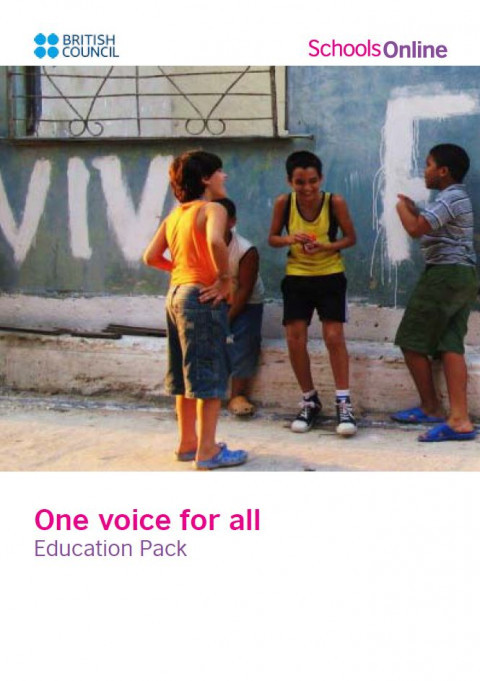 One Voice for All: Education Pack Year of publication: 2013 Corporate author: British Council One Voice for All is a set of resources designed to help teachers work on the Connecting Classrooms themes of Rights and Responsibilities and Fairness and Equality through an exploration of human rights and street children. Its focus is the UN Convention on the Rights of the Child and it aims to allow learners to develop understanding of the key concepts of global citizenship, universal rights and justice.This resource aims to give young people the opportunity to understand the complexity of the wider world in which they live by exploring inequality and steps to address it.
 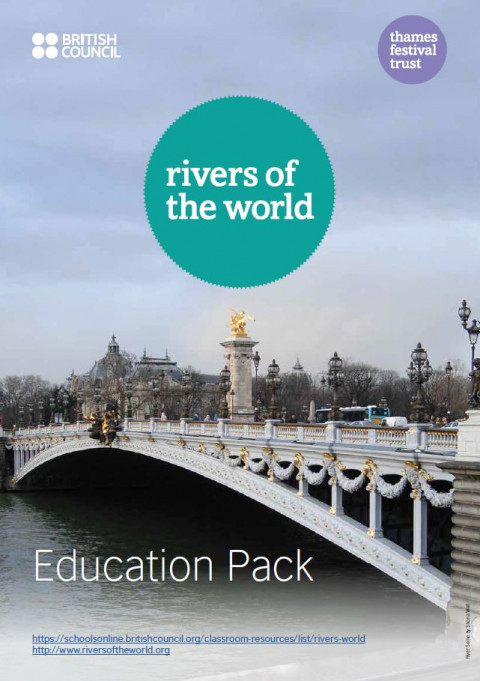 Rivers of the World Education Pack Year of publication: 2015 Author: Alison Willmott Corporate author: British Council This education resource pack extends the project’s reach to a much greater number of schools and provides a wealth of exciting cross-curricular activities for pupils aged 7–14. It is designed to expand knowledge and understanding, help your pupils to develop core skills and encourage them to explore and reflect on local and global issues. It also contains examples of artwork from the project and illustrations of how schools around the world have used the resources with their students.
 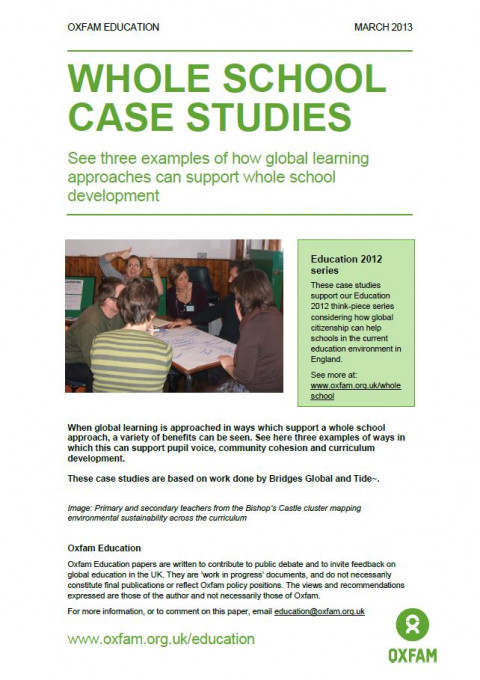 Whole School Case Studies: See Three Examples of How global Larning Approaches Can Support Whole School Development Year of publication: 2013 Corporate author: Oxfam GB These case studies support our Education 2012 think-piece series considering how global citizenship can help schools in the current education environment in England.When global learning is approached in ways which support a whole school approach, a variety of benefits can be seen. See here three examples of ways in which this can support pupil voice, community cohesion and curriculum development.These case studies are based on work done by Bridges Global and Tide~.See more at: www.oxfam.org.uk/wholeschool