
Resources
Explore a wide range of valuable resources on GCED to deepen your understanding and enhance your research, advocacy, teaching, and learning.
1,477 Results found
 Mosaico Metodológico: Caminos diversos para reflexionar en las escuelas sobre el valor de la verdad como bien público fundamental para la paz de Colombia Year of publication: 2018 Author: Juana Yuniz Corporate author: EDUCAPAZ Esta publicación recoje el trabajo desarrollado por el Programa Nacional de Educación para la Paz EDUCAPAZ y a Comisión de la Verdad en Colombia, para el trabajo pedagógico en escuelas que quieran reflexionar sobre el valor de la verdad en la reconstrucción de la memoria, el perdón y la reconciliación. Presenta los cinco caminos propuestos para lograrlo.
  Registration or Block? Year of publication: 2020 Author: Dilmurod Yusupov | Oybek Isakov Registration of a non-governmental non-profit organization in Uzbekistan can still be a long and painful affair. The article discusses why it is so difficult to open an NGO, what and whom it depends on. Регистрировать нельзя отказать Year of publication: 2020 Author: Dilmurod Yusupov | Oybek Isakov Регистрация негосударственной некоммерческой организации в Узбекистане до сих пор может быть долгим и мучительным делом. В статье рассматривается, почему так сложно открыть ННО, от чего и от кого это зависит.
  Kit Papaz for Bullying and Cyberbullying Prevention and Intervention Year of publication: 2014 Author: Lina Saldarriaga | José Fernando Mejía | Enrique Chaux | Andrea Bustamante | Melisa Castellanos | Manuela Jiménez | María Isabel Mejía Corporate author: Red Papaz | ICBF This Kit is a tool for parents, teachers and caregivers to know what bullying and cyberbullying are, how they can prevent and manage them, and promote healthy school and family coexistence. Kit PaPaz para la prevención y manejo de la intimidación escolar y el ciberacoso Year of publication: 2014 Author: Lina Saldarriaga | José Fernando Mejía | Enrique Chaux | Andrea Bustamante | Melisa Castellanos | Manuela Jiménez | María Isabel Mejía Corporate author: Red Papaz | ICBF Este Kit es una herramienta para que padres, madres docentes y cuidadores conozcan qué son la intimidación escolar y el ciberacoso, cómo pueden prevenirlos y manejarlos y promover la sana convivencia escolar y familiar.
  Virtual Conference: How Can We Prevent Bullying and Cyberbullying? Year of publication: 2019 Author: Enrique Chaux Corporate author: Red Papaz This conference presents strategies that can contribute to preventing and managing bullying and cyberbullying situations, especially emphasizing the role that mothers, fathers, caregivers and teachers can have. Conferencia virtual: ¿Cómo acompañar a nuestros hijos para usar de forma segura las TIC? Year of publication: 2019 Author: Enrique Chaux Corporate author: Red Papaz En esta conferencia se presentan estrategias que pueden contribuir a prevenir y manejar las situaciones de bullying y Cyberbullying, enfatizando especialmente el rol que pueden tener madres, padres, cuidadores y docentes.
 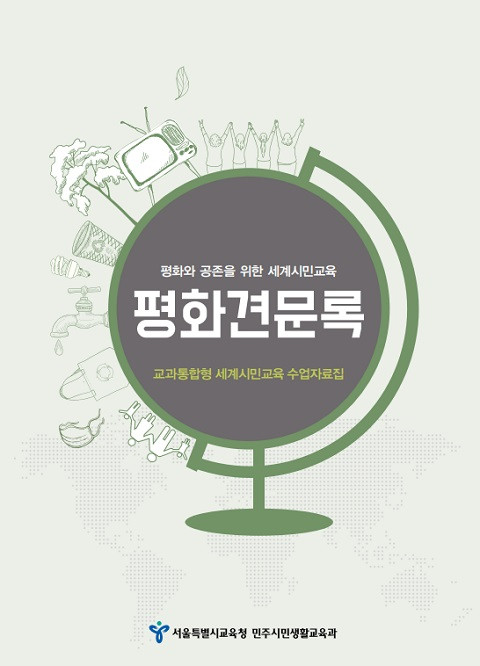 평화견문록: 평화와 공존을 위한 세계시민교육; 교과통합형 세계시민교육 수업자료집 Year of publication: 2019 Author: 강방식 | 강은하 | 김경훈 | 김웅 | 김준구 | 김지광 | 여지화 | 윤상철 | 임재민 | 정미선 | 정애경 Corporate author: 서울특별시교육청 민주시민생활교육과 본 자료는 학생들의 평화감수성 함양을 위해 학생들이 일상적인 삶에서 경험할 수 있는 소재를 활용한 세계시민교육 수업활동집이다. 학생들은 다양한 관점을 연결하는 교과통합형 세계시민교육을 통해 문제해결력과 비판적 사고를 함양할 수 있다.
 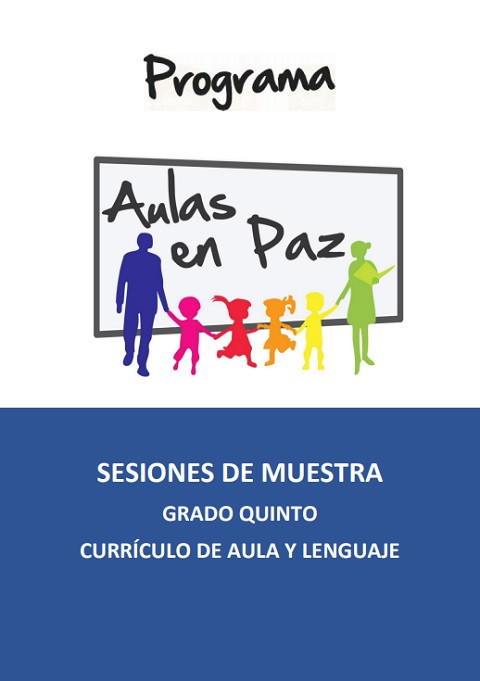 Classrooms in Peace Program: Sample Sessions; 5th Grade Classroom and Language Arts Curriculum Year of publication: 2020 Author: Enrique Chaux | Manuela Jiménez | Natalia Zuluaga Corporate author: Programa Aulas en Paz This document presents selected fifth grade sessions from the Classrooms in Peace Program, developed to prevent school violence through socio-emotional development. In fifth grade, issues related to conflict management are addressed.
 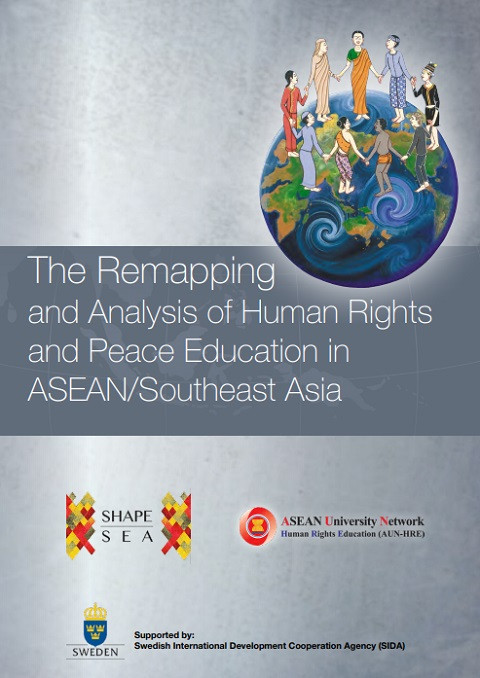 The Remapping and Analysis of Human Rights and Peace Education in ASEAN/Southeast Asia Year of publication: 2019 Corporate author: Strengthening Human Rights and Peace Research/Education in ASEAN/Southeast Asia (SHAPE-SEA) | AUN Human Rights Education Network (AUN-HRE) This book is the result of SHAPE-SEA’s Research Project on “The Remapping and Analysis of Human Rights and Peace Education in ASEAN/Southeast Asia.” It is a follow-up to the 2013 report on “The Mapping and Analysis of Human Rights and Peace Education in Southeast Asia.” It aimed at establishing a systematic updating of developments in human rights and peace education/studies in ASEAN/Southeast Asia. The study investigated courses and programmes on human rights and peace & conflict being undertaken by higher education institutions in all ASEAN member countries and Timor Leste. It had also identified new developments and/or setbacks in human rights and peace education. Researchers located existing academic institutions that have been running programmes and courses on human rights and/or peace. The analysis of existing course syllabi and curriculum in the region was also conducted. To a certain extent, materials being used by instructors were also examined.