
Resources
Explore a wide range of valuable resources on GCED to deepen your understanding and enhance your research, advocacy, teaching, and learning.
950 Results found
 أهمية المحاسبة البيئية في استدامة التنمية Year of publication: 2013 Author: Jamila aljawzii Corporate author: Kasdi Merbah University لقد تزايد الاتجاه نحو الإفصاح عن الأداء البيئي، وإدخال المحاسبة البيئية ضمن الإطار العام للنظام المحاسبي نتيجة لاهتمام التنظيمات الحكومية والأهلية بالبيئة والتنمية المستدامة، والضغوط التي تمارسها الهيئات الدولية والمهنية والأكاديمية على المؤسسات والدول بشأن البيئة وضرورة حمايتها وتنميتها من خلال تبني مفهوم التنمية المستدامة. وفي هذا الإطار جاءت هذه الورقة لتوضيح أهمية المحاسبة البيئية في استدامة التنمية، وذلك من خلال العناصر التالية: - التنمية المستدامة. - المحاسبة البيئية. - دور المحاسبة البيئية في استدامة التنمية. The Importance of Environmental Accounting in the Sustainability of Development Year of publication: 2013 Author: Jamila aljawzii Corporate author: Kasdi Merbah University The trend towards disclosure of environmental performance and the introduction of environmental accounting within the general framework of the accounting system has increased as a result of the concern of government and civil organizations for the environment and sustainable development, and the pressure exerted by international, professional and academic bodies on institutions and countries on the environment and the need to protect and develop them through the adoption of the concept of sustainable development. In this context, this paper explains the importance of environmental accounting for sustainable development through the following elements: - Sustainable development. - Environmental accounting. - The role of environmental accounting in sustainable development.
  2019 Arab Region SDG Index and Dashboards Report Year of publication: 2019 Author: Lara Dahan Corporate author: Emirates Diplomatic Academy (EDA) | Sustainable Development Solutions Network (SDSN) The Arab Region SDG Index and Dashboards are intended as a tool for governments and other stakeholders to measure progress on the Sustainable Development Goals (SDGs), and to highlight gaps in both implementation and data. The 2019 Arab Region SDG Index is the first in its kind and is therefore also intended as a conversation-opener about priority areas, policies and actions.The 2019 Arab Region SDG Index comprises 105 indicators, each of which have an assigned score (0–100) and a traffic light colour (green, yellow, orange, or red) to indicate performance. In addition, arrows indicate trends in progress towards achieving the goals for those indicators where data for multiple years are available.Compared to the Sustainable Development Report 2019, which contains the SDG Index and Dashboards for all UN Member States, the Arab Region Index introduces 30 new indicators that reflect regional priorities and challenges. The selection of these indicators, along with related thresholds, was greatly informed by two rounds of regional expert consultations, which were conducted in May and August 2019 and collected more than 200 comments from more than 40 individuals. The regional Index also removes indicators that are not useful or relevant for the region or where data coverage is currently insufficient.In addition, the 2019 Arab Region Index includes Palestine, which has so far not been included in the global SDG Index reports. It also provides a total SDG achievement score for two countries – Libya and Somalia – that did not receive one in the global Index due to low data availability.
  Journal on Education in Emergencies: Special Issue on Refugees and Education, Part I (Vol. 5, No.1 December 2019) Year of publication: 2019 Author: Sarah Dryden-Peterson | Jo Kelcey | S. Garnett Russell Corporate author: Inter-agency Network for Education in Emergencies (INEE) This special issue of JEiE—the first of two parts—showcases research on important developments in the field of refugee education across several regions, including the Middle East, Latin America, and Africa. The issue includes four research articles, one interview, two field notes, and three book reviews.The contributing authors describe and analyze how international agencies, state bureaucracies, local organizations and their partners, and refugees shape the structures that influence the education of refugees, both historically and in the present, and how these actors imagine their roles. In so doing, the authors help to untangle key questions about how responsibility for meeting refugees’ educational needs and aspiration is taken up and shared. The articles in this issue include immediate and long-term lessons for how refugee education is designed and experienced.
 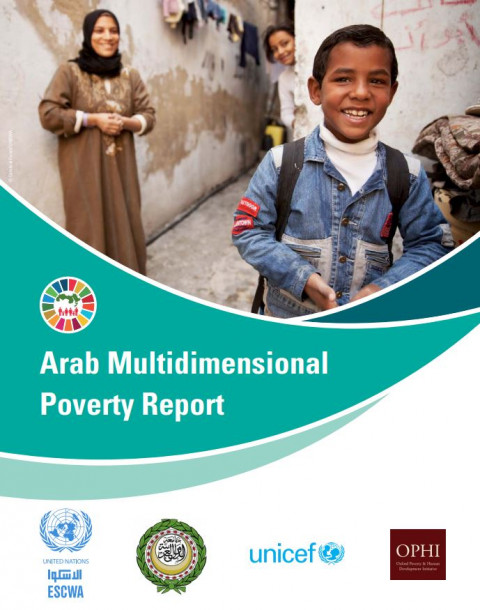 التقرير العربي حول الفقر المتعدد الابعاد Year of publication: 2017 Corporate author: UN. Economic and Social Commission for Western Asia (UN. ESCWA) | United Nations Children's Fund (UNICEF) | Oxford Poverty and Human Development Initiative (OPHI) التقرير العربي حول الفقر المتعدد الأبعاد هو الأول من نوعه منذ إطلاق خطة عام 2030. ونتج التقرير عن تعاون استمر لثلاثة أعوام بين المجلس الوزاري للشؤون الاجتماعية في جامعة الدول العربية، ولجنة الأمم المتحدة الاقتصادية والاجتماعية لغربي اسيا (الإسكوا)، ومنظمة الأمم المتحدة للطفولة (اليونيسف)، ومبادرة أكسفورد للفقر والتنمية البشرية. Arab Multidimensional Poverty Report Year of publication: 2017 Corporate author: UN. Economic and Social Commission for Western Asia (UN. ESCWA) | United Nations Children's Fund (UNICEF) | Oxford Poverty and Human Development Initiative (OPHI) The Arab Multidimensional Poverty Report, the first of its kind following the launch of the 2030 Agenda, is the result of three years of collaboration between the League of Arab States’ Council of Arab Ministers for Social Affairs, the Economic and Social Commission for Western Asia (ESCWA), the United Nations Children's Fund (UNICEF), and Oxford Poverty and Human Development Initiative (OPHI).
  مفهوم الدين والمواطنة في الدولة الحديثة Year of publication: 2019 Corporate author: Alghad TV حدث ظهور الإسلام نقلة نوعية في الحياة السياسية بالجزيرة العربية، حيث نجح الدين الجديد في تفكيك البنى القبلية، وتغيير المفاهيم الطبقية القائمة على الانتماءات الضيقة، لصالح مفهوم الوطن الذي يساوي بين الجميع في الحقوق والواجبات، وهو ما تجلى بوضوح في وثيقة المدينة التي نظمت العلاقة بين المسلمين واليهود وغيرهم، باعتبارهم جميعا أمة من دون الناس، و على الرغم من ذلك مازال البعض ينادي باعتبار غير المسلمين مواطنين من الدرجة الثانية، لا ولاية لهم ولا مساواة معهم في بلاد المسلمين، وهو ما يتعارض مع الأسس التي قامت عليها الدولة الوطنية الحديثة، باعتبار الدين لله، والوطن للجميع! ويطرح السؤال نفسه: هل يمكن لمفهوم الدولة أن يقوم على اعتبارات دينية تقصى الآخر وتتجاهل وجوده؟ The Concept of Religion and Citizenship in Modern Country (Yatfakroon Season 3 Episode 22) Year of publication: 2019 Corporate author: Alghad TV The emergence of Islam took a qualitative leap in political life in the Arabian Peninsula, as the new religion succeeded in dismantling tribal structures and changing class concepts based on narrow affiliations in favor of the concept of the homeland, which equates everyone in rights and duties. This was clearly demonstrated in the Medina document that organized the relationship between Muslims, Jews and others, as they are all a nation without the people, and in spite of this, some still call for non-Muslims to be considered second-class citizens, with no jurisdiction or equality with them in Muslim countries. This contradicts the foundations on which the modern nation state was established, considering Religion is for God and the homeland for all! The same question arises: Can the concept of the state be based on religious considerations that exclude the other and ignore his existence?
 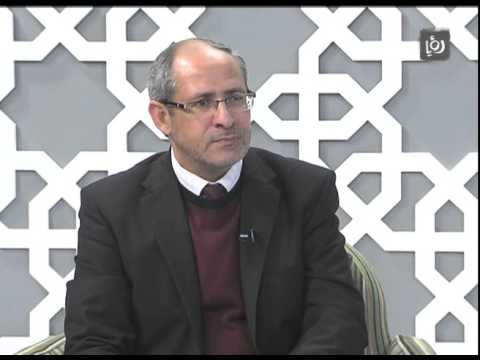 Islam, Diversity and Peacebuilding Year of publication: 2016 Author: Ramy Atta | Ahmed Naji Corporate author: Roya TV An interesting dialogue between the speakers about diversity and the extent to which Islam deals with this term. The speakers discuss the wealth of the Islamic religion in the root of diversity and pluralism, and how that leads to peace.
 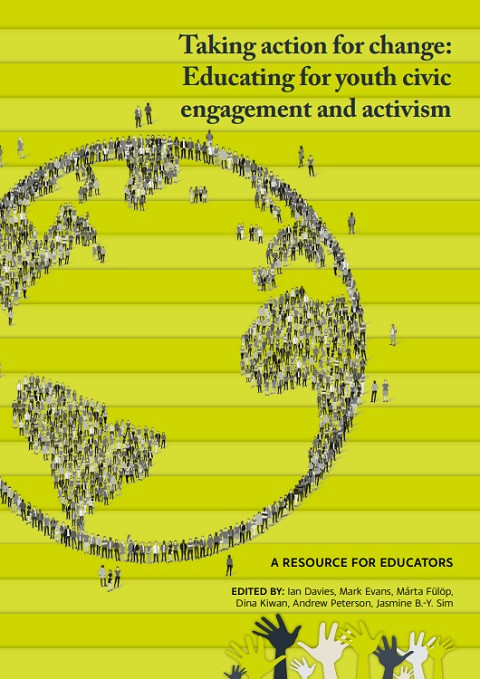 Taking Action for Change: Youth Civic Engagement and Activism; A Resource for Educators Year of publication: 2019 Author: Ian Davies | Mark Evans | Márta Fülöp | Dina Kiwan | Andrew Peterson | Jasmine B.-Y. Sim Corporate author: University of York ‘Youth activism, engagement and the development of new civic learning spaces’ was a project funded by the Leverhulme Trust and developed by an international network of researchers. The project took place between 2016 and 2019.In this resource for education, each member of the project team discusses developments in their own country and identifies key ideas and issues about how young people participate in society and what implications have for education. This book gives several examples that have already been done in different geographical areas and educational perspectives and includes promising practices that begin to illustrate ways in which educators may act.