
Resources
Explore a wide range of valuable resources on GCED to deepen your understanding and enhance your research, advocacy, teaching, and learning.
1,727 Results found
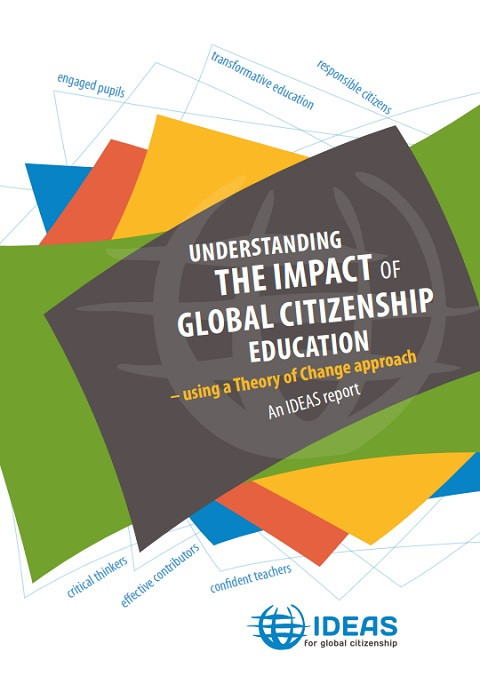 Understanding the Impact of Global Citizenship Education - Using a Theory of Change Approach: An IDEAS Report Year of publication: 2017 Corporate author: International Development Education Association Scotland (IDEAS) This report provides an overview of the range of impacts IDEAS members are working towards and discusses how best to approach their assessment. It focuses, in particular, on how global citizenship education affects teachers and pupils and how this relates to attainment. The Theory of Change that it is based around offers a forward-looking framework that will over time enable us to make the evidence for global citizenship education more accessible, approachable and coherent.
 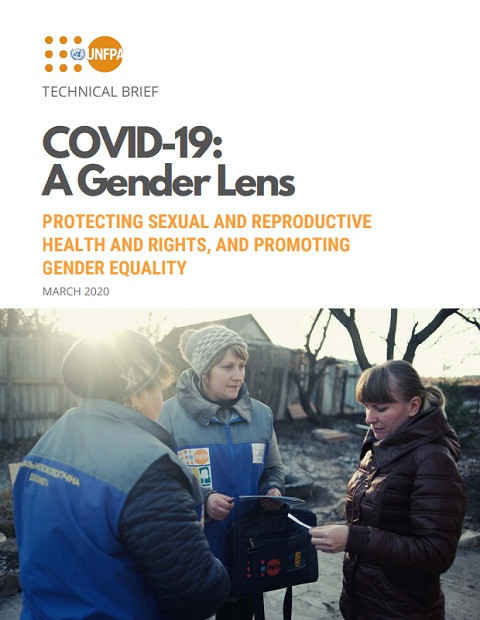 فيروس كورونا المستجد (كوفيد- 19): من منظور النوع الاجتماعي; حماية الصحة والحقوق الجنسية والإنجابية وتعزيز المساواة بين الجنسين Year of publication: 2020 Corporate author: United Nations Population Fund (UNFPA) يؤثر تفشى الأمراض تأثيرآ مختلفآ على النساء والرجال، تجعل الأوبئة أوجه عدم المساواة القائمة ضد النساء والفتيات والتمييز بين الفئات المهمشة الأخرى، مثل الأشخاص ذوي الإعاقة والأشخاص الذين يعيشون في فقر مدقع، أسوأ. يجب الأخذ في الأعتبار هذا الأمر عند النظر إلى التأثيرات المختلفة المحيطة بعمليات أكتشاف المرض والحصول على العلاج بالنسبة النساء والرجال.تمثل المرأة 70 بالمائة من القوى العاملة بالقطاع الصحي والاجتماعي على مستوى العالم، وينبغي إيلاء اهتمام خاص لكيفية تعرضهن للتمييز في بيئة عملهن، وكذلك التفكير في صحتهن الجنسية والإنجابية واحتياجاتهن النفسية كعاملات صحيات يعملن في الخطوط الأمامية. COVID-19: A Gender Lens; Protecting Sexual and Reproductive Health and Rights, and Promoting Gender Equality Year of publication: 2020 Corporate author: United Nations Population Fund (UNFPA) Disease outbreaks affect women and men differently, and pandemics make existing inequalities for women and girls and discrimination of other marginalized groups such as persons with disabilities and those in extreme poverty, worse. Women represent 70 percent of the health and social sector workforce globally and special attention should be given to how their work environment may expose them to discrimination, as well as thinking about their sexual and reproductive health and psychosocial needs as frontline health workers. This technical brief provides key messages and recommendations for protecting sexual and reproductive health and rights, and promoting gender equality during the COVID-19 pandemic. COVID-19: Un Enfoque de Género; Proteger la salud y los derechos sexuales y reproductivos y promover la igualdad de género Year of publication: 2020 Corporate author: United Nations Population Fund (UNFPA) Los brotes de enfermedades afectan a las mujeres y los hombres de manera diferente, y las pandemias exacerban las desigualdades existentes entre las mujeres y las niñas, lo mismo que la discriminación en contra de otros grupos marginados como las personas con discapacidad y aquellas en situación de pobreza extrema. Las mujeres representan el 70 por ciento de la fuerza laboral en el sector social y de salud en el mundo y, por ello, es importante prestar atención especial a la forma en que su entorno laboral puede exponerlas a actos de discriminación, además de pensar en sus necesidades psicosociales y de salud sexual y reproductiva como personal de salud de primera línea. COVID-19: Une optique sexospécifique; Protéger la santé et les droits en matière de sexualité et de reproduction, et promouvoir l’égalité des sexes Year of publication: 2020 Corporate author: United Nations Population Fund (UNFPA) Les épidémies touchent les femmes et les hommes différemment, et les pandémies aggravent les inégalités existantes pour les femmes et les filles ainsi que la discrimination d’autres groupes marginalisés tels que les personnes handicapées et celles en situation d’extrême pauvreté. Les femmes représentent 70 pour cent de la main-d’œuvre du secteur social et de la santé dans le monde et une attention particulière devrait être accordée à la façon dont leur environnement de travail peut les exposer à la discrimination, ainsi qu’à la réflexion sur leur santé sexuelle et reproductive, et leurs besoins psychosociaux en tant que travailleuses de la santé de première ligne. Cette note technique offre des messages clés et des recommandations pour protéger la santé et les droits sexuels et reproductifs et promouvoir l'égalité des genres pendant la pandémie de COVID-19.
 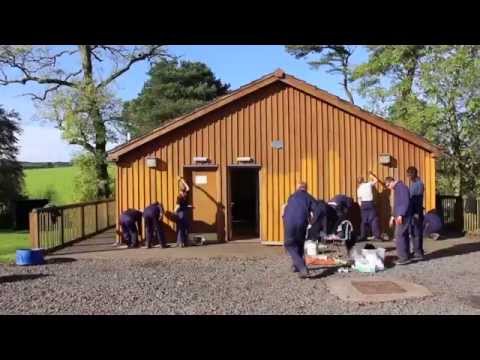 L'engagement citoyen à l'international Year of publication: 2015 Author: Jeanne Lorrain Corporate author: Educasol La citoyenneté est présentée aujourd’hui comme un enjeu prioritaire par les pouvoirs publics français. Ce vidéo montre qu'il est nécessaire de rappeler que pour être gage de sens et de qualité, le désir d’engagement se doit d’être accompagné pour permettre, à tous les âges de la vie, de découvrir les multiples possibilités d’agir et de s’engager. C’est pourquoi les associations de solidarité internationale, de volontariat, de jeunesse et d’éducation populaire travaillent depuis longtemps sur les enjeux de citoyenneté et de mieux vivre ensemble ici et là-bas.
  학교교육을 통한 세계시민교육 안착방안 Year of publication: 2017 Author: 신혜진 | 이춘희 | 류성남 | 장은경 Corporate author: 서울특별시교육청 교육연구정보원 | 서울교육정책연구소 이 연구는 세계시민교육이 학교교육을 통해 어떻게 운영되고 있는지 실태를 분석하여 세계시민교육이 학교교육에서 안착할 수 있는 방안을 모색해 보고자 하였다. 특히 세계시민교육이 학교에서 효과적으로 안착되기 위하여 교원의 역할이 중요하기에 교원을 대상으로 연구를 수행하였다. 최초로 서울시 전체 교원을 대상으로 연구하며 학교현장에서 세계시민교육이 단위학교 차원에서 어떻게 운영되고 있는지의 현황에 대한 이해를 높이고자 하였다. 이를 위하여 먼저 선행연구 및 주요정책문건 분석을 통한 세계시민교육의 주요 개념 및 정의를 고찰하였다. 다음으로 세계시민교육의 단위학교 적용 사례를 살펴보고 세계시민교육에 대한 교원인식, 교내 활용정도, 교원연수 등을 중심으로 세계시민교육의 학교활용현황을 분석하였다. 마지막으로 세계시민교육이 학교 내에서 안착할 수 있는 방안을 제안한다. 서울특별시교육청교육연구정보원이(가) 창작한 [정책-17-06] 학교교육을 통한 세계시민교육 안착방안 저작물은 "공공누리 제4유형(출처표시-상업적 이용금지-변경금지)" 조건에 따라 이용 할 수 있습니다.
 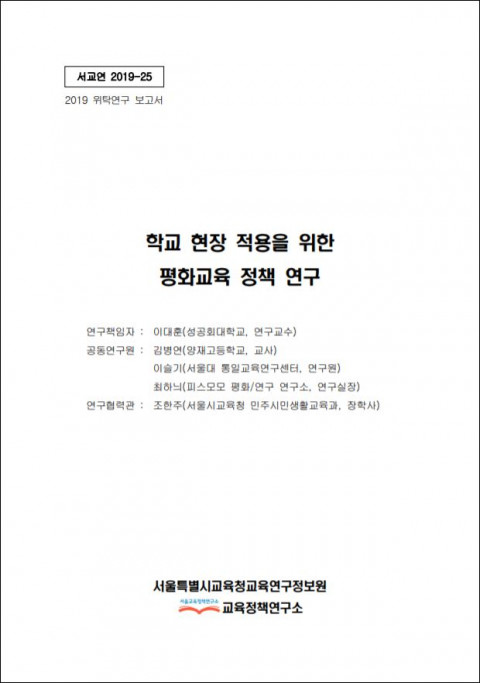 학교 현장 적용을 위한 평화교육 정책 연구 Year of publication: 2020 Author: 이대훈 Corporate author: 서울특별시교육청 교육연구정보원 | 서울교육정책연구소 본 연구는 서울특별시교육청의 학교 평화교육 도입 및 시행을 위한 평화교육 개념 및 정책 방향을 설정하는 토대 연구이다. 이를 통해서 변화하는 한반도 현실에 적합한 평화교육 정책 모색하면서, 학교 현장의 필요에 적합한 평화교육의 내용 및 활성화 방법과 평화교육과 교과 교육과정과의 연계의 방향을 찾고자 한다. 본 연구에서 다루는 평화교육의 초점은 ‘평화역량’ 개념의 교육적 적용, 즉 평화역량 중심의 평화교육을 위한 정의와 프로그램이다. 이를 위해 국내외 주요 평화교육으로부터의 시사점, 서울특별시교육청의 평화교육 비전 설정 및 주제와 이행단계 설정, 교육 현장의 욕구 및 필요를 반영한 평화교육의 통합적 운영 방안을 제시한다. 서울특별시교육청교육연구정보원이(가) 창작한 [서교연2019-25]2019 위탁연구(학교 현장 적용을 위한 평화교육 정책 연구) 최종보고서 저작물은 "공공누리 제4유형(출처표시-상업적 이용금지-변경금지)" 조건에 따라 이용 할 수 있습니다.
 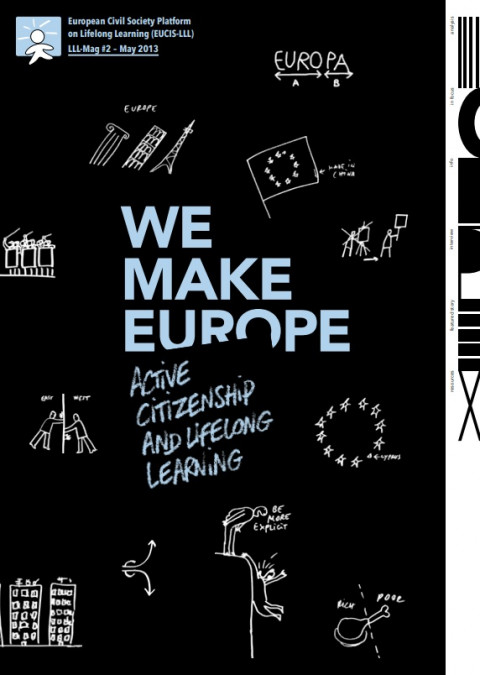 We Make Europe: Active Citizenship and Lifelong Learner Year of publication: 2013 Corporate author: European Civil Society Platform on Lifelong Learning (EUCIS-LLL) This material captures some of the sparks of civic engagement and aimed to contribute to the debates that took place in the context of the European Year of Citizens 2013. Its purpose was to bring together various perspectives and experiences in order to show the wealth and dynamism as well as the limitations and pitfalls of what is active European citizenship nowadays.
 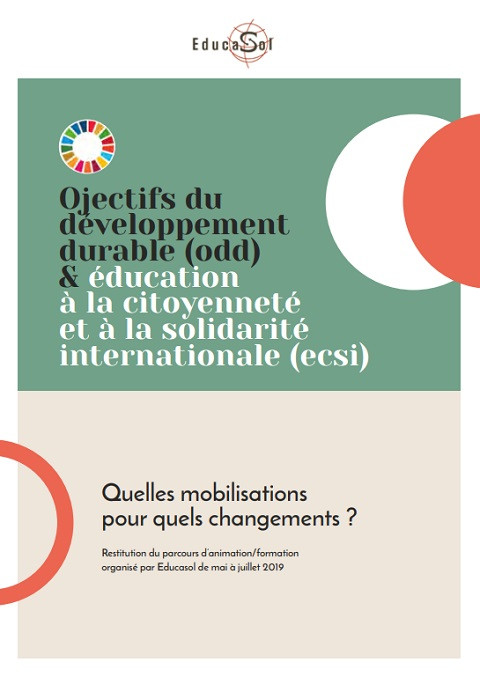 Objectifs du développement durable (odd) & éducation à la citoyenneté et à la solidarité internationale (ecsi): Quelles mobilisations pour quels changements ? Year of publication: 2019 Corporate author: Educasol Du mois de mai au mois de juillet 2019, Educasol a organisé un parcours d’animation-formation structuré autour de 5 temps et consacré à l’interaction entre Objectifs du Développement Durable et Education à la Citoyenneté et à la Solidarité internationale. Trois angles d’analyse ont été priorisés : culture et universalité, transversalité et territoire, et enfin la question du changement. Ce parcours a permis d’initier un processus permettant aux participants de :• Penser leurs actions d’ECSI,• Se penser eux-mêmes à partir de leurs actions et organisations,• Penser les autres autant que possible en évitant la projection de soi• Questionner la relation avec les bailleurs,• Construire une représentation commune des ODD et identifier les conditions qui en permettraient un meilleur usage Cette publication regroupe l’ensemble des documents produits dans le cadre des 3 journées du parcours et lors de la séance conclusive.